


- The Basics of the London System for White
- Delaying Knight f3 in the London System for White
- Key Pawn Structures for the London System for White
- Activating Your Pieces for a Kingside Attack
- Dealing with Black’s Early c5 Break
- Modern Move Orders: Knight d2 before c3
- Facing the King's Indian Defense and Other Indian Systems
- Additional Tips and Variations
- Conclusion: Make the London System Work for White!
Many players dismiss it as lazy or boring, but a well-executed London System for White is a powerful, dynamic weapon that can significantly pressure your opponents early in the game.
The London System often gets a bad rap in chess circles. Many players dismiss it as lazy or boring because it seems like you play the same setup every time. But that’s a misconception I want to clear up.
When played correctly, the London System is a powerful weapon that can significantly pressure your opponents early in the game. Whether you’re facing the classic d5 response, the King’s Indian Defense, or even the Dutch, this opening offers flexible plans and attacking chances that go far beyond the stereotypical slow buildup.
I, Priyadharshan Kannappan, Chess Grandmaster and FIDE Trainer, have 2 decades of experience on this topic, and I would be happy to share some of my insights on these topics.
In this article, I’ll break down the London System’s key ideas, move orders, and strategic plans. I’ll also cover how to react to your opponent’s various setups and how to transform what looks like a quiet opening into an aggressive, tactical battle. Whether you’re a beginner looking to understand the basics or an intermediate player aiming to sharpen your repertoire, this guide will help you make the most of the London System.
The Basics of the London System for White
The London System for White typically begins with 1.d4, aiming to control the center solidly without committing to the more theoretical Queen’s Gambit lines. The most common response you’ll face is 1…d5, and here the hallmark move of the London is 2.Bf4. This early bishop development outside the pawn chain is crucial—it supports the center and prepares for a strong, flexible setup.
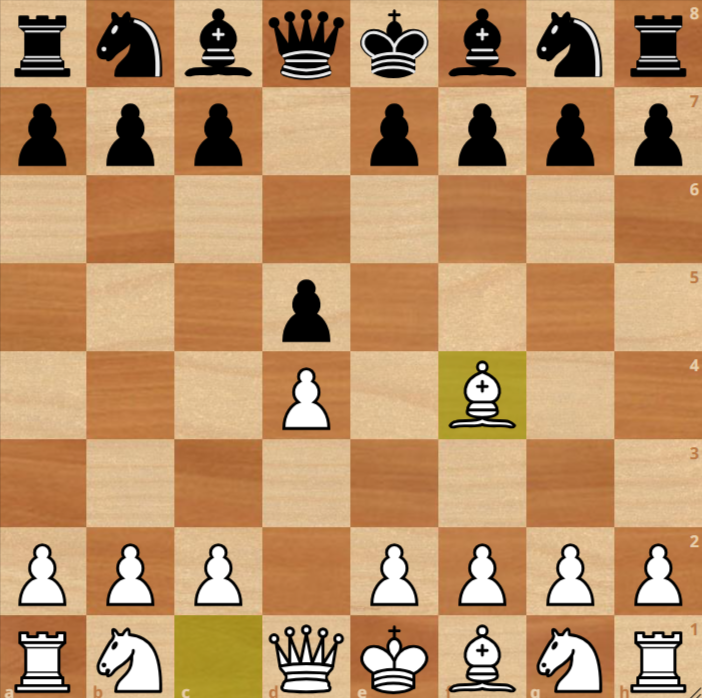
From this point, it’s essential to observe how your opponent arranges their pieces. Are they going to challenge the center with c5? Will they fianchetto their light-squared bishop? Or will they try to develop in a more passive manner? Your approach will vary depending on these choices.
Delaying Knight f3 in the London System for White
One notable aspect of the London System for White is delaying the development of the knight to f3. This might seem counterintuitive, but it’s a deliberate strategy. By not committing the knight too early, you keep options open and avoid premature exchanges or weakening your control over key squares.
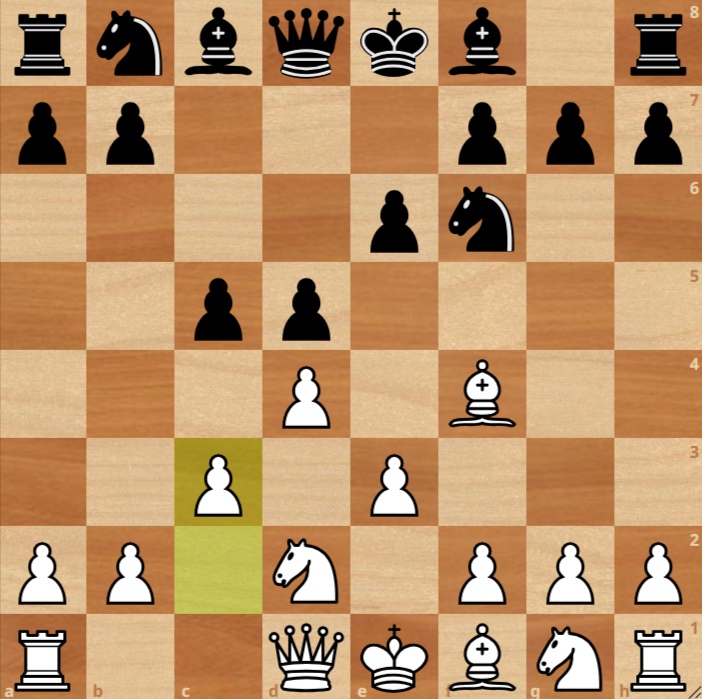
For example, after moves like …Nf6 and …e6 from Black, you might face a trade of dark-squared bishops. Instead of immediately recapturing or rushing to develop your knight, you can maneuver your bishop back to e2 or d3, preserving flexibility and preparing for a timely pawn break in the center.
Key Pawn Structures for the London System for White
In the London System for White, the pawn structure plays a pivotal role. A common plan is to build a “pyramid” of pawns with c3 and e3 supporting the center and restricting your opponent’s counterplay. This setup also prepares your knight to develop comfortably to d2 without being vulnerable to early attacks.
One critical square to control is e5. If Black pushes … e5 successfully, they often achieve equality or even an active position. Therefore, the London player should be vigilant to prevent this break or, better yet, occupy e5 with a knight supported by pawns and the bishop.
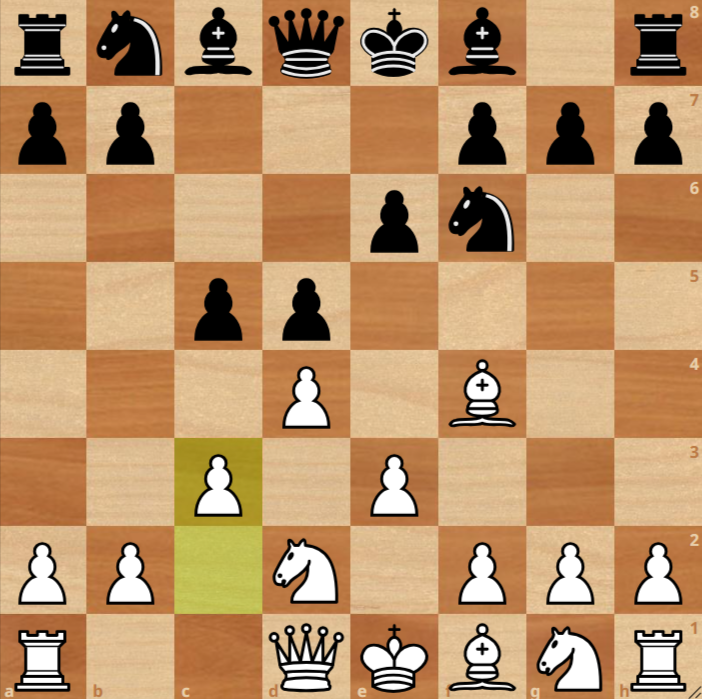
For example, after Black plays … Nc6 and …Be7, completing usual development, White can continue with c3, Nd2, and maintain a strong grip on e5. Timing your knight’s advance to e5 supported by your pawns and bishop can be a game-changer, enabling you to launch an attack on the kingside.
Activating Your Pieces for a Kingside Attack
Once you secure the center, the London System offers dynamic attacking ideas on the kingside. After setting up your knight on e5, you can start a pawn push with f4, which challenges Black’s control and opens lines for your queen and bishop.
Depending on how Black arranges their pieces, you might consider moves like:
Queen h5, targeting the kingside and putting pressure on Black’s position.
Queen f3 or Queen h3 in certain configurations, coordinating with your bishop and knight.
Launching a pawn storm with f4 and possibly g4, depending on the situation.
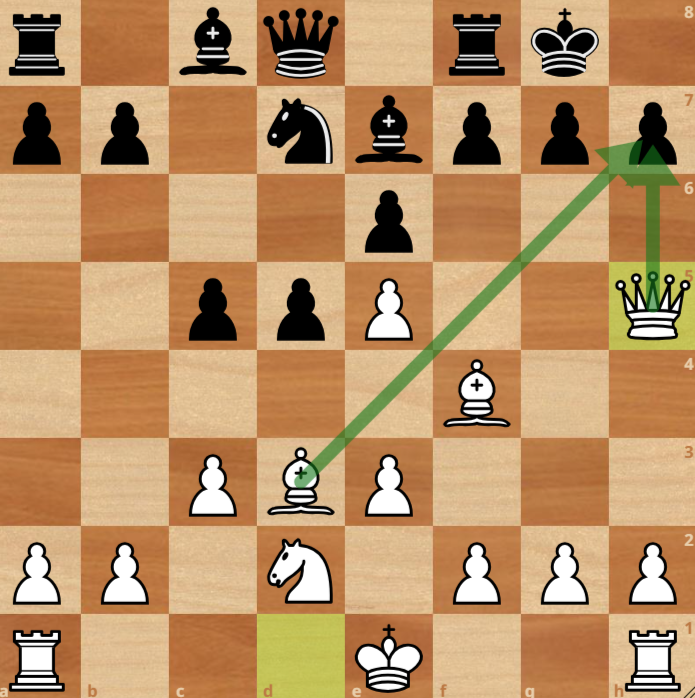
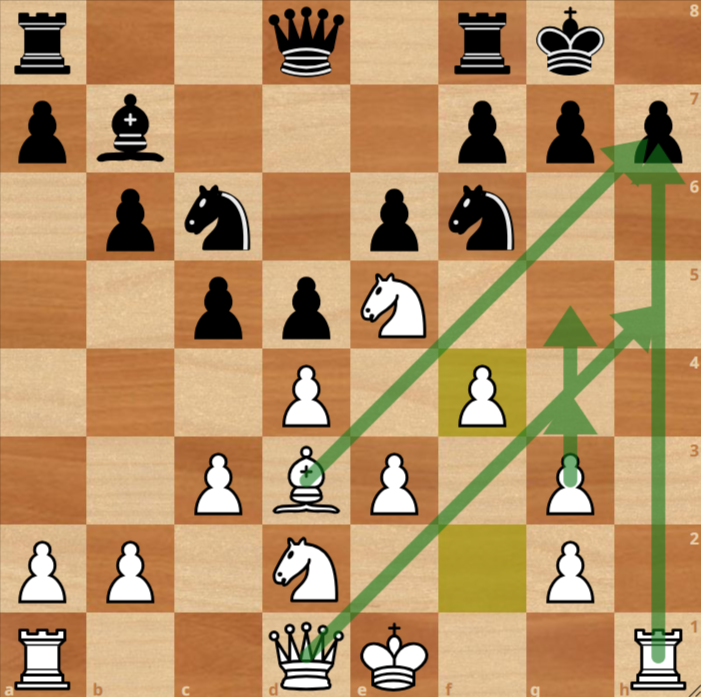
This aggressive style contrasts with the stereotype of London as a slow, boring setup. Instead, it can lead to sharp, tactical battles that test your opponent’s defensive skills.
Dealing with Black’s Early c5 Break
One of the most challenging responses to the London System is when Black plays an early …c5, striking at the center and trying to undermine your setup. The key to handling this is to maintain your composure and continue developing naturally, reinforcing your center rather than panicking.
An effective move in this scenario is an early Knight to c3. This move does several things:
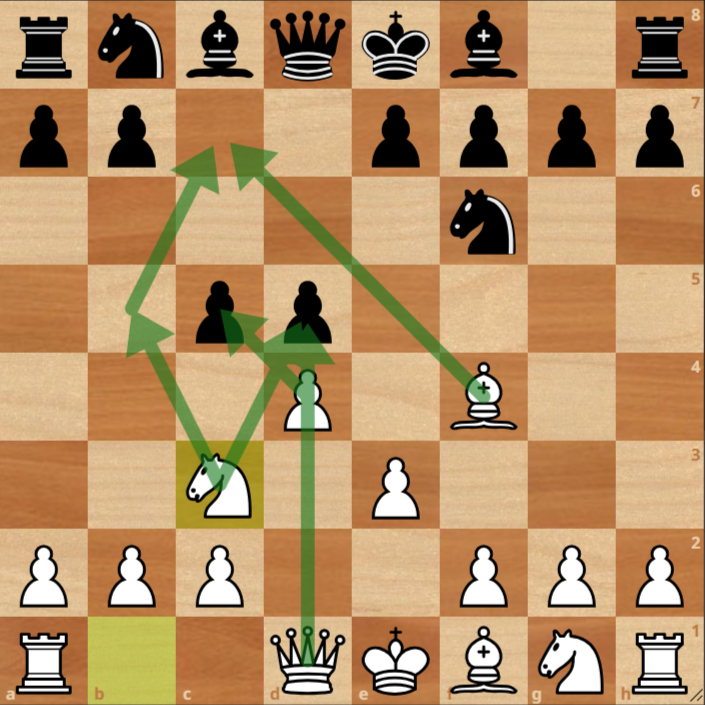
It supports the d5 square and prepares to contest the center.
It creates tactical threats, especially when Black tries to snatch the b2 pawn with Queen b6.
It can lead to traps if Black greedily captures on b2, such as Knight b5 followed by Knight c7, threatening forks and material gain.
For example, if Black plays Queen b6 targeting b2, responding with Knight c3 can lead to dangerous tactics that can trap the queen or win material. If Black avoids this, you can safely continue development with moves like Rb1 to protect the b2 pawn and build pressure on the queenside.
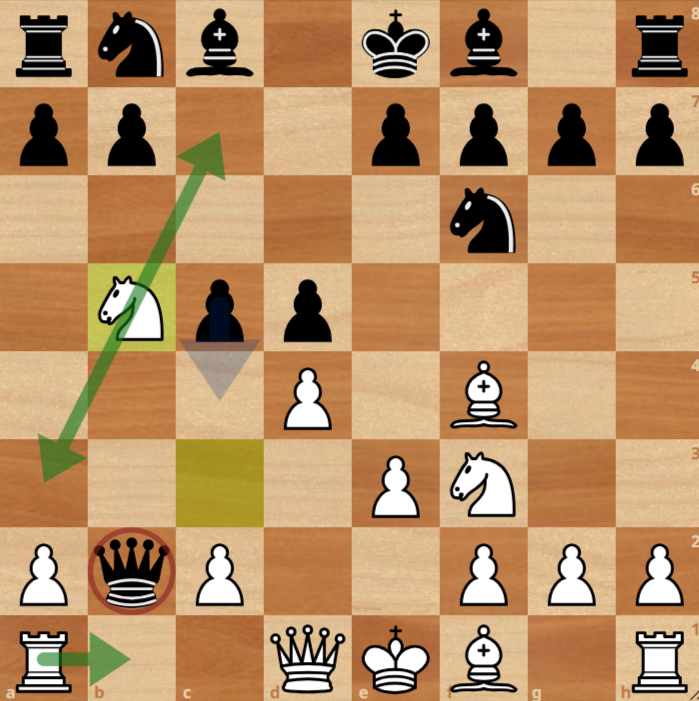
Against …c5 systems, the London player should be ready to push d5 at the right moment, closing the center and limiting Black’s counterplay.
Modern Move Orders: Knight d2 before c3
Another modern refinement in the London System is to develop the knight to d2 before pushing the pawn to c3. This subtle shift prevents Black from playing …Nb4 or …Ne4 too early and allows for more flexible responses to Black’s queen moves like …Qb6.
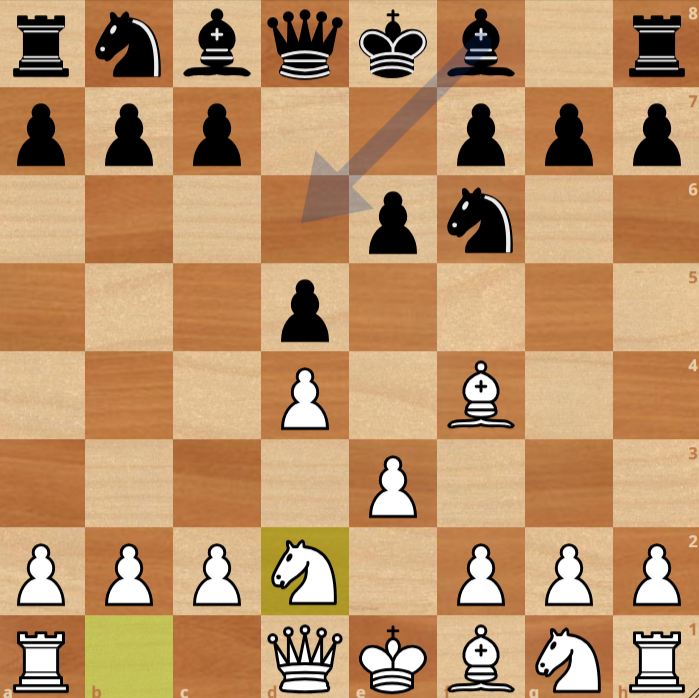
This order also prepares for potential central pawn breaks and gives you option to castle queenside, adding more attacking chances.
Facing the King’s Indian Defense and Other Indian Systems
The London System is versatile and can be effective against Indian setups where Black fianchetto their kingside bishop with moves like …g6. Against these systems, a common and powerful response is to develop your knight to c3 early, challenging Black’s setup and preparing for a kingside attack.
If Black continues with a typical King’s Indian Defense structure, you can adopt a very aggressive plan:
Play Queen d2 and Bishop h6 to exchange Black’s powerful dark-squared bishop.
Castle queenside, preparing to launch a pawn storm with f3, g4, h4, and even h5.
Put a knight on e5 to dominate the center and support your kingside operations.
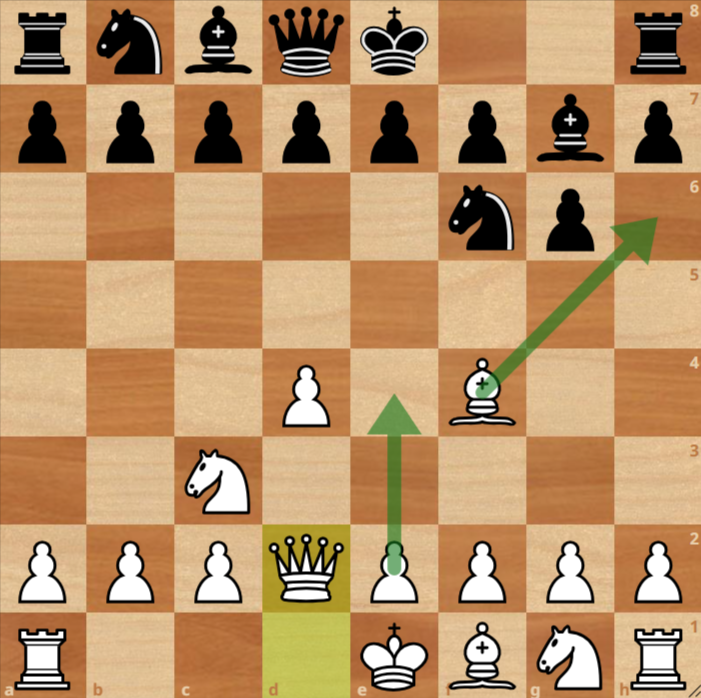
This approach is not just theoretical; it has been employed by strong grandmasters like Levon Aronian and Maxime Vachier-Lagrave, and even Magnus Carlsen has experimented with these aggressive London lines.
One particularly exciting weapon against setups where Black plays …d5 to prevent e4 is the move h4. This simple pawn push leads to sharp attacking chances, especially if Black castles kingside. In some lines, a rook sacrifice on h5 can open the h-file and create devastating mating threats. Database analysis shows that at deep engine depths, these positions can win for White.
Additional Tips and Variations
While many beginners play the London System calmly, there are plenty of ways to spice it up and make it more challenging for your opponents if they want to deviate as early as move 1 by trying to play the Dutch:
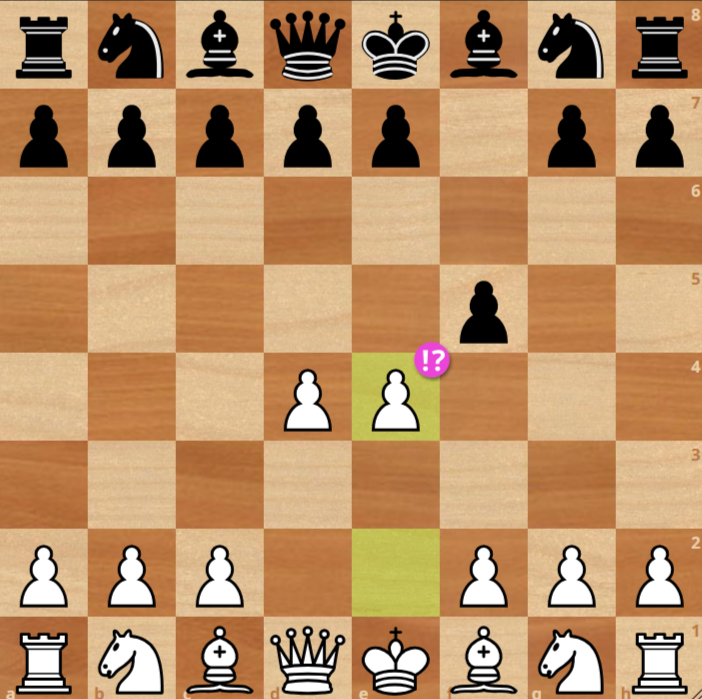
Staunton Gambit against the Dutch Defense: If Black opts for the Dutch Defense, you can consider the aggressive Staunton Gambit, aiming for a quick e4 breakthrough and kingside attack.
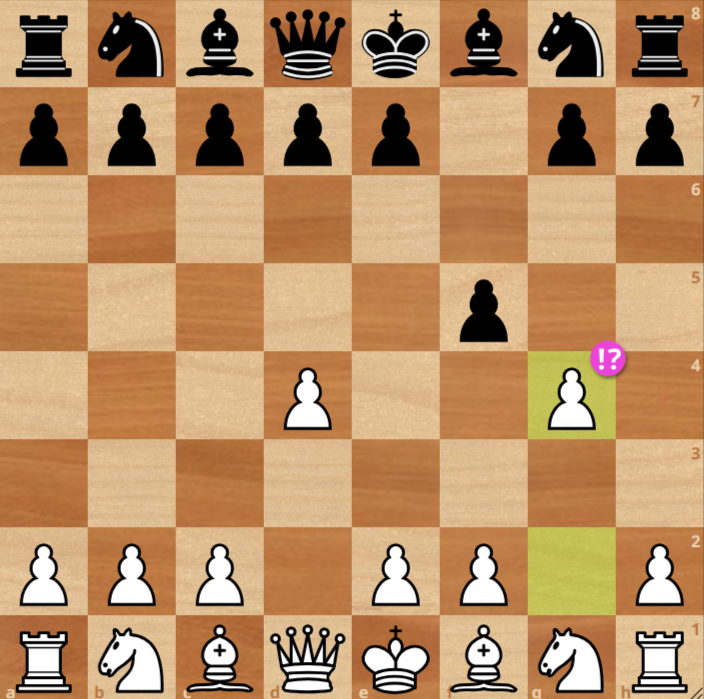
Krejcik Gambit: White also plays this sharp line against Dutch systems, using 2.g4 to take over center control and target the exposed Black king via the h5-e8 diagonal or the h-file.
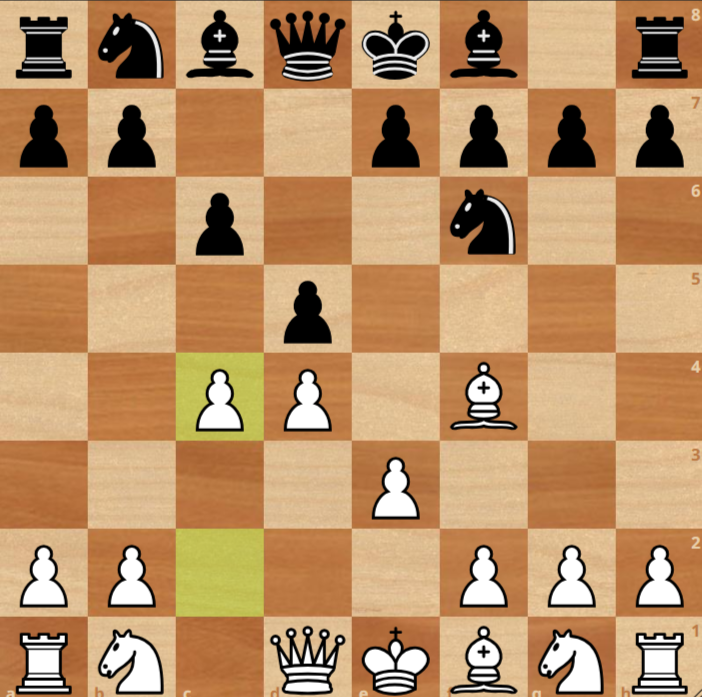
If Black doesn’t play c5 to challenge your d4 pawn and imagine you have not yet pushed your c2 pawn. In such scenarios, push your c pawn to c4 instead of passively playing c3. When you have time to grab some space on the Queenside, why not do it!
Conclusion: Make the London System Work for White!
The London System for White is far from boring or lazy when you understand its underlying ideas and plans. By paying close attention to your opponent’s setup and responding flexibly—whether through delaying Knight f3, using early Knight c3 tricks, or launching aggressive pawn storms on the kingside—you can transform this opening into a dynamic and powerful weapon.
Remember, control of the e5 square is crucial, and timely pawn breaks like f4-f5 can dictate the course of the game. Use your bishops actively, coordinate your queen and knights, and be ready to castle on either side depending on the situation.
If you’re rated around 1700 or higher, incorporating these ideas into your London System repertoire will help you punish opponents who underestimate the opening and elevate your overall chess performance. Most Black players approach the game assuming the London is passive, leading to lethargy and carelessness—an psychological edge the White player can exploit.
Chess is a game of creativity and adaptation, and the London System offers a rich playground for both. By moving beyond the stereotypes and embracing its strategic depth, you’ll find that the London is anything but boring—it’s an exciting, flexible, and potent weapon in your chess arsenal.
Happy playing, and may your London System games be full of pressure, tactics, and victories!
Now that you understand the London System, see how Black players counter it: Master the King’s Indian response here.”
“Want to understand Black’s aggressive alternatives? Explore the Dutch Defense against the London.”
“Comparing White strategies? Learn the dynamic approach with 1. e4.”