

Chess openings can often feel overwhelming, especially when you’re just starting out or trying to improve your game.
However, understanding the fundamental principles behind openings can give you a significant advantage.
Mastering basic chess openings builds a strong foundation at any level. In this article.
As Grandmaster Priyadharshan Kannappan, FIDE Trainer and founder of Chess Gaja Academy, I have mentored thousands of students to simplify the complexities of the opening phase into clear, actionable principles.
Success begins with a firm grasp of fundamental development. No matter your rating, don’t get lost in dense engine variations.
In this guide, I break down the most essential openings for all levels, explaining the “why” behind every move so you can start your games with absolute confidence and strategic clarity.
Starting Strong: The Basics of Chess Openings
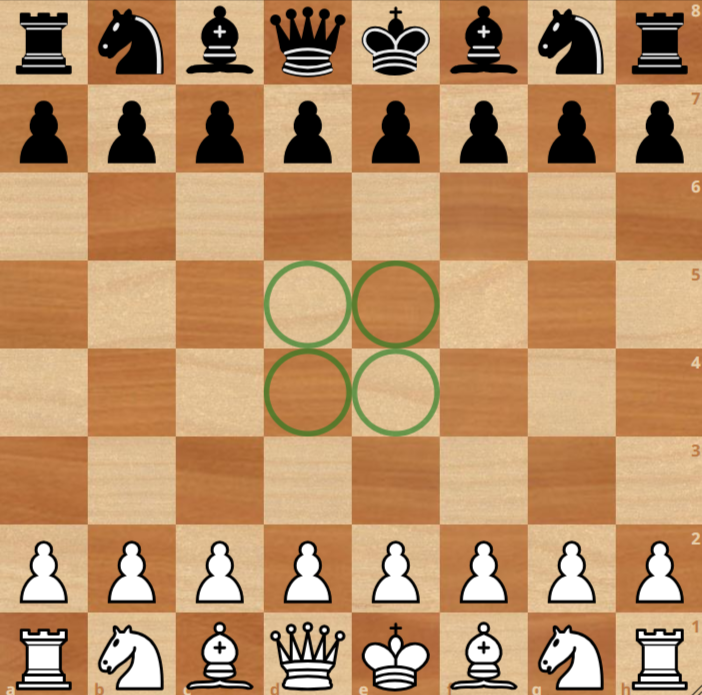
At the very beginning of any chess game, the goal is to control the center of the board.
This is typically done by moving one or two pawns to the center squares (d4, e4, d5, e5). Controlling the center gives your pieces more mobility. The more control you have, the easier it is to dictate the game’s flow.
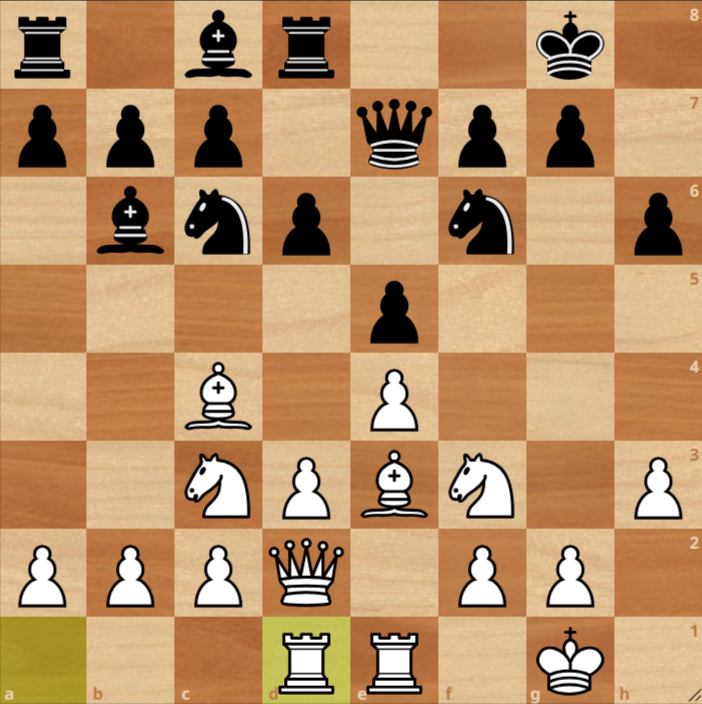
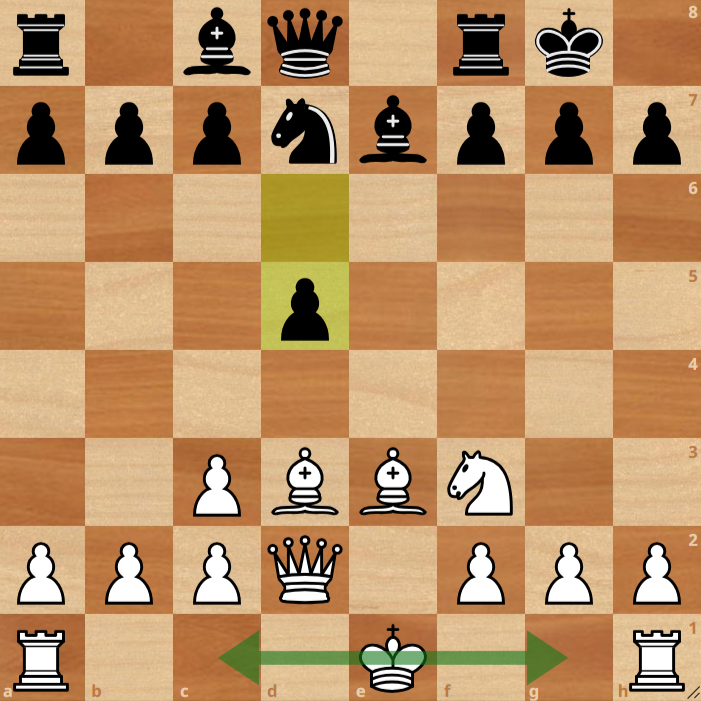
After establishing your pawns in the center, the next step is to develop your knights and bishops quickly. Furthermore, this rapid development helps you prepare for the middlegame. For example, a common and effective sequence for White is:
- Move the king’s pawn to e4
- Develop the knights to f3 and c3
- Move the bishop out before pushing the pawn that would block it
- Castle your king to safety (either kingside or queenside)
- Connect your rooks by moving the queen, preparing them to control central files
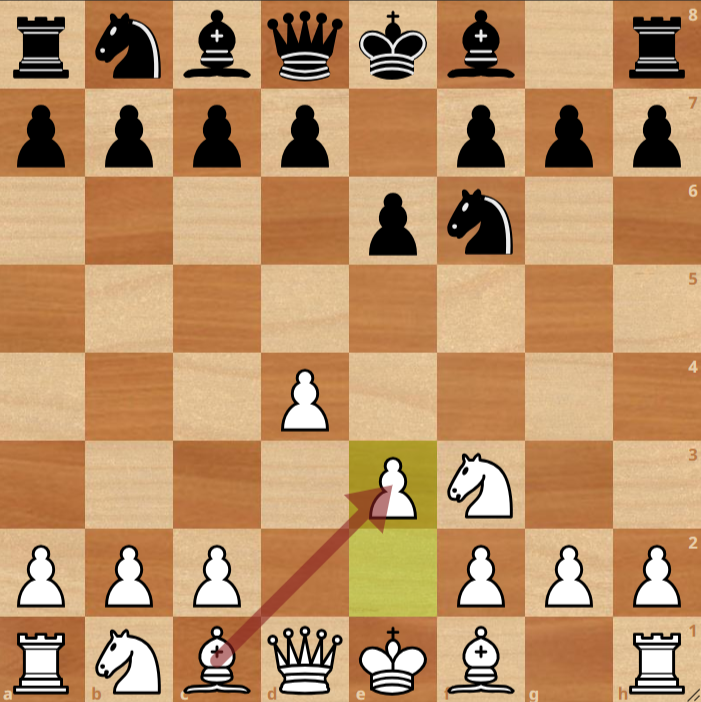
Avoid blocking your bishops too early. Specifically, playing e3 before developing your dark-squared bishop traps it on c1. This heavily limits its scope.
For instance, if you move your pieces without care, you might accidentally block your own bishops. Always ensure your central pawns clear paths for your pieces rather than trapping them.
Castling is also an important strategic move. While many players castle kingside, queenside castling is a viable option depending on your position and style of play.
Both options aim to safeguard your king and bring your rook into the game.
Essential Chess Openings for Black: Reacting with Purpose
When playing Black, your opening strategy is often reactive. This happens because White moves first and sets the tone. However, your goal remains the same: control the center, develop your knights and bishops, and ensure your king’s safety.
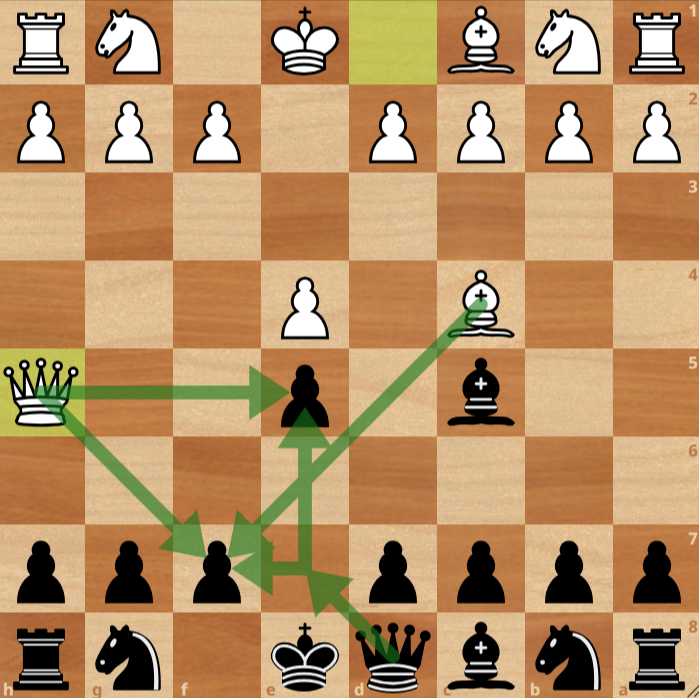
One of the classic threats Black must be prepared for is the Scholar’s Mate, a quick four-move checkmate attempt exploiting weaknesses around the king.
To defend against such traps, it’s essential to develop with purpose. For instance, meeting 1.e4 e5 2.Bc4 or 2.Qh5 with an early …Nc6 protects your central pawn. Consequently, you can block the queen’s attack safely with …g6 while developing your knights.
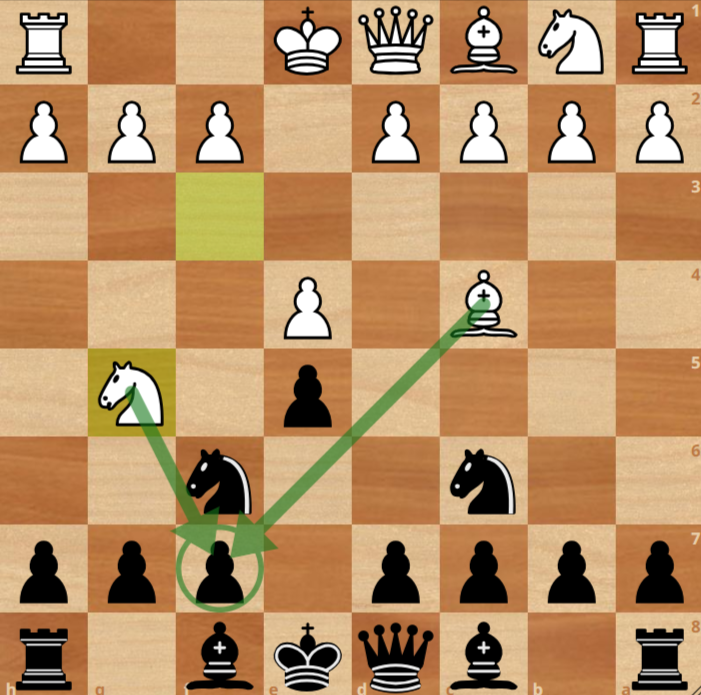
White might also try the Fried Liver Attack. This opening uses an aggressive knight sacrifice to break Black’s position early. Beginners should explore this line to learn how to defend against it effectively.
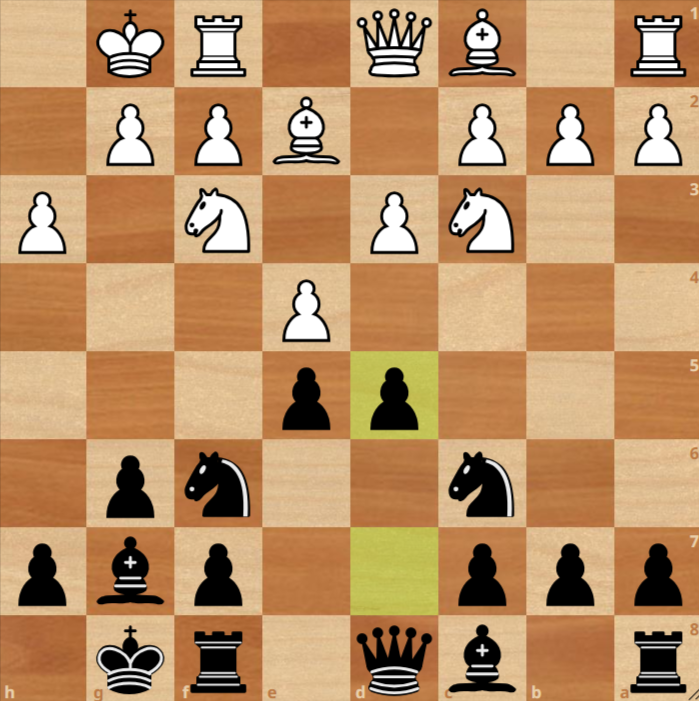
Black’s opening moves might look like this:
- Develop knights to f6 and c6
- Fianchetto the bishop with moves like g6 and Bg7
- Castle kingside to secure the king
- Prepare pawn breaks in the center such as d5 or e5 when the time is right
You will be well-equipped to handle various White opening strategies by mastering these fundamental reactions and development principles.
Mastering Intermediate Chess Openings: Setup-Based vs. Theory-Based
Once you’ve grasped the basics, it’s time to level up your opening game by understanding two distinct types of openings:
Setup-Based Openings
Setup-based chess openings rely on a fixed arrangement of pieces and pawns that you aim to achieve regardless of what your opponent plays.
These openings are especially useful for beginners and intermediate players because they reduce the amount of theory you need to memorize.
Examples of setup-based openings include:
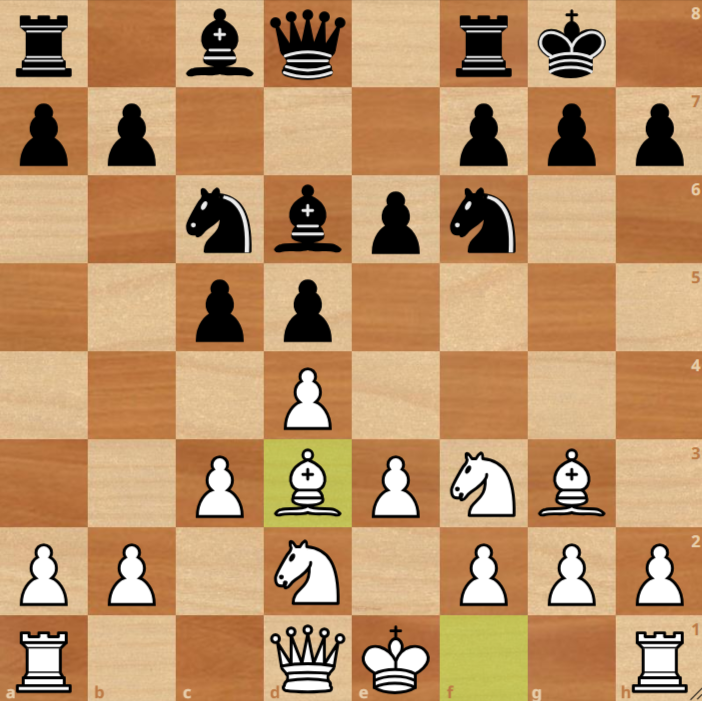
The London System (Queen’s Pawn Opening): Here, White plays d4, Nf3, Bf4, e3, and develops the knights and bishops into a solid pawn structure.
White can use this setup against almost any Black response. Therefore, it is highly recommended for players who want flexibility and solidity without memorizing heavy theory.
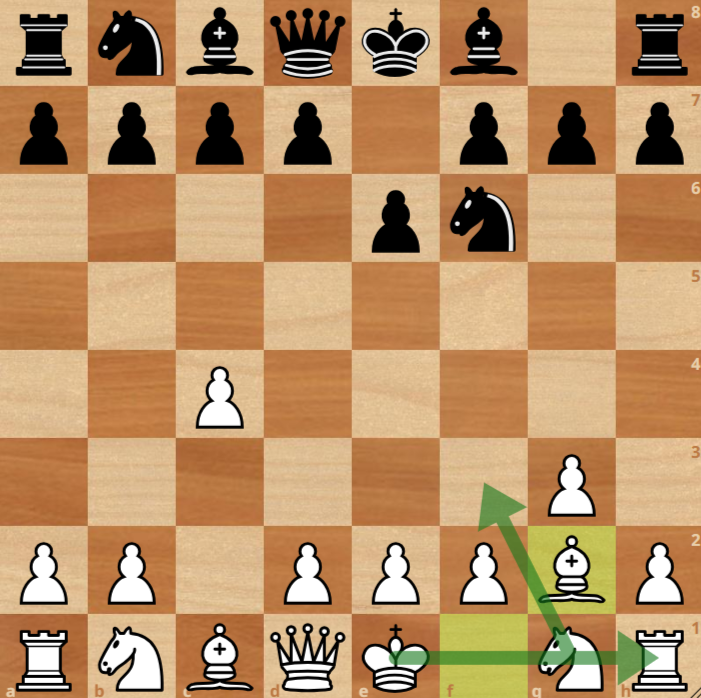
The English Opening: Starting with c4, followed by g3 and Bg2, White aims for a fianchettoed bishop controlling the long diagonal. This opening focuses on controlling the center indirectly and building a strong pawn structure.
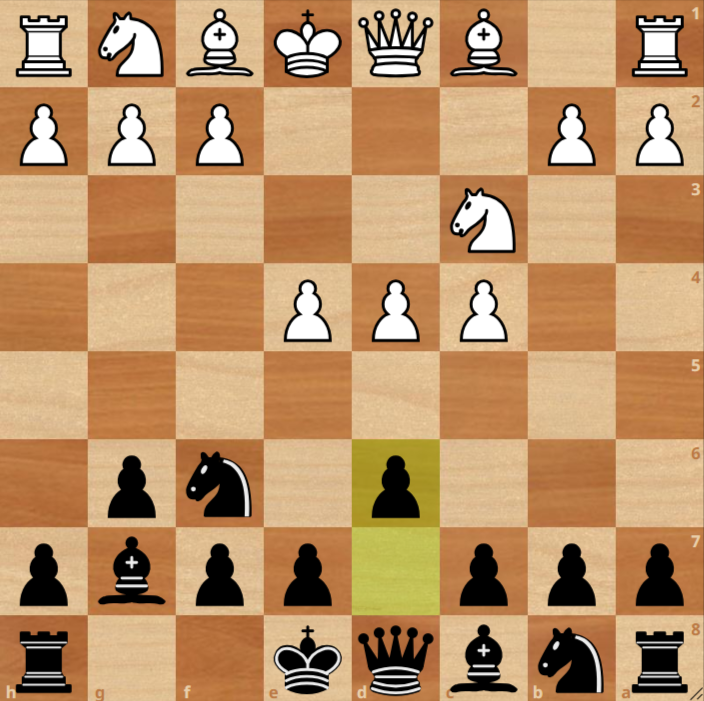
The King’s Indian Setup (for Black): Black plays d6, Nf6, g6, and Bg7, followed by castling kingside.
This versatile setup allows Black to play against a wide range of White openings, making it a practical choice for players who want a consistent opening repertoire.
Setup-based openings let you focus on middlegame strategy instead of memorizing lines. They also make it much easier to handle unexpected opponent moves.
Theory-Based Openings
Theory-based openings require more in-depth study because you need to know the best responses to your opponent’s moves.
These openings often have well-established “main lines” — sequences of moves that grandmasters have extensively analyzed and played.
For example, when playing 1.e4 as White, you must be ready to face several popular defenses from Black, such as:
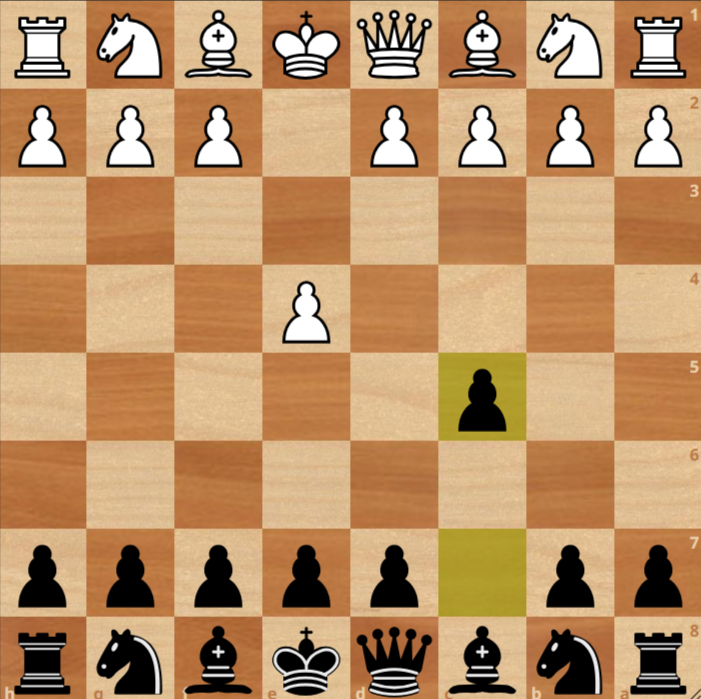
- The Sicilian Defense (1…c5): The most popular and aggressive response, leading to many complex variations.
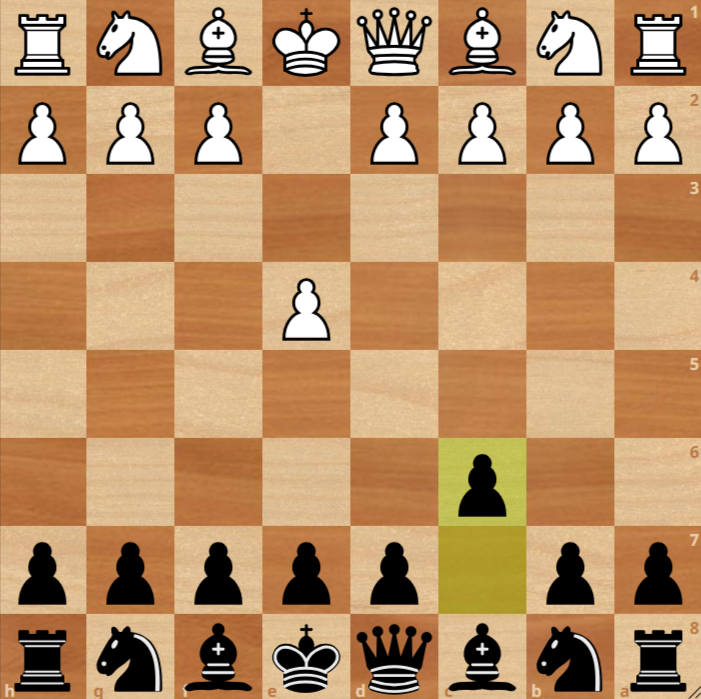
- The Caro-Kann Defense (1…c6): A solid and defensive setup. In contrast to other lines, it prioritizes a rock-solid pawn structure early on.
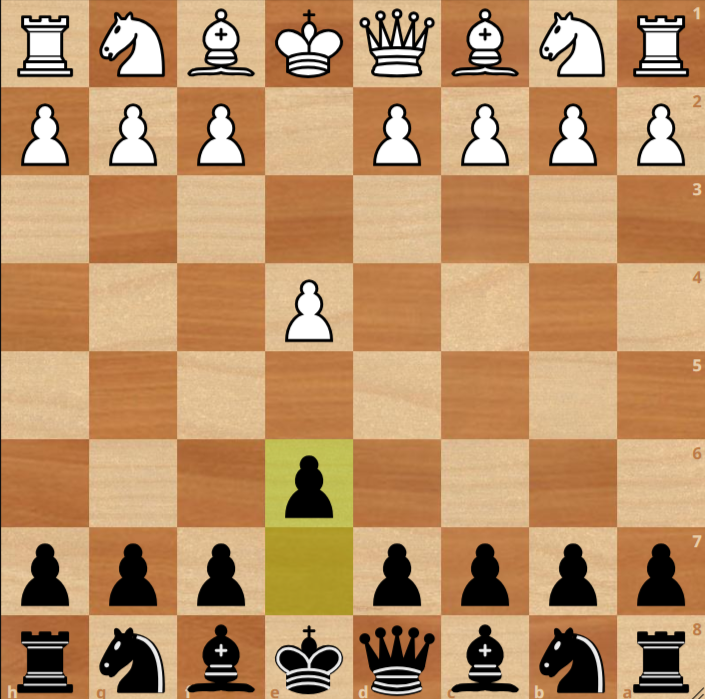
- The French Defense (1…e6): A strategic opening focusing on counterattacking the center. However, it can sometimes result in a cramped light-squared bishop for Black.
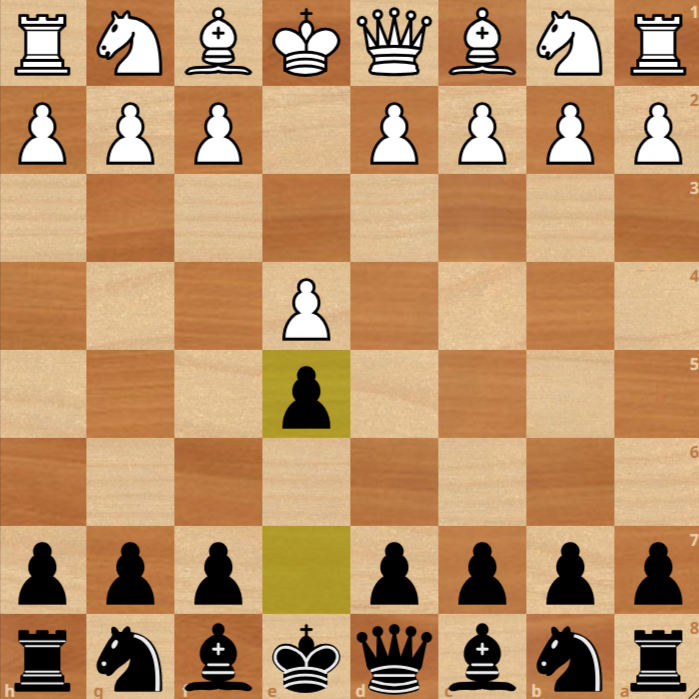
- The King’s Pawn Game (1…e5): Classical open games that can lead to multiple well-known openings like the Ruy Lopez or Italian Game.
Studying these lines requires the right tools. You can use books, online courses, or popular databases like Chessable, Chess.com, and Lichess.
As you transition from the intermediate to the advanced level, investing time in learning specific lines and variations will pay off significantly, especially when guided by professional coaching in our online chess classes.
Practical Tips for Black’s Opening Repertoire
Playing Black can be challenging because you are responding to White’s first move. However, you can simplify your study. Choosing versatile opening setups makes your gameplay much easier.
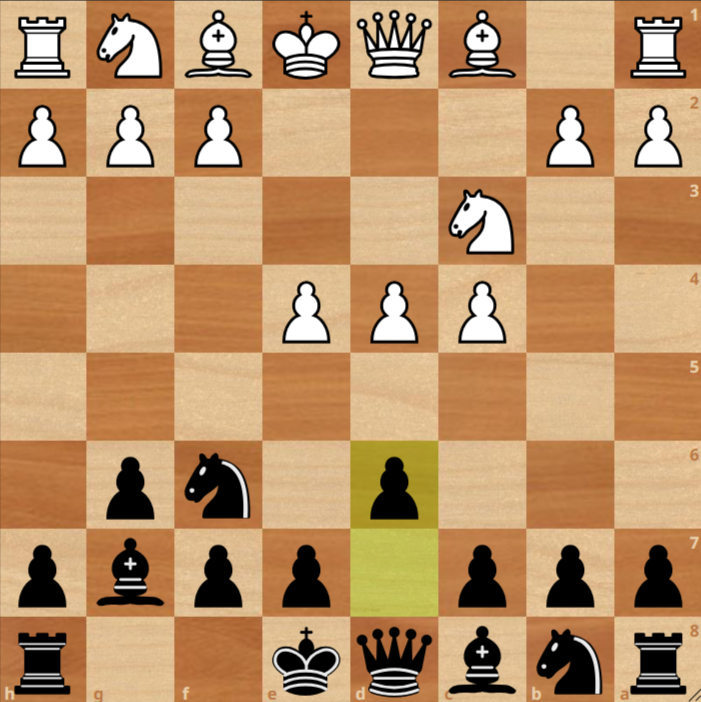
The King’s Indian Defense: As mentioned earlier, this setup with moves like d6, Nf6, g6, and Bg7 can be employed against almost any White opening. It’s flexible and allows you to develop your pieces harmoniously.
The e6/b6 Setup: This is a more modern approach involving moves like e6 and b6 to fianchetto your bishop and control key squares. It’s less common but effective for players looking to surprise their opponents.
Use the e6/b6 setup as a surprise weapon. For your main repertoire, stick to mainstream mainlines like the Sicilian, Petroff, or Ruy Lopez.
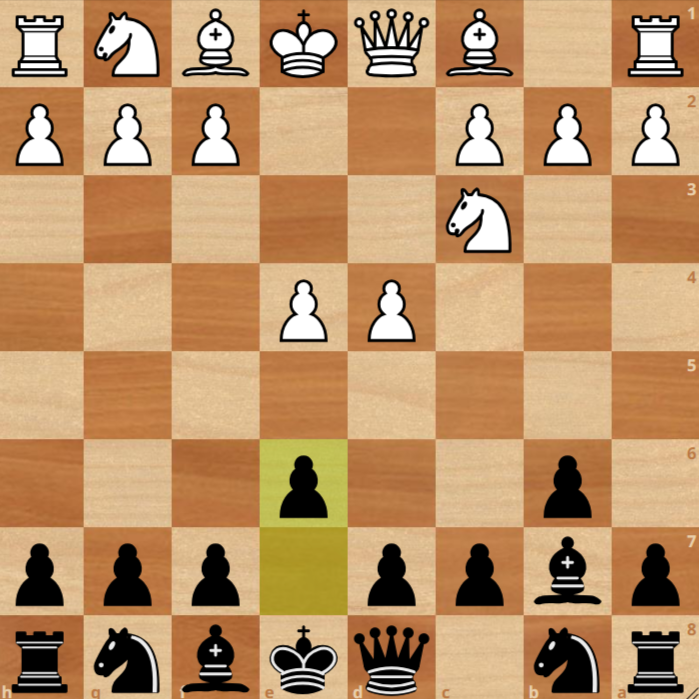
For players new to Black openings, focusing on one or two reliable setups like the King’s Indian Defense can simplify their preparation and help them gain confidence in their games.
Advanced Chess Openings: Going Beyond the Basics
Have you reached a 1700 or 1800 rating? At this high level, openings become a powerful weapon.
At this stage, you want to tailor your opening repertoire to your style and your opponents’ tendencies.
For instance, when playing 1.e4, you’ll often face the Sicilian Defense. Instead, you can avoid heavily analyzed main lines that might intimidate you. Instead, consider alternative variations like:
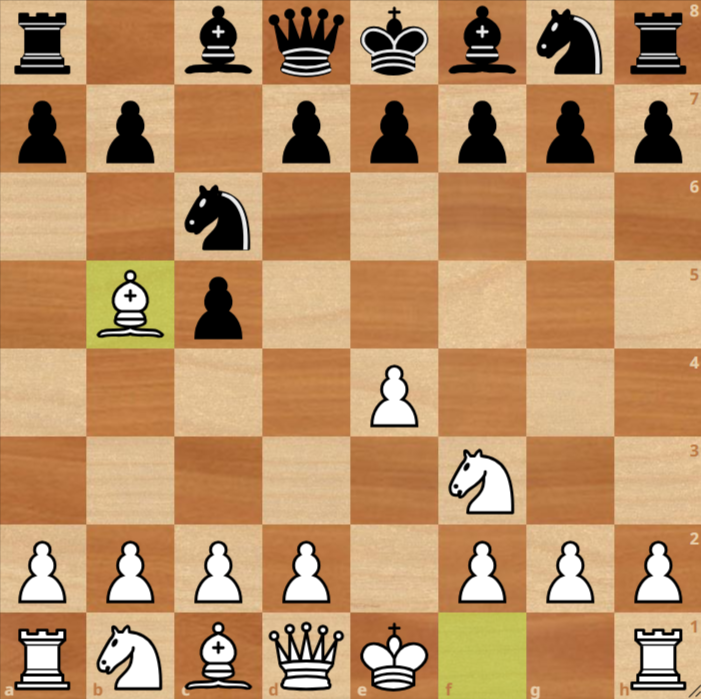
- The Rossolimo Sicilian: A variation focusing on quick development and piece activity.
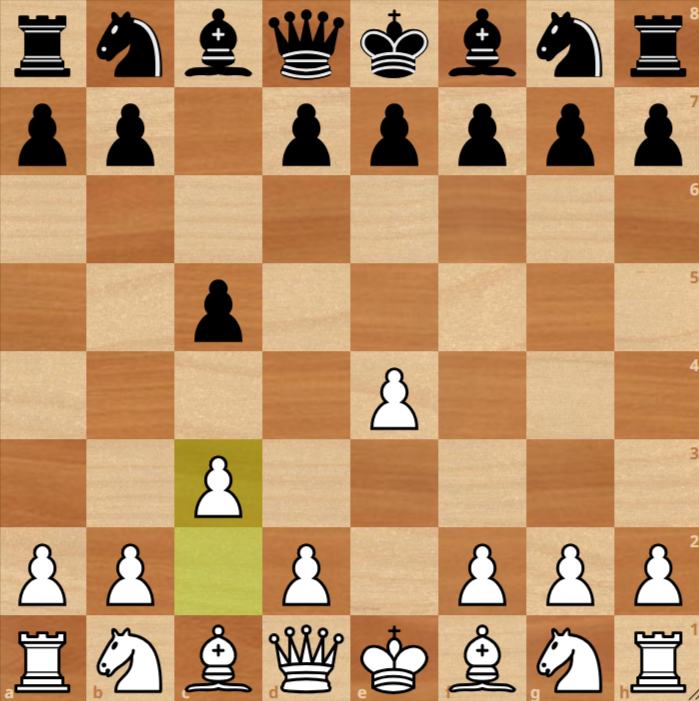
- The Alapin Sicilian: A less theoretical but strategically rich option.
- The Grand Prix Attack: An aggressive setup aiming for a strong kingside attack.
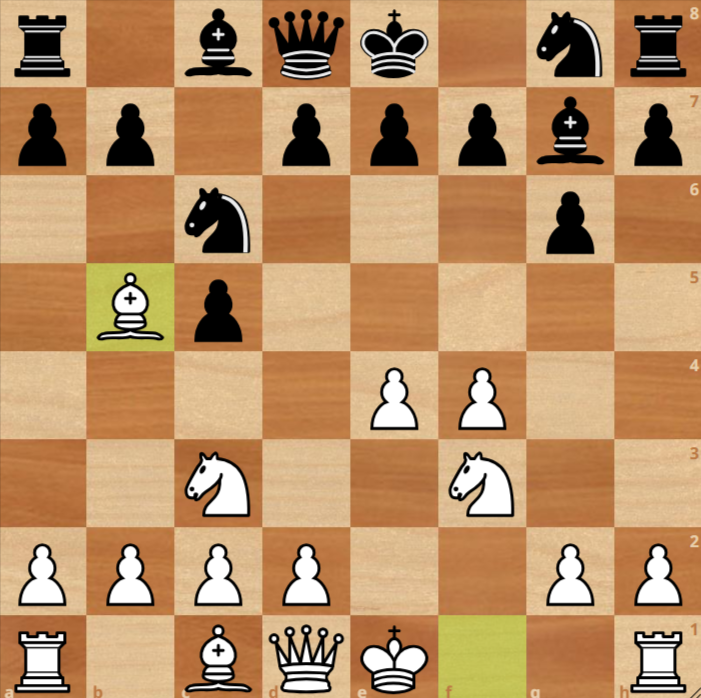
Exploring these variations allows you to avoid heavily analyzed main lines while still reaching playable and complex positions. This can give you a psychological edge over opponents who rely strictly on theory.
Final Thoughts and How to Continue Improving
Mastering chess openings is a journey, not a destination.
Are you a beginner trying to understand the basic principles? Or an advanced player refining your repertoire? Focusing on development, center control, and king safety will always serve you well.
To recap:
- Start with controlling the center using one or two pawns.
- Develop your knights and bishops quickly and efficiently.
- Castle early to protect your king and connect your rooks.
- Choose between setup-based openings for simplicity or theory-based openings for detailed preparation.
- For Black, consider versatile setups like the King’s Indian Defense to simplify your responses.
- Advanced players should explore alternative lines within popular openings to gain an edge.
If you’re interested in digging deeper into openings, there are plenty of resources available, from books and online courses to videos and live streams.
Make sure to practice regularly, analyze your games, and ask questions about openings that confuse you.
Remember, the opening phase sets the stage for the middlegame and endgame. A strong opening doesn’t guarantee a win. Nevertheless, it certainly puts you in a much better position to outplay your opponent.
So get out there, experiment with different openings, and enjoy the fascinating world of chess!
Wishing you the best in all your opening endavors!