
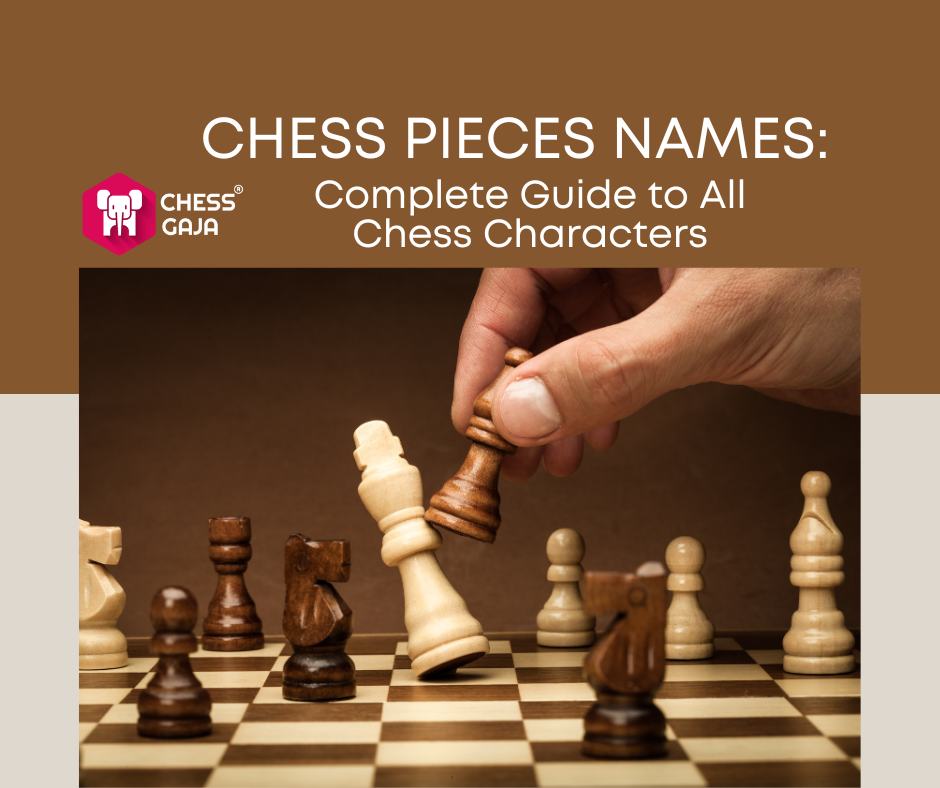
Ever wondered what those chess pieces are called? Learning chess pieces names is your first step to playing chess! This easy guide teaches you the name of every piece, what they look like, and how they move.
Why Learning Chess Pieces Names Matters
Before you can play chess, you need to know the name of chess pieces. Once you know their names, you can:
- Understand how each piece moves
- Follow chess lessons and videos
- Talk about chess with other players
- Read chess books and articles
- Play chess confidently online and offline
I am Priyadharshan Kannappan, a Chess Grandmaster and FIDE Trainer, and I vividly remember that I learnt the name of the chess pieces properly for the first time when I was 6 years old. In this article, I will explain the easiest way you can figure out how to remember the chess pieces as beginner chess player.
All Chess Pieces Names
There are 6 different types of chess pieces, and each player gets 16 pieces total.
Here are all chess pieces names:
- King (1 per player)
- Queen (1 per player)
- Rook (2 per player)
- Bishop (2 per player)
- Knight (2 per player)
- Pawn (8 per player)
Chess Piece Names and How They Look
1. The King
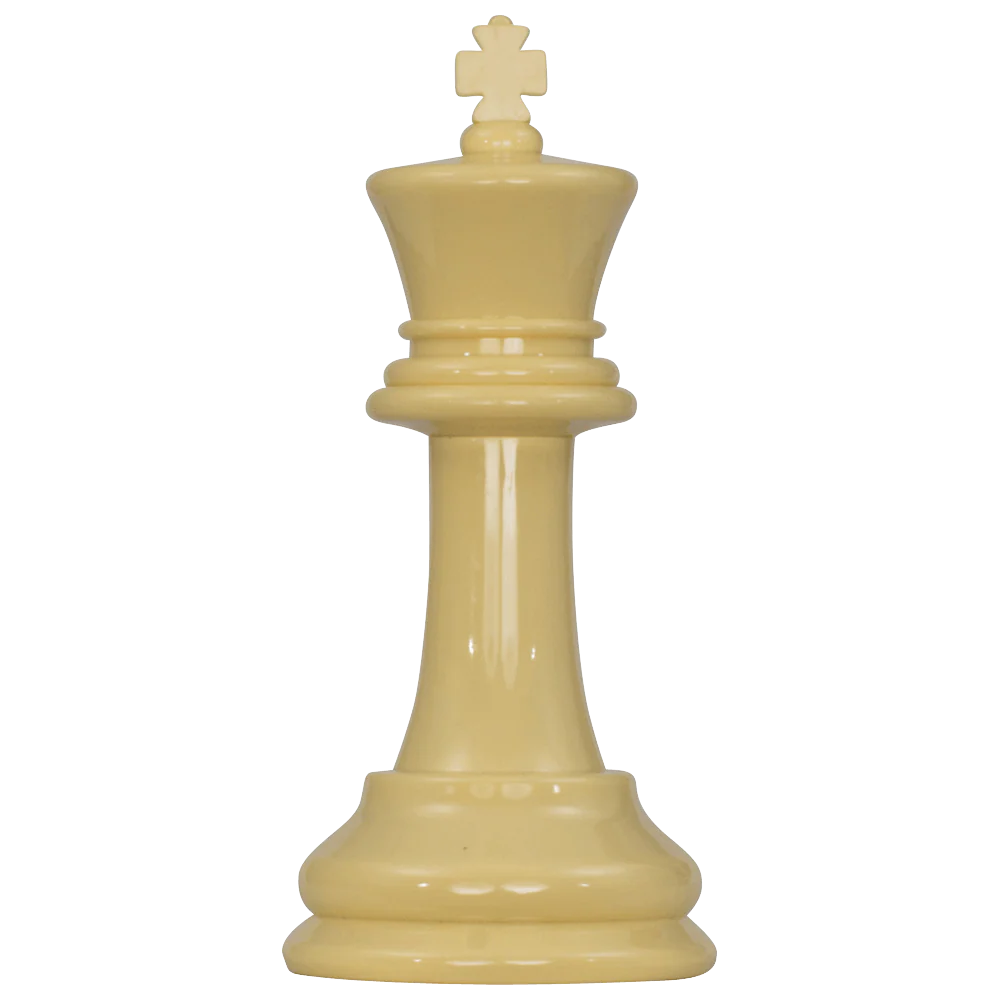
What it looks like: Tallest piece with a cross on top
The King is the most important piece in chess! If your King gets trapped (called checkmate), you lose the game. The King can move one square in any direction.
2. The Queen
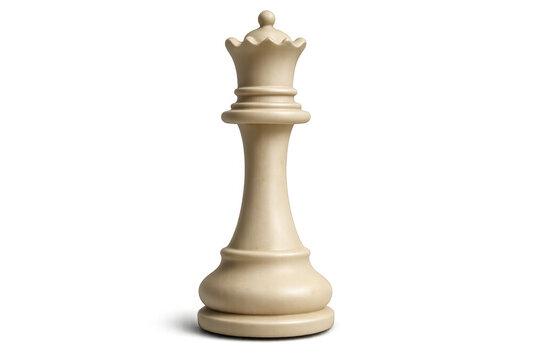
What it looks like: Second tallest piece with a crown (usually with small points)
The Queen is the most powerful piece! She can move any number of squares in any direction—forward, backward, sideways, or diagonally.
3. The Rook
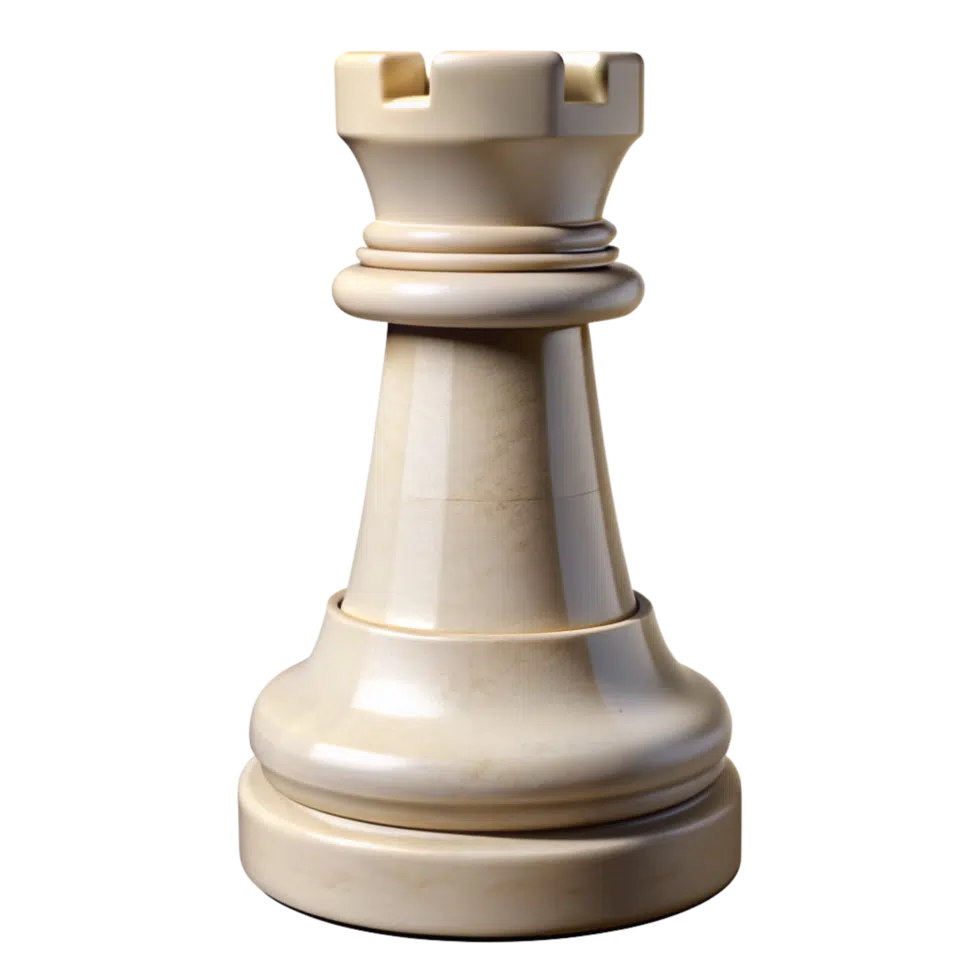
What it looks like: Looks like a castle tower with battlements on top
Rooks are strong pieces that move in straight lines. They can go forward, backward, or sideways as many squares as you want (but not diagonally).
4. The Bishop
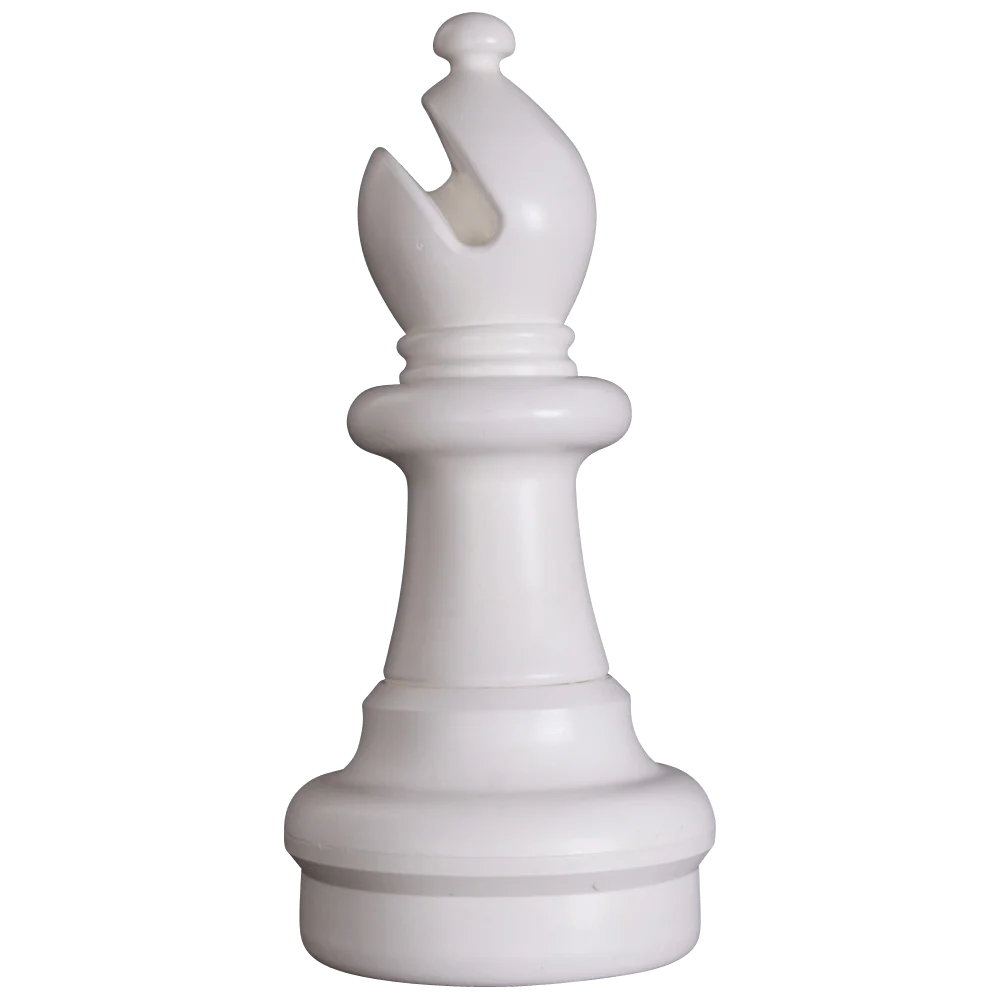
What it looks like: Has a pointed top (like a bishop’s hat)
Bishops move diagonally across the board. Each Bishop stays on either light or dark squares for the whole game.
5. The Knight
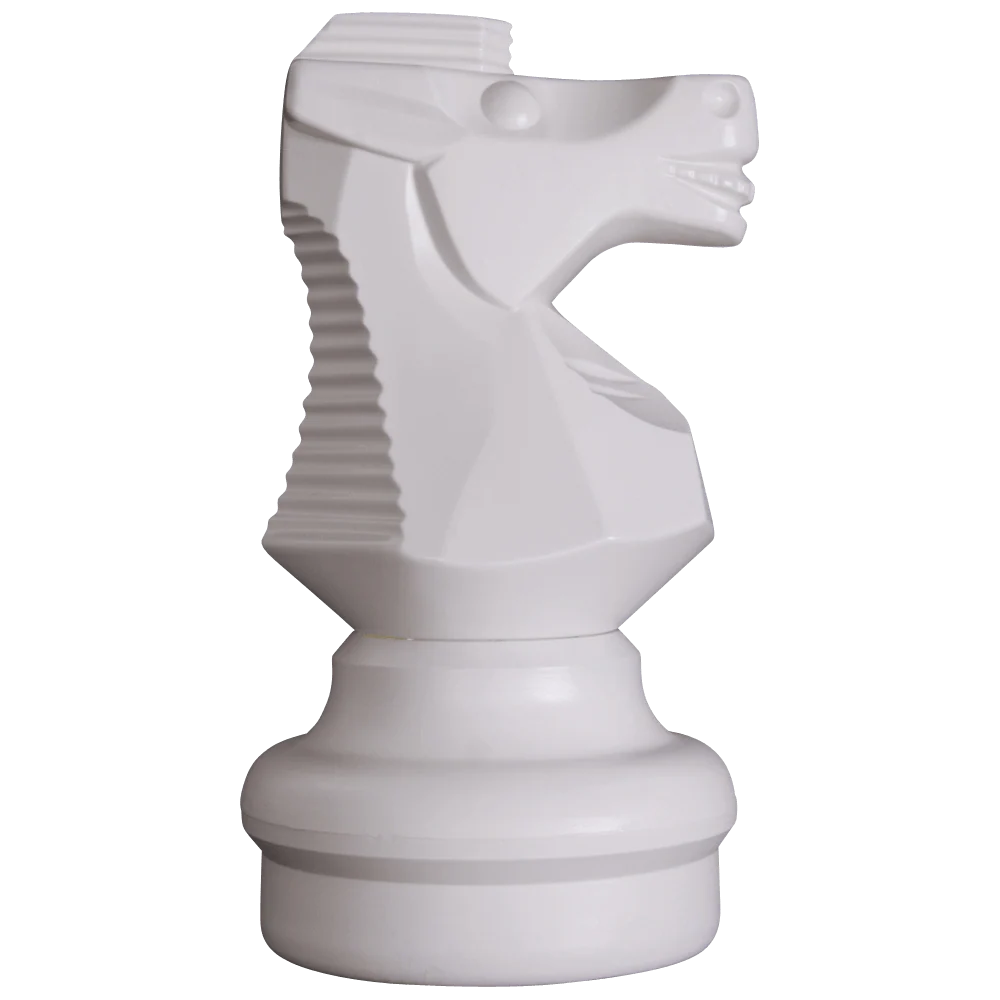
What it looks like: Shaped like a horse’s head
Knights are special! They move in an “L” shape—two squares in one direction, then one square to the side. Knights can also jump over other pieces!
6. The Pawn
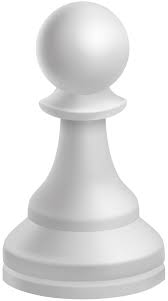
What it looks like: Smallest piece with a round top
Pawns are your chess soldiers. They move forward one square at a time (or two squares on their first move). Pawns capture diagonally.
Chess Characters Names – Quick Reference
When people ask about chess characters name or chess elements name, they’re talking about the same six pieces!
Easy way to remember:
- Royal pieces: King and Queen (1 each)
- Big pieces: Rooks, Bishops, Knights (2 each)
- Little soldiers: Pawns (8 total)
Chess Board Pieces Names by Row
Want to know where each piece starts? Here’s the chess board pieces names in their starting positions:
Back Row (from left to right for White):
Rook → Knight → Bishop → Queen → King → Bishop → Knight → Rook
Front Row:
All Pawns (8 pieces in a line)
Remember: Queens start on their own color (white Queen on light square, black Queen on dark square).
Chess Pieces Names and Moves Chart
| Piece Name | How It Moves | Special Ability |
| King | One square any direction | Under the Special Ability column for the King, add: “Can perform a special double-move called Castling with the Rook. |
| Queen | Any direction, any distance | Most powerful piece |
| Rook | Straight lines (up, down, sideways) | Can castle with King |
| Bishop | Diagonally only | Stays on same color squares |
| Knight | L-shape (2+1 squares) | Only piece that jumps over others |
| Pawn | Forward one square | Captures diagonally; When a Pawn reaches the 8th rank, it can undergo Promotion to become a Queen, Rook, Bishop, or Knight. Most players choose a Queen because it is the strongest! |
Names of Chess Pieces in Different Languages
Chess pieces names change around the world, but the pieces are the same!
English: King, Queen, Rook, Bishop, Knight, Pawn
Spanish: Rey, Reina, Torre, Alfil, Caballo, Peón
French: Roi, Dame, Tour, Fou, Cavalier, Pion
German: König, Dame, Turm, Läufer, Springer, Bauer
No matter what language you speak, the pieces work the same way!
Chess Figures Names – Fun Facts
Fun Fact #1: The Pawn Power
Even though Pawns are the smallest, they’re super special! If a Pawn reaches the other side of the board, it can become any piece you want—usually a Queen!
Fun Fact #2: Knight Moves
The Knight is the only piece that can jump! It doesn’t matter what’s in the way—Knights hop right over.
Fun Fact #3: The Queen’s Power
The Queen is the most powerful piece because she combines the power of a Rook and a Bishop. However, remember that she cannot jump over other pieces—only the Knight has that special power!
Fun Fact #4: Rook’s Name
In some languages, the Rook is called “castle” or “tower” because of how it looks!
Teaching Kids Chess Pieces Names
Want to teach children chess piece names? Make it fun!
Try these games:
- Name That Piece: Hold up pieces and have kids shout the name
- Story Time: Create stories about each piece’s adventures
- Memory Match: Match piece names to pictures
- Setup Race: Who can set up the board correctly fastest?
Even 4-year-olds can learn all chess pieces names with practice!
Chess Components Name – Point Values
Want to know how valuable each piece is? Here’s what chess players use:
- Pawn = 1 point
- Knight = 3 points
- Bishop = 3 points
- Rook = 5 points
- Queen = 9 points
- King = Priceless! (You can’t lose your King)
Understanding piece values helps you make smart trades during games.
Common Mistakes with Chess Pieces Names
Mistake #1: Calling everything “pawns”
A common mistake is calling every figure on the board a ‘pawn.’ In chess, we distinguish between Pieces (the King, Queen, Rooks, Bishops, and Knights) and Pawns (the foot soldiers).
Mistake #2: Mixing up Rook and Castle
While beginners often call this piece a ‘castle,’ that is technically incorrect. A Rook is the piece; Castling is a special move involving the King and the Rook. To speak like a pro, always use the term Rook.
Mistake #3: Confusing Bishop and Knight
Bishops are distinguished by their miter (pointy hat) and a small cleft. Knights are represented by a horse’s head, but remember: the official name is always the Knight.
Why Learn with Chess Gaja?
Now that you know chess pieces names and moves, you’re ready for the next step!Join Chess Gaja’s Online Chess Academy
What makes Chess Gaja special?
- Coaches available across all rating levels, from beginner to GM
- Advanced Learning Management System (LMS) for instant feedback, mobile alerts, and effortless tracking of classes
- Monthly parent-teacher meetings with GM Priyadharshan for progress updates
- Open to students of all ages worldwide
- Exclusive student newsletter with latest chess insights and tips
- Multiple monthly online tournaments to test skills in competitive settings
- Dedicated WhatsApp support team for quick assistance
- Over 5000 students from more than 40+ countries
With Chessgaja’s fully online platform, students can train comfortably from home, choosing times that fit their schedule without any travel hassles. This flexible, expert-driven approach delivers unmatched value and results for chess learners worldwide.
Contact Chessgaja: https://chessgaja.com/contactnew/
Website: https://chessgaja.com
Frequently Asked Questions
How many chess pieces are there total?
32 pieces total—16 white pieces and 16 black pieces.
What is the most important chess piece?
The King! If your King is trapped (checkmate), you lose the game.
Which piece is strongest?
The Queen is the most powerful piece because she can move in any direction for any distance.
Why are they called “pieces”?
They’re called pieces because they’re individual parts of your chess army. Some people also call them chess characters or chess figures.
Do I need to memorize all the names?
After playing a few games, the chess pieces names become automatic. Just start playing!
Can pieces have nicknames?
Yes! Some players call Rooks “castles,” and Pawns might be called “soldiers.” But learning official names helps!
Ready to Play?
Congratulations! You now know all chess pieces names, what they look like, and how they move. You’re ready to start your chess journey!
Remember the six pieces:
- King (protect at all costs!)
- Queen (your powerful helper)
- Rook (the castle)
- Bishop (moves diagonally)
- Knight (the jumping horse)
- Pawn (your brave soldiers)