
Want to learn chess but think it’s too hard? Good news! This simple guide teaches you everything you need to start playing today—no confusing words, just plain English!
- Why Learn Chess?
- What You Need to Play Chess
- Chess Rules for Beginners: The Basics
- How Each Chess Piece Moves
- The King (Most Important!)
- How to Play Chess Beginner Guide: Basic Rules
- How to Win at Chess: Three Ways
- Chess Play and Learn: Special Moves for Beginners
- How to Learn Chess Step by Step
- Chess Lessons for Beginners: Top Tips
- Common Beginner Mistakes to Avoid
- How to Practice Chess for Beginners
- Frequently Asked Questions
- Why Learn with Chess Gaja?
Why Learn Chess?
Chess is an amazing game for your brain! When you learn how to play chess for beginners, you get:
- Better problem-solving skills
- Improved memory and focus
- A fun hobby you can enjoy forever
- New friends in the chess community
- A game you can play anywhere, anytime
Kids as young as 4 years old can learn chess. Adults can start at any age. If you can learn the rules, you can play chess!
I am Priyadharshan Kannappan, a Chess Grandmaster and FIDE Trainer, and I vividly remember that I set up my chessboard fully and properly for the first time when I was 6 years old. In this article, I will explain the easiest way you can start playing chess as a beginner!
What You Need to Play Chess
Before learning how to play chess for beginners, gather these items:
- A chess board (has 64 squares—32 light and 32 dark)
- 32 chess pieces (16 white, 16 black)
- An opponent (or play against a computer to practice!)
That’s it! Simple, right?
Chess Rules for Beginners: The Basics
The Goal of Chess
Win by trapping your opponent’s King! This is called “checkmate.”
You’re NOT trying to capture all the pieces. You only need to trap the King so it can’t escape. That’s checkmate—you win!
Starting the Game
White always moves first. Then players take turns making one move at a time.
How Each Chess Piece Moves
Understanding piece moves is the most important part of chess for beginners. Let’s learn each piece:
The Pawn (Your Soldiers)
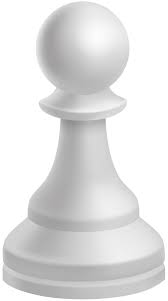
How Pawns move:
- Move forward one square
- On each individual pawn’s very first move of the game, it has the option to move forward two squares. After that, it may only move one square at a time
- Pawns capture diagonally (one square forward-left or forward-right)
- Pawns NEVER move backward
Special Pawn power: When a Pawn reaches the opposite end of the board, it becomes any piece you want (usually a Queen)!
The Rook (The Castle)
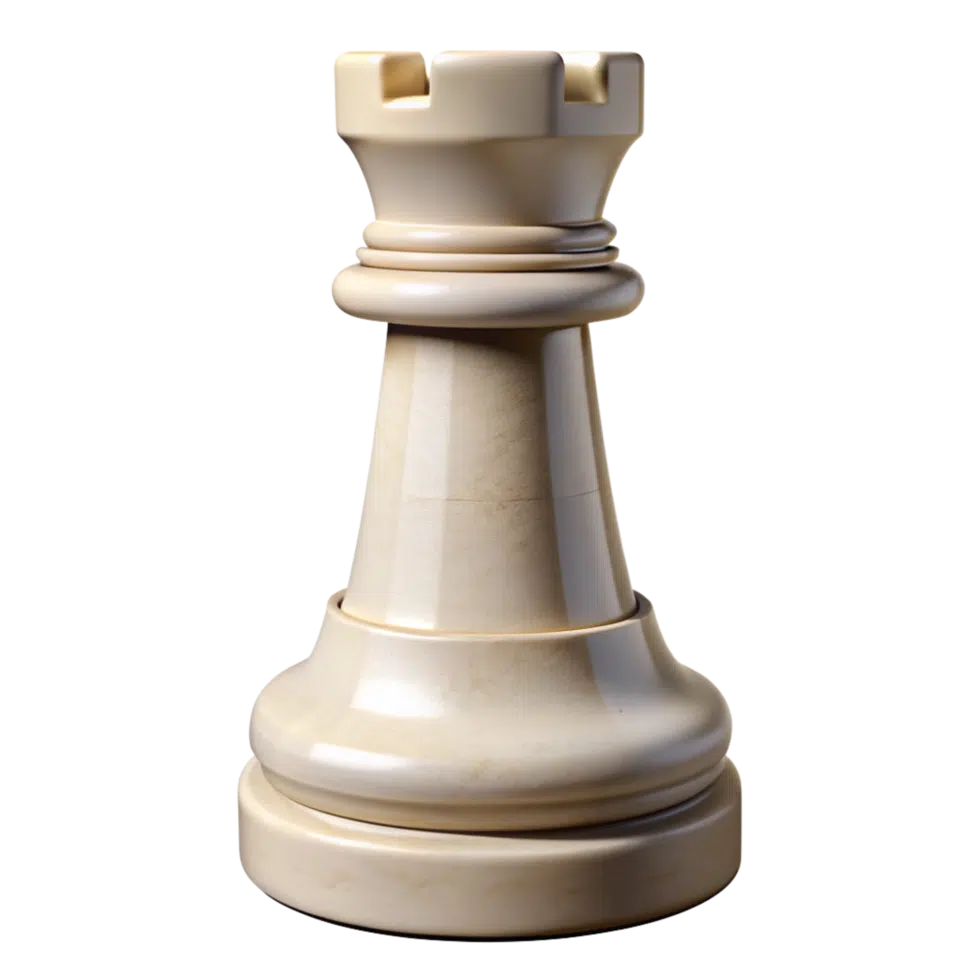
How Rooks move:
- Move any number of squares
- Only in straight lines (up, down, left, right)
- Cannot move diagonally
- Cannot jump over pieces
Rooks are powerful pieces worth 5 points!
The Knight (The Horse)
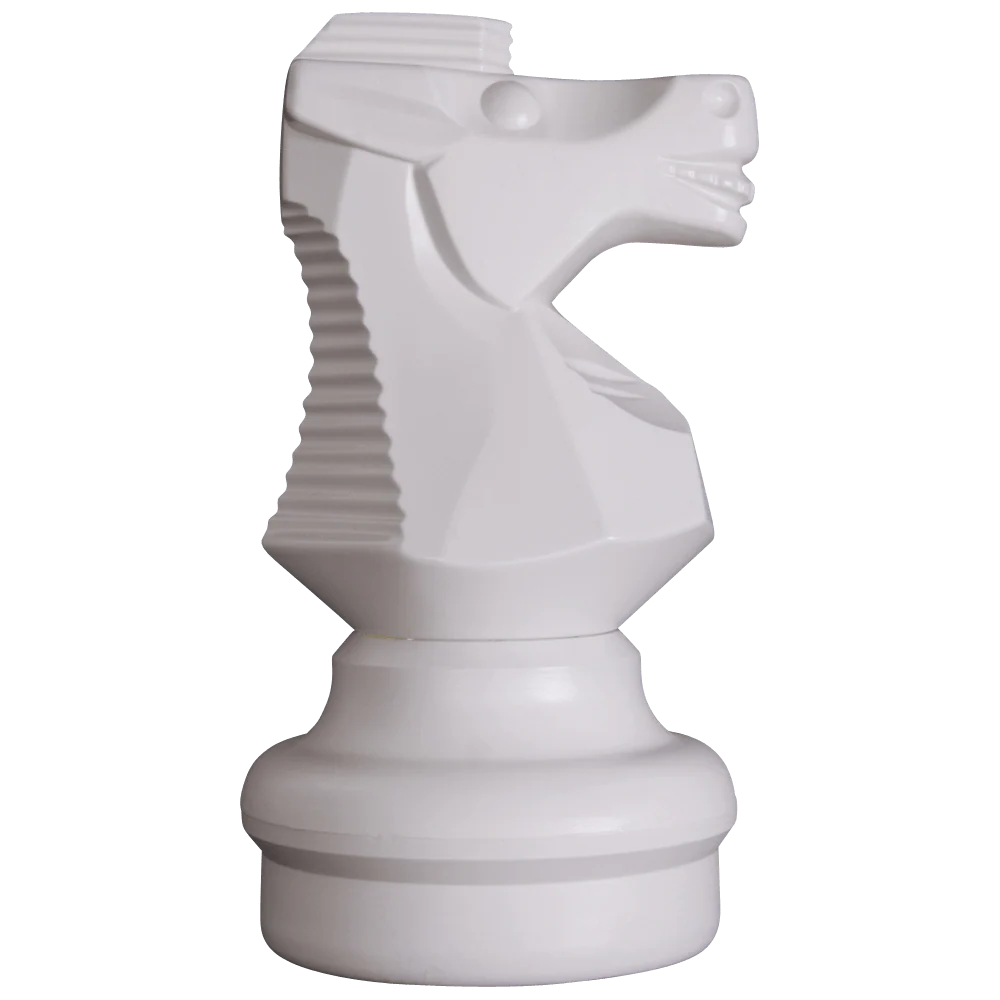
How Knights move:
- Move in an “L” shape: two squares in one direction, then one square to the side
- Only piece that can JUMP over other pieces
- Always lands on the opposite color square from where it started
Knights are tricky but fun! Worth about 3 points.
The Bishop
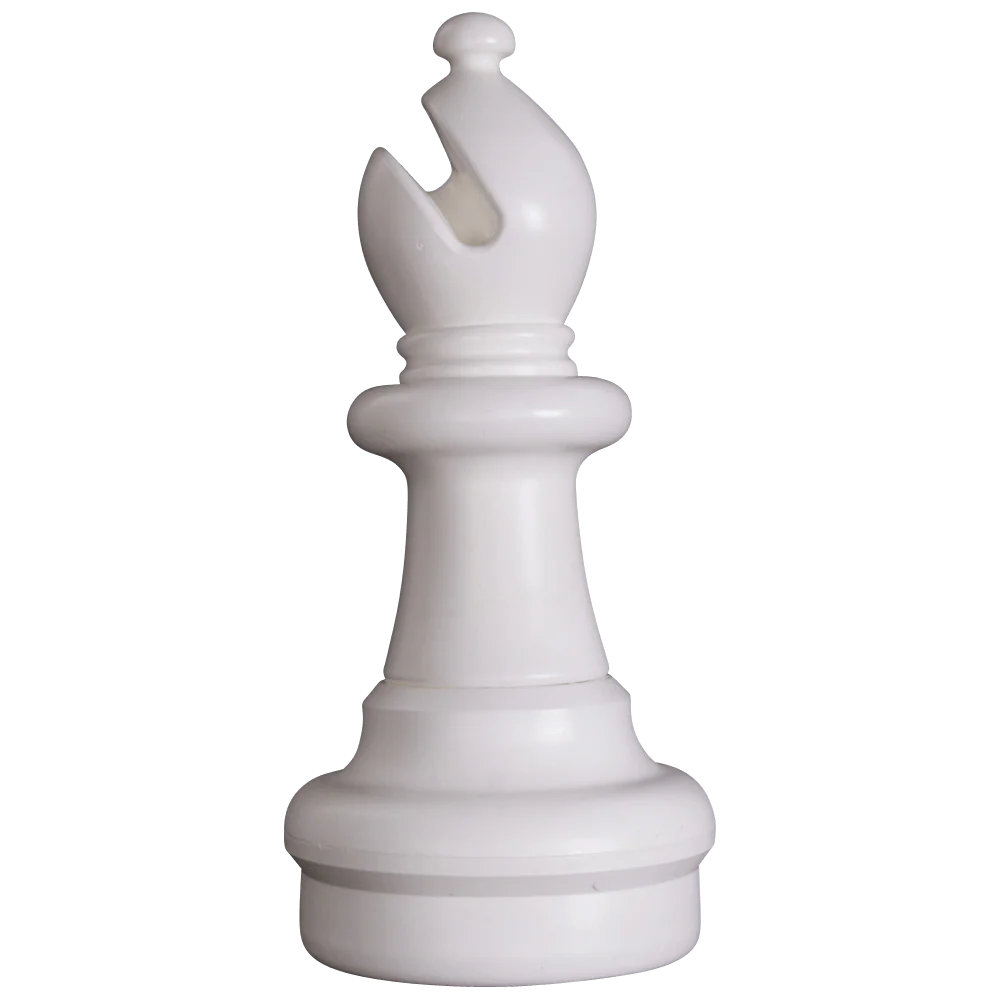
How Bishops move:
- Move any number of squares diagonally
- Stay on the same color squares (light or dark) the whole game
- Cannot jump over pieces
Each player has two Bishops—one on light squares, one on dark. Worth about 3 points.(Note: These point values are heuristic estimates used for evaluating material advantage—they’re not official chess rules.)
The Queen (Most Powerful!)
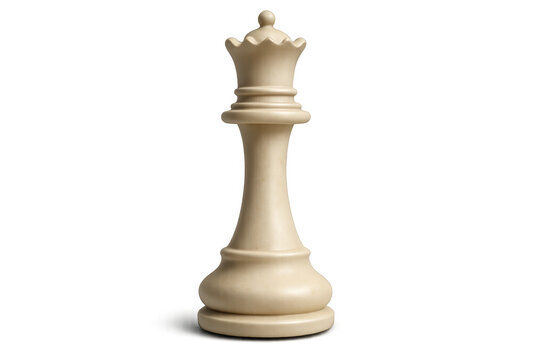
How the Queen moves:
- Moves any number of squares in ANY direction
- Combines the power of Rooks and Bishops
- Can move straight OR diagonally
- Cannot jump over pieces
The Queen is worth about 9 points—protect her!(Note: These point values are heuristic estimates used for evaluating material advantage—they’re not official chess rules.)
The King (Most Important!)
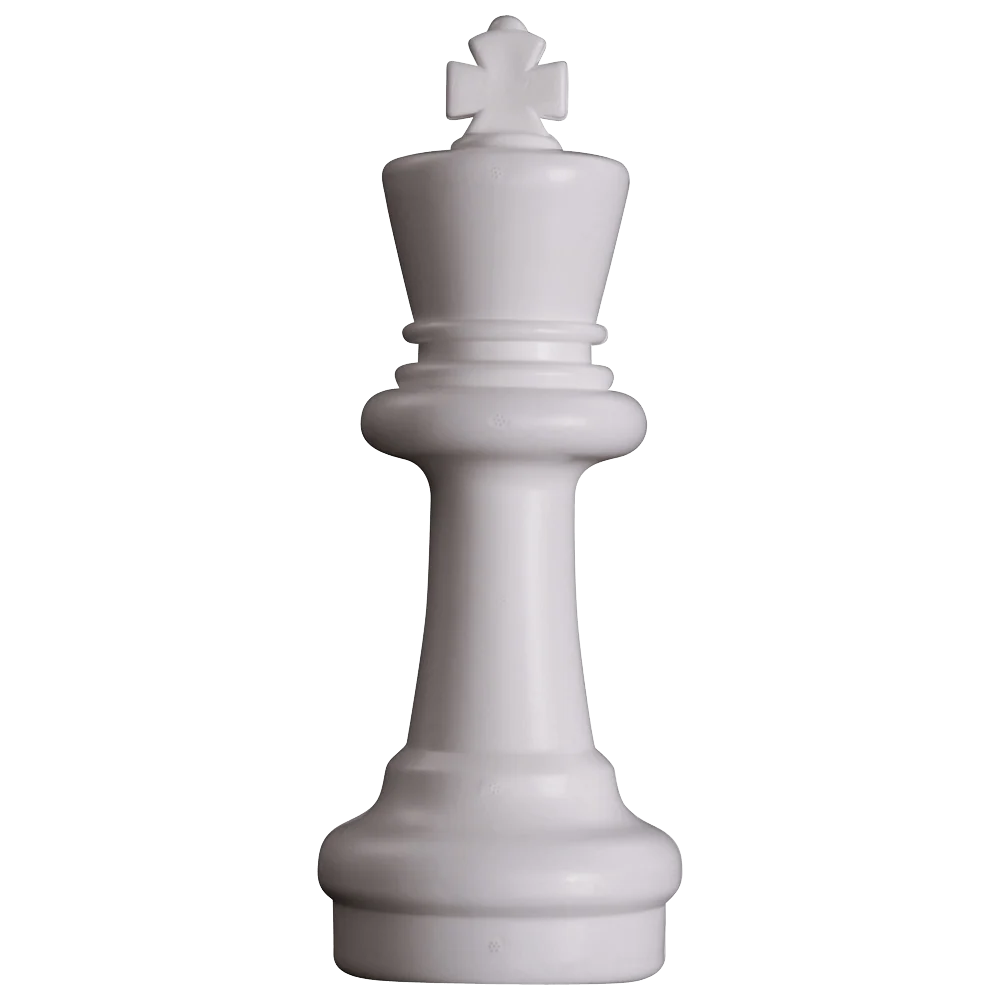
How the King moves:
- Moves one square in any direction
- The only piece you cannot let get captured
- The King is the only piece that is never captured. Instead, the game ends when the King is in ‘Checkmate’—meaning he is under attack and has no way to escape.
Important: The King can never move into danger (a square where an enemy piece can capture it).
How to Play Chess Beginner Guide: Basic Rules
Rule #1: Take Turns
White moves first, then Black, then White again. Keep taking turns until the game ends.
Rule #2: One Move Per Turn
You can only move ONE piece per turn (except for one special move called “castling”).
Rule #3: Capture by Replacing
When you capture an enemy piece, your piece takes its place on the board. The captured piece leaves the game.
Rule #4: You Must Get Out of Check
When your King is in danger (called “check”), you MUST:
- Move your King to safety, OR
- Block the attack with another piece, OR
- Capture the attacking piece
Rule #5: No Illegal Moves
- You can’t move into check (putting your own King in danger)
- You can’t ignore check
- You must follow how each piece moves
How to Win at Chess: Three Ways
Way #1: Checkmate (You Win!)
You trap the opponent’s King so it has no safe moves. Game over—you won!
Way #2: Your Opponent Resigns
Sometimes players resign (give up) when they know they’ll lose. You win!
Way #3: Time Runs Out
In timed games, if your opponent runs out of time, you win!
Games Can Also Be Draws (Ties)
Sometimes chess games end in a draw:
- Stalemate: It’s someone’s turn but they have no legal moves and their King isn’t in check
- Agreement: Both players agree to a draw
- Threefold Repetition: If the exact same position occurs three times with the same player to move, the game can be declared a draw.
- 50-move rule: 50 moves happen with no captures or Pawn moves
Chess Play and Learn: Special Moves for Beginners
Castling (Protects Your King)
Castling is a special move that uses your King and Rook together:
- Your King moves two squares toward a Rook
- That Rook jumps over the King and lands next to it
Rules for castling:
- Neither piece has moved
- No pieces are between them
- The King is not currently in check, does not pass through a square controlled by an enemy piece, and does not land in check
Castling keeps your King safe—important strategy!
En Passant (Special Pawn Capture)
This is a rare special Pawn capture. If an enemy Pawn moves two squares and lands next to your Pawn, you can capture it “in passing” as if it only moved one square. Important: you must use this capture immediately on your next move, or the right is lost.
Don’t worry if this seems confusing—you’ll rarely use it as a beginner!
Pawn Promotion
Choose a Queen almost every time because she is the strongest. However, you have the legal right to turn that pawn into a Rook, Bishop, or Knight if the strategy requires it!
How to Learn Chess Step by Step
Step 1: Learn the Setup
Set up your board with a light square in the bottom-right corner (‘White on Right’). Then, ensure the White Queen starts on a light square and the Black Queen starts on a dark square.
Step 2: Learn Piece Names
Know what each piece is called.
Step 3: Learn How Pieces Move
Practice moving each piece correctly.
Step 4: Understand the Goal
Remember: trap the King (checkmate), not capture all pieces!
Step 5: Play Practice Games
Start playing! Don’t worry about mistakes—they help you learn.
Step 6: Learn Basic Strategy
Protect your King, control the center, develop your pieces early.
Chess Lessons for Beginners: Top Tips
Tip 1: Control the Center
Put your pieces in or near the four center squares. This gives you more options!
Tip 2: Develop Your Pieces Early
Don’t move the same piece twice in the opening. Get all your pieces into the game!
Tip 3: Protect Your King
Castle early to hide your King behind Pawns. A safe King = a winning game!
Tip 4: Don’t Give Away Pieces for Free
When a piece is attacked, move it to safety! Don’t let opponents capture pieces without fighting back.
Tip 5: Think Before You Move
Ask yourself: “Is my opponent threatening anything?” and “What will happen after my move?”
Tip 6: Practice, Practice, Practice!
The more you play, the better you get. Every game teaches you something new!
Common Beginner Mistakes to Avoid
Mistake #1: Moving Without Thinking
Take your time! Even 10 seconds of thinking prevents silly mistakes.
Mistake #2: Ignoring Opponent’s Threats
Always check what your opponent is threatening before making your move.
Mistake #3: Bringing Queen Out Too Early
Beginners love the Queen’s power, but if you bring her out too soon, opponents attack her and you waste time moving her again.
Mistake #4: Not Protecting Pieces
Keep your pieces defended! If an opponent can capture your piece for free, they will.
Mistake #5: Forgetting About the King
Always keep your King safe. Winning material doesn’t matter if your King gets checkmated!
How to Practice Chess for Beginners
Play Against Computer
Set the difficulty to “easy” and practice! Computers never get tired and you can learn from your mistakes.
Play Online
Websites like Chess.com, Lichess.org, and the FIDE official website have practice games and resources for beginners at your exact skill level.
Solve Chess Puzzles
Puzzles teach you to spot winning moves. Start with easy ones!
Watch Beginner Videos
YouTube has thousands of free chess lessons for beginners. Watch and learn!
Get a Coach
Learning from an expert speeds up your progress dramatically!
Frequently Asked Questions
Is chess hard to learn for beginners?
No! Basic chess rules for beginners take about 30 minutes to learn. Getting good takes practice, but learning to play is easy.
How long does it take to learn chess?
You can learn how to play chess beginner basics in one day. Becoming a strong player takes months or years of practice.
What age is best to learn chess?
Any age! Kids can start at age 4-5. Adults can start at 20, 40, 60, or older. It’s never too late!
Do I need to be smart to play chess?
No! Chess makes you smarter—you don’t need to be smart to start. Anyone can learn!
Can I learn chess online?
Absolutely! Online chess lessons for beginners work great. Chess Gaja teaches hundreds of students online successfully.
Should I play against humans or computers?
Both! Computers are great for practice. Humans make games more fun and social.
Your Chess Journey Starts Now!
You now know how to play chess for beginners! You understand:
✓ How to set up the board
✓ How each piece moves
✓ The goal (checkmate!)
✓ Basic rules and strategy
✓ How to avoid common mistakes
Next step: Start playing!
The best way to improve is combining practice with expert guidance. That’s where Chess Gaja comes in!
Why Learn with Chess Gaja?
- Coaches available across all rating levels, from beginner to GM
- Advanced Learning Management System (LMS) for instant feedback, mobile alerts, and effortless tracking of classes
- Monthly parent-teacher meetings with GM Priyadharshan for progress updates
- Open to students of all ages worldwide
- Exclusive student newsletter with latest chess insights and tips
- Multiple monthly online tournaments to test skills in competitive settings
- Dedicated WhatsApp support team for quick assistance
- Over 5000 students from more than 40+ countries
With Chess Gaja’s fully online platform, students can train comfortably from home, choosing times that fit their schedule without any travel hassles. This flexible, expert-driven approach delivers unmatched value and results for chess learners worldwide.
Contact Chess Gaja: https://chessgaja.com/contactnew/
Website: https://chessgaja.com