

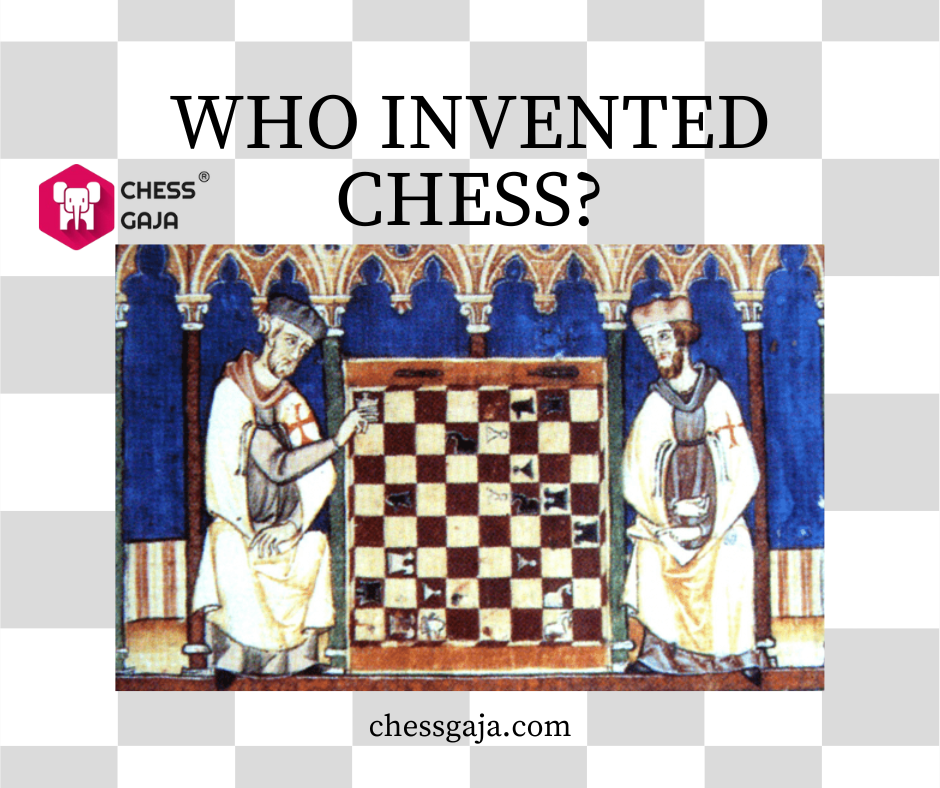
Ever wondered who invented chess? The story of who created chess is one of the most fascinating mysteries in game history! This guide answers all your questions about when was chess invented, where chess came from, and how it became the world’s most popular strategy game.
I am Priyadharshan Kannappan, a Chess Grandmaster and FIDE Trainer, and I vividly remember that I set up my chessboard fully and properly for the first time when I was 6 years old. In this article, I will explain the the fascinating history of chess for all our readers
- Who Invented Chess? The Short Answer
- When Was Chess Invented?
- Where Was Chess Invented?
- Who Created the Chess Game?
- History of Chess: From India to the World
- When Was the Chess Invented in Different Places?
- Which Country Invented Chess?
- Where Was Chess Made vs. Where It's Played Today
- When Was the Game of Chess Invented? Different Versions
- Fun Facts About Who Invented Chess
- Why Does Chess History Matter?
- Frequently Asked Questions
Who Invented Chess? The Short Answer
Nobody knows exactly who invented chess! The game is so old that its creator’s name is lost to history. But we DO know:
- Chess started in India around 1,500 years ago
- It was originally called Chaturanga
- The game spread from India to Persia, then to Europe and the rest of the world
- Modern chess rules developed over hundreds of years
So while we can’t name who invented the board game chess, we know its amazing journey!
When Was Chess Invented?
Chess was invented around 600 AD (about 1,500 years ago) in India.
Here’s the timeline:
- 600 AD: Chaturanga (early chess) created in India
- 600-700 AD: Spreads to Persia, becomes Shatranj
- 800-1000 AD: Reaches Europe through Spain and Italy
- 1200-1500 AD: Modern chess rules develop in Europe
- 1886: First official World Chess Championship
- Today: Over 600 million people play chess worldwide!
Where Was Chess Invented?
Chess was invented in India!
The game started in northern India during the Gupta Empire. Ancient Indian scholars created Chaturanga, which means “four divisions” in Sanskrit:
- Infantry (Pawns)
- Cavalry (Knights)
- Elephants (Bishops)
- Chariots (Rooks)
These four parts represented an ancient Indian army. The game was all about strategy and warfare—just like chess today!
Who Created the Chess Game?
Legends about who invented chess:
Legend #1: The Wise Man and the King
One popular story says a wise man created chess for a bored king. The king loved it so much he asked, “What reward do you want?”
The wise man said, “Just rice grains on a chessboard—one grain on the first square, two on the second, four on the third, doubling each square.”
The king agreed, thinking it was a small request. But by the 64th square, the amount of rice would be 18 quintillion grains—more rice than exists in the entire world!
This legend teaches an important math lesson about exponential growth!
Legend #2: The Brahmin Invention
Another story credits a Brahmin (Hindu priest) named Sissa ben Dahir with creating chess to teach a tyrannical king about wisdom, strategy, and the value of all his people—from the powerful Queen to the humble Pawn.
The Truth?
These are beautiful stories, but historians believe chess developed gradually over time by many people—not one inventor. Multiple Indian scholars probably contributed to creating the game we know today.
History of Chess: From India to the World
Phase 1: Chaturanga in India (600 AD)
The original game looked different from modern chess:
- Played with dice (more like a luck/strategy mix)
- Four players in some versions
- Pieces moved differently than today
Phase 2: Shatranj in Persia (600-700 AD)
While some early Indian variants used dice, the Persians formalized Shatranj as a pure game of logic and strategy. They were the first to record ‘Mansubat’ (chess positions and problems), which are the ancestors of modern chess puzzles.
Phase 3: Chess Reaches Europe (800-1000 AD)
Chess traveled to Europe through two routes:
- Through Spain from North Africa
- Through Italy from the Byzantine Empire
Europeans fell in love with chess! Kings, queens, and nobles played regularly.
Phase 4: Modern Chess Evolves (1200-1500 AD)
European players changed the rules:
- The Queen became the most powerful piece (before, she was weak!)
- Bishops got longer range
- Pawns could move two squares on their first move
- Castling was invented
These changes made chess faster and more exciting!
Phase 5: Chess Goes Global (1500-Present)
- 1560s: First chess books published
- 1851: First international chess tournament (London)
- 1886: First official World Champion (Wilhelm Steinitz)
- 1997: Computer defeats World Champion for first time (Deep Blue beats Garry Kasparov)
- Today: Online chess explodes in popularity!
When Was the Chess Invented in Different Places?
Timeline by region:
| Region | Approximate Date | What They Called It |
| India | 600 AD | Chaturanga |
| Persia | 600-700 AD | Shatranj |
| Arabia | 700-800 AD | Shatranj |
| China | 600-800 AD | Xiangqi (Chinese Chess)* |
| Japan | 700-900 AD | Shogi (Japanese Chess)* |
| Europe | 800-1000 AD | Chess/Escacs/Ajedrez |
| Russia | 800-1000 AD | Shakhmaty |
| Americas | 1500s AD | Chess (brought by Europeans) |
*Similar games that probably came from the same ancient source
Where Did Chess Originate? Proof from History
How do we know chess started in India?
Evidence #1: Ancient Texts
Sanskrit writings from 600-700 AD mention Chaturanga, describing the game’s rules.
Evidence #2: The Name
“Chaturanga” is Sanskrit. The Persian name “Shatranj” comes from Chaturanga. The European word “chess” comes from Persian “shah” (king).
Evidence #3: The Pieces
Original Indian pieces represented Indian military units—elephants, chariots, cavalry, and infantry.
Evidence #4: Game Logic
Ancient Indian texts about warfare and strategy match chess principles perfectly.
Which Country Invented Chess?
Chess was invented in India—one of India’s greatest contributions to world culture!
India’s chess legacy today:
- India produces more Grandmasters than almost any country
- Home to legendary players like Viswanathan Anand and Praggnanandhaa
- Chess is incredibly popular in schools and homes
- Indian chess academies (like Chess Gaja!) teach thousands of students
From ancient India to modern championships, India remains at the heart of chess!
Where Was Chess Made vs. Where It’s Played Today
Birthplace: India (600 AD)
Where it’s most popular today:
- Russia – Chess is part of school curriculum
- India – Growing chess superpowers with millions of players
- China – Massive chess boom in recent years
- USA – Online chess explosion (especially after The Queen’s Gambit show!)
- Europe – Traditional chess stronghold (especially Germany, Spain, France)
Chess is now truly global—played in every country on Earth!
When Was the Game of Chess Invented? Different Versions
While Indian Chaturanga started around 600 AD, similar games developed in different places:
Xiangqi (Chinese Chess)
- Developed around 200 BC – 600 AD in China
- Similar to chess but with different rules
- Possibly from same ancient ancestor game
Shogi (Japanese Chess)
- Reached Japan around 700-900 AD
- Unique rule: captured pieces can be returned to play!
- Still very popular in Japan today
Makruk (Thai Chess)
- Ancient chess variant still played in Thailand
- Closer to original Shatranj than modern chess
All these games probably share a common ancient ancestor from somewhere in India or Asia!
Fun Facts About Who Invented Chess
Fact #1: The oldest known chess pieces were found in Uzbekistan, dating to around 760 AD!
Fact #2: The Queen was originally a weak piece called the Fers, moving only one square diagonally. It wasn’t until the late 15th century that she became the most powerful piece on the board, earning the game the nickname ‘Queen’s Chess’ or ‘Mad Queen Chess’.
Fact #3: The name “checkmate” comes from Persian “shah mat” meaning “the king is dead.”
Fact #4: Benjamin Franklin wrote an essay called “The Morals of Chess” in 1750, calling it excellent for teaching foresight and planning.
Fact #5: During the Cold War, chess became a proxy battle between the USSR and USA—world championship matches were front-page news!
Why Does Chess History Matter?
Understanding who invented chess and its history teaches us:
- Chess connects cultures across 1,500 years
- The game constantly evolves and improves
- Strategy and thinking transcend borders
- You’re part of an ancient, noble tradition
- Modern chess built on centuries of wisdom
When you play chess, you join millions of people across thousands of years playing the same beautiful game!
Learn Chess at Chess Gaja – Continue the Tradition
Now that you know where chess came from, why not master it?
Join Chess Gaja’s Online Chess Academy
Why Chess Gaja?
- Coaches available across all rating levels, from beginner to GM
- Advanced Learning Management System (LMS) for instant feedback, mobile alerts, and effortless tracking of classes
- Monthly parent-teacher meetings with GM Priyadharshan for progress updates
- Open to students of all ages worldwide
- Exclusive student newsletter with latest chess insights and tips
- Multiple monthly online tournaments to test skills in competitive settings
- Dedicated WhatsApp support team for quick assistance
- Over 5000 students from more than 40+ countries
With Chessgaja’s fully online platform, students can train comfortably from home, choosing times that fit their schedule without any travel hassles. This flexible, expert-driven approach delivers unmatched value and results for chess learners worldwide.
Contact Chessgaja: https://chessgaja.com/contactnew/
Website: https://chessgaja.com
Frequently Asked Questions
Who is the father of chess?
There’s no single “father of chess.” The game developed in ancient India around 600 AD, created by unknown scholars and strategists.
Did Indians invent chess?
Yes! Chess originated in India as Chaturanga around 600 AD, then spread worldwide and evolved into modern chess.
Why is chess called chess?
“Chess” comes from Persian “shah” (king). The Persian name “Shatranj” came from Sanskrit “Chaturanga.” The name traveled with the game!
Is chess an Indian game?
Yes, chess originated in India! Though modern rules developed in Europe, the game’s roots are definitively Indian.
When was chess invented exactly?
Historians estimate around 600 AD in northern India during the Gupta Empire period.
Did Persians invent chess?
No, Persians didn’t invent chess, but they made it incredibly popular and spread it across the Middle East and beyond.