

Mastering chess tactics for beginners forms the absolute foundation of winning play, yet many developing players struggle to execute these powerful patterns during games.
Learning chess tactics from scratch requires understanding specific patterns that create immediate material advantages. We at Chess Gaja have seen players increase their rating by 200-300 points within 6 months of mastering basic tactical motifs like pins, forks, and skewers.
As a Grandmaster and founder of Chess Gaja Academy, I have helped thousands of students transform inconsistent positions into clear wins by training their strategic thinking process and prophylaxis rather than just memorization.
In this article, I will share a step-by-step strategy to train your eyes so it directly boosts your tournament performance.
What Makes Chess Tactics So Powerful
Chess tactics represent short-term combinations that win material or force checkmate within 2-4 moves. Richard Teichmann famously stated that chess is 99% tactics.
While strategic mastery is essential at higher levels, modern analysis confirms that for developing players (typically up to a rating of 1400), the vast majority of games are decided by tactical errors.
Mastering these foundational motifs can help eliminate the catastrophic blunders that hold players back, often sparking a rapid rating jump as their tactical vision sharpens.
Tactics Win Games Immediately
Tactical patterns create instant threats that opponents cannot adequately defend. A single fork can win a queen, while a back-rank mate ends the game immediately.
Players at lower ratings frequently lose games due to tactical oversights, with analysis showing that unforced blunders account for a significant portion of losses.
Strategic concepts like pawn structure or piece activity can be instantly undone if you overlook a simple tactical shot like a knight fork. Tactics are the tools that execute and protect your long-term strategic plans.
Tactical awareness prevents these disasters and creates opportunities from equal positions.
Strategy Builds Long-Term Advantages
Strategic plans involve piece position improvements, key square control, and favorable pawn structure creation over 10-20 moves.
Tactics execute these strategic plans through concrete sequences. Without tactical skills, strategic advantages mainly remain theoretical.
A perfect pawn structure becomes worthless if you miss a tactical shot that wins material. Strategic advantages create the fertile soil where tactical combinations grow.
Without sound strategy, you won’t have the piece activity required to launch a successful tactic.
Tactical Practice Delivers Measurable Results
Daily tactical practice produces the fastest improvements for players under 1800. Players who solve 15-20 tactical puzzles daily for six months typically have a quick rating jump.
In my coaching experience, I have seen players improve a lot when they solve puzzles on a daily basis compared to those who skip tactical practice.
Tactical pattern recognition becomes automatic through repetition which allows you to spot combinations during time pressure. This immediate pattern recognition separates strong players from beginners who calculate every position from scratch.
The foundation of tactical success lies in mastering specific patterns that appear repeatedly in games.
Core Chess Tactics for Beginners to Master
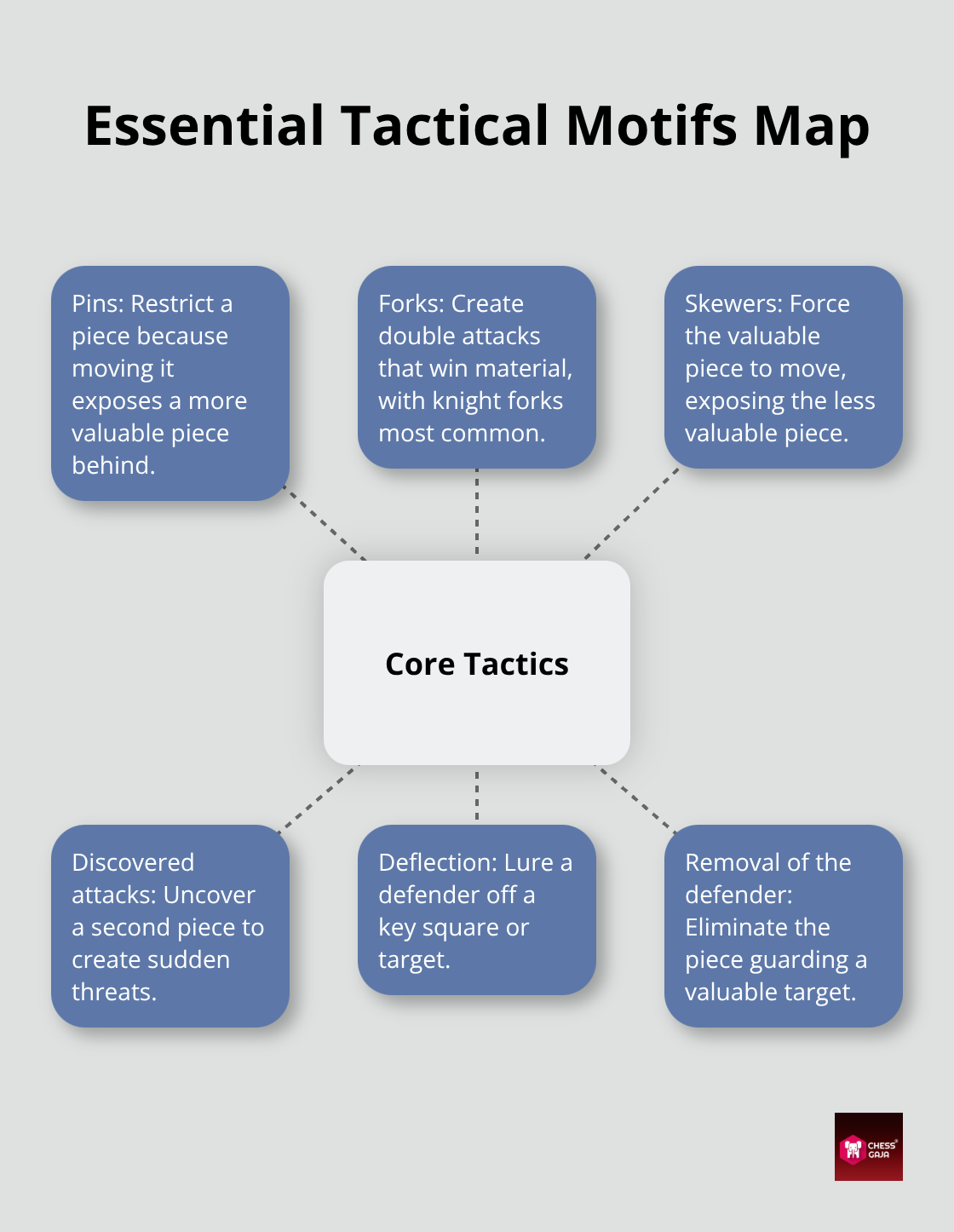
Pin tactics restrict piece movement by creating a line attack through a lower-value piece to a higher-value target behind it.
The pinned piece cannot move without exposing the higher-value piece to capture. An absolute pin happens when the king stands behind the pinned piece. Moving it is illegal. A relative pin technically allows you to move the piece, but doing so forces a costly material loss or a bad positional concession.
Pins and forks are the most common tactical motifs in classical tournament games, making them essential winning patterns for players under 1200.
How to Execute Pins for Maximum Advantage
Place your bishop or rook on the same line as two enemy pieces where the front piece has a lower value than the back piece. Attack the pinned piece with pawns or other pieces to win material since it cannot escape. The most effective pins target knights pinned to queens or rooks pinned to kings.
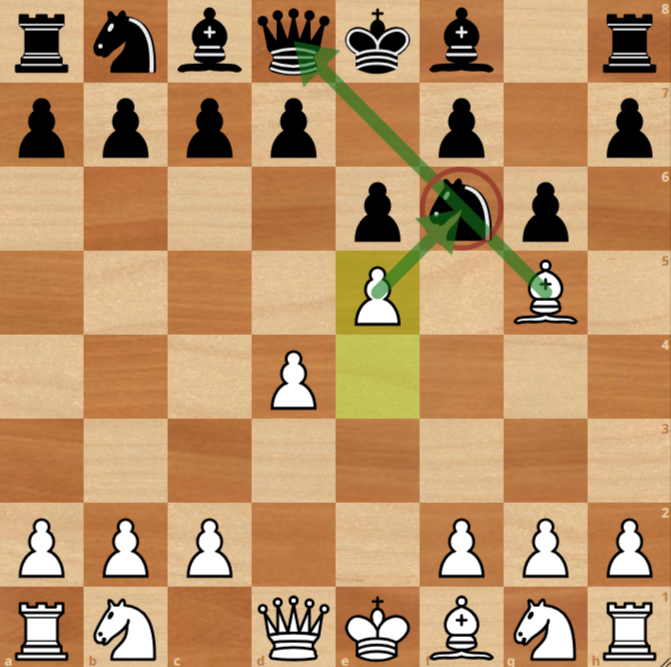
Players who master pin recognition through systematic puzzle practice show significant improvement in their tactical awareness. Practice identification of pin setups where your opponent’s pieces align on ranks, files, or diagonals.
Fork Attacks Create Double Threats
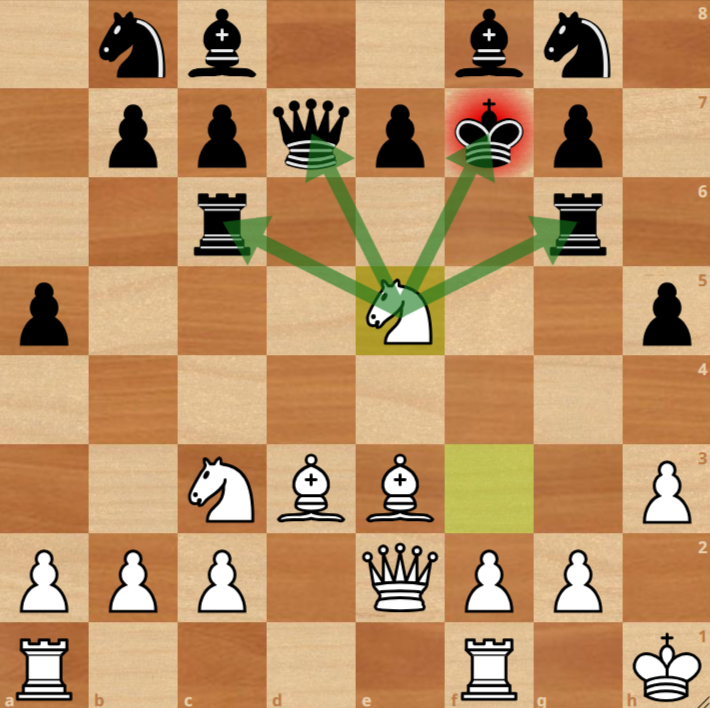
Knight forks attack two pieces simultaneously from squares where the knight can reach both targets in one move.
Royal forks attack both king and queen, winning the queen after the king moves to safety.
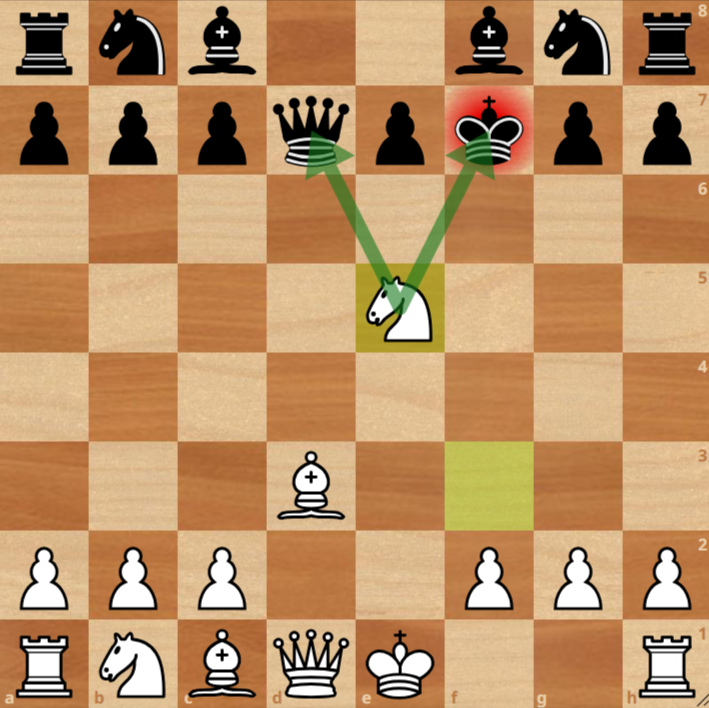
Family forks attack king, queen, and rook together.
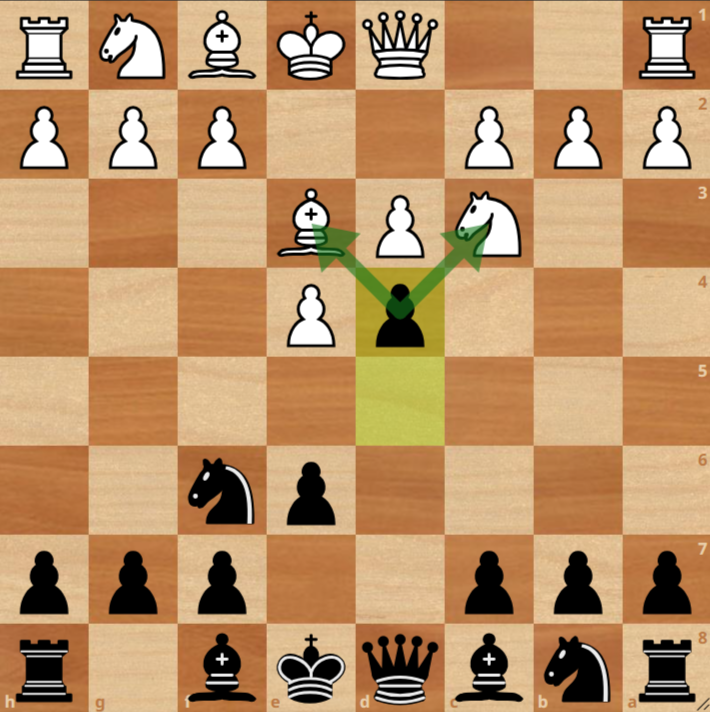
Pawn forks occur when a single pawn moves forward to attack two enemy pieces simultaneously on its left and right diagonals.
My analysis of student games at Chess Gaja has revealed that fork tactics decide a significant percentage of games between intermediate players, with knight forks accounting for the majority of these decisive combinations.
Skewer Tactics Force Piece Abandonment
Skewers attack a valuable piece that must move, exposing a less valuable piece behind it for capture. Queen and rook skewers along ranks and files create the most powerful threats. Bishop skewers along diagonals frequently win pawns or minor pieces.
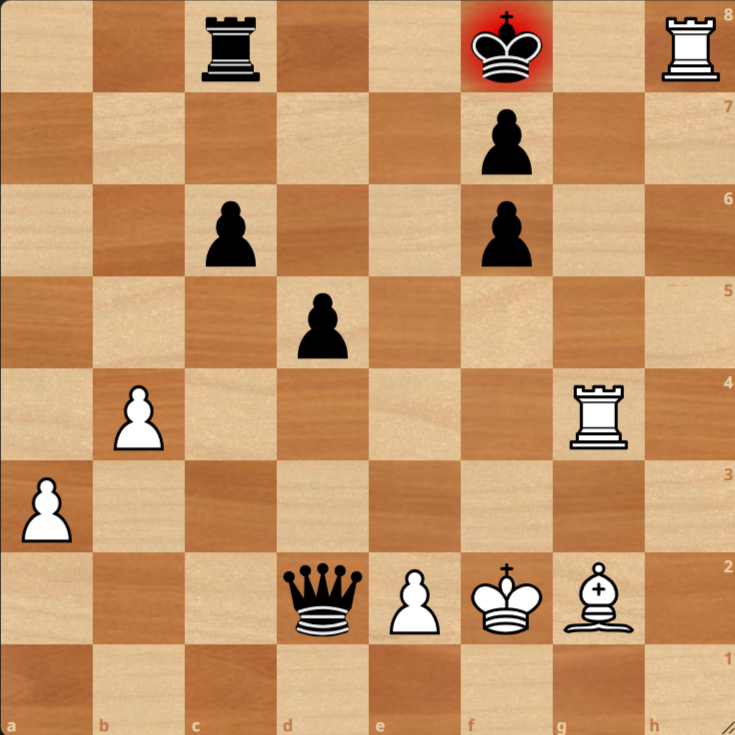
In a pin, a lower-value piece stands in front of a higher-value target, paralyzing the front piece.
In a skewer, it is reversed: the higher-value piece stands in front and is forced to step aside to save itself, exposing the lower-value target behind it for capture.
Advanced Tactical Motifs Worth Learning
Discovered attacks reveal hidden threats when one piece moves and uncovers an attack from another piece behind it.
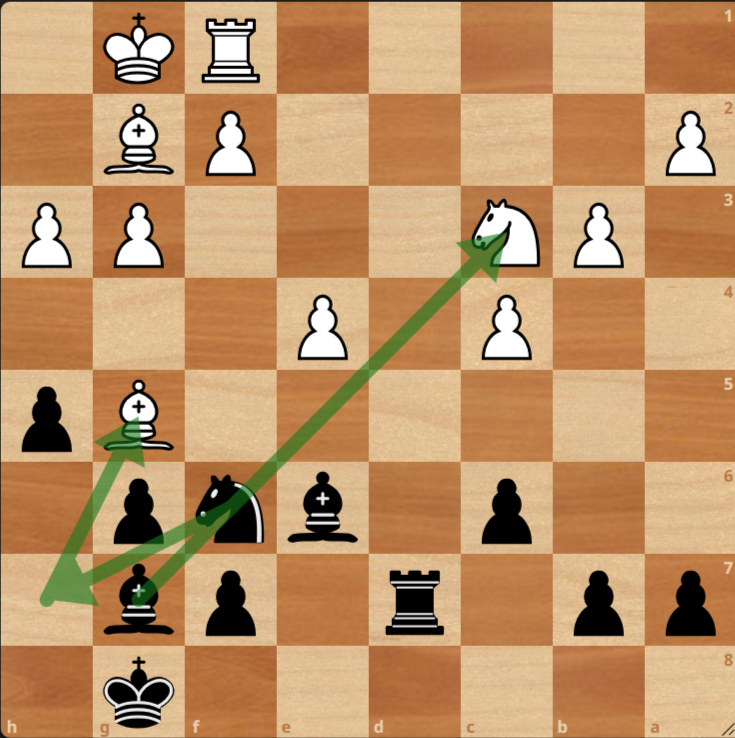
These combinations often create double attacks that overwhelm opponent defenses.
Deflection tactics force key defensive pieces away from important squares or pieces they protect. Removal of the defender eliminates pieces that guard valuable targets, opening tactical opportunities.
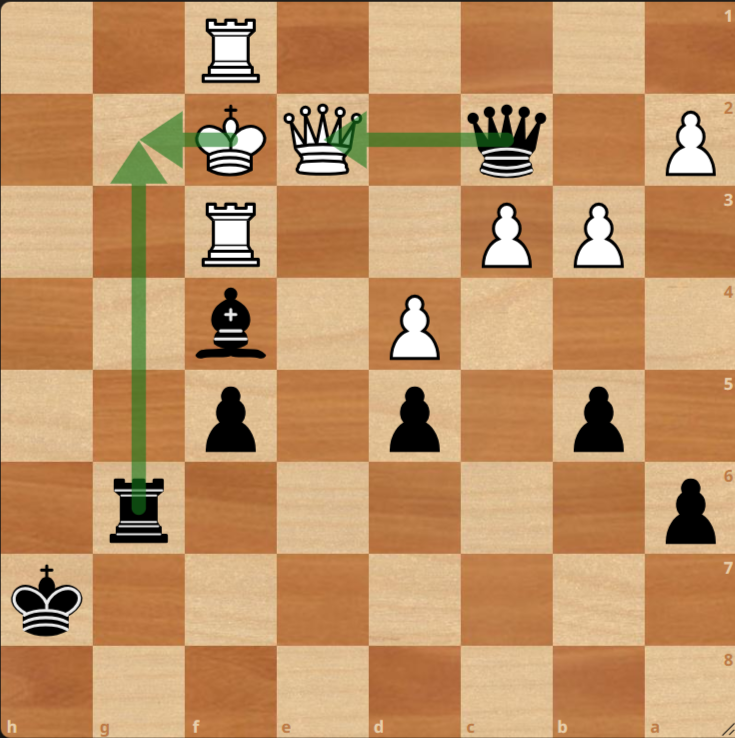
Players who study these advanced patterns alongside basic tactics show faster improvement rates in tournament play.
Mastering these tactical patterns requires structured practice methods that build pattern recognition through repetition.
Daily Practice Routines for Chess Tactics Beginners
Effective tactical practice demands the right platforms and consistent schedules that build pattern recognition through repetition.
Chess.com stands as the most comprehensive platform with tactical puzzles that organizers sort by difficulty and theme.
Lichess offers unlimited free tactical practice with excellent spaced repetition algorithms that present puzzles based on your performance history.
ChessTempo provides detailed statistics and allows filters by specific tactical motifs, which makes it ideal for targeted weakness improvement.
There are also multiple other platforms which offer blindfold chess puzzles, which add another layer of difficulty during puzzle solving, and blindfold chess puzzle solving is something that I actively suggest to all of my students to improve their visualization skills.
Multiple platforms work best since each offers unique puzzle sets and methods that prevent pattern memorization.
Optimal Daily Practice Structure
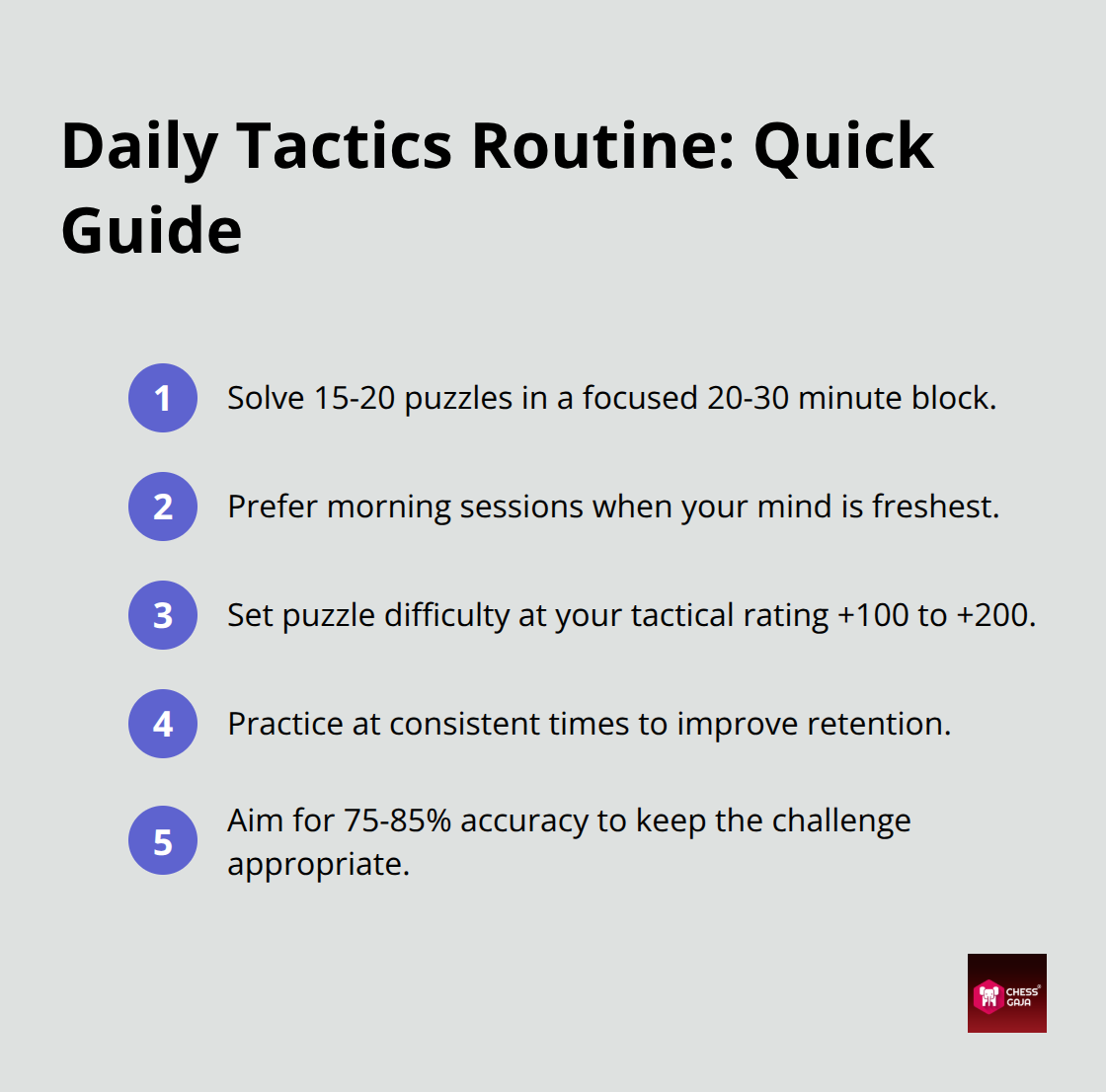
Solve 15-20 tactical puzzles during focused 20-30 minute sessions rather than scattered practice throughout the day.
Morning practice sessions produce better results since your mind remains fresh and calculation errors decrease significantly.
Set your puzzle difficulty to match your current tactical rating plus 100-200 points to maintain appropriate challenge levels without frustration.
Players who practice at consistent times show better retention rates compared to those with irregular schedules. Track your accuracy percentage and try for 75-85% success rates – higher accuracy indicates puzzles are too easy while lower rates suggest excessive difficulty.
Platform Selection for Maximum Results
Switch between platforms monthly to expose yourself to different dataset styles and user interfaces. While pattern recognition remains your primary goal, practicing across various websites ensures your tactical vision adapts to different visual themes, board styles, and piece designs rather than becoming overly accustomed to a single platform’s layout.
Tactical Rating Progress Measurement
Most platforms assign tactical ratings separate from your game strength, typically starting around 1200-1400 for beginners. Tactical ratings should increase with consistent daily practice.
Players often find their tactical rating exceeds their game rating initially, which is normal and expected. Focus on correct solutions rather than speed during the first three months of practice.
Your tactical rating plateau indicates the need to temporarily decrease puzzle difficulty or switch to different tactical themes for continued improvement.
Final Thoughts
Start with pins, forks, and skewers when you learn chess tactics from scratch. These three patterns appear in about 70% of tactical combinations at beginner levels and provide immediate material gains.
Master pin recognition first since pinned pieces create the most frequent opportunities to win material in games under 1500 rating.
Build tactical strength through consistent daily practice rather than sporadic intensive sessions. Players who solve 15-20 puzzles daily for six months show 250-300 point rating increases compared to irregular practice schedules.
Your tactical rating should exceed your playing strength initially (which indicates proper development progression).
Advanced tactical concepts like discovered attacks and deflection become accessible once you master basic patterns. Focus on accuracy over speed during your first year of tactical training. We at Chess Gaja provide structured coaching that accelerates tactical development through personalized instruction from experienced coaches.