

Last month, a 12-year-old student at our chess academy jumped from 800 to 1200 rating in just three months. His secret wasn’t a complex training regimen, but a breakthrough in how to learn chess openings efficiently.
At Chess Gaja Academy, working with many students in Dubai and across the UAE, the #1 question I get is how to learn chess openings fast. I’m Grandmaster Priyadharshan Kannappan, and I’ve developed a “fast-track” method that focuses on high-leverage patterns rather than endless memorization. In this guide, I’ll show you how to build a reliable repertoire in record time. You will learn to master core pawn structures. I will also show you how the pros handle the middlegame using model games. You don’t need a thousand hours. You just need the right system.
Core Principles to Learn Chess Openings Effectively
These four opening principles solve the exact problems that cause players to lose at the 1500 level. First, controlling the center with pawns stops your opponent from taking strong squares. Second, developing knights before bishops gives you better flexibility. Third, players who castle early win more games. Finally, moving the same piece twice early on just wastes valuable time.
Learn Chess Openings by Mastering Center Control
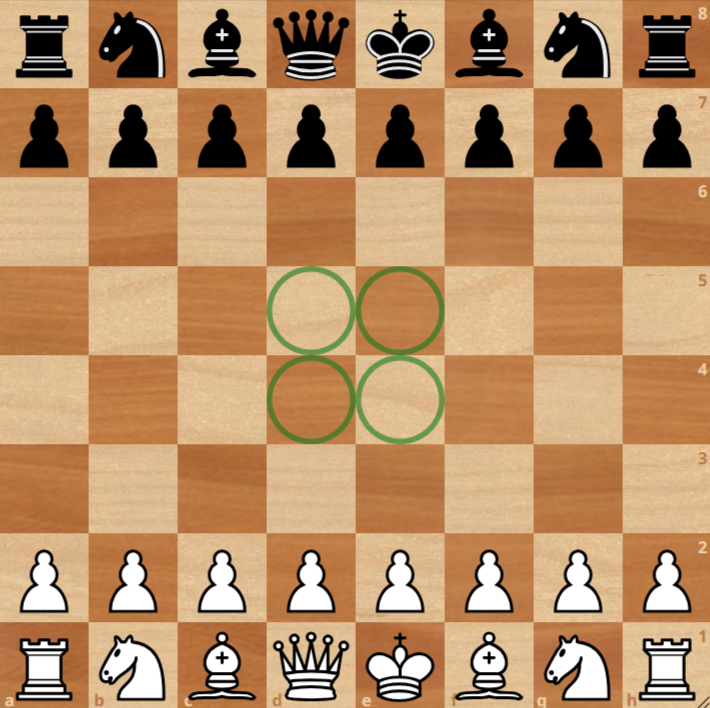
Place pawns on e4 and d4 as White, or play e5 and d5 as Black. These moves control the center and create space. Controlling the center gives you a massive advantage. It helps your pieces work together and creates sharp tactical chances. Your pieces simply need central squares to launch successful attacks.
Castle Before Move 10 Every Time
King safety decides games more than any other factor. Castling early protects your king much better than leaving it in the center. For most amateur players, castling kingside is the fastest route to safety. Secure your king on the kingside early. This lets you focus entirely on your middlegame plans. If your king stays in the center too long, it becomes an easy target. Do not let your opponent launch a sudden tactical strike.
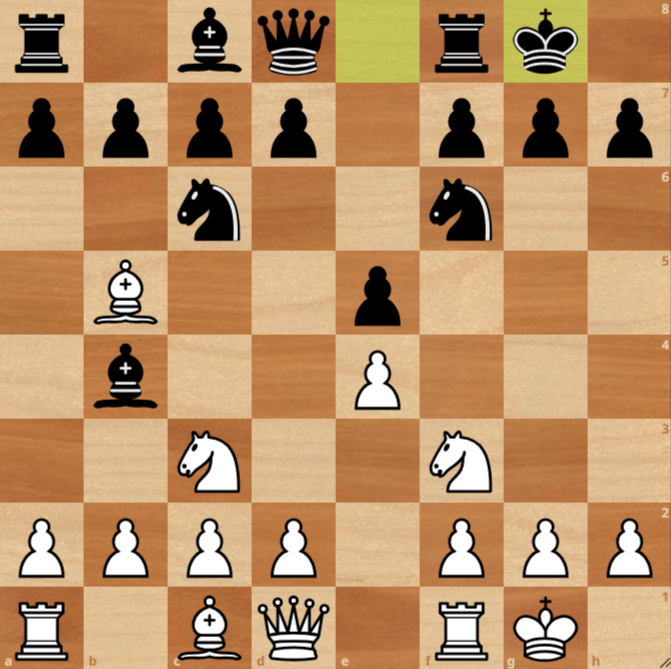
Knights on f3 and c3 (or f6 and c6 for Black) control more of the four absolute central squares (e4, d4, e5, and d5) than bishops can in the first few moves. Pros develop knights first because they can jump over pawns. They reach their best squares immediately. Bishops need pawn moves to open up diagonals. This costs valuable time when you need to develop quickly.
These principles form the foundation, but applying them effectively requires specific methods that accelerate your learning process.
How to Learn Chess Openings Without Memorization
Most chess players waste months when they memorize opening variations that disappear after seven moves. The fastest path to opening mastery combines understanding with targeted practice methods that build lasting knowledge.
Learn Chess Openings by Focusing on Plans, Not Moves
Study why masters choose specific opening moves rather than memorize sequences. The Sicilian Defense works because Black fights for center control with c5.
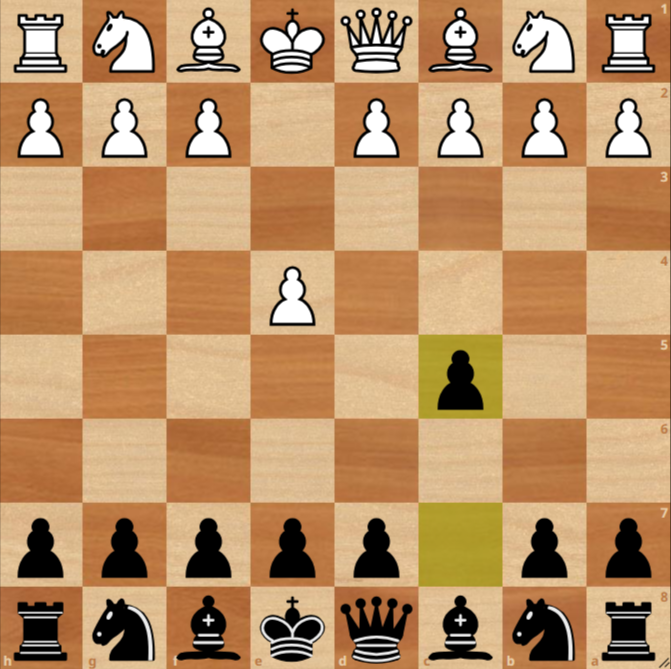
It does not work just because you memorized lines. Grandmaster games show clear patterns. Players build strong pawn structures to support their pieces. Focus on learning three main plans in your opening. Do not try to memorize fifteen different variations. Players who know the plans score much higher in the middlegame.
Practice Opening Positions Daily for 15 Minutes
Spaced repetition accelerates opening retention more effectively than marathon study sessions. When you learn chess openings, set up positions from your main lines after moves 6, 10, and 15, then practice to find the best moves without analysis. Short, daily sessions help you retain patterns easily. It is much better than cramming everything into a single day. Repeat this exercise with the same positions for one week. After that, introduce new positions from the same opening system.
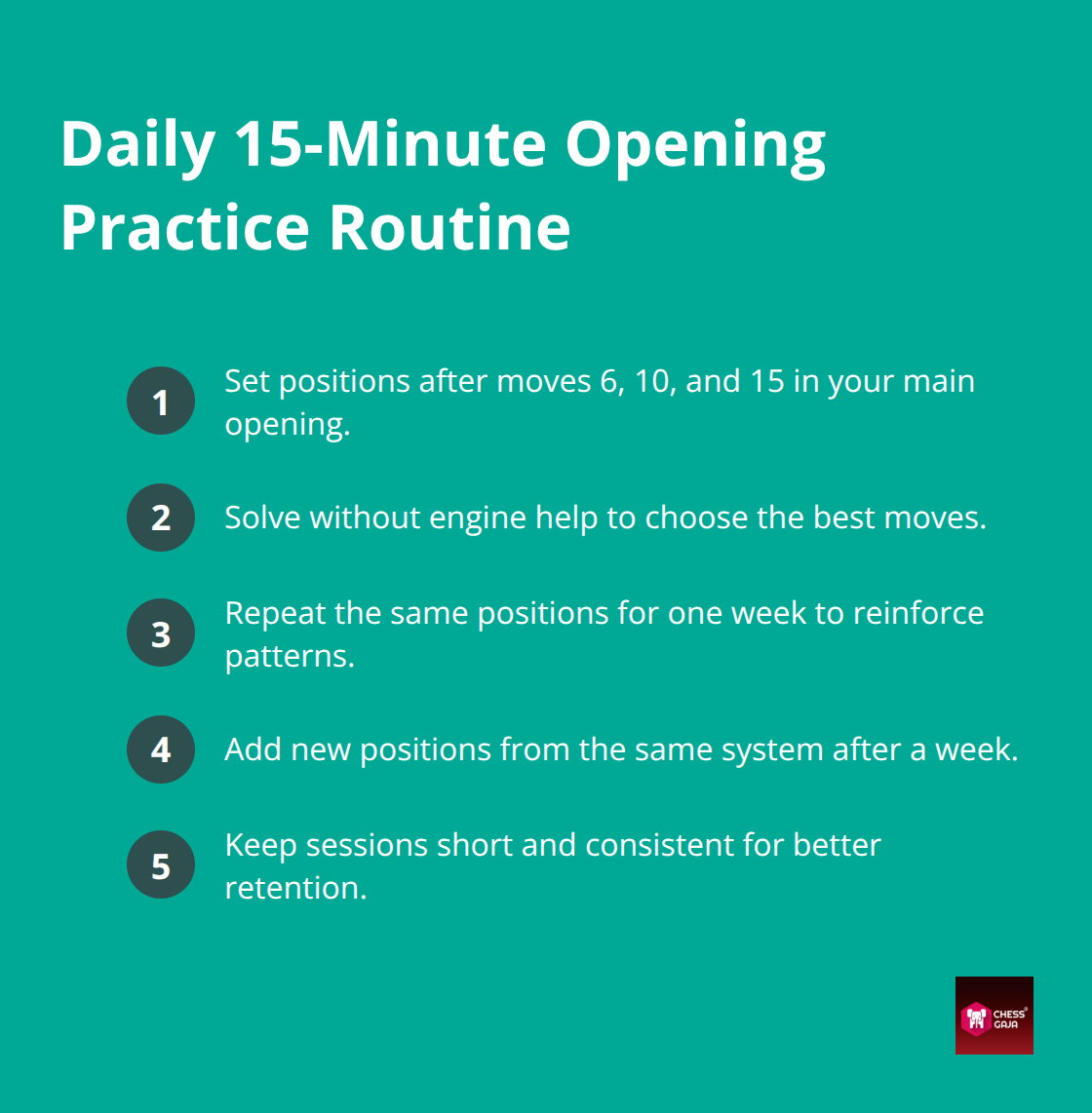
Your brain builds stronger pattern recognition through consistent daily practice.
Study Master Games in Your Opening System
Study full games from top players who use your opening. Watch how grandmasters handle the middlegame. You will learn much faster by watching real games than by just reading theory books. Pick five recent games by players rated over 2500. Look closely at their plans after move 15. This connects your opening moves directly to your middlegame strategy.
However, even the best study methods fail when players make fundamental mistakes in their approach to opening preparation.
What Opening Mistakes Kill Your Progress
The biggest mistake is playing too many openings. If you learn four openings for White and six for Black, you will never master any of them. Your brain needs repetition to spot patterns. Switching between the King’s Indian, the French, and the Sicilian stops you from learning deeply. Stick to one opening for White and two defenses for Black until you hit a 1600 rating.
Master One Opening System Completely
The second critical mistake involves memorization of moves without context. To truly learn chess openings, strong players focus on understanding typical pawn structures and piece placement patterns.
Strong players avoid strict move memorization. For example, look at the Italian Game. Don’t just memorize that the bishop goes to c4. Instead, understand that a bishop on c4 actively attacks Black’s weak f7 square.
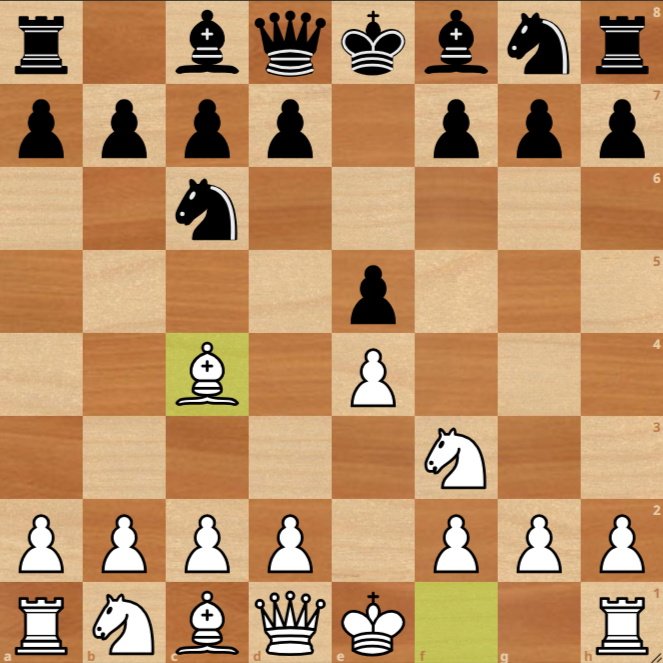
Once you see that coordinate plan, you can handle any surprise move your opponent throws at you. Focus on how pieces work together, not on isolated sequences.
Recognize Tactical Patterns Early
The third mistake involves ignorance of common tactical motifs that appear in your chosen opening. Every opening system has specific tactical patterns. For example, the Fried Liver Attack appears if Black plays carelessly in the Italian Game.
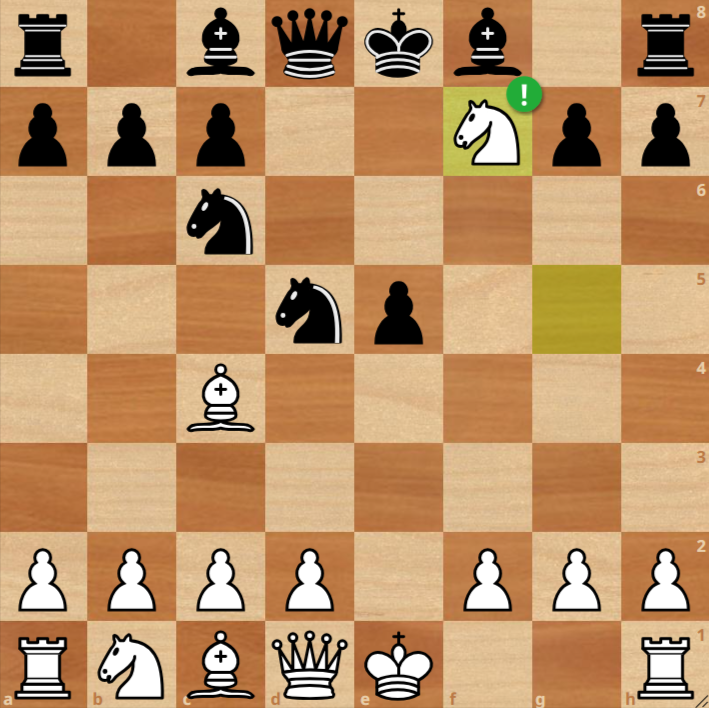
Pin tactics dominate Queen’s Gambit structures. Spend fifteen minutes daily on puzzles from your specific opening. Do not just solve random tactics. This helps you spot real threats much faster during your games.
Stop Transposition Confusion
The fourth mistake involves panic when opponents transpose into unfamiliar positions. Transpositions happen when different move orders lead to the exact same position. For example, you can reach the Queen’s Gambit Declined using a standard order (1.d4 d5 2.c4 e6). You can also reach it via the English Opening (1.c4 e6 2.d4 d5). Players who know pawn structures handle these shifts easily. Focus on pawn formations instead of exact sequences.
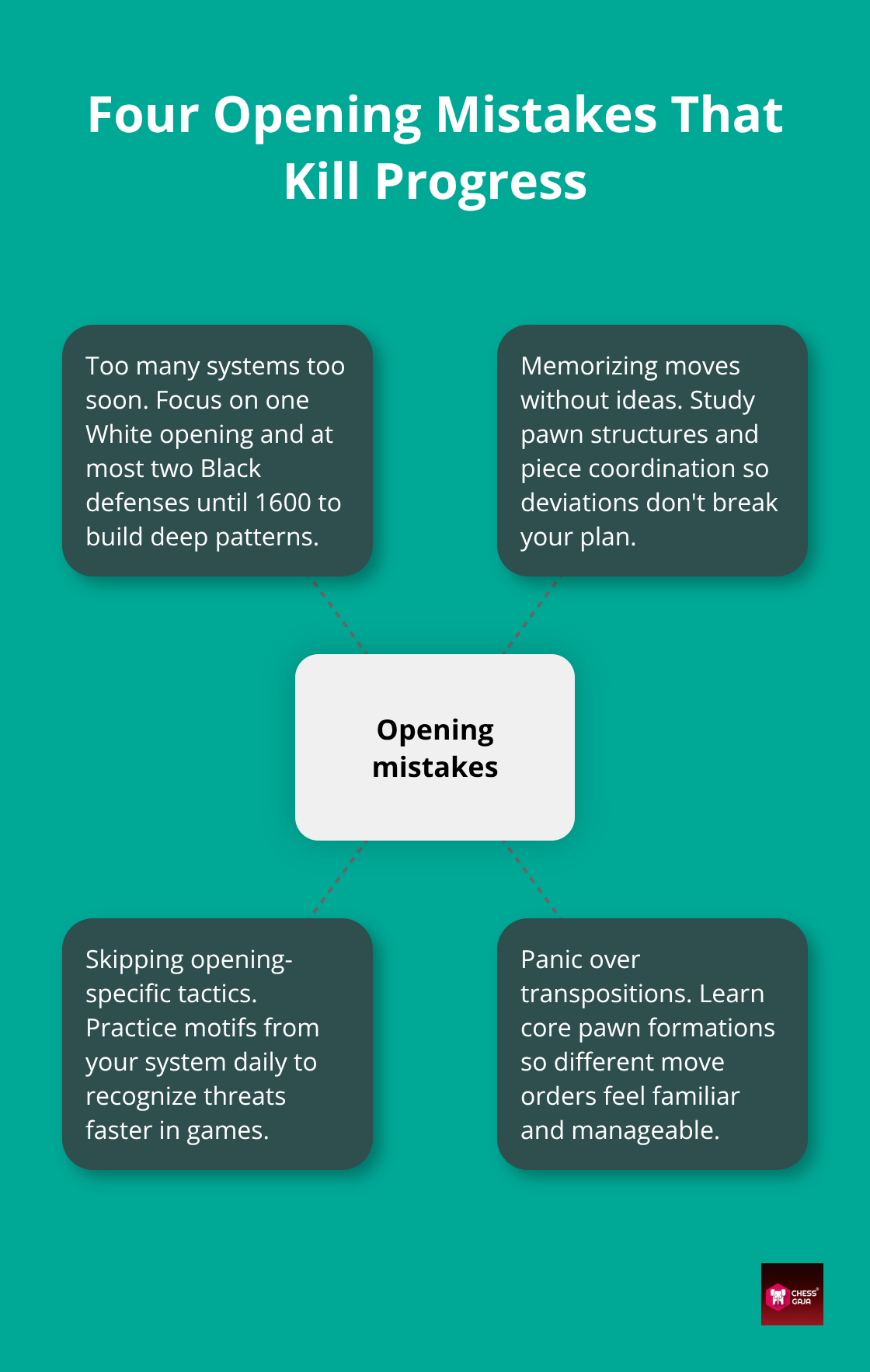
When you know that isolated queen pawns create specific plans, you adapt to any move order that produces this structure.
Final Thoughts
The best way to learn chess openings starts with focused selection rather than overwhelming variety. Choose one reliable opening for White and limit yourself to two solid defenses for Black. This approach allows deep pattern recognition to develop naturally through repeated practice.
Mix different study methods to grow faster. Spend fifteen minutes a day on opening positions. Analyze master games in your system. Finally, solve tactical puzzles for your specific openings. Players who combine deep understanding with daily practice see big results in just a few weeks.
Consistency beats intensity every time. A quick 20-minute daily practice session is much better than a long weekend marathon. Your brain builds stronger habits when you see the same patterns every day. At Chess Gaja, our FIDE-rated coaches help students master these steps through custom training and game reviews. Pick your opening system today and practice it daily.