

When players try to understand the different types of openings in chess, they often feel completely overwhelmed by the choices. Last week, a 1400-rated student from Dubai told us she felt lost choosing between aggressive and defensive options. She didn’t know which system suited her playing style.
At Chess Gaja, we see this confusion often. The types of chess opening strategies fall into clear categories, and matching the right one to your style transforms how you play from move one.
Too many players at Chess Gaja Academy treat the opening phase like a random collection of moves. They forget it is a specific category of battle. I’m Grandmaster Priyadharshan Kannappan, and I believe that once you understand whether you are playing an open, semi-open, or closed game, the “right” moves become obvious. In this guide, I’ll strip away the jargon to explain the different types of openings and help you identify which strategic landscape fits your natural playing style.
What Makes Open Games Different from Other Types of Openings in Chess
Open games start with 1.e4 e5. This balanced pawn setup immediately tells you what to expect: sharp tactical positions where both sides fight for control of the center.
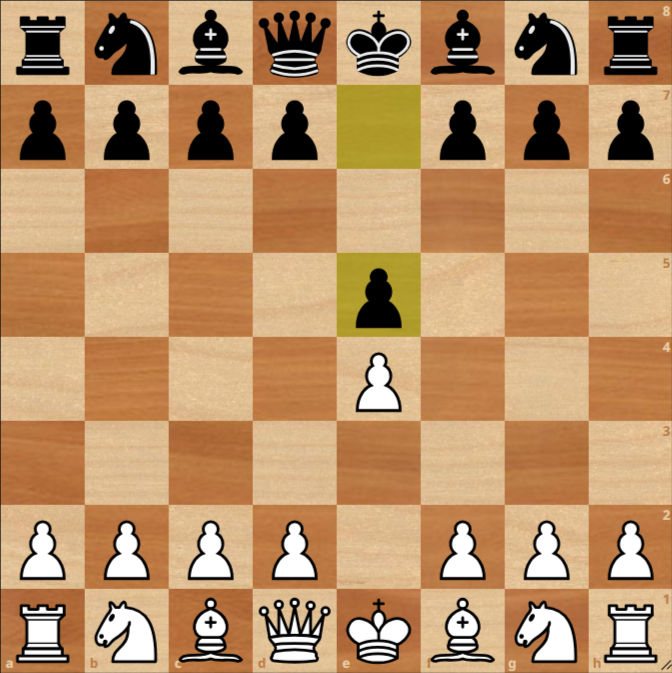
Data shows that 1.e4 appears in about 40% of all chess games. This makes it the most popular choice for White at every level. When Black answers with 1…e5, you enter sharp territory. Active pieces matter far more than pawn structure here, and mistakes punish quickly.
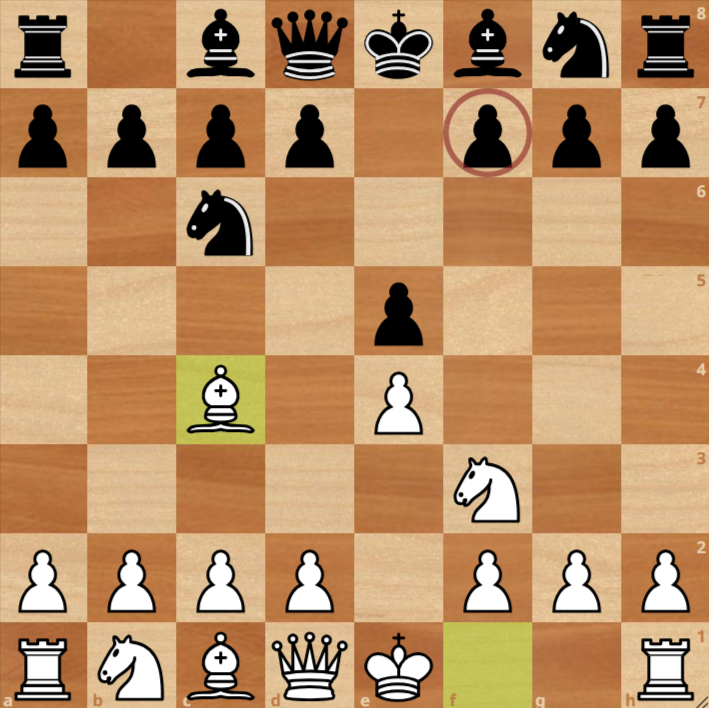
The Italian Game shows this perfectly. White plays 1.e4 e5 2.Nf3 Nc6 3.Bc4. This move puts the bishop on its most active square while controlling the center with pawns and knights. Black faces immediate pressure because the f7-pawn becomes a natural target, and White’s pieces work together to create attacking chances.
The key difference between open games and other opening types is the pace: open games force decisions early. You cannot play slowly and hope to equalize.

Your pieces must reach active squares, and your king must reach safety through castling before the middle game erupts.
Why Aggressive Players Thrive in Open Games
If you enjoy tactical combinations and direct attacks, open games suit your style because they reward bold play. The Ruy Lopez, one of the oldest openings in chess, shows this clearly. White develops a piece actively and pressures the knight that defends Black’s e5-pawn.
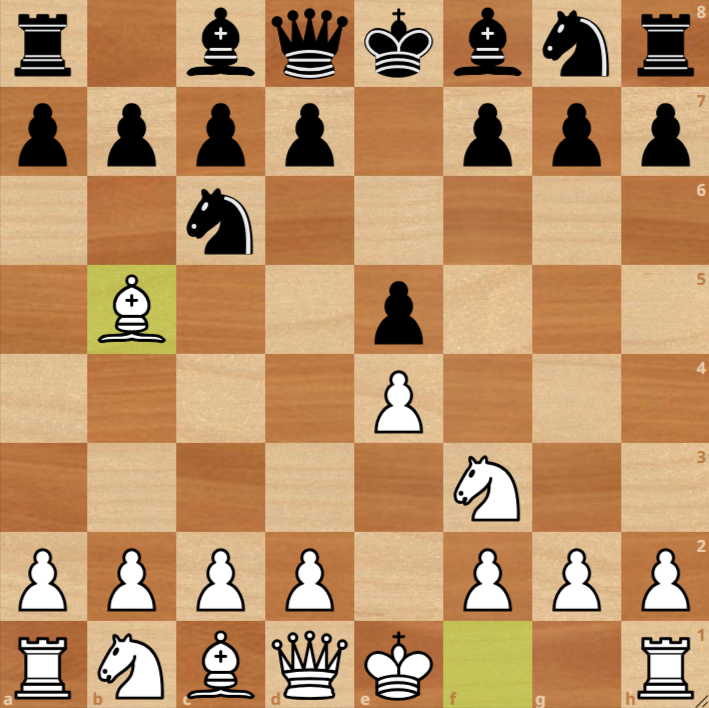
It does not create an immediate threat to win material. Instead, it establishes long-term positional and tactical tension. This forces Black to defend with extreme precision.
Players rated 1500-1800 often struggle against aggressive opponents in open games. They frequently lack the tactical sharpness to navigate the deep complications.
What You Need to Master in Open Games
Open games demand that you study forcing moves and recognize tactical patterns. You must calculate concrete variations instead of relying on general principles. The positions that arise from 1.e4 e5 require you to think several moves ahead and spot threats before they materialize.
Players who excel in open games train their tactical vision constantly, and they understand that a quiet move often loses to a sharp counterattack.
Your opponent will test your ability to defend accurately, and passive play invites disaster. The tactical nature of these positions means that one tempo (a single move’s advantage) can shift the entire balance of the game.
As you prepare to explore semi-open and semi-closed systems, you’ll notice how they offer a different rhythm-one where you can control the game through positional understanding rather than pure tactical fireworks.
Strategic Variations in Semi-Open and Semi-Closed Types of Openings in Chess
How Semi-Open Games Change the Battle
Semi-open games begin when White plays 1.e4 and Black responds with something other than 1…e5. This single choice transforms the entire character of the game. Master data shows the Sicilian Defense accounts for roughly 17% of all games between grandmasters. This makes it Black’s top weapon against 1.e4.
The French Defense and Caro-Kann Defense together represent another significant portion of games at competitive levels.
Control is what separates semi-open systems from open games. Black avoids the even pawn lines that lead to immediate tactical chaos. Instead, Black accepts an uneven position. White gains space in the center, but Black gains time to organize a solid defense.
The Sicilian creates an imbalance that favors an active counterattack. In the open variations, Black exchanges a flank pawn (the c-pawn) for White’s central d-pawn.
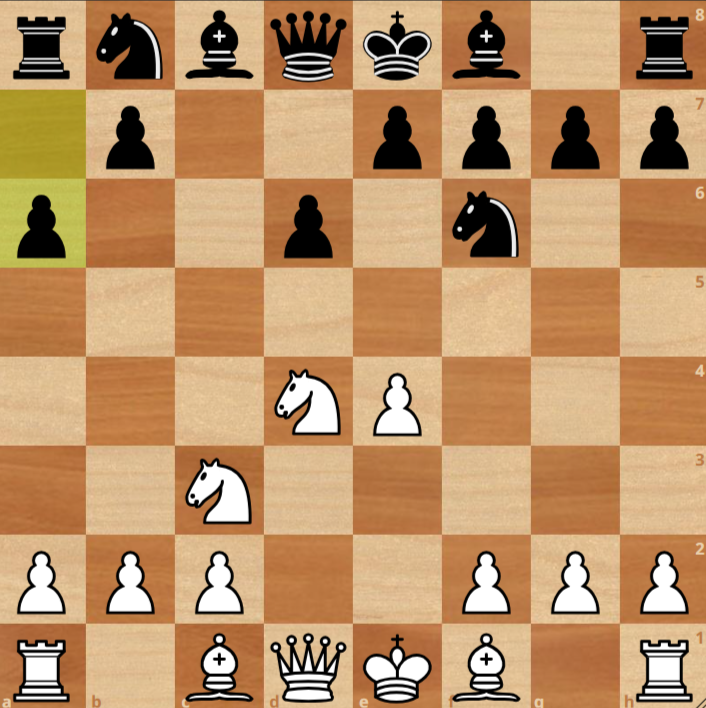
Far from a concession, this trade gives Black a long-term structural advantage with an extra central pawn and an open c-file to generate queenside pressure.
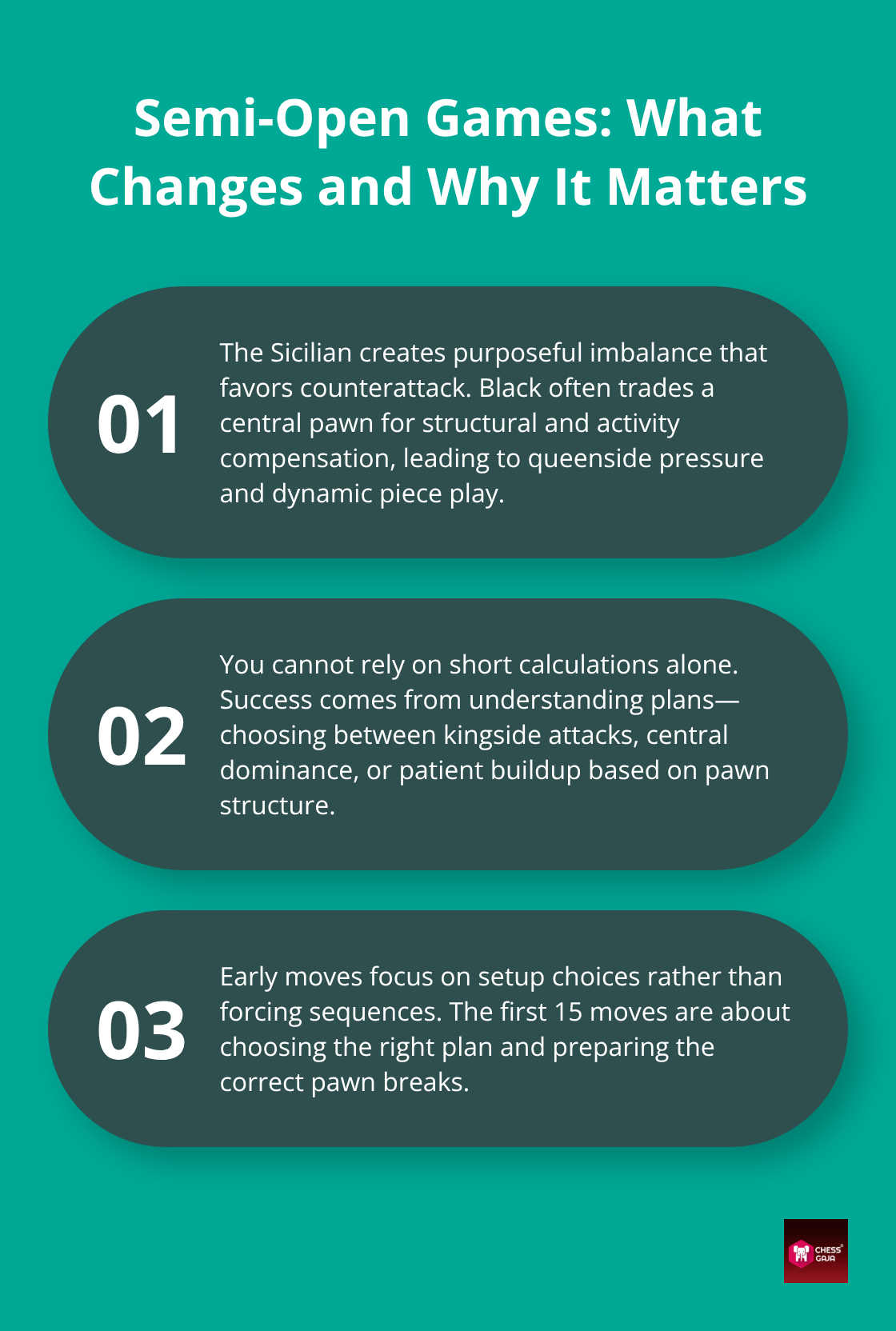
Does Black create counterplay on the queenside or in the center? These questions matter far more than tactical calculations in the first 15 moves.
The Positional Approach of Semi-Closed Systems
Closed and semi-closed systems like 1.d4 followed by the Queen’s Gambit represent chess at a different tempo entirely. These openings prioritize pawn structure and long-term piece placement over immediate tactical fireworks.
The Queen’s Gambit, played by White in a significant portion of master games, sacrifices a flank pawn temporarily to control the center with pawns on d4 and c4, establishing spatial dominance before rebuilding.
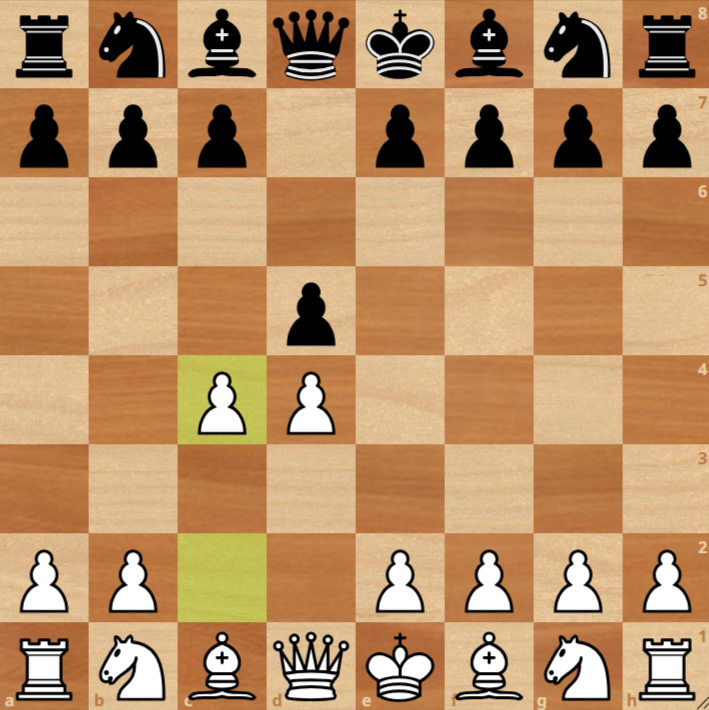
Black’s most solid response, the Slav Defense, defends the d5-pawn with the c-pawn rather than the e-pawn. While this looks minor, it gives Black massive flexibility. By keeping the diagonal open, the Slav lets Black develop pieces to natural squares. This avoids the cramped setups that often ruin other defenses.
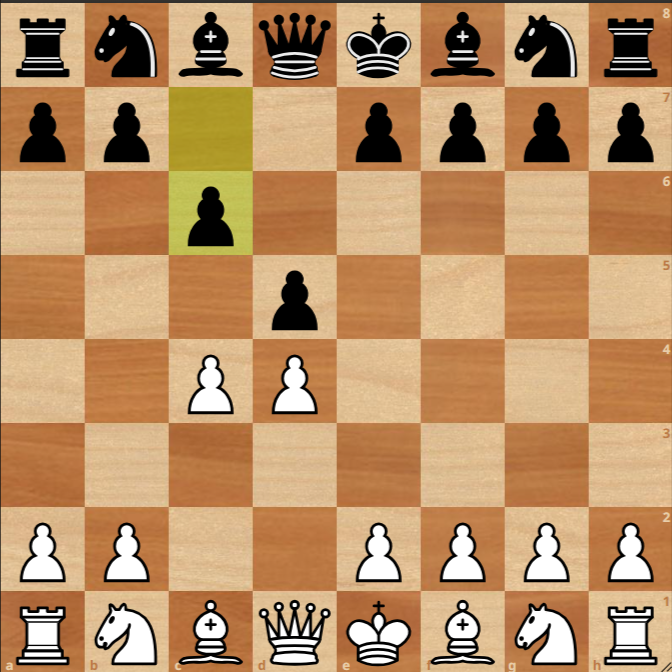
Players who prefer positional understanding over tactical sharpness choose semi-closed systems because these openings reward patience.
You build a superior pawn structure, place your pieces on optimal squares, and gradually squeeze your opponent without fireworks.
A 1500-rated player using the Queen’s Gambit will often beat a 1600-rated tactical player. This happens because the Queen’s Gambit teaches you to think about squares, pawn breaks, and piece teamwork instead of just counting material.
Matching Your Style to Semi-Open or Semi-Closed Play
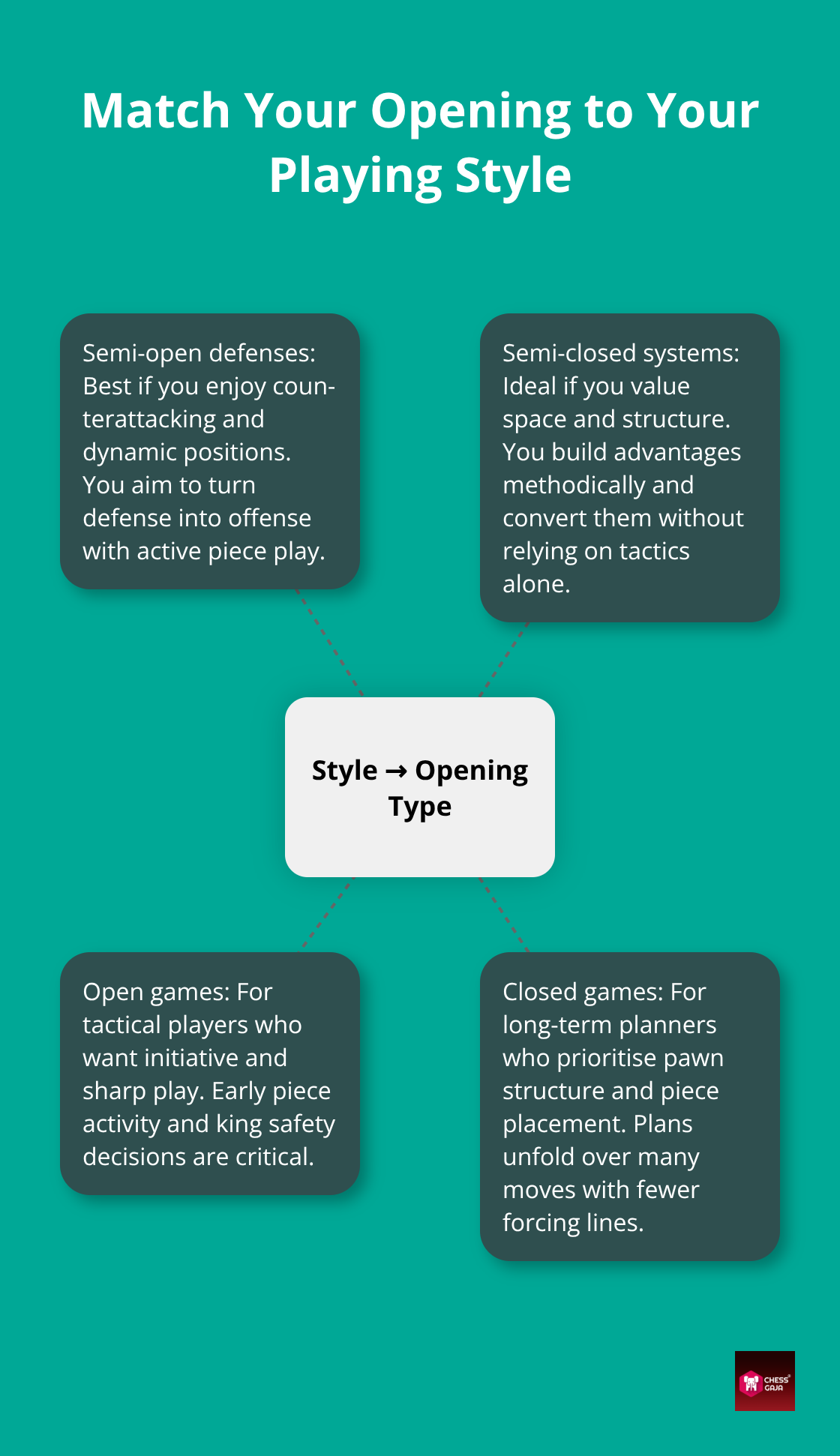
Choose semi-open defenses if you enjoy counterattacks and dynamic positions where Black plays for active piece play.
The Sicilian rewards players who thrive on creating complications and turning defense into offense.
Choose semi-closed systems if you prefer controlling space methodically and building winning positions through superior structure rather than tactics.
These openings suit players who think several moves ahead about pawn structures and piece placement rather than immediate threats.
The next section explores closed games, where pawn structures become even more rigid and long-term planning dominates from the very first moves.
Closed Games Build Positions, Not Tactics
Closed games start with 1.d4 or 1.c4, and they immediately signal a unique philosophy: you control the board through pawn structure and piece placement rather than forcing moves and immediate threats.
The London System shows this approach perfectly. White establishes a rock-solid setup, typically placing pawns on d4 and e3, developing the bishop to f4, and anchoring the knight on f3 to build a formation that works against nearly every Black defense.
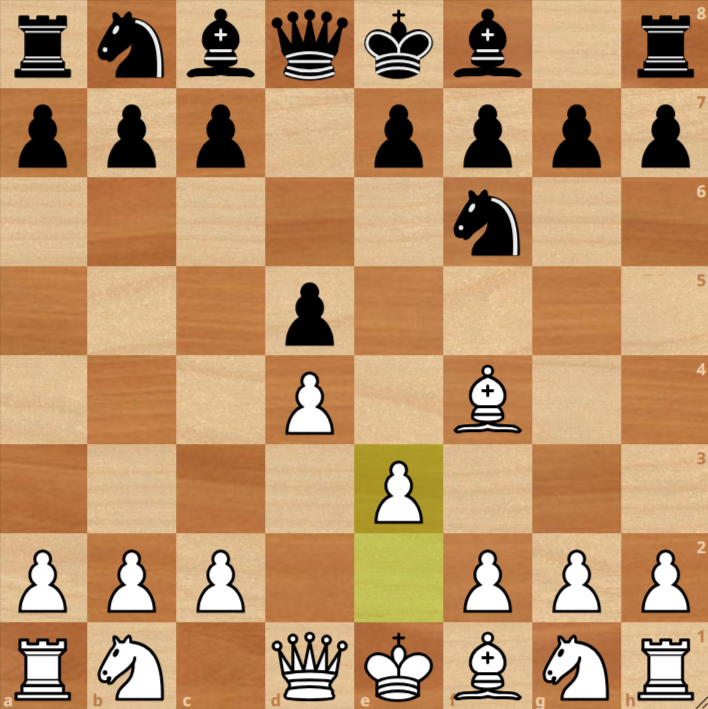
Players who adopt the London System often gain rating points because the system eliminates the need to memorize dozens of variations. You play the same setup repeatedly, and your opponent faces the burden of finding a solution.
How Pawn Structure Defines Closed Games
The Slav Defense represents Black’s most resilient response to 1.d4. This creates a solid structure where White gains space but Black gains time to organize a coherent plan. What separates closed games from the immediate tactical sharpness of open games is the strategic horizon. In a Sicilian Defense, a single miscalculation in the first 15 moves can spell immediate disaster.
In systems like the London or the Queen’s Gambit, early moves focus on staking a claim in the center. This establishes a clear pawn structure and shifts the battle toward deep middlegame plans.
The Long-Term Pressure of Fianchettoed Bishops
The Catalan, played in grandmaster games, emphasizes a fianchettoed bishop on the long diagonal that exerts pressure on Black’s center for the entire middle game. White does not attack immediately. Instead, White improves piece placement methodically: the bishop on g2 controls the long diagonal, the king’s knight anchors itself on e5, and the queenside knight frequently maneuvers via d2 to c4 to exploit holes in Black’s queenside structure.
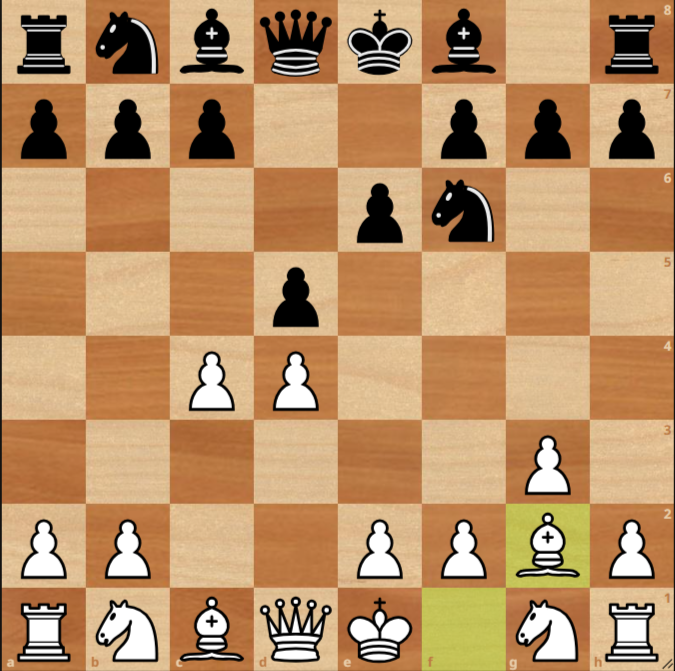
A 1500-rated player using these ideas will outplay a 1600-rated opponent who relies on tactics alone. This happens because closed positions reward deep plans over calculation.
Why Consistent Play Beats Memorization
In my years of coaching, I have seen that players who master one closed system get much better results. Those who constantly switch between multiple sharp openings tend to struggle.
The reason is straightforward: understanding your own position deeply matters more than memorizing lines. Playing the London System or Queen’s Gambit repeatedly builds strong intuition. Instead of guessing, you quickly learn which moves aid your position and which ones give away counterplay.
Mastering a single setup teaches you how to anchor your knight on the critical e5-square at the exact right moment. You also learn when to transition into a c4 pawn-push to actively break open Black’s center.
Repeated play helps you recognize when Black’s light-squared bishop needs to be traded off to eliminate counterplay. These insights come only through experience.
Your opponent must solve the puzzle you present, move after move, while you follow a plan you have tested hundreds of times.
Final Thoughts
Your opening choice matters less than understanding why you make it. If you love tactical complications and sharp positions, open games with 1.e4 e5 reward your style.
If you prefer building pressure methodically through superior pawn structures, closed games with 1.d4 or 1.c4 suit you better. Semi-open and semi-closed systems offer a middle ground where you control the game without relying purely on calculation or slow maneuvering alone.
Your rating level shapes which types of openings in chess serve you best. Instead of switching between multiple sharp lines, players rated 1400–1600 benefit most from learning one solid system deeply. Let the London System, Queen’s Gambit, or Italian Game become your foundation. Play them repeatedly to develop intuition.
Players rated 1600–1800 can explore semi-open defenses like the Sicilian because they have developed the tactical sharpness to navigate complications. Players above 1800 can master multiple opening systems because they understand the underlying principles that connect them.
Your next step is simple: choose one opening type that matches your playing style, commit to it for at least 20 games, and analyze those games carefully. If you want personalized guidance on building an opening repertoire suited to your style and rating level, Chess Gaja offers private coaching sessions where our FIDE-rated coaches analyze your games and recommend openings that strengthen your natural strengths.