

Last week, a 1400-rated student in Dubai asked us which chess openings ranked highest for winning more competitive games. He had been jumping between five different systems and losing consistency.
The truth is, not all openings work equally well for every player. At Chess Gaja, we’ve seen that matching the right opening to your playing style and skill level makes a real difference in results. This guide gives you the chess openings by their actual effectiveness at different levels, so you can pick one that fits how you play.
When I look at a list of openings ranked by “effectiveness,” I always tell my Chess Gaja Academy students to take it with a grain of salt. Effectiveness isn’t just about what the engines say; it’s about how many practical problems a line forces your opponent to solve.
As a Grandmaster and the founder of Chess Gaja, I rank openings based on real-world tournament results. We will cover everything from rock-solid systems used by GMs to sharp, high-risk weapons that crush club players.
We’ll find the perfect balance between theoretical soundess and the psychological edge you need to win.
Chess Openings Ranked for Beginner and Intermediate Levels
Your first move sets the tone for everything that follows, but around 1400-1500, consistency and basic principles matter far more than picking the “perfect” opening. Players who stick to one system improve much faster. Deeply learning its core ideas beats constantly switching between setups.
At this level, openings like the Evans Gambit and Caro‑Kann teach a key lesson. Some systems reward surprise and sharp tactics. Others reward deep preparation and solid structures. You don’t need to copy these exact lines. However, sticking to one well-known setup gives you a massive practical advantage. Success at this stage relies on three simple tests.
To begin with, ensure you reach the position often in real games. Next, look for lines that lead to middlegame plans you clearly understand. Your final choice must keep memorization to an absolute minimum.

Starting with 1.e4: Sharp Chess Openings Ranked
Playing 1.e4 steers the game into sharp, tactical positions that reward calculation and pattern recognition. If you choose 1.e4, you’ll mostly see the Sicilian (1…c5), but also 1…e5, the French (1…e6), the Caro‑Kann (1…c6), and various slower systems.
Instead of trying to learn everything, pick one main line versus the Sicilian and one reliable plan against all other replies. The Italian Game (1.e4 e5 2.Nf3 Nc6 3.Bc4) is an excellent alternative compared to the heavy theory of the Ruy Lopez, giving you clear, repeatable ideas.
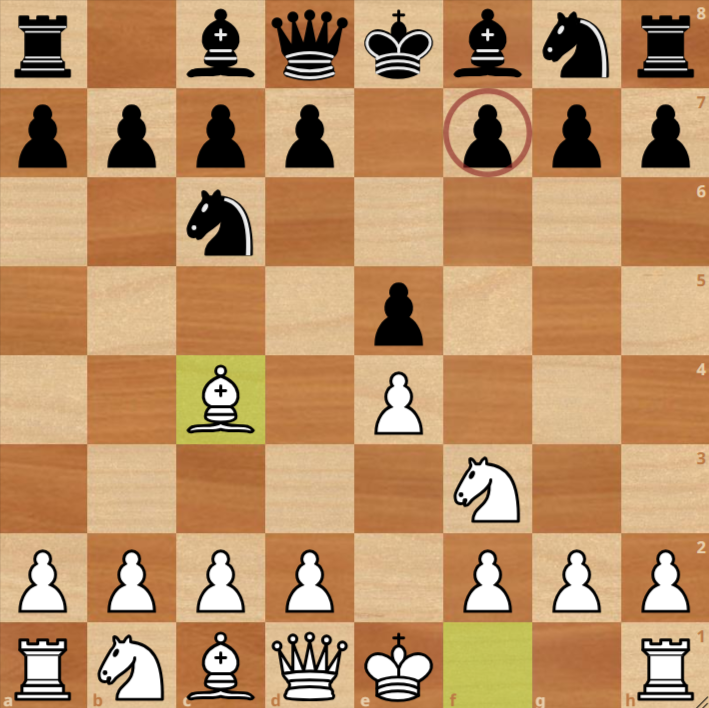
Many 1500-level players excel with the Italian Game. It teaches a highly consistent setup. You develop quickly, control the center, and put early pressure on f7 without juggling deep theory.
The 1.d4 Route: Positional Chess Openings Ranked
Playing 1.d4 steers the game toward positional battles where understanding pawn structures matters more than memorizing 20 moves. The Queen’s Gambit Declined is one of the lines that you might face as White, and it leads to very strategic play.
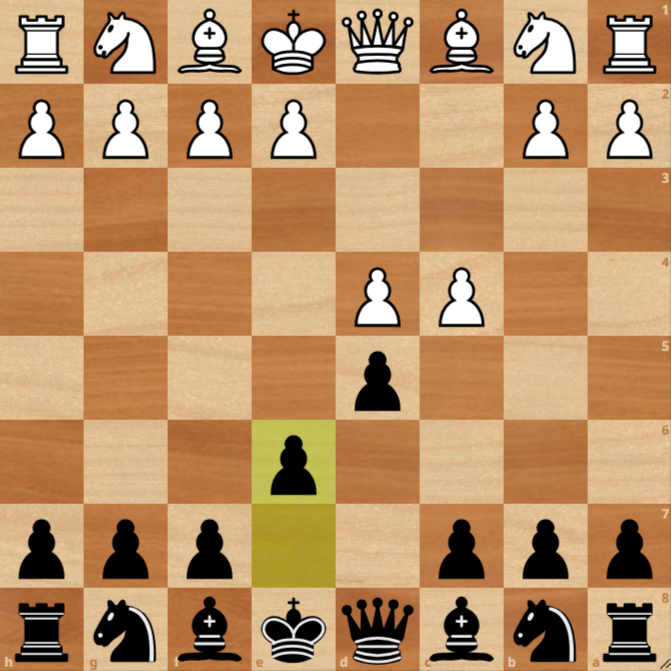
Many intermediate players like 1.d4 because games unfold logically: you build a position, follow a clear plan, and execute it step by step.
The London System offers a ready-made setup that works against almost any Black reply. When looking at chess openings ranked for developmental value, it is definitely a system to consider.
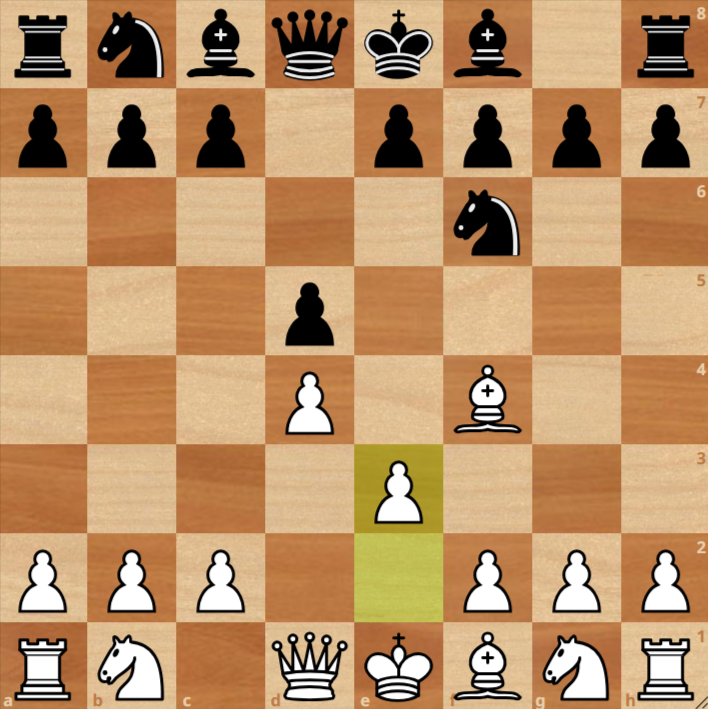
While it is highly reliable, relying solely on such fixed setups can sometimes stall your tactical growth. Mixing in classical, open lines ensures you also grasp sharp concepts like tempo and direct initiative.
Why 1.c4 Works for Patient Players
The English Opening (1.c4) appeals to players who enjoy flexibility and don’t want to enter the main theoretical battles early.
By playing 1.c4, you sidestep the sharpest opening lines. You can smoothly transition into Queen’s Gambit or Réti structures once Black commits to a setup.
This choice allows you to control the game’s direction without memorizing forced variations. Smart piece placement completely outweighs raw memory here. Strategic understanding wins the day. White typically scores well because unprepared opponents lack the experience to handle these deep setups.
However, 1.c4 requires patience; you rarely rely on early tactical blowouts, but you’ll build a superior position if you understand the middlegame plans.
This opening suits players who prefer a long-term advantage over immediate complications. When analyzing chess openings ranked by structural flexibility, the English always scores incredibly high. It teaches you how to control key squares and build pressure without forcing the action.
Once you choose your first move, the real work begins. Your main task is to learn the most common Black responses and prepare a concrete plan for each.
Mid-Level Chess Openings Ranked by Practical Performance
Once you settle on your first move, the real payoff comes from understanding which chess openings ranked by practical results deliver the best intermediate turnouts.
The Caro-Kann Defense serves as an excellent practical weapon for Black against 1.e4. By choosing this opening, you gain a highly reliable pawn structure that delivers clear middlegame plans without forcing you to memorize 30 moves of razor-sharp theory.
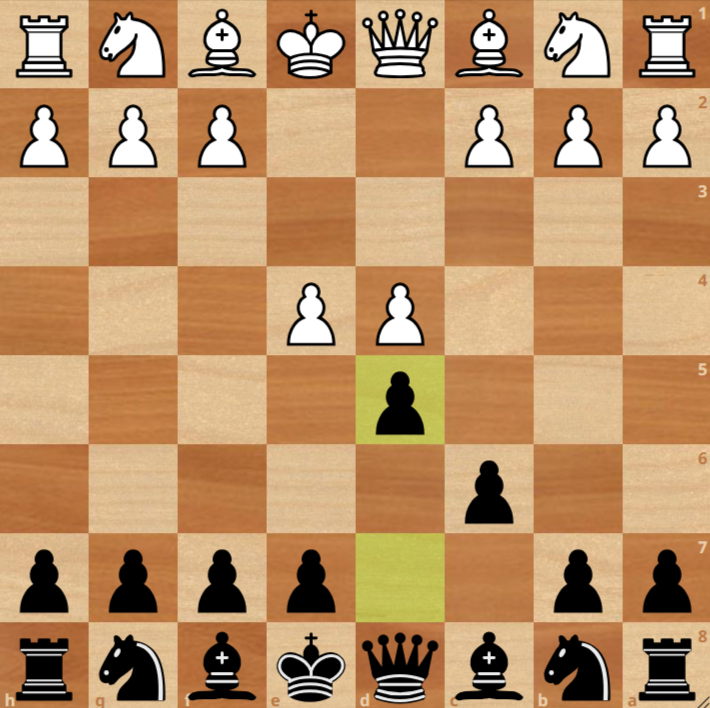
White players rarely prepare deeply against it at your level, creating a preparation imbalance that works in your favor.
The Caro-Kann: Solid Structure, Practical Results
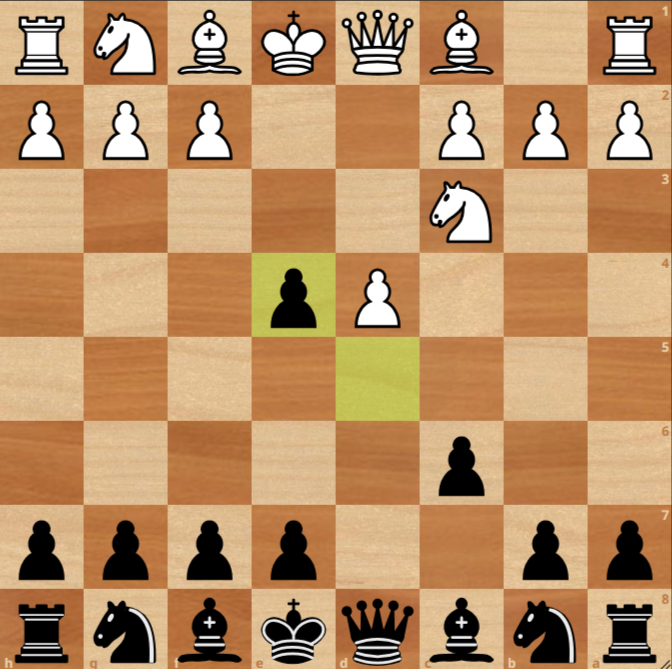
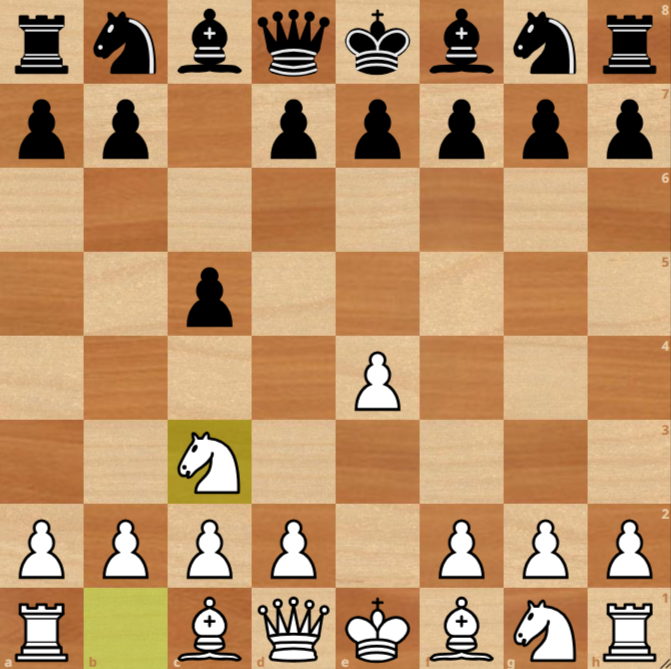
If you play Black against 1.e4, commit to the Caro‑Kann and focus on its two main setups: the Advance (3.e5)
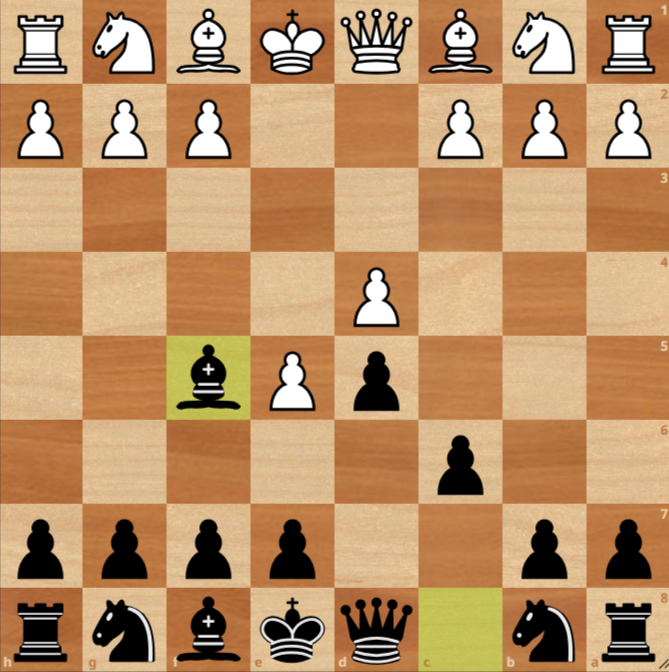
and the Classical (3.Nc3). In the Classical with 3.Nc3 dxe4, you learn to handle active, open positions, while in the Advance with 3.e5 followed by …Bf5, you build a solid, resilient structure and create counterplay through well-timed pawn breaks
The French Defense: Chess Openings Ranked by Strategic Tension
The French Defense is an excellent practical weapon. It offers a contrasting style to the Caro-Kann by creating early central tension and long-term strategic pressure.
Many White players misplay these structures because they don’t fully understand the strategic imbalances, which gives Black frequent practical chances.
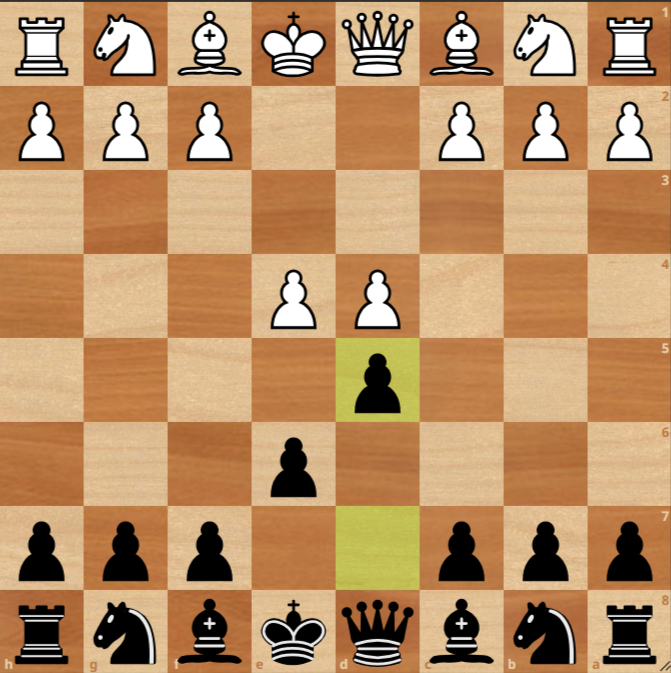
As Black, your main objective is to accept a slightly cramped initial position, absorb White’s early pressure, and then vigorously strike back at White’s extended central pawn chain.
While the Sicilian is theoretically richer and demands heavy memorization, the French is an excellent alternative if you enjoy complex, closed games. Otherwise, stick to the Caro-Kann for a more straightforward, solid structure.
White’s Practical Weapons Against the Sicilian (1…c5)
For White players looking for a practical weapon against the Sicilian Defense (1…c5), standard open lines require heavy theoretical memorization. Instead, systems like the Alapin Sicilian (2.c3)
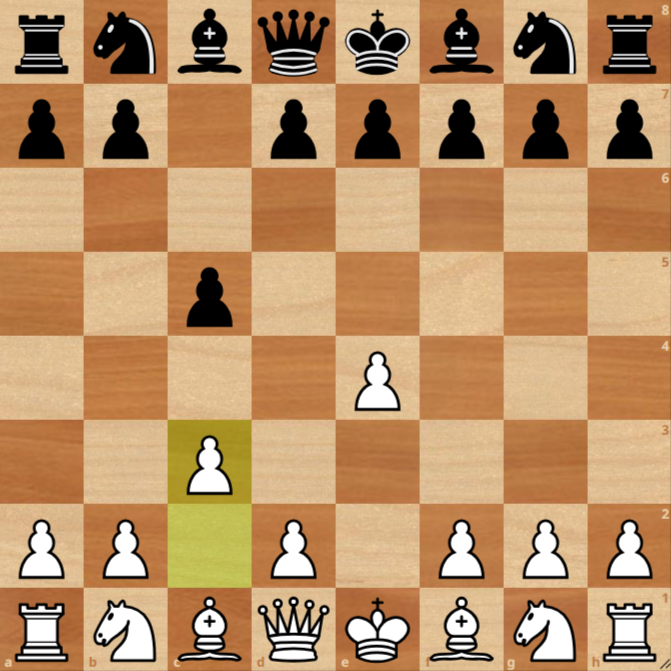
or the Closed Sicilian offer a complete strategic framework. They allow you to dictate the direction of the game, steering away from deep engine lines into positions where understanding the central pawn structure matters most.
Black’s Slav Defense Against 1.d4
Against 1.d4, the Slav Defense provides Black with a harmonious blend of solidity and counterplay.
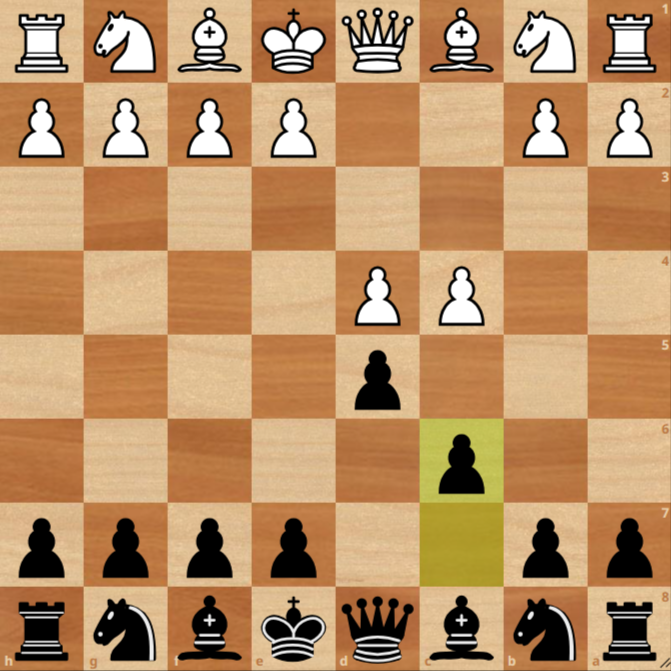
It appeals to intermediate players because you avoid the deep theory of the Nimzo-Indian. You still maintain genuine winning chances.
Building Your Preparation Strategy
Openings that generate clear middle game plans and minimize memorization outperform those that demand encyclopedic knowledge.
Test your choice against real opponents, analyze the resulting positions to identify which move orders appear most often, and focus your study on those critical lines rather than chasing every theoretical variation.
This targeted approach speeds up your progress far more than scattered study across dozens of sidelines.
Once you’ve selected your opening system and tested it in real games, the next step involves understanding how to handle the specific variations your opponents throw at you most frequently.
When Should You Move Beyond Beginner Openings
At 1500 strength, you’ve mastered basic opening principles and understand how your first-move choice shapes the middle game. Here’s the change: we’re moving from simple, repeatable systems to new chances that require more understanding but offer real advantages.
The Ruy Lopez, King’s Indian Defense, and Nimzo-Indian represent three different approaches to competitive chess, each suited to players with distinct strengths.
The Ruy Lopez for White side: Building Pressure Through Precision
Historically, The Ruy Lopez has stood as one of the most reliable weapons in competitive chess. Transitioning from simpler open setups or the Italian Game to this opening teaches White how to build pressure through precise piece placement and long-term central control, rather than relying on early tactical fireworks.
The learning curve is steep. Deep strategic ideas fill the Ruy Lopez, extending far beyond basic setups. However, the payoff justifies your time investment.
Rather than memorizing 30 moves, you will learn three or four critical positions. Master the strategic goals in each one.
For Black players facing the Ruy Lopez, choosing the Berlin Defense offers a rock-solid shield.
The Berlin Defense: A Grandmaster’s Safe Haven
For a rock-solid defensive option, the Berlin Defense 3…Nf6 is famous at the grandmaster level for its solidity, but at the club level, it leads to deep strategic fights. It appears frequently at the highest levels of competitive play.
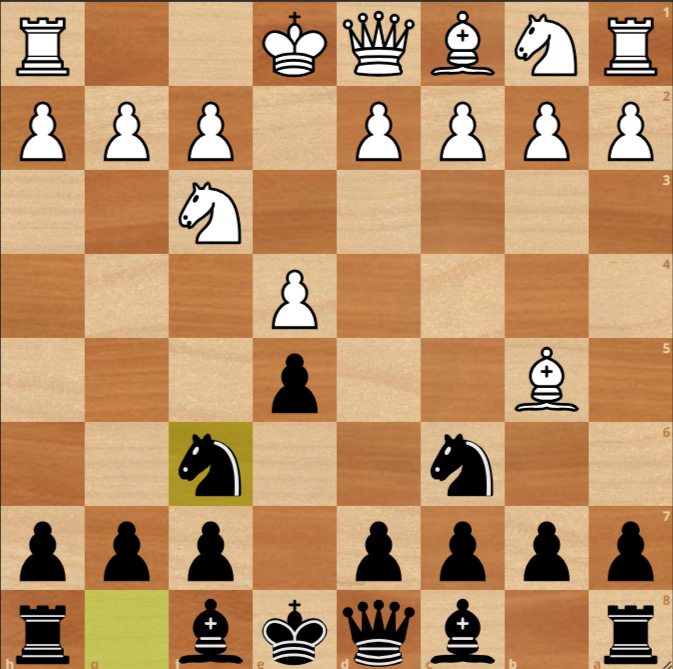
I would like to add some more details about Berlin Defense for Black, as it’s my most favorite opening and I have had some tremendous success in my playing career playing the Berlin I highly favor the Berlin for its technical endgame positions and deep outmaneuvering possibilities. White players often approach the Berlin carelessly. They expect an automatic draw without putting in the real work. However, that is a mistake. This opening requires high precision from both sides.
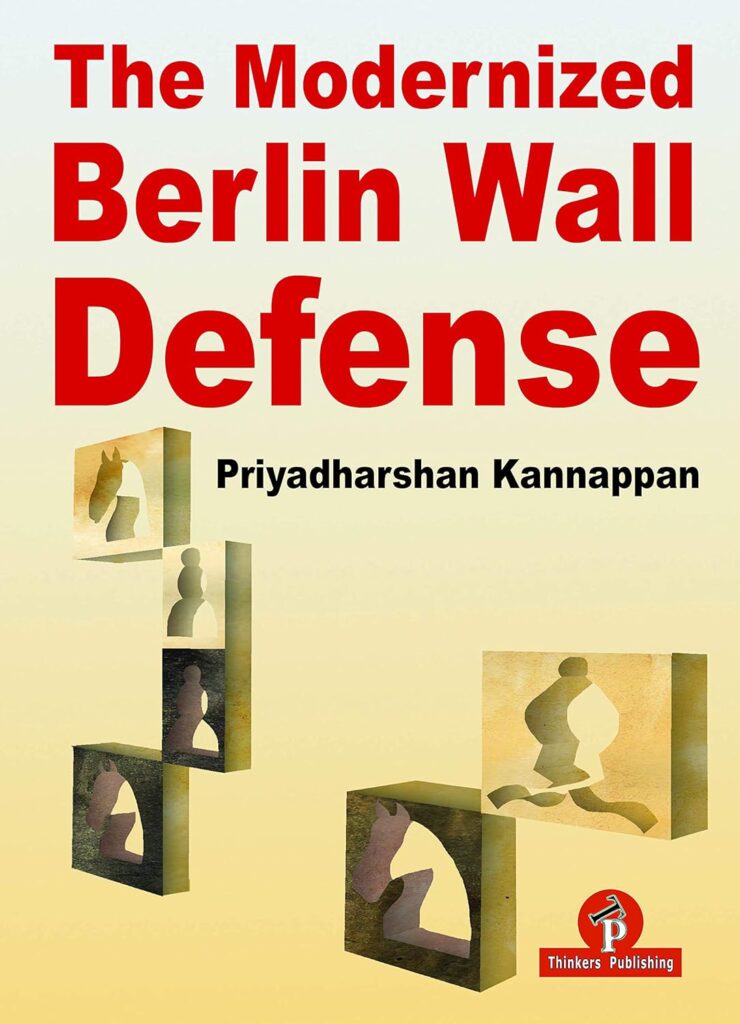
I would also like to add that I wrote the book “The Modernized Berlin Wall Defense” for Thinkers Publishing and I would recommend you check out the book if you are looking to learn the Berlin from the Black side perspective
This shift tells you something crucial. Top players choose defenses because they understand the resulting positions deeply, not just because they memorized lines.
If you want to succeed in competitive play, you must prepare a targeted plan against the Berlin. You also need a weapon against the classic Open Variation 3…a6 4.Ba4 Nf6 5.O-O Nxe4.
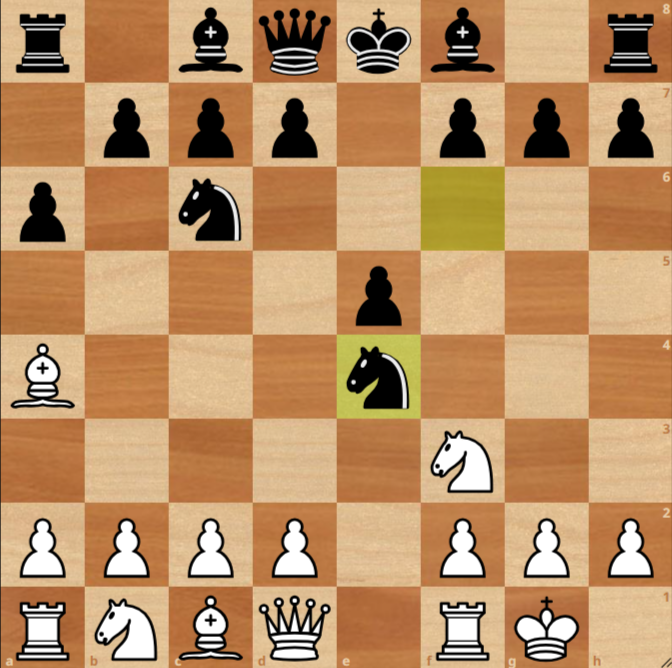
Test your White side ideas against both of these variations repeatedly in training games to build confidence. Your opponents at 1500 strength rarely understand these positions as well as you will after focused study, creating a genuine preparation edge.
The King’s Indian Defense: Fighting for Initiative
The King’s Indian Defense offers Black players a completely opposite philosophy. Instead of accepting a static structure, you fight for the initiative using dynamic piece activity and aggressive counterattacks. This sharp, tactical system perfectly suits players who welcome complications and don’t mind defending under pressure.
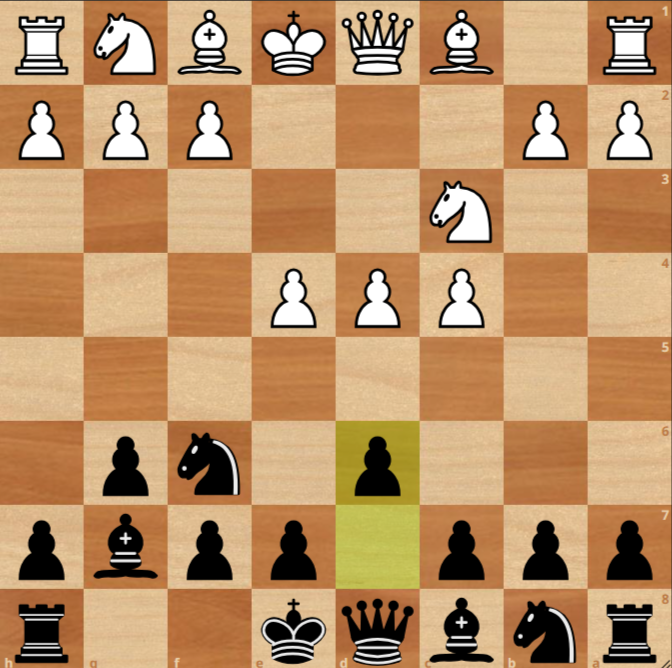
You’ll face positions where White controls space but Black maintains active pieces and concrete threats. This opening teaches you how to create counterplay in positions where White appears to have an advantage, a skill that transfers to many other defensive systems.
Understand the King’s Indian better by testing it in real games. See which White setups appear most frequently, then focus your study on those specific variations.
The Nimzo-Indian: Positional Chess Openings Ranked for Black
The Nimzo‑Indian Defense sits perfectly between solid and dynamic styles, giving Black flexible structures and multiple strategic plans depending on White’s setup.
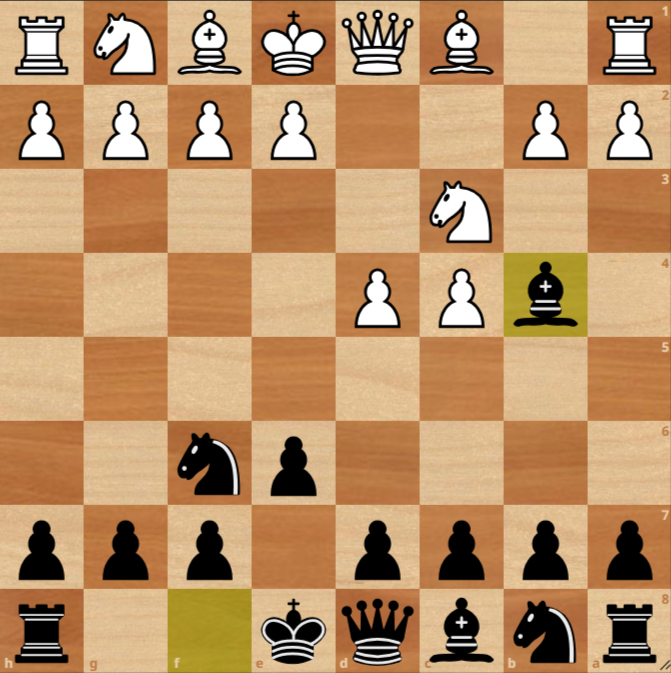
For competitive play, it works better than riskier choices like the Benoni or Benko. Those lines demand very precise handling for the same practical reward.
A great companion to this repertoire is the Ragozin Defense, which serves as a dynamic variation of the Queen’s Gambit Declined
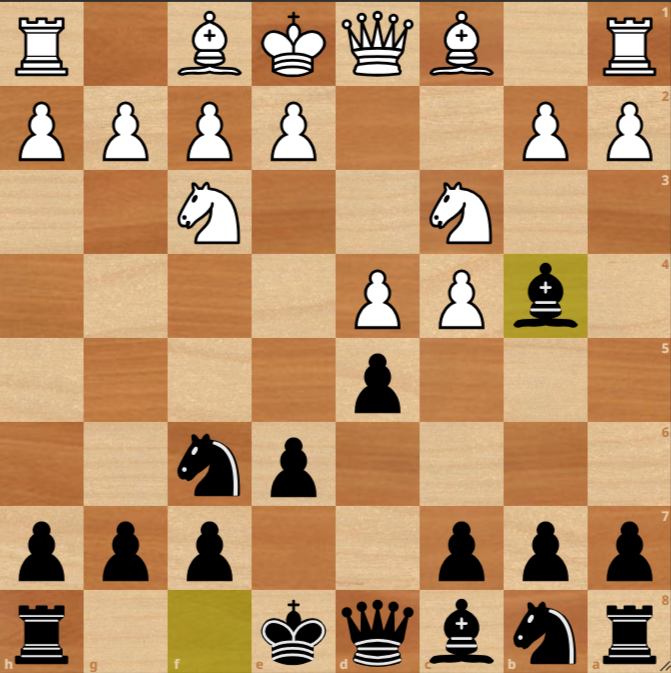
Top grandmasters heavily test this line at the 2700+ level. It provides intermediate players with highly active piece play. Club players often misplay its unique pawn structures. Because of this, your focused preparation converts directly into rating gains, and the Nimzo‑Indian’s flexibility lets you tailor your plan to the opponent rather than memorizing a single rigid system.
Selecting Your Competitive Chess Openings Ranked
Choose your preferred openings based entirely on your playing style. If you prefer building long-term pressure, commit to the Ruy Lopez. If you enjoy sharp, tactical complications, study the King’s Indian. For flexibility and multiple strategic ideas, invest your time in the Nimzo-Indian.
At 1500 strength, the opening you choose matters far less than understanding it deeply enough to handle your opponent’s most likely responses without hesitation.

Final Thoughts
The chess openings ranked by effectiveness in this guide share one common trait: they work best when you understand them deeply rather than memorize them superficially. Personal playing style matters far more than the exact variation you choose. The real competitive edge comes from picking one system that matches your natural strengths. Study it thoroughly so you can handle common responses without hesitation.
Instead of scattering your study across rare sidelines, focus your preparation entirely on the critical lines and move orders that appear most frequently in your real tournament games. To help you master these exact structures, our FIDE-rated coaches at Chess Gaja stand ready to build a customized repertoire that turns theoretical preparation into real tournament results.