
Last month, a 1500-rated student in Dubai told us she felt completely lost navigating different chess openings like the Sicilian and French Defense. She had memorized endless lines but didn’t understand the actual ideas behind them.
At Chess Gaja, we see this problem constantly. Most players learn openings backward-they memorize moves first and understand ideas later. The truth is, different chess openings teach you different skills, and picking the right ones for your level matters far more than knowing the most popular ones.
When I sit down with a new student at Chess Gaja Academy, the biggest hurdle isn’t a lack of effort. They are simply spreading themselves too thin.
I’m Grandmaster Priyadharshan Kannappan. Over years of coaching, I’ve learned that you don’t need to know every line in the book. You just need the right systems for your style. In this post, I’m cutting through the noise. I will showcase a few high-impact openings built for long-term growth and show you how to turn them into creative wins.
Which Openings Should Beginners Actually Learn First
The Italian Game: Rapid Development and Tactical Pressure
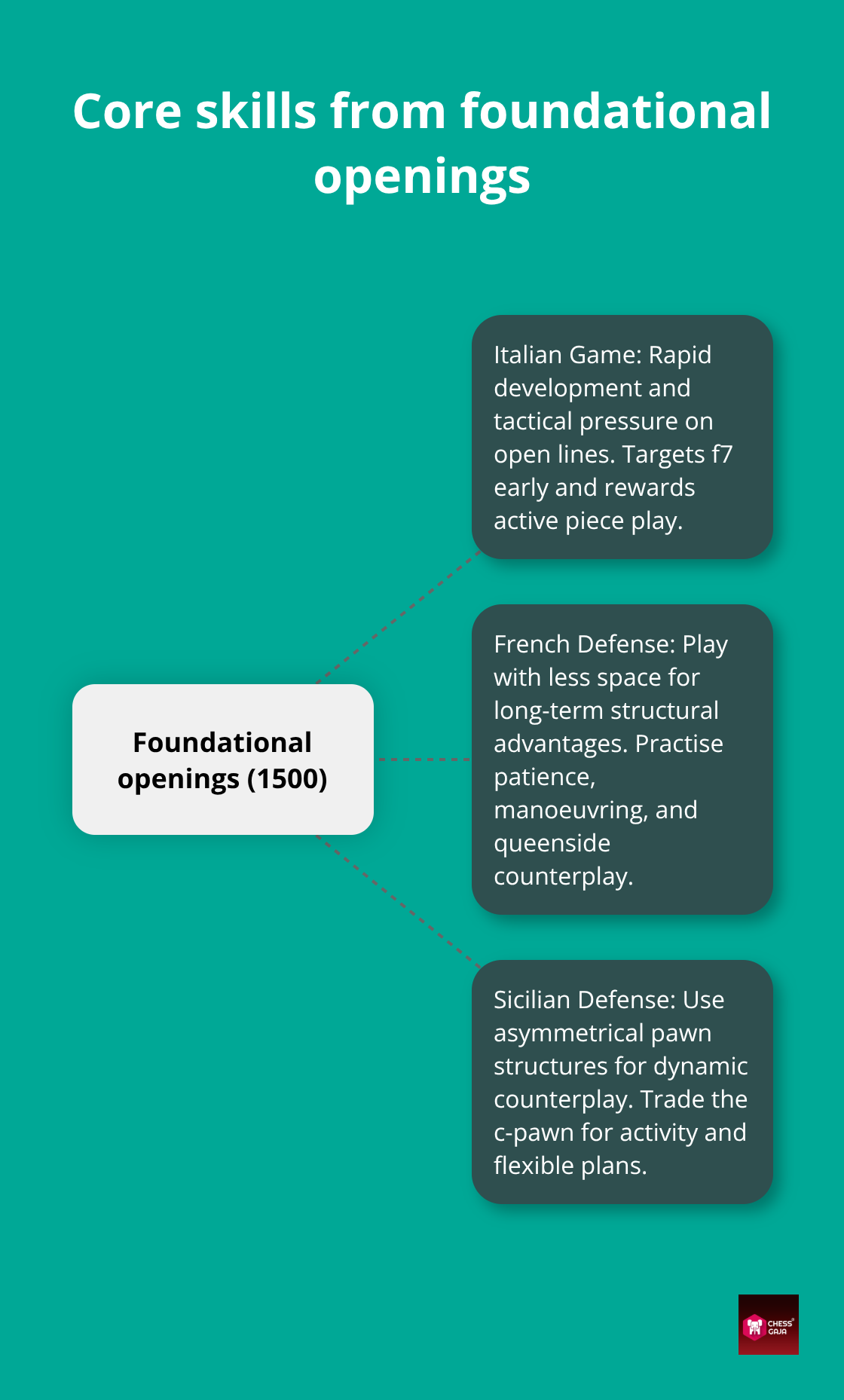
The Italian Game, French Defense, and Sicilian Defense form the perfect foundation for a 1500-rated player. They aren’t just popular because they are fashionable. They are popular because they teach vital skills.
Take the Italian Game, for example. It emphasizes rapid development and sharp tactics. By playing 1.e4 e5 2.Nf3 Nc6 3.Bc4, you place your bishop aggressively on the a2-g8 diagonal.
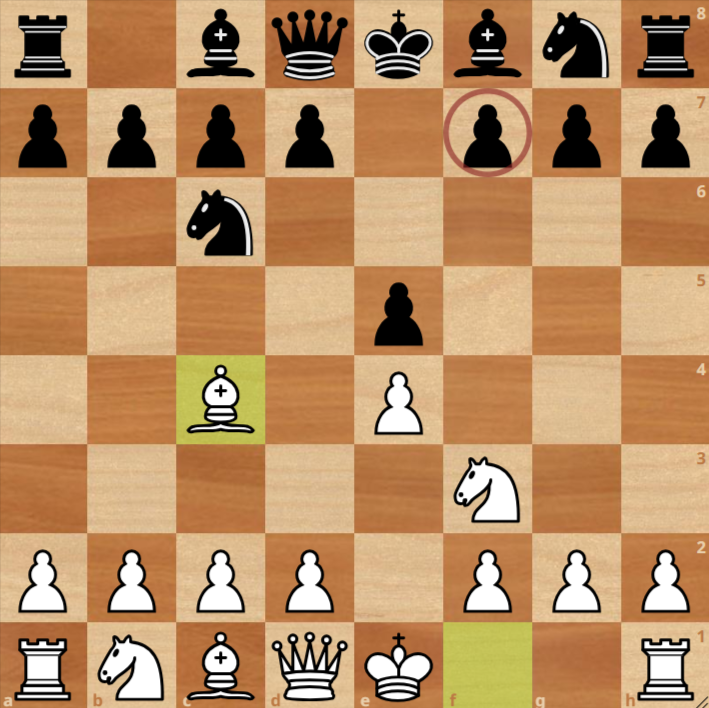
From move three onward, you are eyeing the weak f7 square and creating immediate pressure.
This isn’t theory for theory’s sake; it’s a concrete plan you can execute in your next game.
The French Defense: Playing With Less Space
The French Defense as Black works differently. It teaches you how to play when the center is blocked, how to maneuver pieces in tight spaces, and how to generate counterplay on the queenside. After 1.e4 e6 2.d4 d5, you accept a slightly cramped position in exchange for long-term structural advantages.
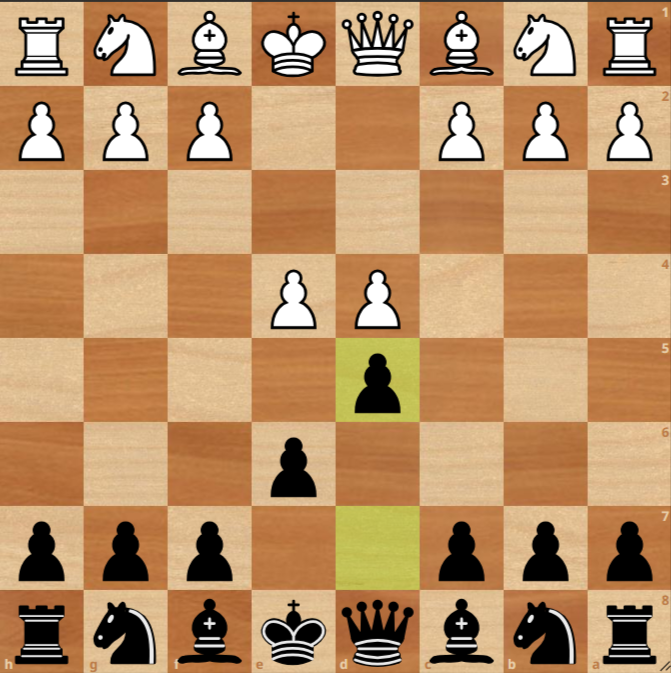
This matters because at 1500, many players panic when they have less space. The French shows you that space isn’t everything-compensation exists elsewhere on the board.
The Sicilian Defense: Dynamic Counterplay
The Sicilian Defense stands as the most practical Black choice against 1.e4. It leads to dynamic, unbalanced positions where both sides have genuine winning chances.
By opening with 1.e4 c5, you enter the Sicilian Defense. In the highly popular Open variations starting with 2.Nf3 d6 3.d4 cxd4, you trade your flank c-pawn for White’s central d-pawn.
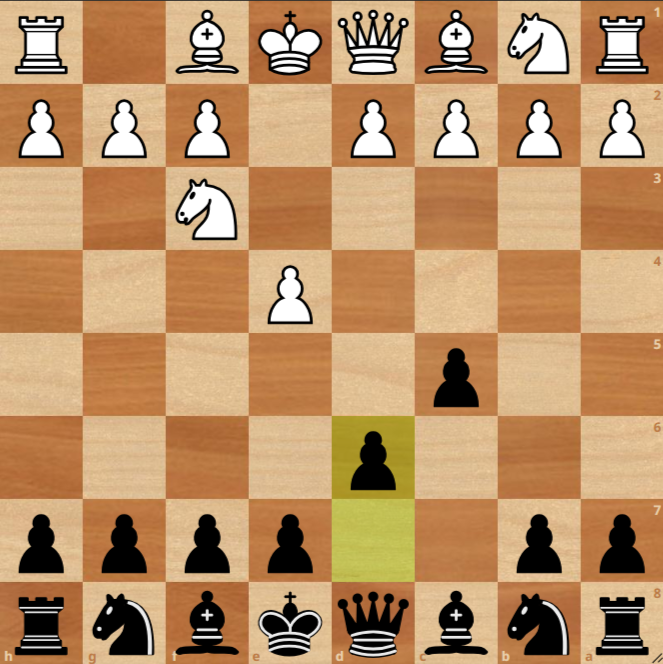
This trade grants you an extra central pawn and open files. Ultimately, this asymmetrical pawn structure proves that Black does not need to mirror White’s setup to achieve total equality.
Understanding Ideas Over Memorization
Don’t memorize these openings beyond move five or six. Instead, understand the single idea each one teaches.
Look at the core themes: the Italian prioritizes rapid piece activity and tactical sharpness, while the French demands patience and positional compensation. If you choose the Sicilian, your main goal is generating dynamic counterplay through asymmetrical pawn structures.
Spend one week on each opening by playing ten games with it, then move forward. Focus on opening principles-center control, piece development, and king safety-before worrying about exact move orders.
At your level, a player who understands why they play a move matters far more than one who memorizes the next four moves.
Building Your Foundation Through Real Games
Once you play each of these three openings in real games and feel how they actually play out, you’ll have the foundation to choose which direction your repertoire grows.
Diving into real games gives you the concrete hands-on experience needed to reveal your natural playing preferences. Once you identify which of these foundational structures resonates with you, you can strategically expand into advanced systems that complement your strengths.
Advanced Openings That Match Your Playing Style
Strategic Play With the Ruy Lopez
Once you’ve spent a few weeks playing the Italian, French, and Sicilian, you’ll notice something important: your results depend less on knowing theory and more on understanding what positions you actually want to reach. This is where the openings most players study at 1500 start to matter. The Ruy Lopez teaches strategic play rather than tactical tricks. This means you will execute long-term plans instead of endlessly calculating variations.
When you play 1.e4 e5 2.Nf3 Nc6 3.Bb5, you choose a positional battle. Here, piece activity and pawn structures determine the game over 30 or 40 moves.
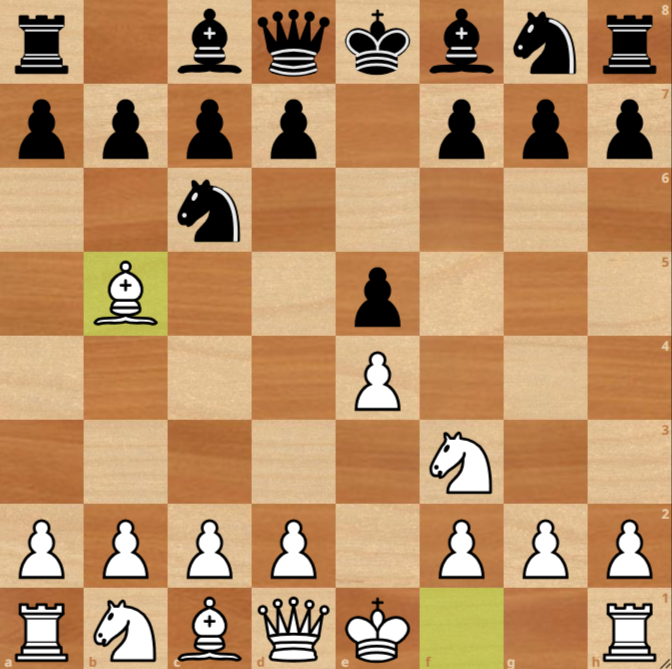
It works perfectly at the 1500 level because it rewards methodical improvement. You can’t memorize your way through a Ruy Lopez game-you have to understand which squares matter, when to trade pieces, and how to create long-term pressure on your opponent’s position.
Central Control With the Queen’s Gambit
The Queen’s Gambit operates on the same principle from a different starting point. Playing 1.d4 d5 2.c4 gives you excellent central space. It offers the flexibility to transpose into various middlegame structures based on Black’s choices
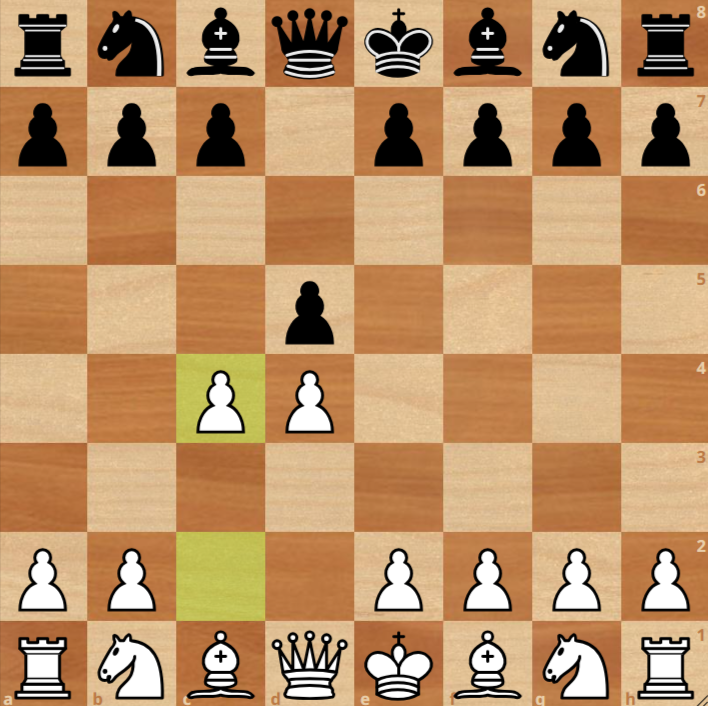
At the 1500 level, this flexibility is a massive advantage. It prevents you from needing to learn dozens of separate openings. Instead, you master one setup and adjust your plans dynamically.
The Queen’s Gambit also teaches you something the Italian and French don’t: how to play strategically in closed positions. This skill separates 1500-rated players from stronger ones.
System-Based Approaches for Consistent Plans
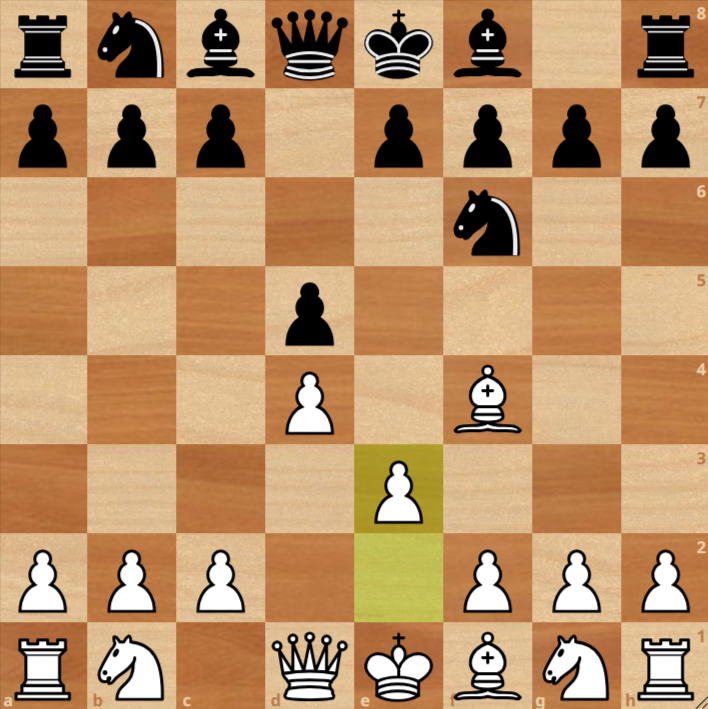
Modern setups like the London System function differently from classical openings. They prioritize consistent development over memorizing your opponent’s options.
The London System gives White a reliable framework. Your first 8 or 9 moves follow a similar pattern regardless of Black’s setup. At your rating, this predictability is invaluable. It keeps you from wasting hours memorizing deep variations before understanding your own early middlegame plans.
Dynamic Counterplay for Black Players
From Black side perspective, the Nimzo-Indian and King’s Indian Defense offer similar advantages.
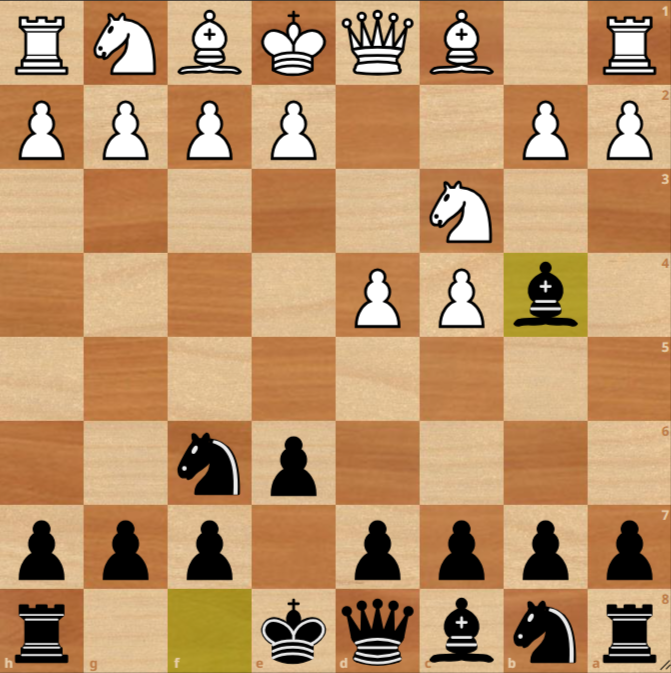
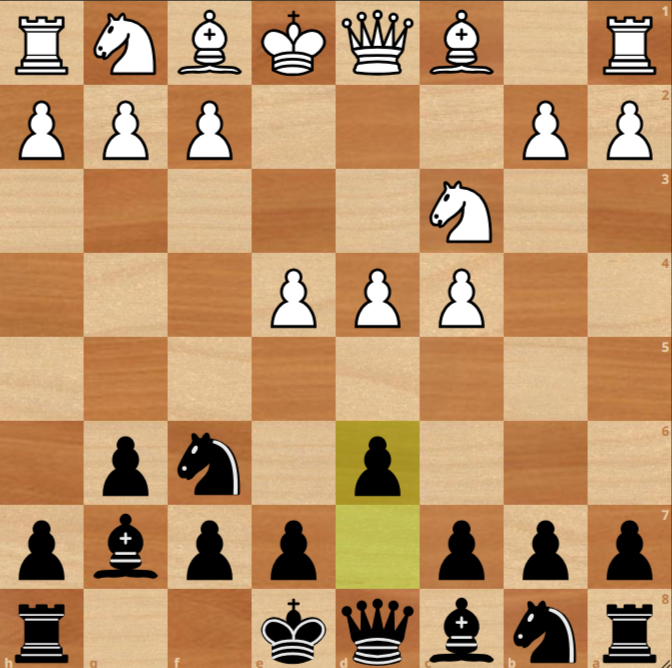
Both systems lead to positions where key concepts matter far more than concrete memorization. The Nimzo-Indian teaches you how to fight for the center using piece pressure and pins, while the King’s Indian Defense teaches you how to launch a powerful kingside attack against 1.d4 by mastering a reliable, universal pawn structure.
Committing to Your Choice
Choose one opening from each of these advanced categories based on which middlegame positions appeal to you, then commit to it for at least 20 games before changing.
Twenty games gives you enough experience to understand whether the opening suits your style, and it prevents the common mistake of switching openings every few weeks because you lost a couple games.
Once you’ve identified which advanced openings work for you, the next step involves recognizing the mistakes that trap most players at your level-mistakes that prevent them from converting their opening knowledge into actual wins.
Common Mistakes Players Make When Learning Openings
Memorizing Lines Without Understanding Ideas
Most 1500-rated players hit a wall because they solve the wrong problem. They spend hours memorizing lines from YouTube videos and chess databases, then wonder why they still lose games.
The real issue isn’t a lack of theory—it’s building your chess knowledge on a shaky foundation. Memorizing move sequences without grasping the underlying concepts leaves you completely stranded the moment an opponent deviates from standard book lines.
For instance, a student in Abu Dhabi memorized 12 moves of the Ruy Lopez perfectly. Yet, he lost within 15 moves because his opponent played an unusual 10th move. He knew the sequence but not the principles. Consequently, he had no real way to evaluate the new position.
Why do so many players fall into this trap? Simply because ticking off moves on a checklist feels highly productive, whereas deeply understanding abstract positional concepts is much harder to measure. However, relying purely on memory will always collapse when faced with the unexpected over the board.
The problem is that memorization without comprehension collapses the moment your opponent plays something unexpected.
Focus instead on learning key ideas per opening and play 15 games with each one. During those games, write down the positions where you felt uncertain and ask yourself why. That reflection teaches you far more than memorizing move 15.
Neglecting Endgame Preparation
The second mistake costs you equally: you learn openings while ignoring endgames. At 1500 based on my analysis of Chess Gaja student games, roughly 30 percent of your games reach the endgame phase, yet most players spend 80 percent of their study time on openings. This imbalance exists because opening study feels glamorous and endgame study feels tedious.

However, endgame fundamentals directly impact which openings you should play. If you cannot convert a rook endgame, playing the Ruy Lopez makes little sense because that opening often leads to simplified positions where rook endgames matter.
The Queen’s Gambit, by contrast, frequently transitions into endgames where pawn structures determine the outcome.
Choose your openings knowing what endgames they produce, then study those endgames first. This reverses the normal approach but produces better results because your opening choice now supports your actual strengths.
Playing Openings That Don’t Match Your Style
The third mistake is playing openings that contradict your playing style. A tactical player who loves sharp positions shouldn’t memorize the Caro-Kann Defense because that opening leads to closed, maneuvering positions.
Equally, a patient positional player will struggle with the Sicilian Defense because it demands tactical alertness and rapid decision-making.
The solution is simple: commit to playing a new opening for at least 15 to 20 rated games before deciding whether to keep or replace it.
Your opening choice should amplify your natural strengths, not fight against them. Playing an opening that doesn’t suit you means you learn theory while playing chess you don’t enjoy, which guarantees you’ll eventually abandon it.
Final Thoughts
Your opening choice matters far less than your commitment to understanding it. At 1500, the players who improve fastest aren’t those who memorize the most lines-they’re those who pick different chess openings aligned with their goals and stick with them long enough to develop real competence.
If your goal is to reach 1800, you need openings that teach you strategic thinking and positional awareness, not ones that demand endless memorization.
Building a practical repertoire means choosing two or three openings maximum and playing them consistently across 50 games before expanding.
This approach prevents the trap of constantly switching systems because you lost a few games. Track which openings produce your best results and which ones feel uncomfortable, then add one new opening to your repertoire every two months, always testing it in real games before committing.
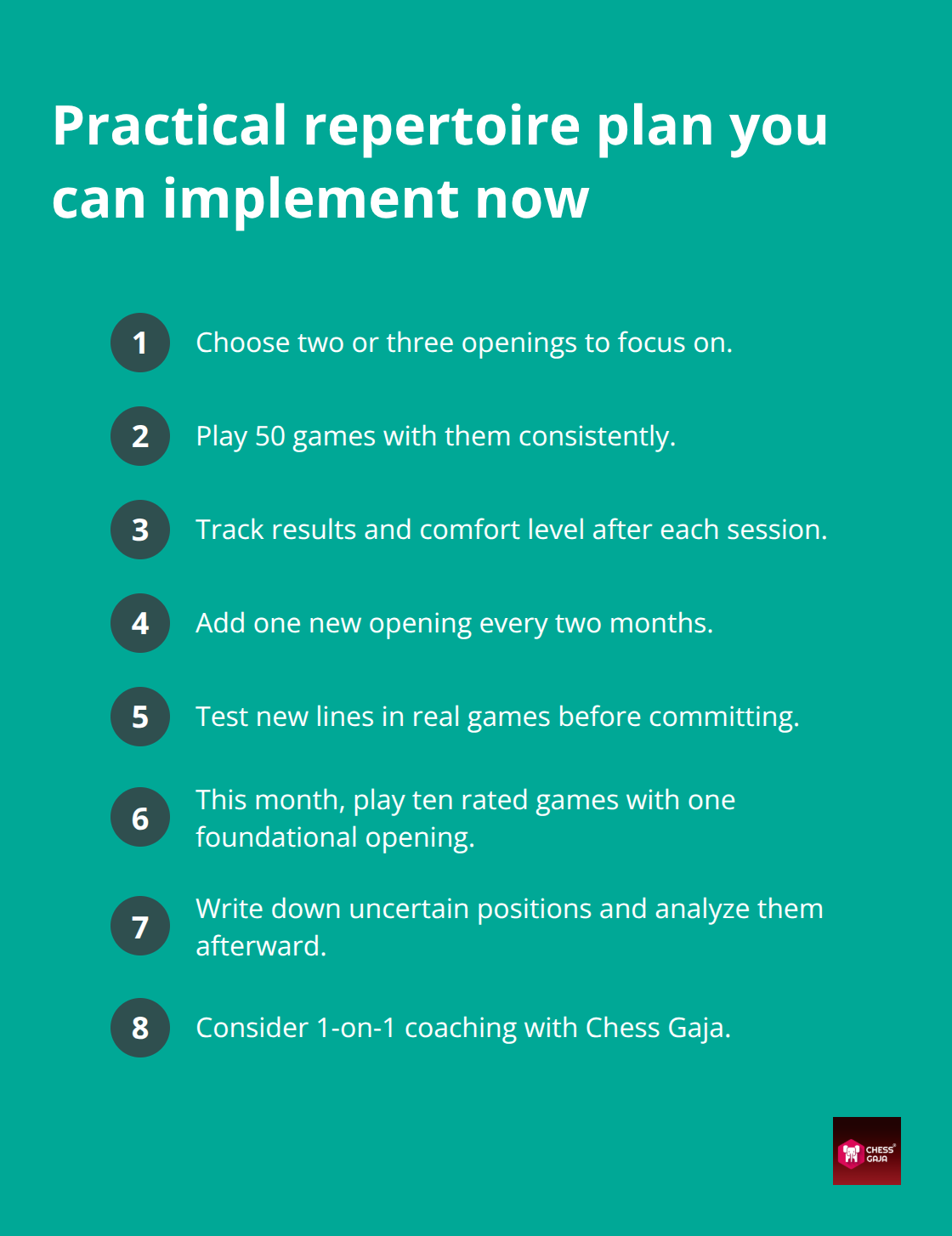
Pick one foundational opening from the first section and play ten rated games with it this month. Write down the positions where you felt uncertain and analyze them afterward, or work with the coaches at Chess Gaja who offer personalized instruction through 1-on-1 sessions designed specifically for players at your level. Start this week, stay consistent, and your opening knowledge will finally translate into wins.