
Tactical patterns decide chess games at every level. Are you a student preparing for your first tournament? Or are you already competing in regional championships? Either way, your ability to spot winning moves separates you from players stuck at a plateau.
At Chess Gaja, we’ve coached thousands of players across 40+ countries, and we’ve seen one truth repeatedly: players who learn chess tactics step-by-step jump ratings faster than those who don’t. This guide shows you exactly how.
At Chess Gaja Academy, I see a lot of players “solving” hundreds of puzzles without actually getting any better at the game. I’m Grandmaster Priyadharshan Kannappan, and I’ve learned that the secret isn’t in the quantity of puzzles you solve, but in how you train your “tactical radar.” Real improvement happens when you stop guessing. Instead, start calculating forcing moves—checks, captures, and threats. Train yourself to see the solution all the way to the end.
In this guide, I’ll show you how to move past mindless clicking. You will learn to build a routine that fixes your pattern recognition and sharpens your sight for real games.
What Separates Tactics From Everything Else in Chess
Tactics Beat Strategy Every Time
Tactics are forced sequences where you exploit your opponent’s pieces through threats they cannot ignore. Strategy involves long-term planning-controlling space, building advantages, improving piece placement.
The difference is massive. A brilliant strategic plan collapses in a single move if you miss a tactical blow. This is why tactics always come first. An 800-rated beginner can easily beat a 1200-rated opponent. All it takes is spotting a single fork or pin that the stronger player overlooks.
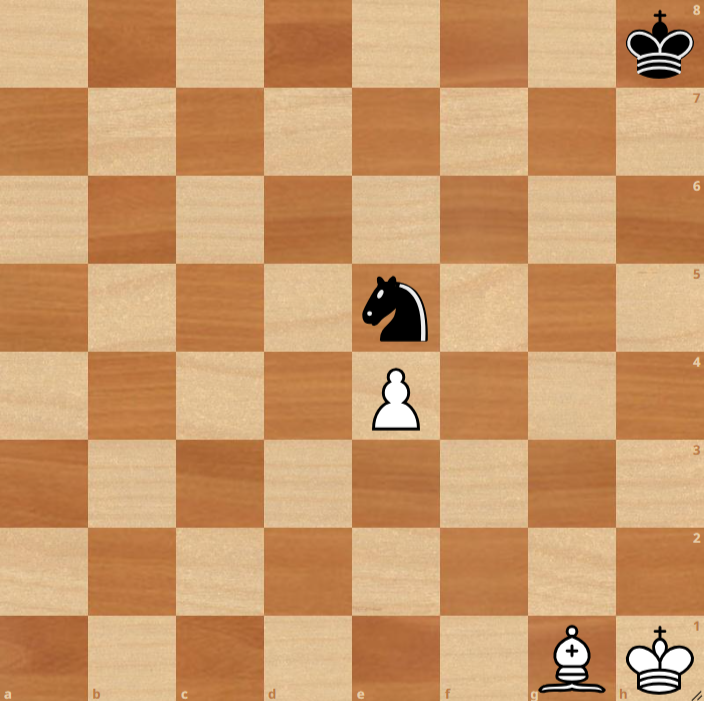
While your deep strategic plans or opening choices matter, they mean nothing if you overlook immediate tactical blunders. Ultimately, the tactical moment rewards pattern recognition and sharp calculation above all else.
The Five Patterns That Win Games
Students who master the five core patterns-pin, skewer, fork, removing the defender, and discovered attack-see immediate rating jumps.
A pin restricts a piece because moving it exposes something more valuable behind it.
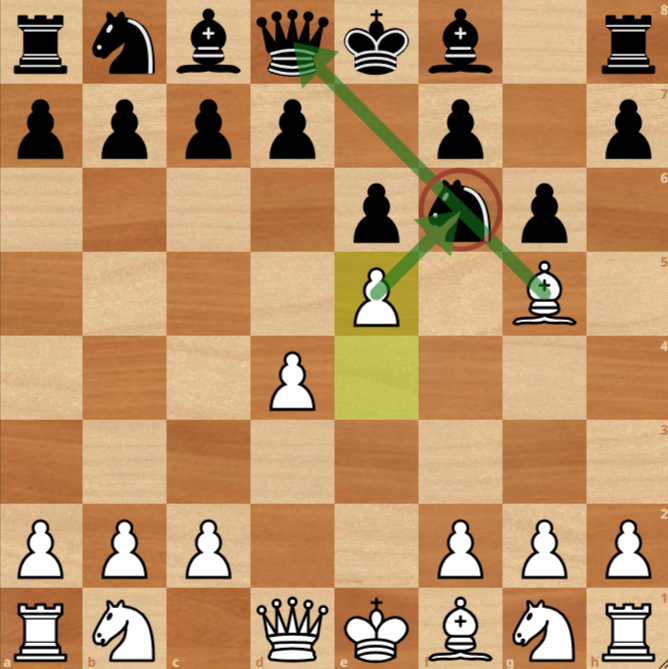
A skewer forces a high-value piece to move, revealing a lower-value piece you capture next.
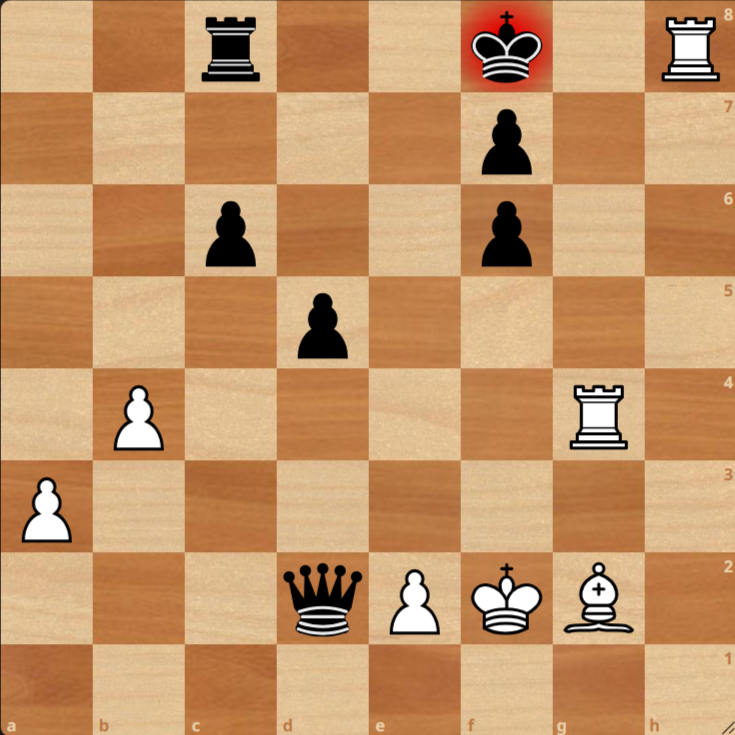
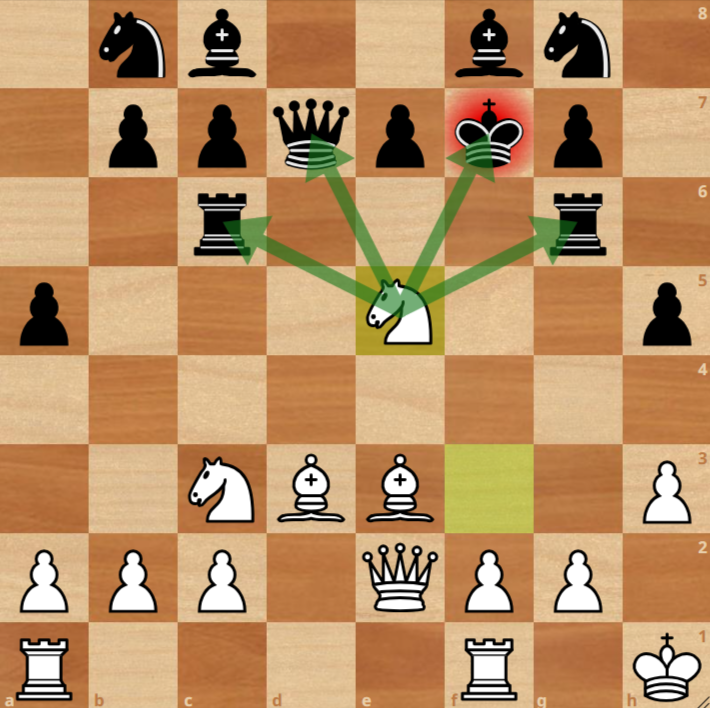
A fork creates two threats at the same time, making defense impossible.
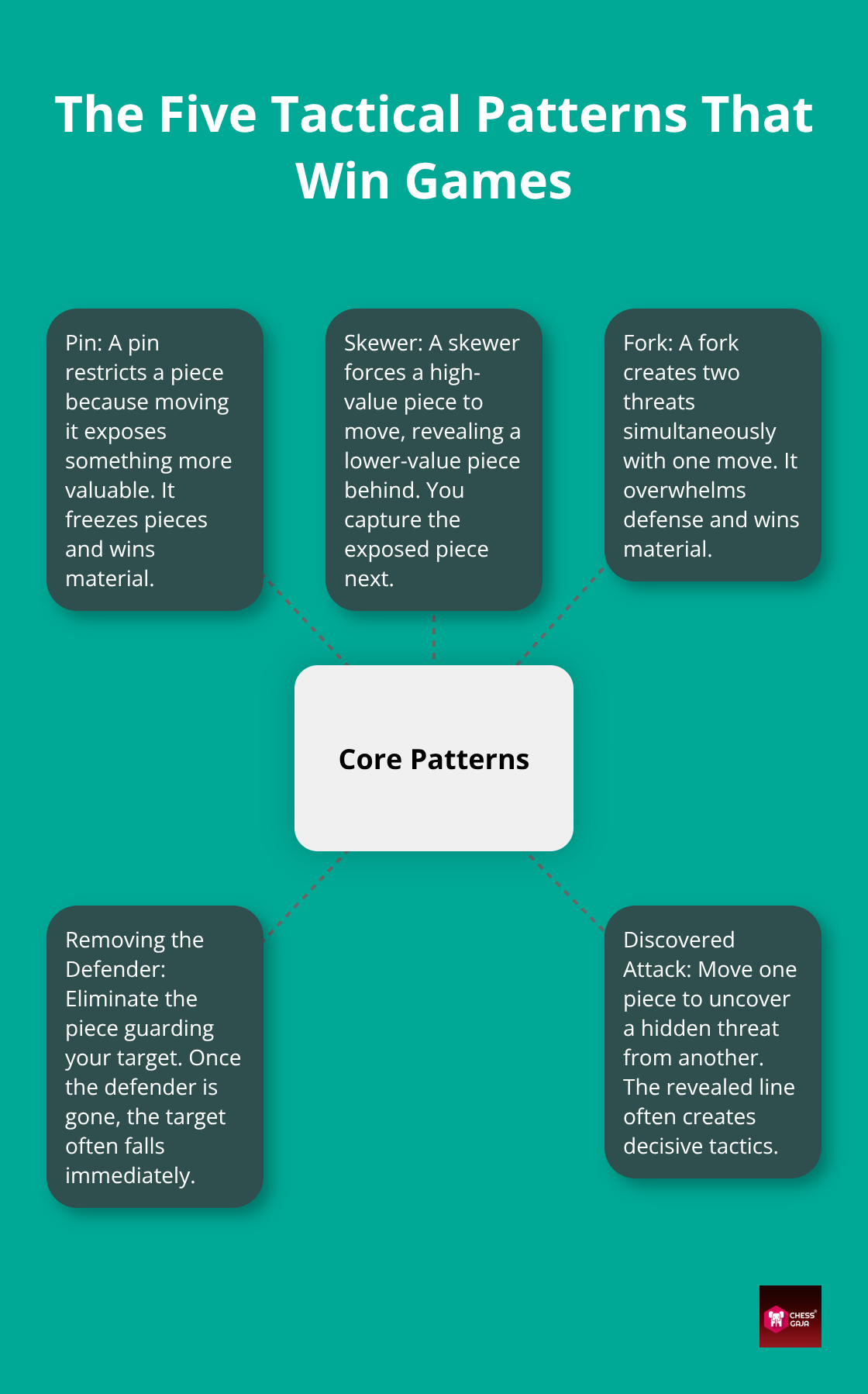
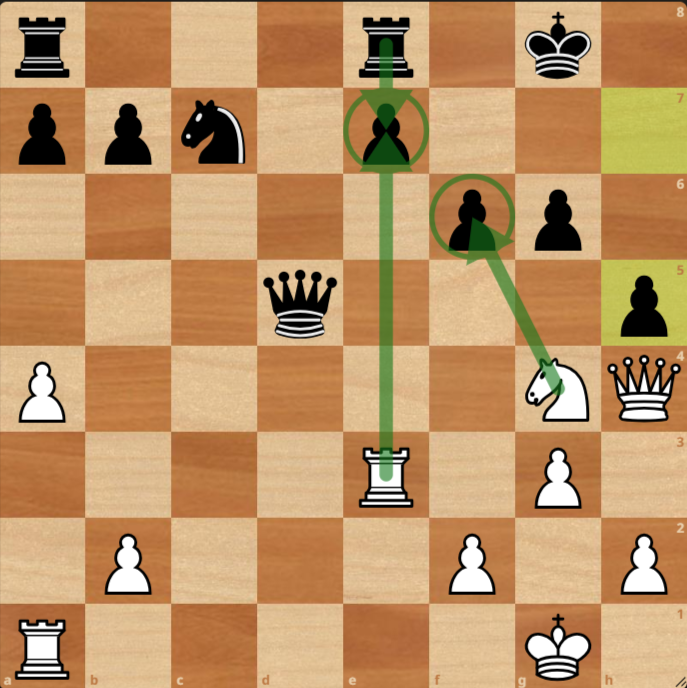
Removing the defender involves eliminating the piece protecting your target.
A discovered attack uncovers a hidden threat when you move one piece out of the way.
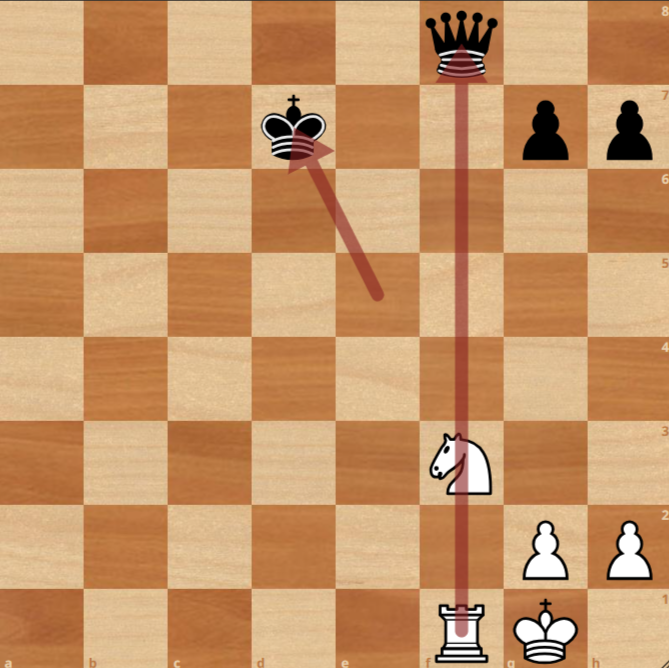
These patterns repeat thousands of times across all rating levels. Students in Singapore, the UAE, and the USA who focus puzzle training on these motifs for 30 minutes daily see measurable progress within four weeks.
Why Your Rating Climbs With Daily Tactical Work
Your rating climbs fastest when you treat tactics as a daily habit, not a weekend activity. Players averaging 10 puzzles per day gain roughly 100 rating points every three months at beginner levels, while those solving 2–3 puzzles weekly stagnate. The jump from 1000 to 1500 rating happens almost entirely through tactical improvement.
Consequently, endgame knowledge and positional understanding only begin to matter at the 1500 level. Even so, tactical acuity remains the dominant force. In fact, tactics account for 60–70 percent of your wins and losses all the way up to the 1800 rating milestone.
How Repetition Builds Pattern Recognition
One of our students, Kanav, won gold at the 2025 Singapore National Age Group tournament. He credits his quick pattern recognition for winning a few of the critical games. Professionals coach players toward the 1800 milestone. This equals Class A in the USCF, or a strong intermediate FIDE rating. Most of the Chess Gaja coaches have consistently reported to me that the biggest student breakthroughs come after solving 200+ puzzles on the same pattern.
In fact, I strongly feel this isn’t random. Your brain naturally learns through structured repetition. The more times you see a knight fork from the same square, the faster you spot it in real games under time pressure. Mastering tactics directly translates to rating points. It removes the guesswork from your middle-game positions.
Now that you understand why tactics matter and which patterns drive results, the next step is learning the specific methods that separate players who improve from those who plateau.
Proven Methods to Study Tactics Daily
Solve Puzzles Under Time Pressure
Solving puzzles under time pressure builds the calculation speed you need in real games. Unfortunately, most players waste this opportunity. They treat puzzle practice like a leisurely exercise. Set a timer for 2–3 minutes per puzzle, matching the pace of blitz and rapid games where tactical mistakes cost you the most points.
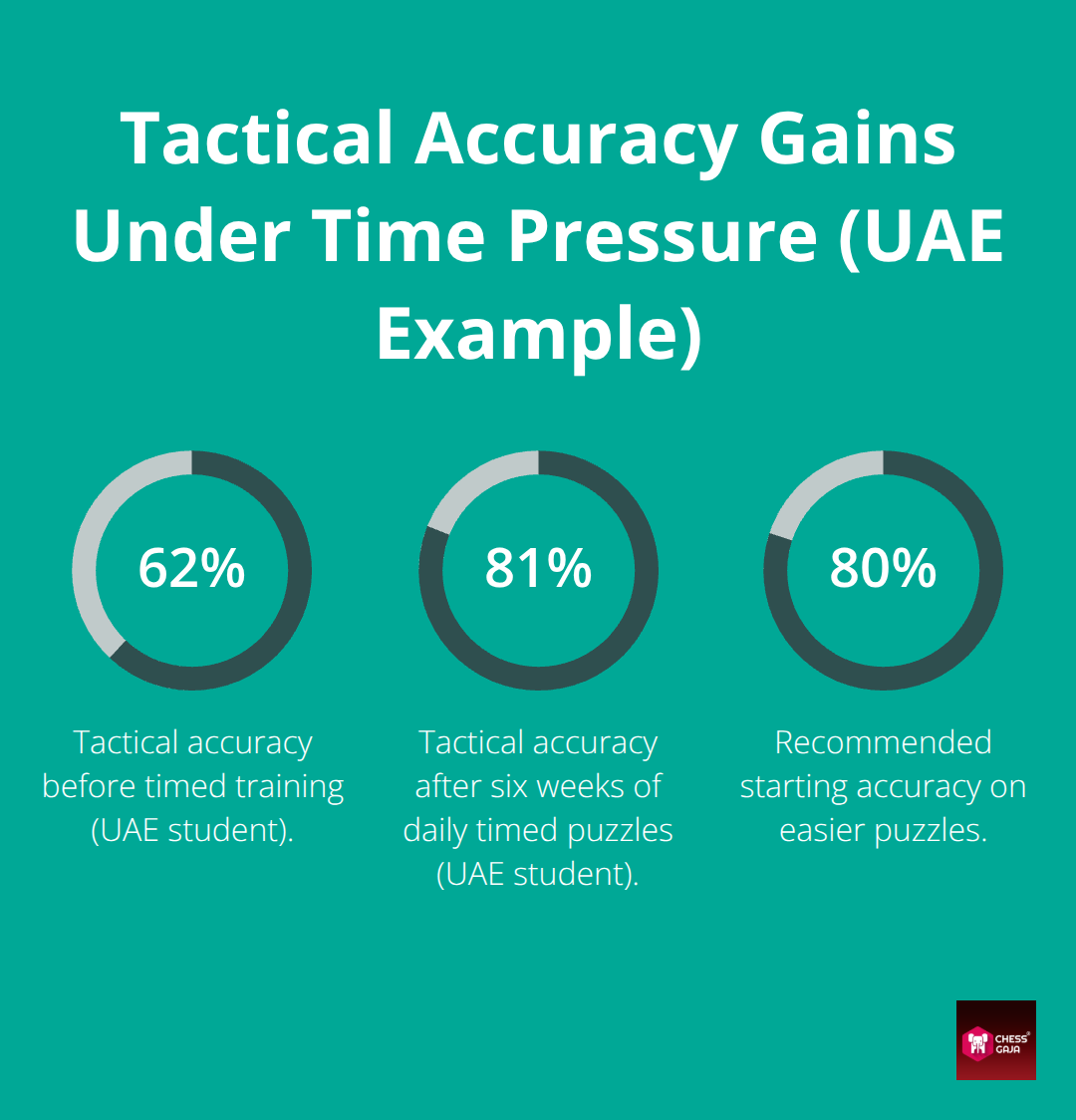
A student who prepared for the UAE National Championships raised her tactical accuracy from 62 percent to 81 percent in six weeks by solving 15 puzzles daily under time pressure. The pressure matters because your brain learns to recognize patterns faster when it knows time is running out.
Platforms like Lichess offer free, continuous puzzle storms where you can immediately test whether your timed puzzle work translates to real-game wins. When practicing outside of games, use Lichess’s puzzle dashboard. You can select specific themes or custom difficulty levels. This ensures you hit a high success rate before moving up.
This progression prevents frustration and builds confidence. Many players jump to hard puzzles too quickly, fail repeatedly, and quit entirely.
Extract Lessons From Your Own Games
Analyzing your own games reveals the mistakes that cost you rating points. This is far better than solving random puzzles that don’t match your style. After each game, spend 5-10 minutes finding the move where you missed a winning tactic or fell for your opponent’s trap.
For instance, one Singaporean player reached a 1647 FIDE rating by doing exactly this. He found out that he often missed knight forks on specific squares. Because of this, he added those exact patterns to his daily practice.
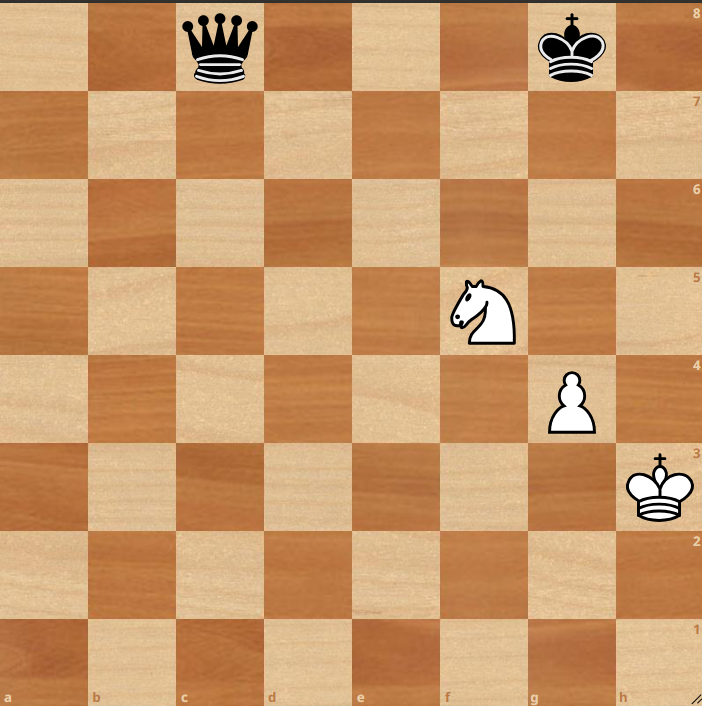
Your brain learns fastest when it connects puzzle patterns directly to mistakes that hurt your rating.
Study How Strong Players Think
Study classic games from strong players differently than you study your own games. Rather than memorizing moves, pause after each of your opponent’s moves. Try to find what they found. This active method (used by top coaching programs globally) focuses on real learning rather than just watching games. Spend 15–20 minutes on a single game. Ask yourself why each move was played. Look closely at what tactics it prevented or created. This deepens your pattern recognition far more than reading chess commentary without active thinking.
These three methods work because they connect pattern recognition directly to your rating. The next step involves building these methods into a routine you actually maintain, which separates players who improve from those who stagnate.
Building a Sustainable Tactics Training Routine
How Long Your Daily Tactics Practice Should Actually Be
The biggest mistake players make is spending too much time on tactics and not enough on everything else, or vice versa. Dedicate 30–45 minutes daily to tactics. Then, spend another 30–45 minutes on game analysis, openings, and endgames. Students who follow this routine see the fastest rating gains. A player in the UAE who reached 1800 FIDE spent exactly 40 minutes daily on timed puzzles and 35 minutes reviewing his own games, jumping 200 rating points in eight months.
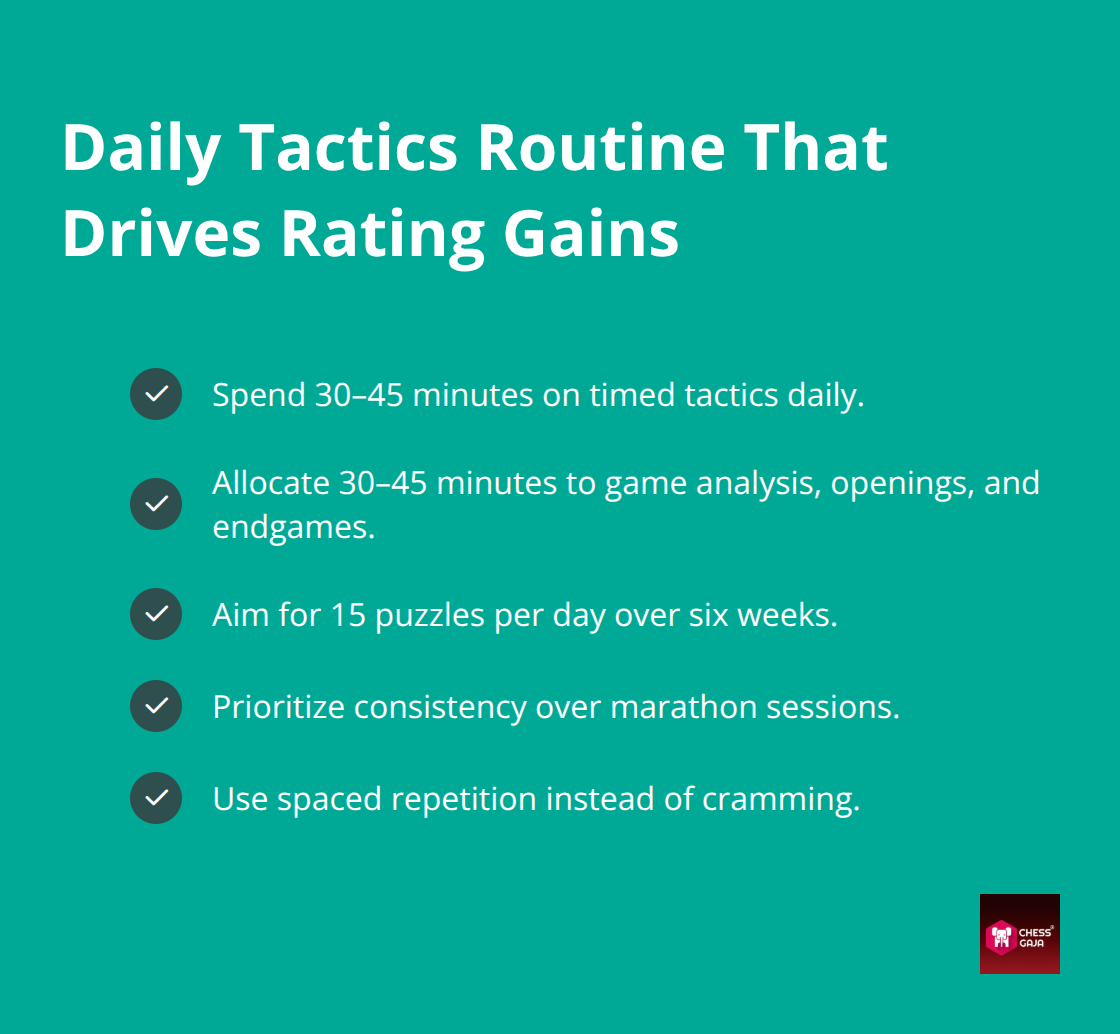
The key is consistency, not marathon sessions. Solving 100 puzzles in one weekend does almost nothing. However, solving 15 puzzles daily for six weeks produces clear results. Your brain builds pattern recognition through repetition spaced over time, not compressed into single blocks.
If you’re currently solving fewer than 10 puzzles daily, add five more puzzles per week until you reach 15. If you’re already solving 30 puzzles daily, you are likely missing out on game analysis and openings. As a result, your overall rating growth will slow down much sooner than it should.
Match Your Puzzle Difficulty to Your Actual Rating
Most players solve puzzles that are either far too easy or impossibly hard, wasting their training time. Your ideal puzzle difficulty is one where you solve correctly 50% of the time puzzles correctly, so in such scenarios you are forced to be precise in your puzzle calculation to get the answers right.
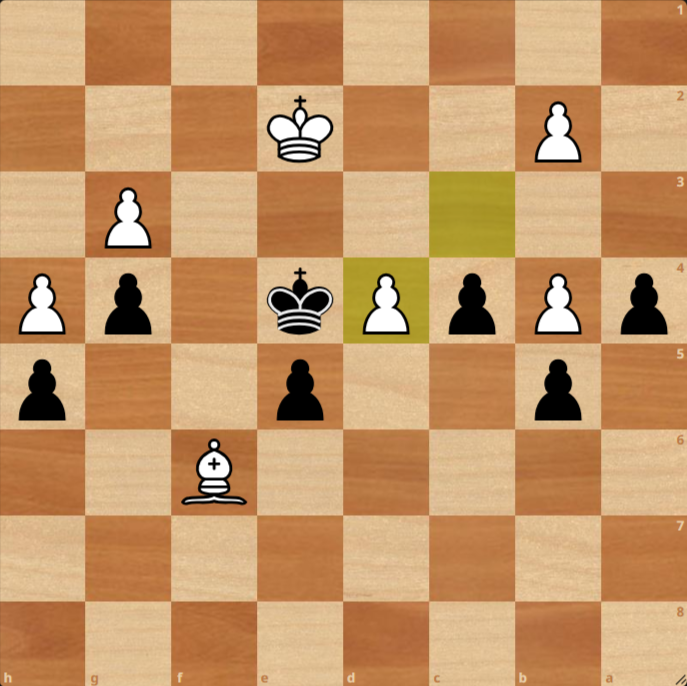
A student who prepared for the 2025 Singapore National Age Group championships adjusted his puzzle difficulty weekly based on his success rate and this smart approach kept him learning fast while preventing frustration. Lichess adjusts the difficulty based on your performance. This makes it a great choice for players who want the system to handle the settings for them.
Track What You Actually Miss, Not Just Puzzle Counts
Logging how many puzzles you solve tells you nothing about improvement.”What matters is tracking which tactical patterns you miss repeatedly. To illustrate this, a player who reached 1647 FIDE documented every missed puzzle for three months and discovered he failed to recognize knight forks, and clearance tactics in 20 percent of his attempts. He then spent two weeks solving puzzles focused on those exact themes. As a result, his puzzle rating jumped by 100 points in a short span of time.
Keep a simple log listing the date, the pattern, your score, and the time spent. This data reveals your actual gaps far more clearly than a rating number. After four weeks of tracking, you will have clear proof of which patterns need more work and which ones you know well.
Final Thoughts
Self-study works, but it has clear limits. For example, players who reach a 1500 rating often get stuck. This happens because they lack feedback on their routine.
A coach fixes this. We find your weaknesses and correct bad habits based on real game results. Therefore, our FIDE-rated coaches at Chess Gaja work closely with students in 40+ countries to build these winning skills.
Students like Kanav rose from 1540 to 1800 FIDE and became Singapore U11 National Champion by pairing consistent tactical training with professional guidance. When you learn chess tactics the right way, you build strong pattern recognition. This is what helps you climb ratings steadily instead of getting stuck. The difference between a 1200 player and an 1800 player isn’t talent. It comes down to smart practice and expert feedback.
Book a Paid Starter Class with Chess Gaja to test your skills today. Our coaches will check your current tactical level and find exactly which patterns hold you back. From there, we design a custom training plan that fits your schedule and goals.