
If you’re eager to dominate the chessboard with the aggressive and classical 1. e4 opening, you’ve landed in the right place. This comprehensive guide dives deep into powerful and sometimes unconventional ideas to tackle the most common defenses you’ll encounter as an e4 player. Drawing from expert insights, this article equips you with unique strategies that add spice and bite to your repertoire, helping you outwit your opponents and gain an early advantage.
- Why 1. e4 – The Classical King’s Pawn Openings
- Handling the Copycat System
- Spice Up Your Sicilian Repertoire
- The French Defense can be a tough nut to crack, but several approaches stand out:
- Carо-Kann Defense: The Advance Variation and Beyond
- Modern and Pirc Defenses: Kingside Expansion is Key
- Scandinavian Defense: Simple and Solid Plans
- Alekhine’s Defense: Using f4 to Gain Space
- Putting It All Together: Focus on the Big Two (1… e5 and 1… c5)
- Final Thoughts: Keep Your Repertoire Fresh and Fun
- Engage and Share Your Experiences
As Chess GrandMaster and FIDE Trainer, I have basically 25+ years of experience on this topic, and I would be happy to share some of my insights on these topics.
Why 1. e4 – The Classical King’s Pawn Openings
The move 1. e4 is arguably the most popular choice among chess players seeking dynamic and open positions. It immediately stakes a claim in the center and opens lines for the queen and bishop, setting the stage for rapid development and tactical opportunities. However, mastering 1. e4 means preparing for a variety of defenses, with the bulk of your games likely to feature moves like 1… e5 and 1… c5. Understanding how to counter these effectively is crucial.
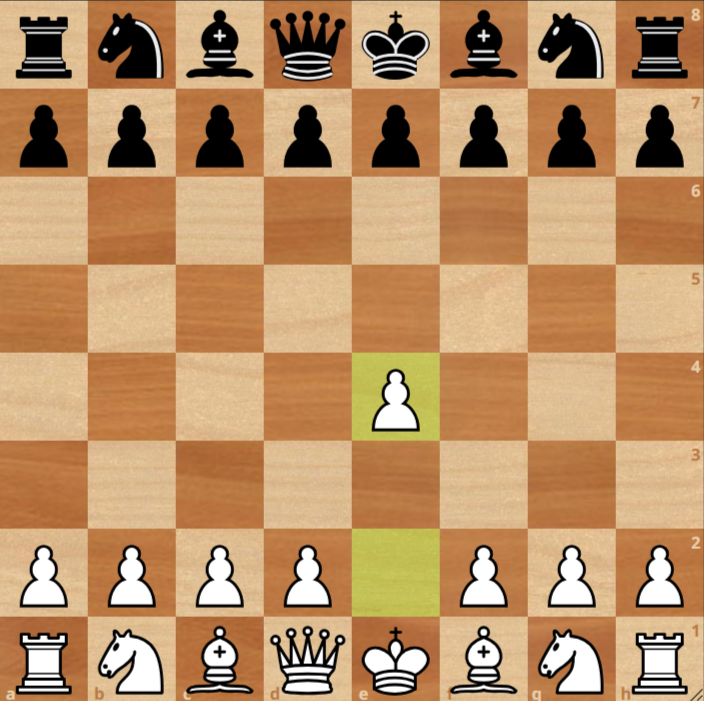
Conquering the Most Common Defenses: 1… e5 and 1… c5
The Vienna System: A Fresh Approach Against 1… e5
When facing 1… e5, one of the most intriguing and effective weapons is the Vienna System, characterized by an early Nc3 and delaying the development of the knight to f3. This subtle shift often surprises opponents, forcing them out of their comfort zones.
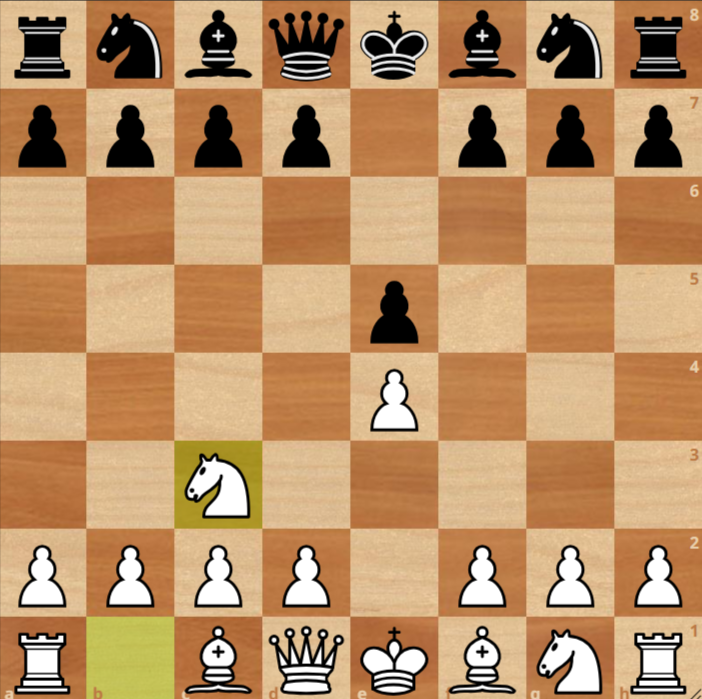
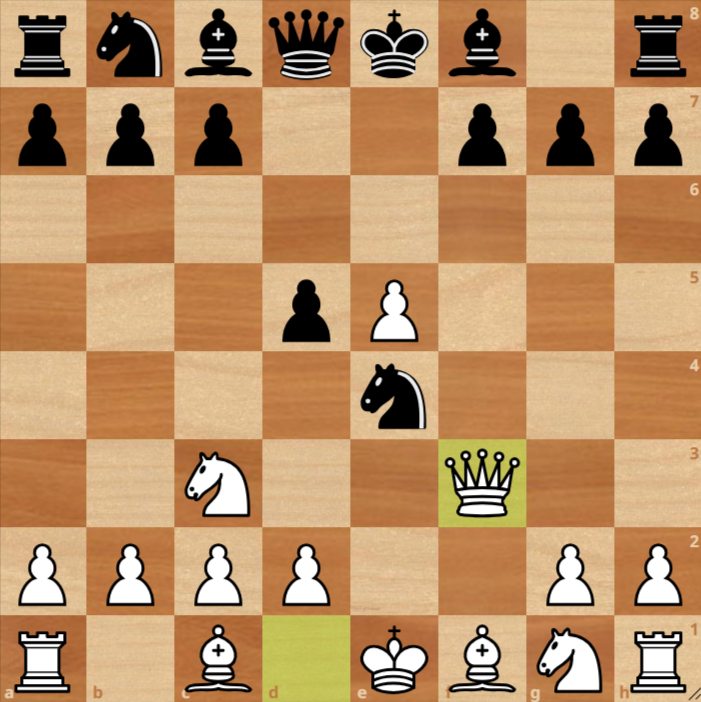
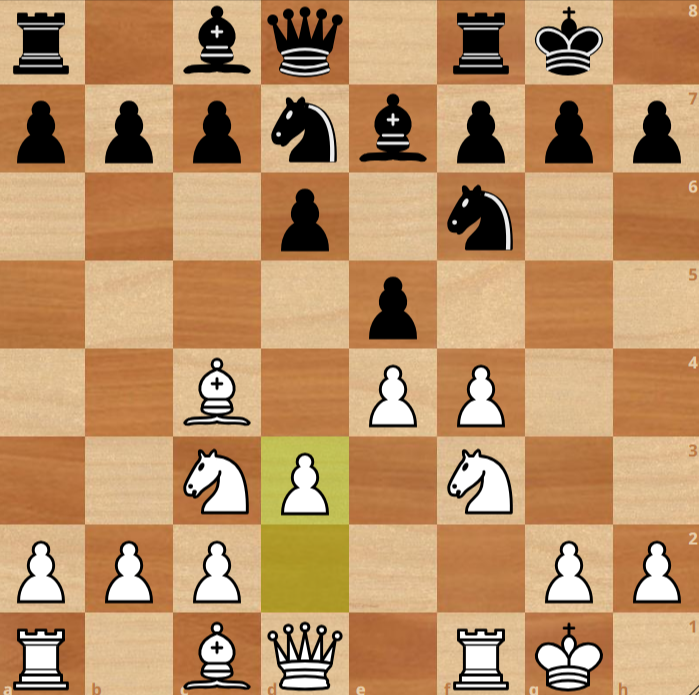
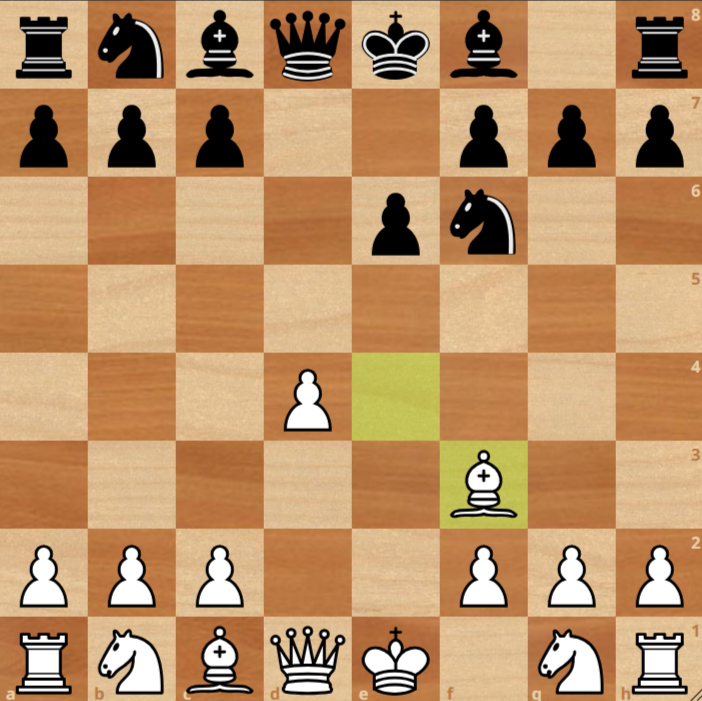
If Black responds with Nf6, the Vienna Gambit emerges as a fiery choice. This gambit is packed with tactical potential and can be especially effective against players rated up to 2200-2300 who may not have prepared for it. Instead of following the main lines, consider the aggressive Qf3 move, which sets traps and threatens rapid development and attack. If Black declines the gambit, develop your knight to f3, bring out your bishop, castle quickly, and seize control of the open f-file to pressure Black’s position.
Handling the Copycat System
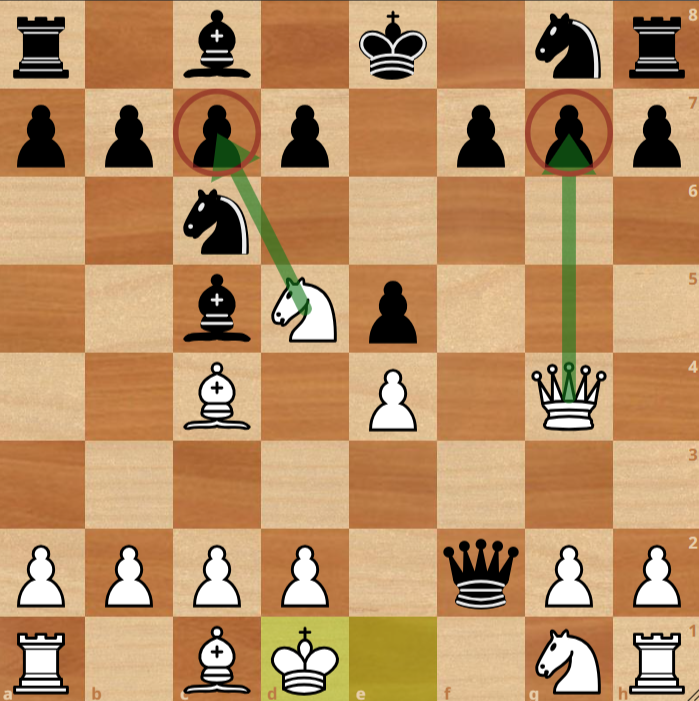
Another tricky scenario arises when Black mirrors your moves, such as playing the “copycat” system. So Vienna CopyCat system is something like this 1.e4 e5 2.Nc3 Nc6 3.Bc4 Bc5 4.Qg4 Here, moves like Qg4 can be powerful, targeting weaknesses like g7.
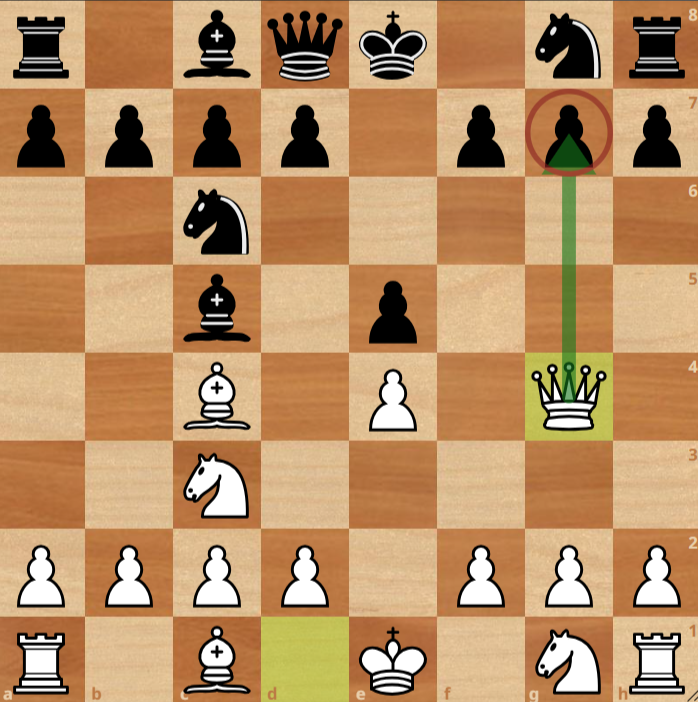
For instance, after Black tries a counterattack with Qf6, the move Nd5 can decisively swing the game in White’s favor. These sharp lines require precise knowledge, but when executed well, they can easily disrupt Black’s plans.
Spice Up Your Sicilian Repertoire
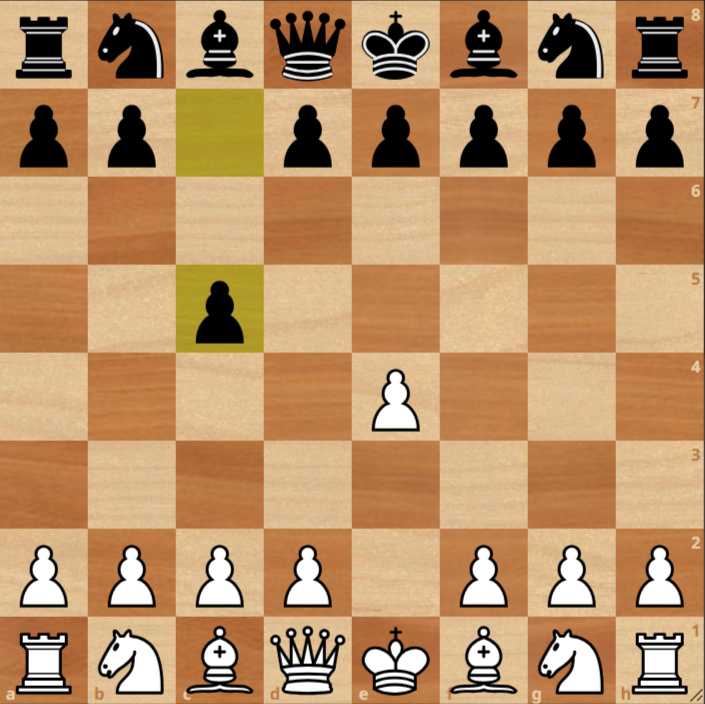
The Sicilian Defense, starting with 1… c5, is the bane of many e4 players because of its complexity and popularity. However, there are several weapons you can employ to challenge it effectively:
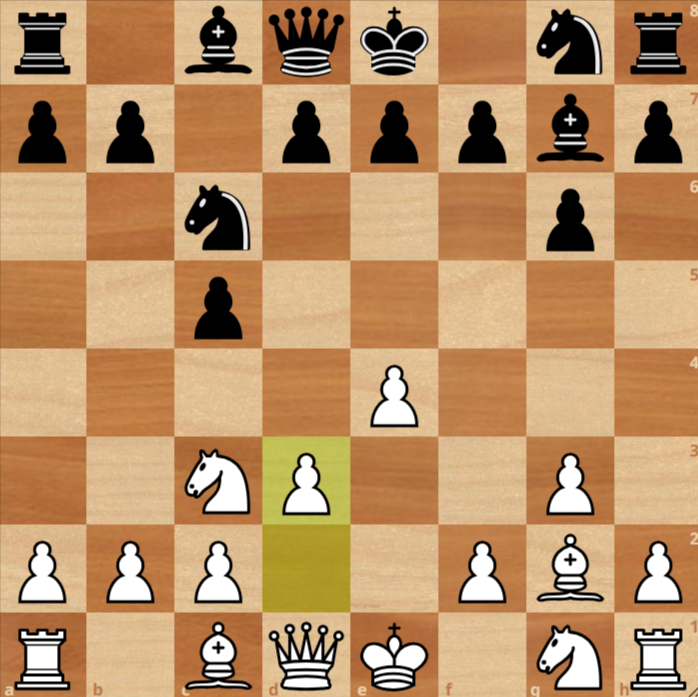
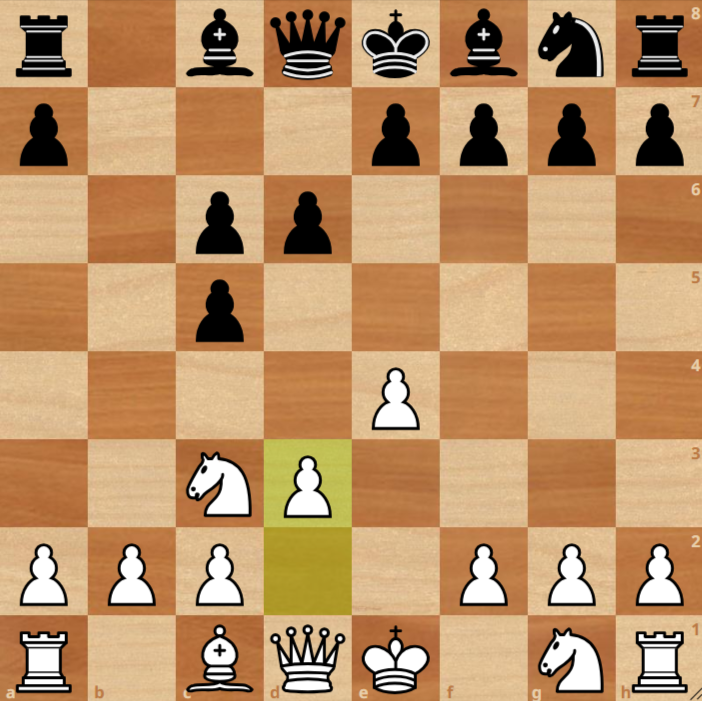
- Closed Sicilian Setup: Developing your knight to c3 early and adopting a closed Sicilian style with g3 and Bg2 allows for a slow but steady buildup on the kingside. This approach frustrates Sicilian players who are prepared for sharp open Sicilian lines. This is a good line for amateurs when they first play against the Sicilian, but would need to upgrade to mainlines as they go past 1800 FIDE rating.
- Bishop b5 against Nc6 and d6: Closed Sicilian/GrandPrix ideas, where White quickly develops the Bishop and double the Black’s pawn structure early, aiming to weaken it before launching a kingside expansion with d3 and h3. Trading off Black’s bishop can grant you rapid development and a strong initiative, even if you sacrifice the bishop pair. This is also a good line for amateurs when they first play against the Sicilian, but would need to upgrade to mainlines as they go past 1800 FIDE rating.
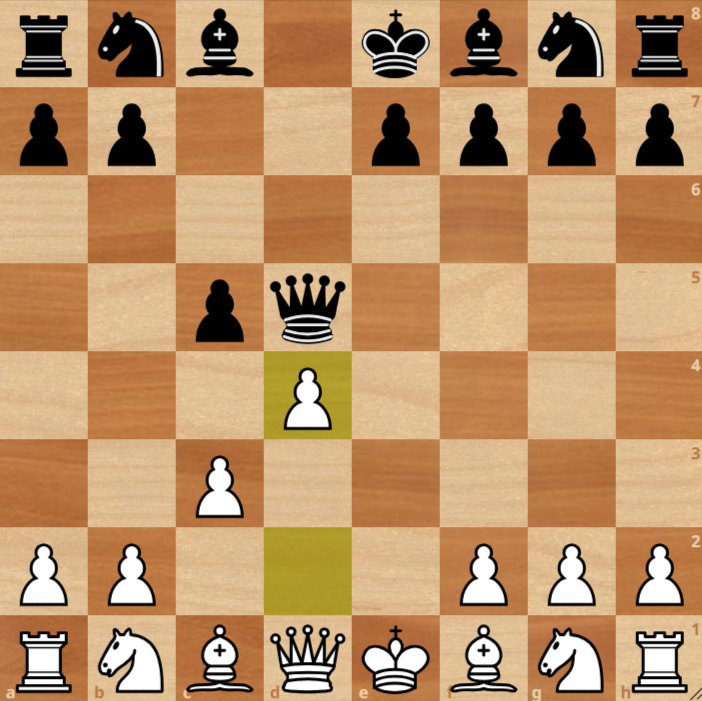
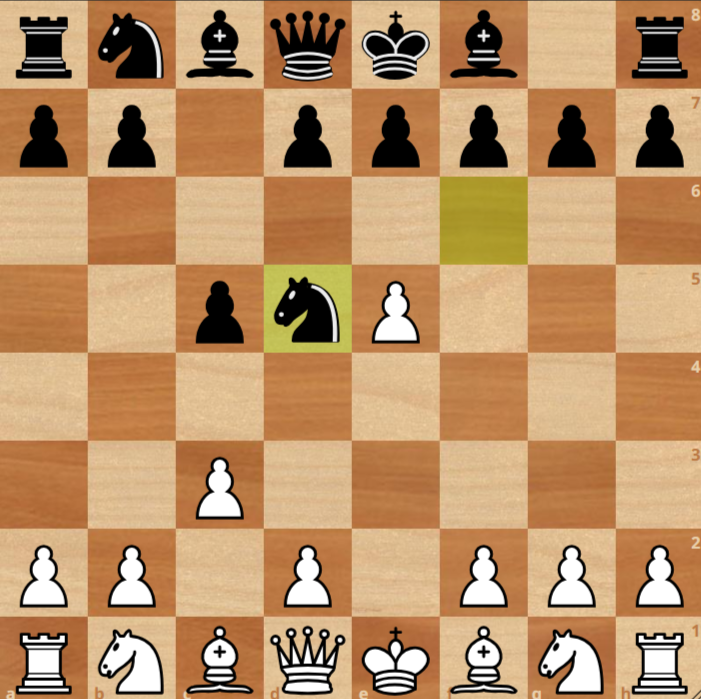
- Sicilain Alapin 2.c3 Setup: Alapin setup is a very solid option and is also slowly getting popular at the 2000+ rating levels as well, so this is a good option to consider for players from absolute beginners up to 2200 FIDE. Black has two main ways to play against the Alapin 2…Nf6 and 2…d5
The French Defense can be a tough nut to crack, but several approaches stand out:
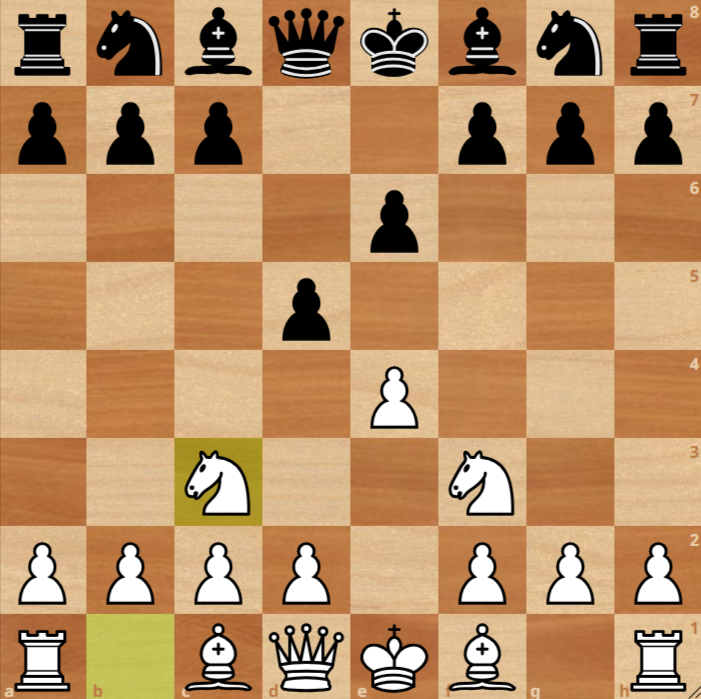
Knight c3 Variations: These lines tend to be more tactical and direct. They often lead to rich, complex middlegames where understanding key ideas is vital.
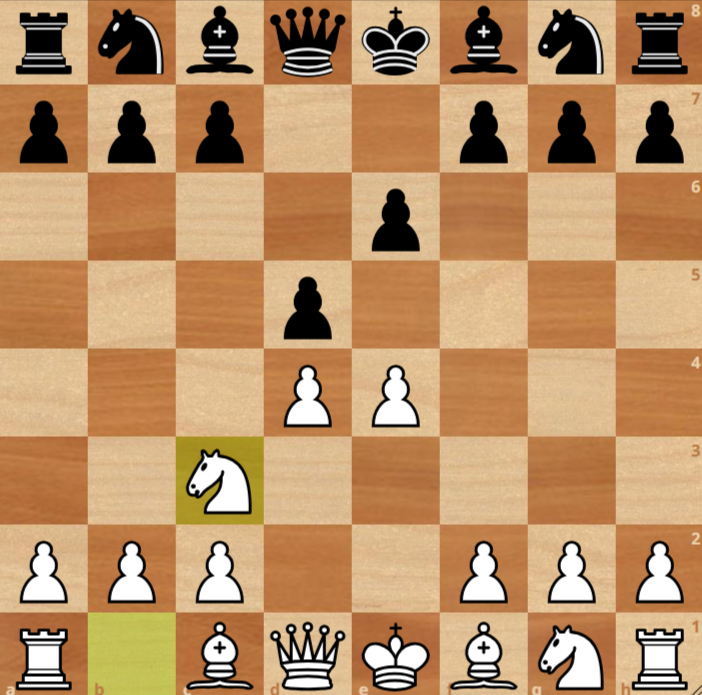
Bishop d3 System: Popularized by Spanish Grandmaster Ariba López, this system might initially look counterintuitive since White spends three tempi to develop the bishop to d3. However, it hides many tactical tricks and can catch French Defense players unprepared.
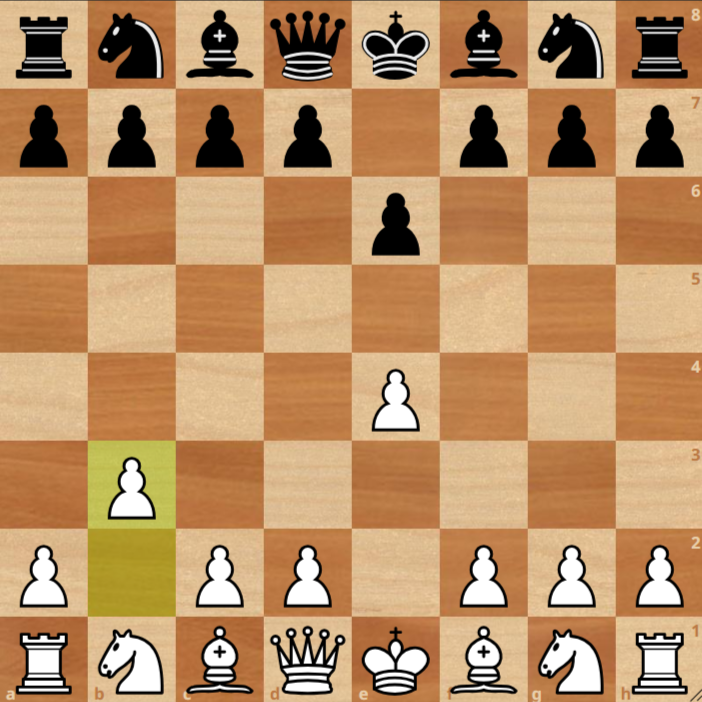
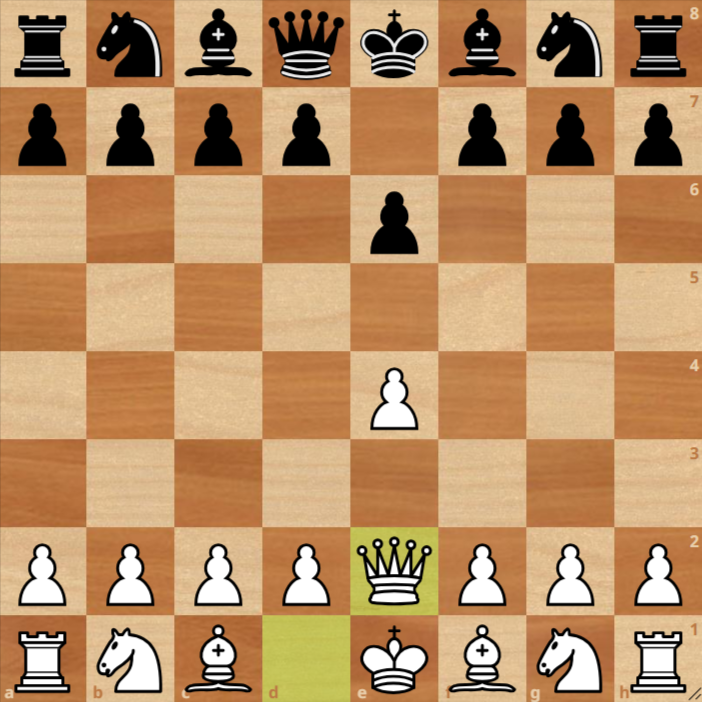
Anti-French Gambits: Moves like b3, Queen e2, and long castling offer aggressive gambit possibilities that can unsettle Black’s structure and plans. The two knights French is another tricky weapon, though it can sometimes transpose into Sicilian structures, so be mindful of your move orders.
Carо-Kann Defense: The Advance Variation and Beyond
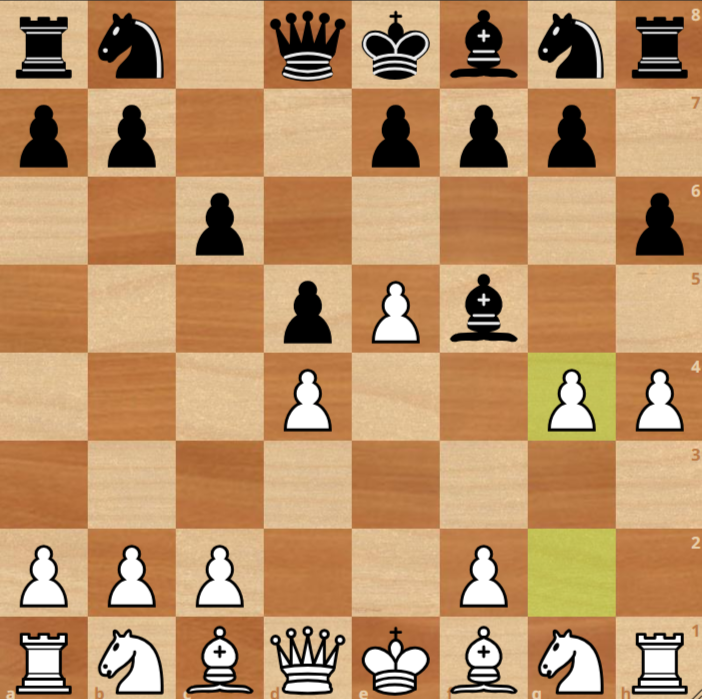
The Caro-Kann is known for its solid and resilient nature, but the Advance Variation offers White a chance to grab space and launch an attack:

The h4 System: Advancing h4 and g4 to expand on the kingside is a dynamic way to challenge Black’s setup. This approach has been employed successfully by grandmasters like Praggnanandhaa and can lead to sharp, attacking positions.
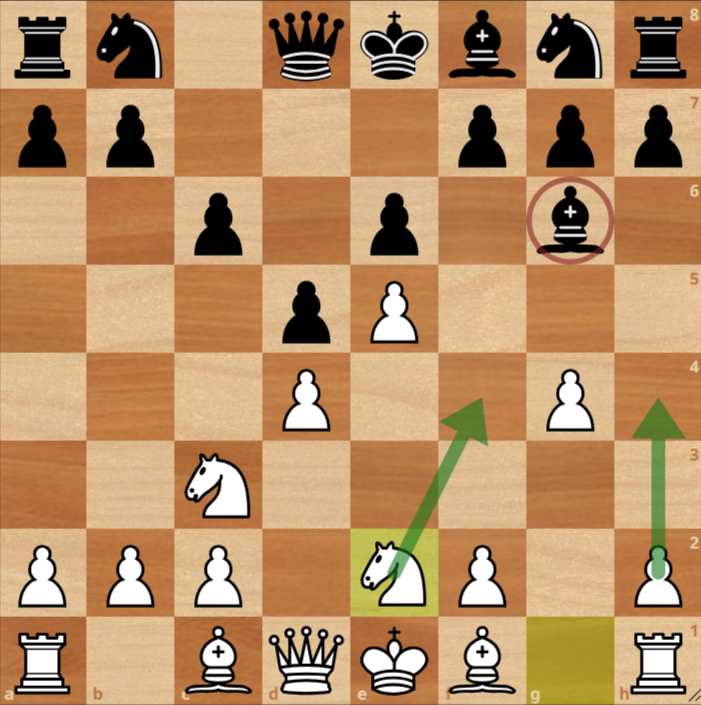
Knights c3 and Nge2 Setup: This tricky line aims to keep attacking the Black light squared bishop and gain as many tempos
Modern and Pirc Defenses: Kingside Expansion is Key
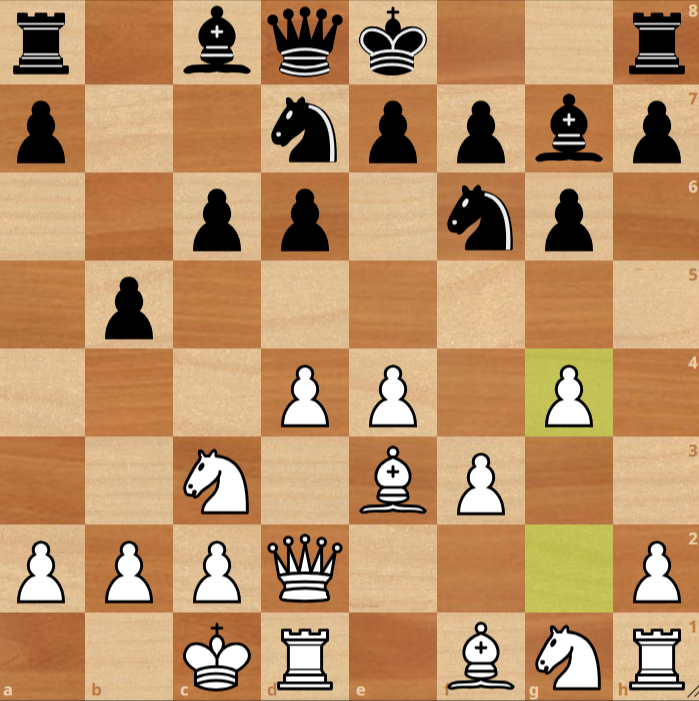
Against the Modern and Pirc Defenses, a simple approach involves playing Be3, Qd2, 0-0-0, f3, g4, h4. This setup allows White to build a strong pawn front attack on the kingside, putting Black under constant pressure.
Scandinavian Defense: Simple and Solid Plans
The Scandinavian Defense (1… d5) can be met with straightforward development and flexibility:
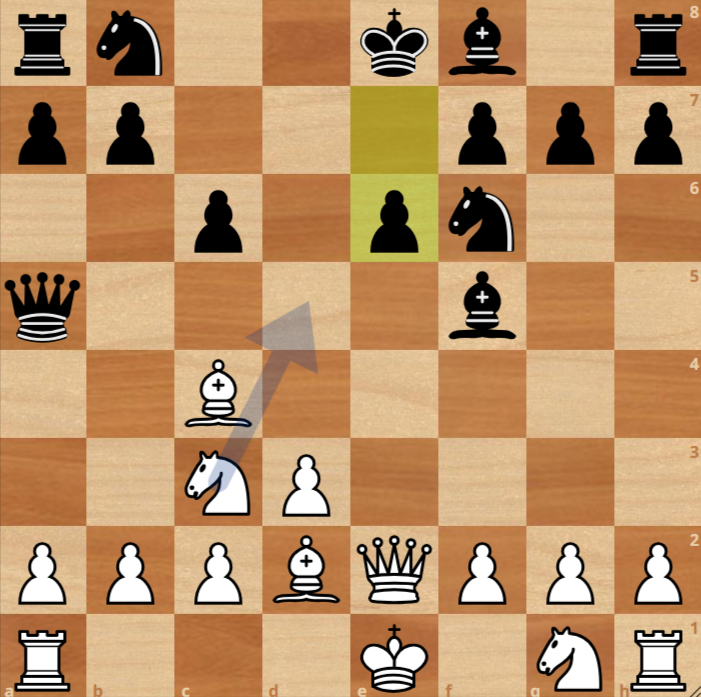
White has a very simple plan to play against the Scandinavian/Center Counter 2. ed5 Qxd5 3. Nc3 Qa5 4. Bc4 Nf6 5. d3 c6 6. Qe2 Bf5 7. Bd2 e6 – The idea for White is very simple castle on the Queenside delay your kingside piece development and the idea behind that is to push the kingside pawns and gain lot of tempos attacking the f5 bishop and f6 knight.
Alekhine’s Defense: Using f4 to Gain Space
While the Alekhine Defense isn’t as common, it requires some attention. 1.e4 Nf6 2.e5 Nd5 3.d4 d6 4.c4 Nb6 5.f4!?
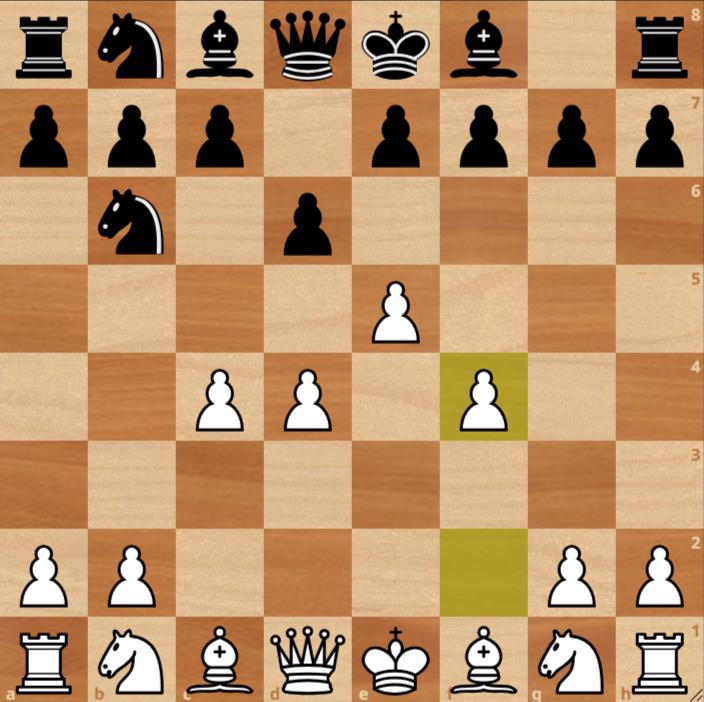
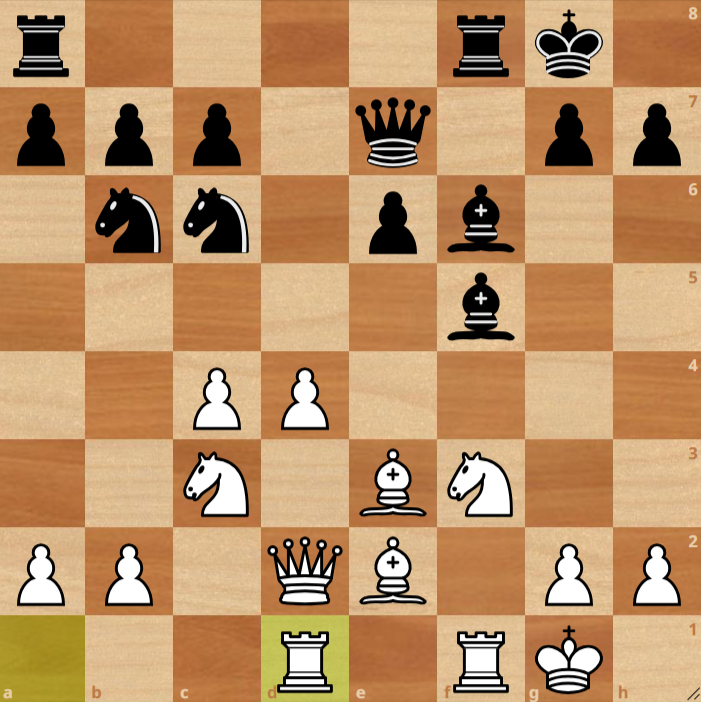
The line can reach a critical position like: 5… de5 6. fe5 Nc6 7. Be3 Bf5 8. Nc3 e6 9. Nf3 Be7 10. Be2 0-0 11.0-0 f6 12. ef6 Bf6 13. Qd2 Qe7 14. Rad1, where White has powerful control over the center and a better pawn structure for White.
Putting It All Together: Focus on the Big Two (1… e5 and 1… c5)
As an e4 player, the lion’s share of your games—about 90%—will come after Black responds with 1… e5 or 1… c5. This means your preparation should prioritize these two moves. The systems discussed here, from the Vienna Gambit and Knight’s c3 setup to the Alapin Sicilian sidelines, give you a broad and effective toolkit against these defenses.
The remaining 10% of your games will feature defenses like the French, Caro-Kann, Scandinavian, Modern, and Alekhine, for which you now have a selection of spicy and reliable options. This diverse approach keeps your repertoire dynamic and your opponents guessing.
Final Thoughts: Keep Your Repertoire Fresh and Fun
Chess is not just about memorizing moves—it’s about understanding ideas and enjoying the game. The strategies outlined here are meant to inject excitement and creativity into your 1. e4 play, helping you avoid boredom and repetitiveness. Whether you employ the aggressive Vienna Gambit, the Alapin c3 setup, or the Advance Caro-Kann advances, your opponents will be on their toes.
If you want to deepen your knowledge, consider exploring dedicated opening courses that cover these lines in detail. These resources provide structured training and help you master the nuances that can make the difference between a good player and a great one.
Engage and Share Your Experiences
Have you tried any of these openings or systems? Do you have a favorite line against a particular defense? If you liked this blog, share it with your friends so that they can also learn various openings tricks in 1. e4! Happy playing, and may your 1. I hope you achieve brilliant victories in your e4 games!
Want to know how Black can fight back against 1. e4? Read our complete guide to the French Defense and master both sides of this critical opening.”
“Explore other solid Black responses: Learn the Caro-Kann Defense here.”
“Looking for a different attacking approach? Check out the London System strategy.”


