


Effective opening strategies form the foundation of competitive success. Strong opening play creates immediate advantages and sets the tone for the entire game.
We at Chess Gaja have analyzed thousands of master games to identify the most effective opening strategies. Choosing the right opening system gives you more than a playable position. First, it eliminates opening anxiety. Second, it saves you valuable tournament clock time. Ultimately, it helps you transition into middlegames you thoroughly understand. With consistent practice, this approach lays the perfect foundation to jump 100–200 rating points.
As a Grandmaster, FIDE Trainer, and the founder of Chess Gaja, I have helped hundreds of students build reliable opening repertoires. My goal is simple: turn the first 10–15 moves into a competitive advantage, not a source of stress.
By focusing on opening systems that create clear central control, smooth development, and safe king positions, this article will guide you through practical chess openings that are easy to understand, repeat in tournaments, and convert into higher scores across different time controls.
What Makes for Chess Winning Openings
Centre Control Decides Game Outcomes
The center squares e4, e5, d4, and d5 dictate the flow of a chess game. Players who command these squares gain significant space and maneuvering advantages in competitive play.
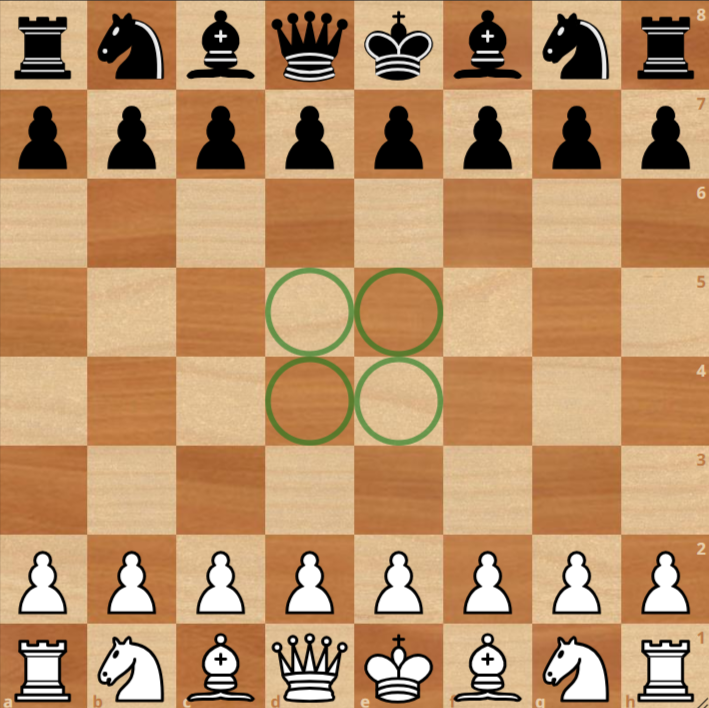
Whether you physically occupy the center with pawns on e4 and d4 as White, or control it using piece pressure from the flanks as seen in modern defensive systems, dominating these central squares is essential.
Central control allows your pieces to reach any part of the board faster than your opponent’s pieces. This speed advantage translates directly into tactical opportunities and positional pressure that persist throughout the entire game.
Knight Development Creates Immediate Threats
Knights belong on f3 and c3 for White, and f6 and c6 for Black, typically before bishops are committed. This principle exists because knights are short-range pieces that must be brought closer to the center early on to influence the game, whereas long-range bishops can often control vital diagonals from their starting flanks after a single pawn move.
Developing your knights first also keeps your bishop placement flexible until your opponent’s setup becomes clearer.
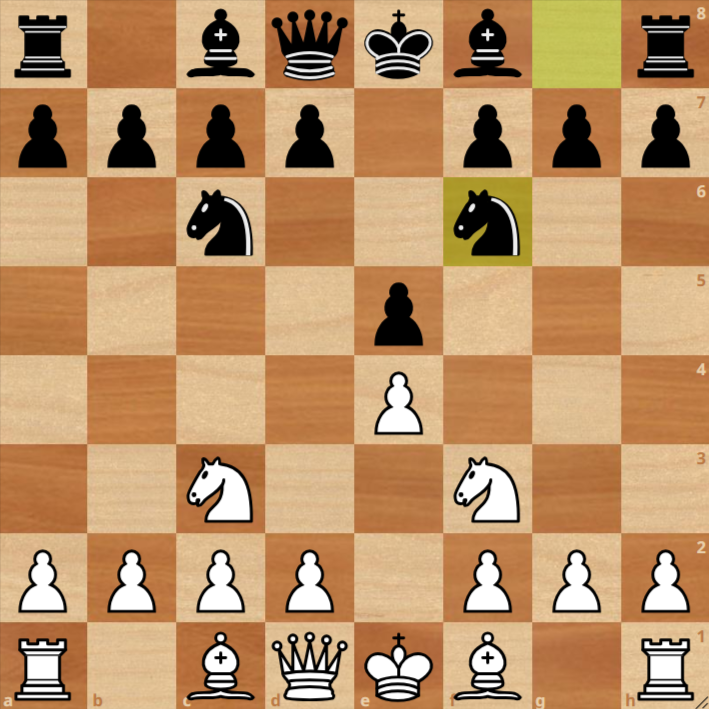
Master-level games demonstrate that players who develop knights before bishops achieve superior opening positions. Your knights can immediately pressure central squares and support future pawn advances across the board.
King Safety Through Early Castles
Castle within the first ten moves to avoid tactical disasters. Master games show that players who delay castling face significantly higher risks of tactical complications. The castle move connects your rooks and moves your king away from the center where most attacks develop.
The kingside castle proves more effective than queenside castle in competitive games because it requires fewer moves and keeps your king closer to defensive pieces. This foundation of safety allows you to launch aggressive attacks without fear of immediate counterplay.
These fundamental principles work together to create the platform for specific opening systems that deliver consistent competitive results.
White Chess Winning Openings for Strategic Advantages
Italian Game Dominates Development Races
The Italian Game starts with 1.e4 e5 2.Nf3 Nc6 3.Bc4 and remains one of the most effective chess winning openings for rapid development. This system targets the vulnerable f7-square immediately, naturally fighting for the center while preparing to castle.
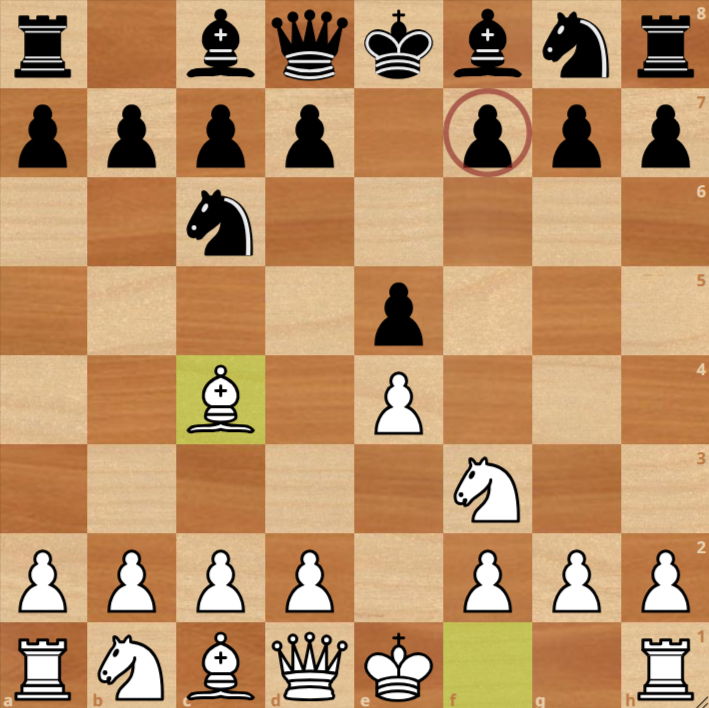
The bishop on c4 controls the long diagonal and supports rapid kingside castles within six moves. Players who master the Italian Game gain tactical advantages that persist into the middlegame through superior piece coordination and active piece placement.
Queen’s Gambit Controls Strategic Elements
The Queen’s Gambit with 1.d4 d5 2.c4 offers White excellent prospects for a permanent positional edge through central pawn control.
According to tournament databases, this opening yields highly reliable success rates for White across all levels of competitive play. White gains a spatial advantage and natural piece activity while Black often faces a slightly more cramped position.
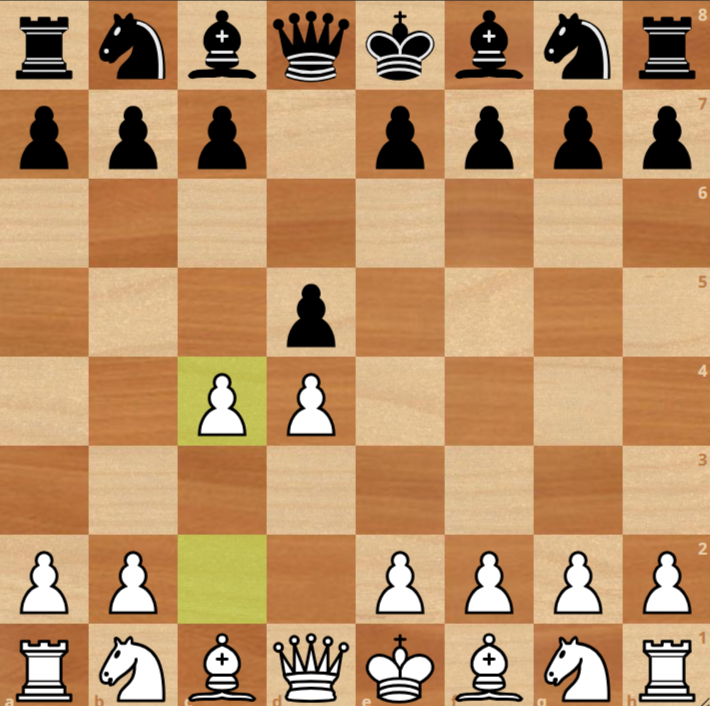
The pawn offering on c4 is temporary because White easily regains the material while maintaining superior development. Online database statistics show that players rated above 2000 consistently maintain strong performances with Queen’s Gambit variations, demonstrating its deep strategic effectiveness at competitive levels.
English Opening Provides Maximum Flexibility
The English Opening begins with 1.c4 and allows White to transpose into favorable versions of multiple opening systems. This flexibility confuses opponents who prepare specific defenses against 1.e4 or 1.d4.
Top grandmasters including Magnus Carlsen employ the English Opening to avoid theoretical battles while they maintain winning chances.
The move c4 controls the d5 square and supports various pawn structures depending on Black’s response.
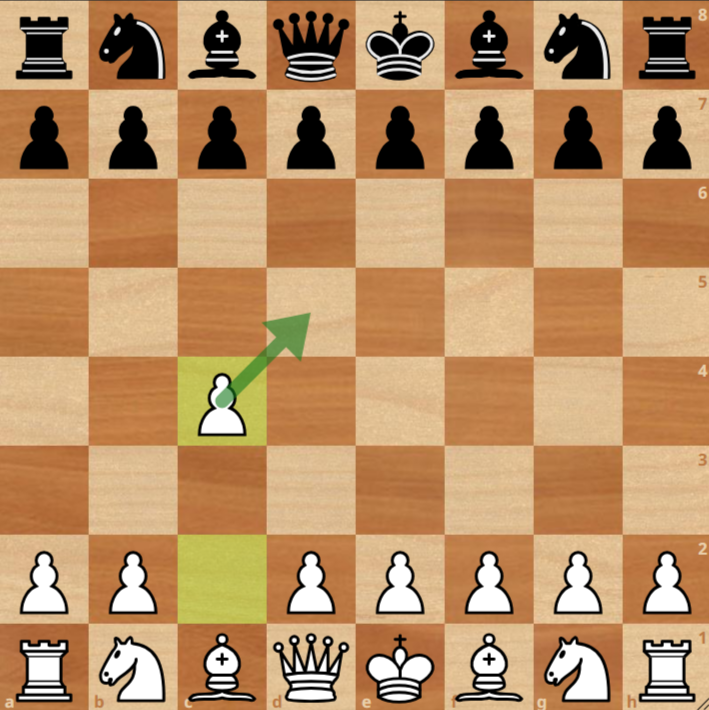
Tournament statistics indicate that English Opening players face fewer forced variations and maintain more strategic options throughout the opening phase, giving them distinct practical advantages in competitive tournament play.

These three openings form the core of any serious White repertoire, but Black players need equally strong defensive systems to counter these aggressive approaches.
Which Black Openings Create Winning Counterplay
Sicilian Defense Generates Immediate Attacking Chances
The Sicilian Defense (1.e4 c5) creates highly dynamic, asymmetrical positions by trading Black’s flank c-pawn for White’s central d-pawn.
This structural imbalance allows Black to fight aggressively for central control while simultaneously generating powerful queenside counterplay. Database statistics show it remains one of the highest-scoring responses to 1.e4 at the master level.
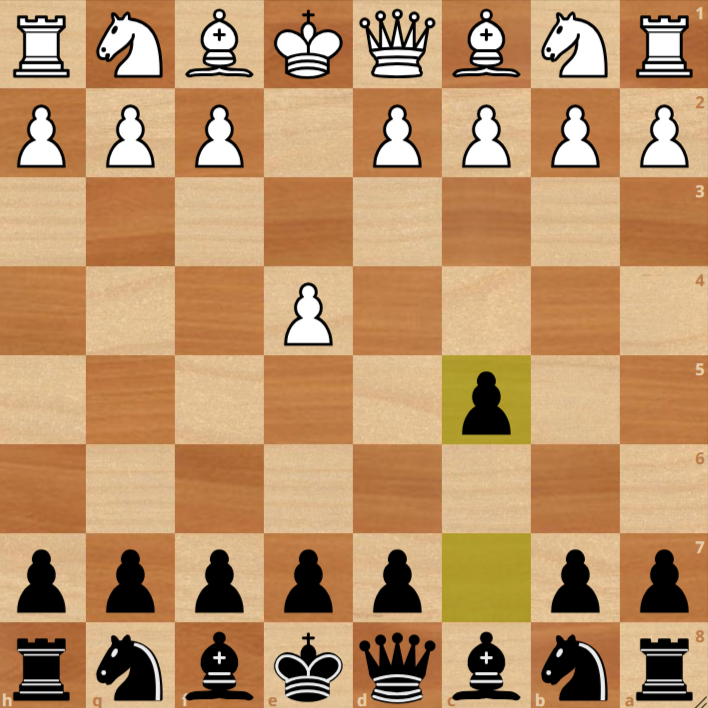
The Sicilian leads to sharp positions where accurate, deep calculation determines the outcome.
While razor-sharp lines like the Najdorf or Dragon variations offer brilliant attacking patterns, mastering them requires dedicated tactical precision, making the Sicilian a premier weapon for players looking to play explicitly for a win with Black.
French Defense Builds Unbreakable Pawn Chains
The French Defense starts with 1.e4 e6 2.d4 d5 and creates a highly resilient pawn structure for Black. Rather than just a passive wall, this opening serves as a dynamic, counter-attacking system where Black accepts a temporarily restricted light-squared bishop in exchange for concrete, sharp pressure against White’s center via moves like …c5 and …f6.
Tournament analysis shows that French Defense players excel at converting these tight, strategic positions into powerful middlegame counterstrikes.
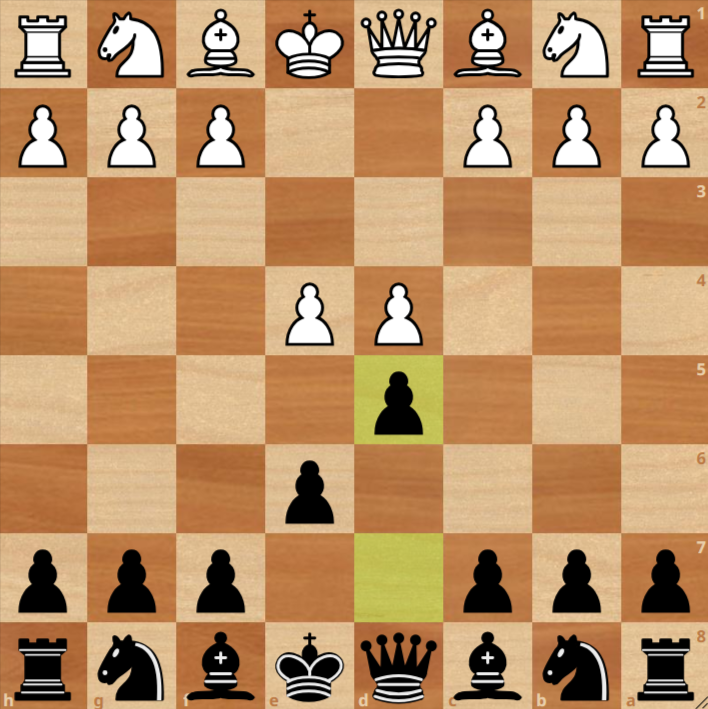
The French Defense works particularly well against aggressive White players who prefer tactical complications. Black gains space on the queenside and can launch effective counterattacks once the position opens.
Players rated above 2200 often choose the French Defense in must-hold situations because it offers excellent defensive resources without sacrificing winning chances.
Caro-Kann Defense Delivers Consistent Development
The Caro-Kann Defense begins with 1.e4 c6 2.d4 d5 and provides Black with highly reliable piece harmony in competitive play. T
his system solves Black’s classic opening dilemma by keeping the c8-bishop unblocked, allowing for natural development before securing the pawn structure. Statistical analysis from FIDE tournaments indicates that Caro-Kann players excel at navigating solid middlegame structures and achieving balanced, strategically rich positions.
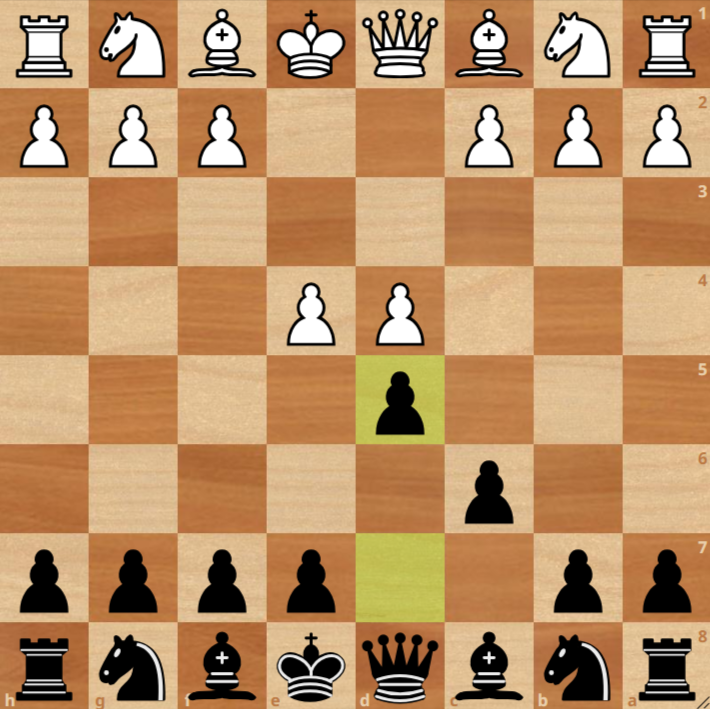
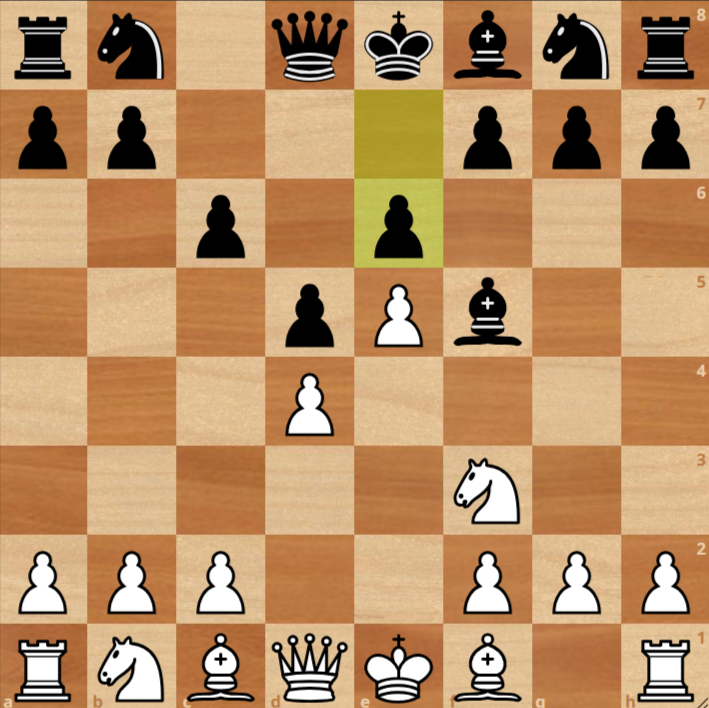
The Advance Variation represents White’s most testing response, but Black gains excellent counterplay through targeted thematic breaks.
Professional players including Anatoly Karpov have long demonstrated the opening’s reliability at the absolute highest levels. The Caro-Kann Defense perfectly suits players who prefer deep strategic maneuvering and clear positional plans over immediate, chaotic tactical skirmishes.
Final Thoughts
Chess winning openings require consistent application of fundamental principles rather than memorization of endless variations. Center control, rapid development, and king safety form the foundation that supports all successful opening systems.
Players who master these core concepts achieve better positions regardless of their specific opening choices.
Analysis of master games reveals how grandmasters apply opening principles in practical situations. Games by players like Magnus Carlsen and Garry Kasparov demonstrate how strong opening preparation translates into middlegame advantages.
These games show the connection between opening moves and long-term strategic plans that determine competitive outcomes.
When building your personal repertoire of chess winning openings, start with one reliable system for White and two defenses for Black to avoid theory overload. This streamlined approach builds deep tactical confidence through regular tournament repetition.
We at Chess Gaja provide structured coaching programs that help players develop winning opening repertoires through personalized instruction and detailed game analysis at our online chess academy.