


Last month, 12-year-old Ahmed from Dubai defeated a 1600-rated player using the Italian Game’s aggressive setup. His secret? Mastering strong chess openings for white that create immediate pressure.
We at Chess Gaja see this pattern repeatedly – players who learn the right opening principles gain a significant advantage from the opening stage. The key lies in choosing openings that match your style while following fundamental development rules.
As Grandmaster Priyadharshan Kannappan, FIDE Trainer and founder of Chess Gaja Academy, I have helped thousands of students convert promising positions into convincing wins by using principled, powerful openings.
In this guide, you will learn a clear, step‑by‑step approach to choosing and mastering strong chess openings for White so your games start with initiative, pressure, and a higher chance of victory.
What Opening Principles Actually Win Games
The center squares e4, e5, d4, and d5 determine who controls the game from move one.
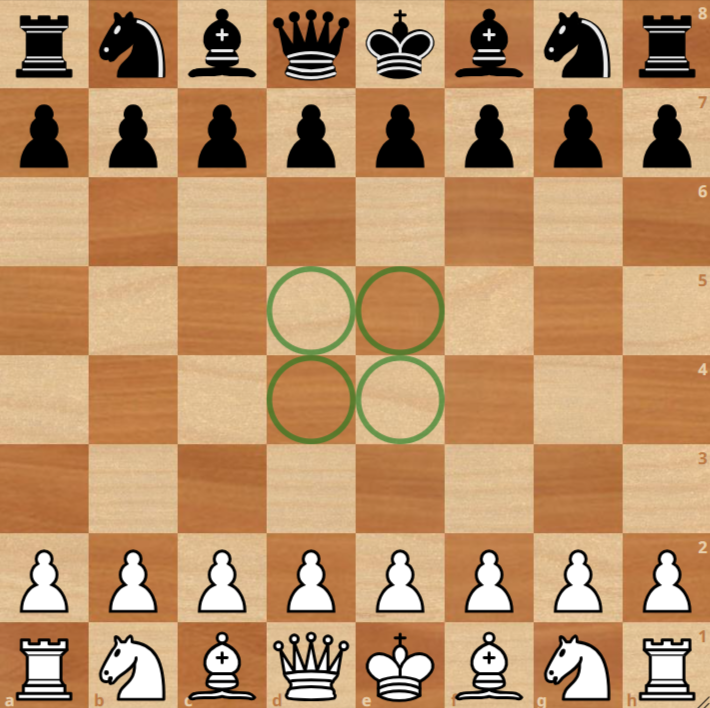
Place your pawns on e4 or d4 immediately, then support them with pieces. Knights on c3, f3, e2, or d2 directly target these central squares and create multiple threats simultaneously.
Prophylaxis from Move One: Don’t just look at your own attacking plans. Openings like the Ruy Lopez or the English succeed because they actively restrict your opponent’s best squares and counterplay while building your own identity.
Piece Development Order That Creates Threats
While classic principles warn against premature piece attacks, principled openings like the Italian and Ruy Lopez develop the king’s knight and bishop immediately to pressure the center and prepare to castle within the first four moves.
King Safety That Prevents Disasters
Castle within the first 10 moves or face immediate tactical threats. Short castles (kingside) take priority over long castles because they require fewer moves and place your king behind three pawns. Complete your castle before you launch any attacks – your king’s safety enables aggressive play without risk of everything on one tactical shot.
Central Pawn Structure That Dominates
Strong central pawns create the foundation for all successful attacks. Place pawns on e4 and d4 together when possible, as this formation controls four central squares and restricts Black’s piece development. The pawn duo supports knight outposts on e5 or d5 while it opens diagonals for your bishops. Dominating the center with this setup is a hallmark of elite play, providing the perfect balance of immediate tactical opportunities and long-term positional advantages.
These fundamental principles set the stage for specific openings that transform these concepts into concrete advantages over the board. Basic opening principles provide the foundation, while expanding your opening repertoire prevents predictability and rating plateaus.
Which Aggressive Chess Openings for White Create Immediate Threats?
The Italian Game starts with 1.e4 e5 2.Nf3 Nc6 3.Bc4 and targets Black’s f7 square immediately. This opening develops your bishop to its most aggressive square while it maintains central control.
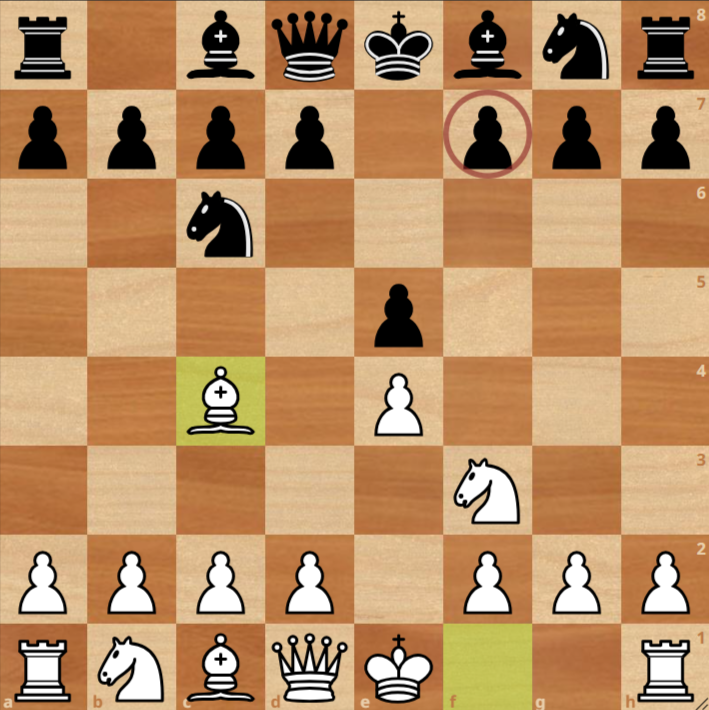
The Italian Game produces decisive results more frequently than slower chess openings for White, as White consistently scores between 52 and 56 percent of games. Your bishop on c4 creates instant pressure on f7, which forces Black to defend carefully or face tactical disasters within the first ten moves.
Italian Game Tactics That Win Material
The Fried Liver Attack explodes on the board after 3…Nf6 4.Ng5 d5 5.exd5 Nxd5? (where Black’s careless recapture allows the explosive Fried Liver Attack) 6.Nxf7! Kxf7 7.Qf3+.
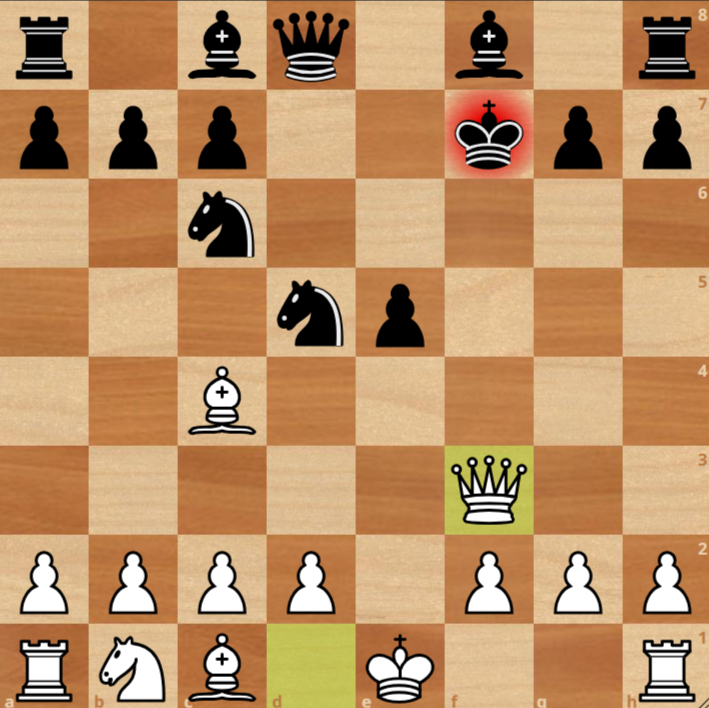
This dynamic knight sacrifice forces Black’s king into the center of the board. While you temporarily give up a piece, White gains an overwhelming, immediate attack against Black’s exposed king that club players find incredibly difficult to defend against.
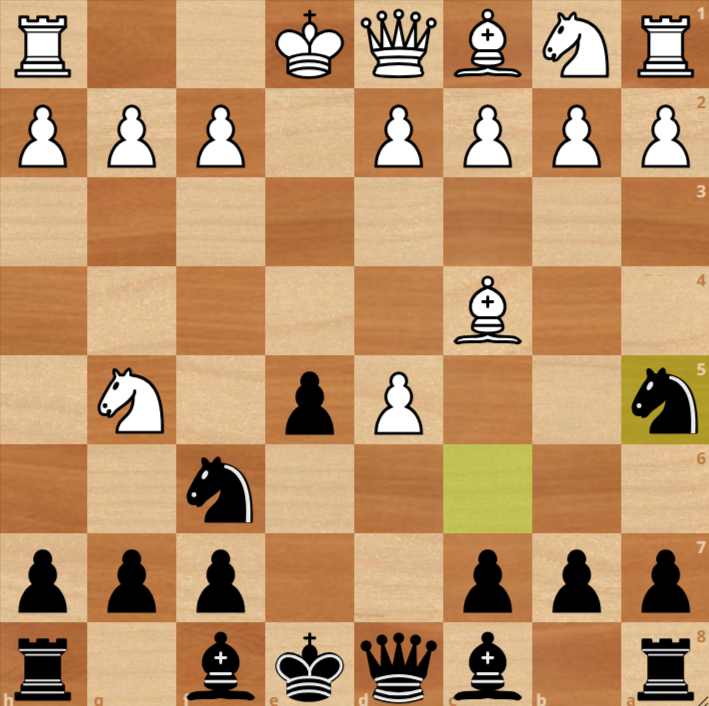
Club players at 1500 level score heavily with white with this line because opponents rarely know that the correct move on 5th move is 5…Na5 in Italian Game.
Focusing on rapid piece development rather than memorizing long theoretical lines is the best way to approach openings.
Ruy Lopez Pressure That Lasts All Game
The Ruy Lopez begins with 1.e4 e5 2.Nf3 Nc6 3.Bb5 By placing the bishop on b5, you create long-term strategic pressure on the c6-knight. While capturing on c6 doesn’t immediately win Black’s e5-pawn due to tactical tricks like …Qd4, it creates persistent structural tension that limits Black’s freedom.
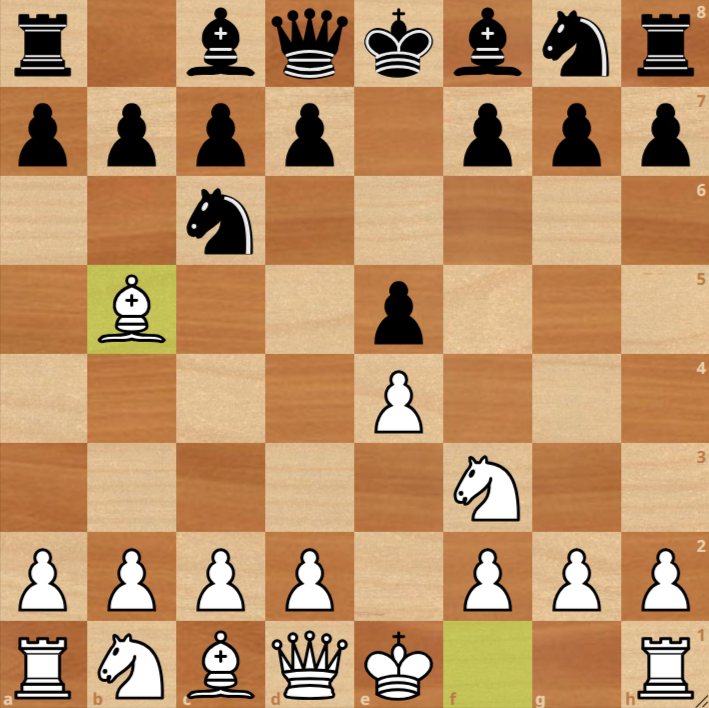
The world’s elite frequently rely on the Ruy Lopez because it seamlessly blends early tactical pressure with deep, enduring strategic plans. The Spanish Opening maintains tension without it commits to early tactics, which allows you to build pressure gradually while you keep multiple attack options open.
Queen’s Gambit Control That Dominates
The Queen’s Gambit opens with 1.d4 d5 2.c4 and offers a pawn to gain central dominance and rapid piece development.
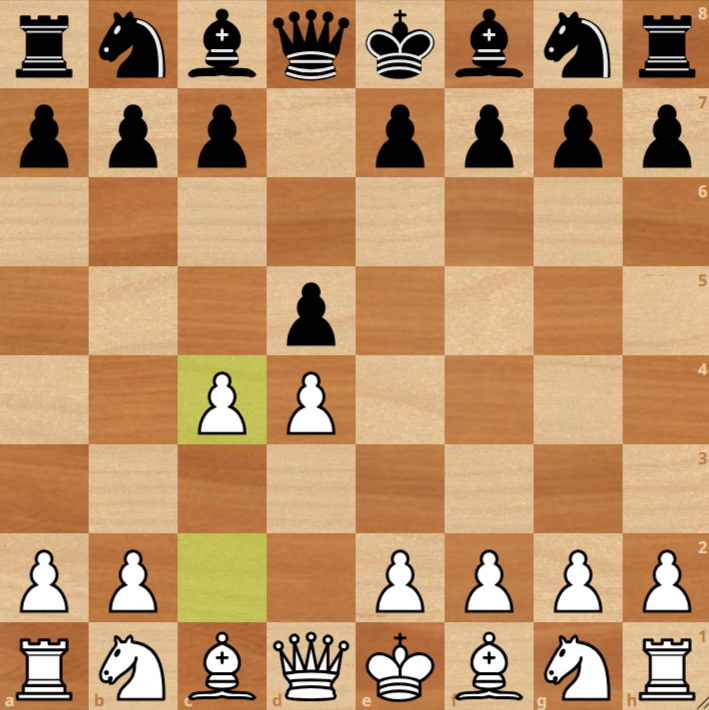
When Black accepts this gambit, it allows White to gain immediate central dominance and rapid piece development, which more than compensates for the temporary pawn investment.
Tournament statistics show that Queen’s Gambit players score heavily at the club level, consistently securing a distinct statistical edge for White by dictating the pace of the game from move two.
These aggressive systems work best when you understand their tactical patterns, but some players prefer positional approaches that build advantages through strategic maneuvering rather than direct attacks.
Positional Chess Openings for White That Build Long-Term Advantages
The English Opening with 1.c4 controls d5 from the flank while it keeps central pawn advances flexible for later in the game.
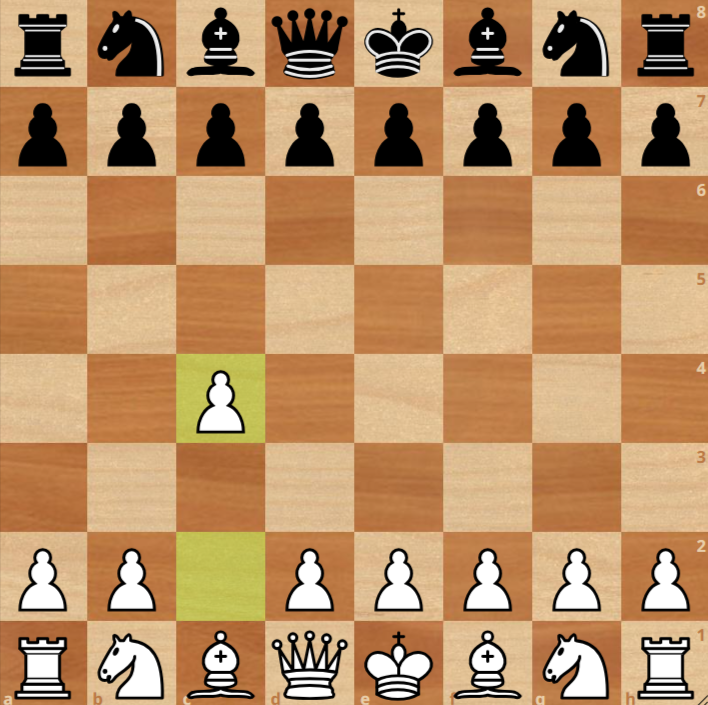
This system allows White to transpose into favorable versions of the Queen’s Gambit or Nimzo-Indian structures based on Black’s responses. Professional databases show English Opening practitioners maintain win rates at top level because the opening avoids early tactical complications while it builds sustainable positional pressure.
A popular, safe way to play this is to place your knight on f3, fianchetto your king’s bishop to g2, and castle kingside before you commit to specific pawn advances in the center.
Reti Opening Flexibility That Adapts to Everything
The Reti Opening starts with 1.Nf3 and develops pieces before you commit pawns to specific squares. This approach creates maximum flexibility against any Black setup. Hypermodern principles guide this strategy – control the center with pieces rather than occupy it immediately with pawns.

Your knight on f3 controls the critical e5 and d4 squares from a distance, preventing Black from easily seizing the center while keeping your own central pawn options flexible. Follow with 2.g3, 3.Bg2, and castle before you decide on pawn structure based on Black’s formation.
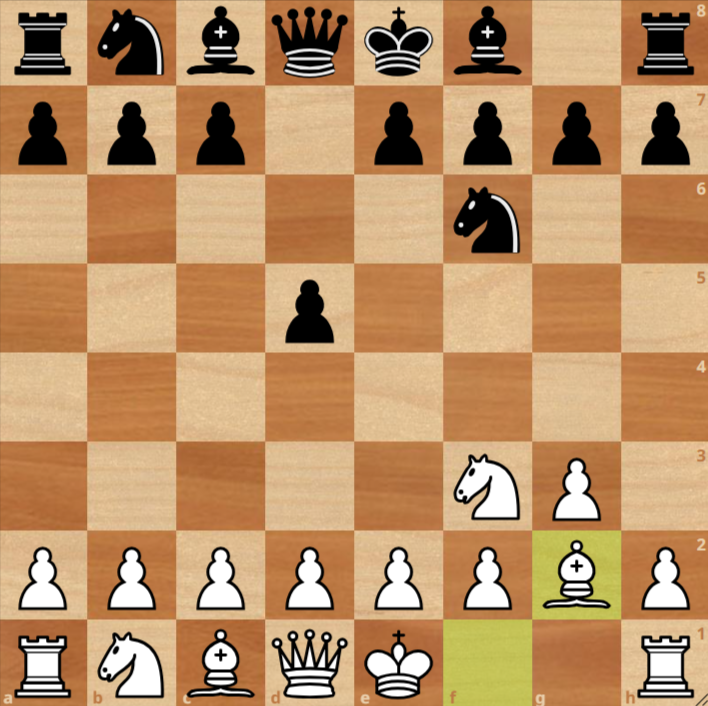
This delayed commitment allows you to choose the most favorable pawn structure after you see Black’s plans.
Catalan Power That Combines Everything
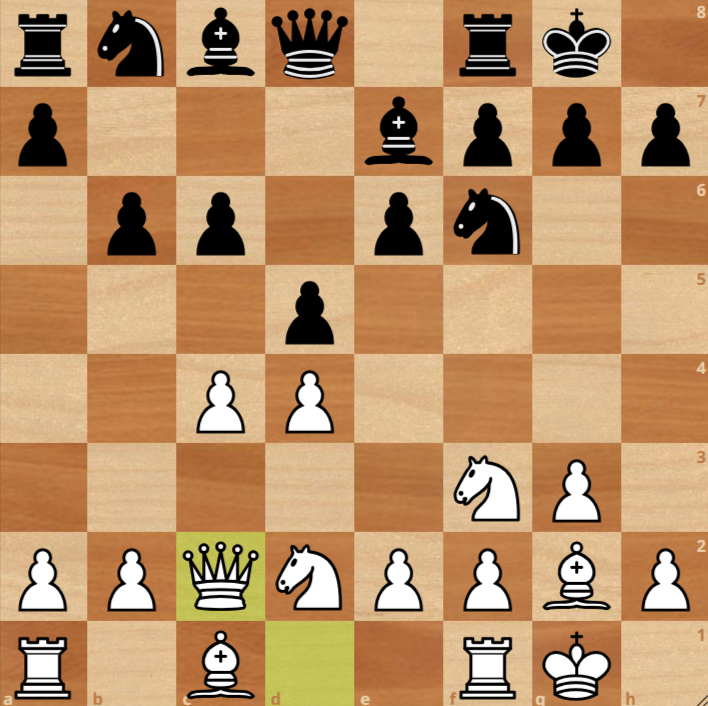
Among strategic chess openings for white, the Catalan Opening merges central control through d4 and c4 with kingside fianchetto pressure along the long diagonal. Start with 1.d4 d5 2.c4 e6 3.g3 to create this powerful hybrid system that controls both center and flanks simultaneously.
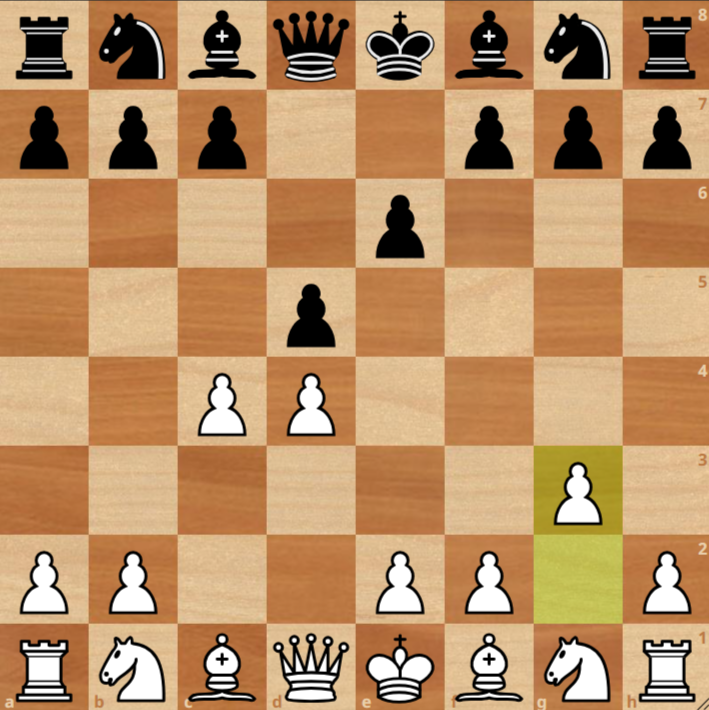
Your fianchettoed bishop on g2 exerts permanent pressure on Black’s queenside while your central pawns restrict piece mobility. Grandmaster games reveal Catalan players thrive when Black accepts the gambit pawn on c4.
White’s compensation lies in the immense, long-range pressure of the uncontested light-squared bishop on g2, which completely dominates the long diagonal and makes Black’s queenside development an absolute nightmare.
Castle early, complete development with Nf3, Nbd2, and Qc2, then apply gradual pressure through pawn advances and piece repositioning rather than immediate tactical strikes.
English Opening Transpositions That Confuse Opponents
The English Opening’s true strength lies in its ability to transpose into multiple pawn structures based on your opponent’s choices. Play 1.c4 e5 2.Nc3 Nf6 3.g3 to reach a Reversed Sicilian.
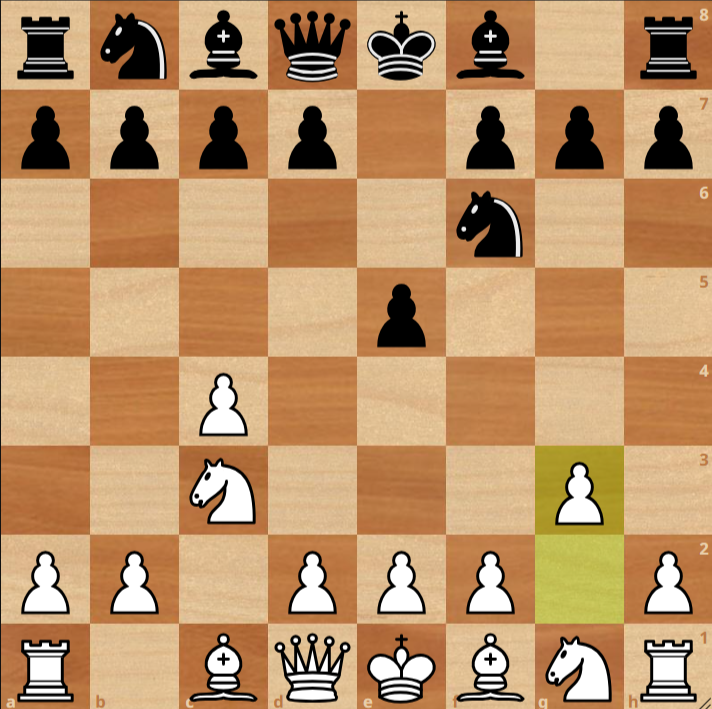
Because you are playing the Black side of a Sicilian setup but with the White pieces, you gain a vital extra tempo to steer the game. This setup confuses Black players who prepare specific defenses against 1.e4 or 1.d4 openings. Your pieces develop naturally to strong squares while Black struggles to find the most accurate setup.
Players who master English transpositions perform better than those who play only one system because opponents cannot prepare effectively against multiple possible structures. Chess engines excel in understanding these complex positions and creating long-term plans.
Final Thoughts
Your success with strong chess openings for white depends on how well you match systems to your natural style rather than force yourself into uncomfortable positions.
Aggressive players thrive with the Italian Game and Ruy Lopez because these openings create immediate tactical opportunities.
Positional players achieve better results with the English Opening or Catalan because they build long-term advantages through strategic plans.
Practice your chosen openings through focused study sessions that combine pattern recognition with practical play.
Spend 20 minutes daily to review key positions from your repertoire, then play rapid games to test your understanding. Analyze your games afterward to identify mistakes and missed opportunities.

Consistent preparation builds the confidence you need for tournament success. Master three core chess openings for white thoroughly rather than learn ten superficially.
We at Chess Gaja help students gain significant rating points when they commit to systematic opening study with experienced FIDE-rated coaches who provide personalized instruction and detailed game analysis.