Introducing children to chess can feel intimidating for many parents. The rules seem complicated, the board looks overwhelming, and many beginner chess books move too quickly for young learners. That is exactly where the Chess for Kids: Piece by Piece series by Grandmaster and FIDE Trainer Priyadharshan Kannappan stands out.
Published by Chess Gaja Academy, this beautifully illustrated children’s chess book series is designed specifically for children aged 5–10 who are just beginning their chess journey. Instead of teaching everything at once, the series introduces chess one piece at a time, making it one of the best chess books for kids and a perfect resource for parents looking to help their children learn chess in a fun and structured way.
A Beginner Chess Book Series Designed for Kids
One of the biggest challenges in chess education for children is keeping young learners engaged while ensuring they truly understand the game. Many beginner chess books introduce too many concepts too quickly, which can overwhelm children and reduce their interest.
The Piece by Piece series takes a completely different approach.
Each book focuses on a single chess piece and teaches:
- How the piece moves
- Basic chess rules
- Captures and tactics
- Early strategy ideas
- Simple examples children can follow easily
By breaking down chess concepts step by step, children develop confidence gradually and enjoy the learning process. This makes the series one of the most effective chess books for beginners and an excellent choice for parents searching for the best chess books for kids.
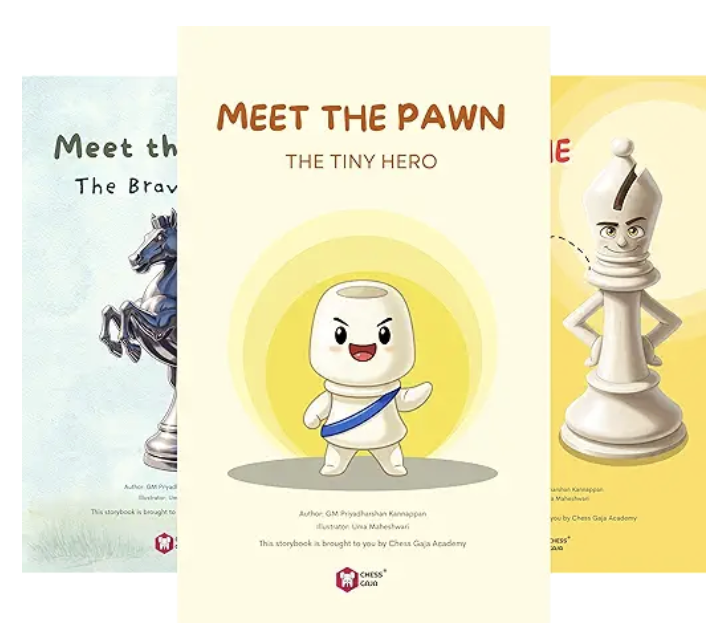
Meet the Chess Pieces One by One
The series includes seven beginner-friendly chess books that help children learn chess naturally and progressively. For adult beginners looking to enhance their skills, chess strategies for adult beginners can provide essential insights. These resources focus on tactics that suit the adult learning style, emphasizing strategic thinking and patience. Additionally, they often include practice scenarios that can help players apply what they’ve learned effectively. Many resources also provide strategies for improving chess skills through interactive exercises and puzzles. By engaging with these materials, players can gradually refine their abilities and gain confidence in their gameplay. This dynamic approach helps to foster a deeper understanding of chess, ultimately leading to more enjoyable and successful matches.
Meet the Pawn – The Tiny Hero
Children learn pawn movement, captures, and promotion through storytelling, illustrations, and beginner-friendly examples. Book link
Meet the Knight – The Brave Jumper
A fun introduction to the knight’s unique L-shaped movement with guided practice and visual learning. Book link
Meet the Bishop – The Diagonal Hero
Young learners discover diagonal movement and understand how bishops control long lines across the chessboard. Book link
Meet the Rook – Castle Keeper
This book teaches straight-line movement, rook activity, and simple attacking concepts. Book link
Meet the Queen
Children explore the queen’s power, flexibility, and importance through easy-to-understand beginner positions. Book link
Meet the King
An engaging introduction to king safety, check, and checkmate for young chess players. Book link
The Magical Chessboard Kingdom
The final book helps children understand how all the pieces work together while introducing opening principles, teamwork, and basic planning. Book link
Written by a Grandmaster and Experienced Chess Coach
What makes this children’s chess book series especially valuable is the experience behind it.
The books are written by Grandmaster and FIDE Trainer Priyadharshan Kannappan, founder of Chess Gaja Academy. His years of experience in chess training for children are reflected in the structure of every lesson.
The explanations are simple without being oversimplified. The storytelling approach keeps children engaged, while the illustrations help visual learners understand concepts more naturally.
For parents looking for a structured way to teach kids chess at home, this series offers both educational value and accessibility.
Why Chess Is Important for Young Children
Chess is more than just a game. Research and coaching experience consistently show that chess helps children develop:
- Problem-solving skills
- Concentration and focus
- Patience
- Logical thinking
- Decision-making abilities
- Confidence
When children learn chess in a supportive and beginner-friendly environment, they often become more comfortable with challenges and independent thinking.
That is why choosing the right chess books for kids and beginner resources can make such a significant difference in a child’s learning journey.
Perfect for Home Learning, Schools, and Chess Clubs
The Chess for Kids: Piece by Piece series is ideal for:
- Parents teaching chess at home
- School chess programs
- After-school activities
- Beginner chess clubs
- Coaches working with young children
Because the books focus on progressive learning and clear explanations, they are particularly effective for absolute beginners.
Whether you are looking for chess books for ages 5–10, a structured chess curriculum for kids, or engaging children’s chess books, this series provides an excellent foundation. Top chess strategies from grand master can enhance your child’s understanding of the game. These pivotal techniques not only improve their skills but also encourage critical thinking and patience. By learning from the best, young players can develop a deeper appreciation for chess. Chess strategies for absolute beginners can provide a solid starting point for young players eager to enjoy this classic game. These strategies simplify complex concepts, making them accessible and engaging. As children become familiar with these foundational tactics, their confidence and enjoyment of chess will grow.
A Warm and Engaging Introduction to Chess
For many children, their first experience with chess determines whether they continue enjoying the game. A confusing introduction can quickly make them lose interest.
The Piece by Piece series creates the opposite experience. It makes chess approachable, enjoyable, and exciting.
If you are searching for the best chess books for kids, illustrated chess books for children, or a step-by-step guide to learning chess for kids, this collection is an outstanding place to start.
Through storytelling, illustrations, and carefully structured lessons, Chess Gaja Academy has created a chess learning experience that genuinely feels designed for children.
Explore the Chess for Kids: Piece by Piece series by Grandmaster Priyadharshan Kannappan on Amazon and give your child a fun, confidence-building introduction to the world of chess.
Frequently Asked Questions
What is the best chess book for beginners?
The Chess for Kids: Piece by Piece series is specifically designed for young beginners and introduces chess one piece at a time using stories, illustrations, and guided learning.
At what age can children start learning chess?
Most children can begin learning chess between ages 5 and 7 when taught using age-appropriate resources and engaging activities.
How can I teach chess to my child at home?
Using beginner-friendly chess books, simple puzzles, and structured lessons can help children build confidence and learn chess effectively.
Why is chess good for children?
Chess helps children improve concentration, logical thinking, patience, problem-solving skills, decision-making, and confidence.