


Last month, a 12-year-old student from Dubai came to Chess Gaja after losing five games in a row due to a poor understanding of chess openings and defenses.
Mastering chess strategies for openings and defenses transforms your game from reactive to proactive. At Chess Gaja, we’ve seen players gain 200 rating points simply by learning the right opening principles.
This guide covers the essential openings every improving player needs in their arsenal.
As Grandmaster Priyadharshan Kannappan, FIDE Trainer and founder of Chess Gaja Academy, I have worked with thousands of students across the world who knew opening moves but still struggle in the middlegame.
Ultimately, the true difference lies in how deeply you understand the long-term plans behind those moves.
Instead of memorizing endless variations, you need a clear sense of what structures you are aiming for, which pieces to trade, and where your pieces belong in the resulting positions.
This guide will walk you through a practical approach to understanding openings and defenses so that your preparation consistently leads to stronger, more confident middlegame play.
Which White Chess Openings and Defenses Give You the Best Advantage?
Master the Italian Game First
The Italian Game delivers immediate central control and rapid development after 1.e4 e5 2.Nf3 Nc6 3.Bc4.
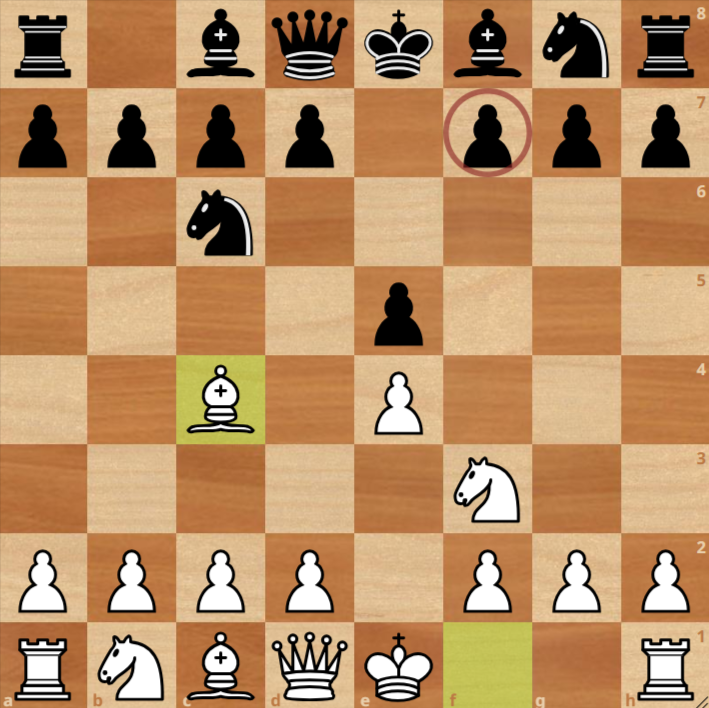
This opening targets the weak f7 square while it develops pieces toward the center.
Statistical analysis shows that players who master the Italian Game’s fundamental principles handle classic chess openings and defenses far better than those who use random development moves.
The key advantage lies in its flexibility. Specifically, you can transition into closed positions with moves like d3 and Be3. Alternatively, you can blast the center open with rapid c3-d4 pawn breaks.
Focus on castling between move 8-10 and connect your rooks by move 10. This systematic approach prevents the common mistake of piece shuffles that cost valuable tempo.
The Ruy Lopez Builds Long-Term Pressure
After 1.e4 e5 2.Nf3 Nc6 3.Bb5, the Ruy Lopez creates sustained pressure on Black’s position.
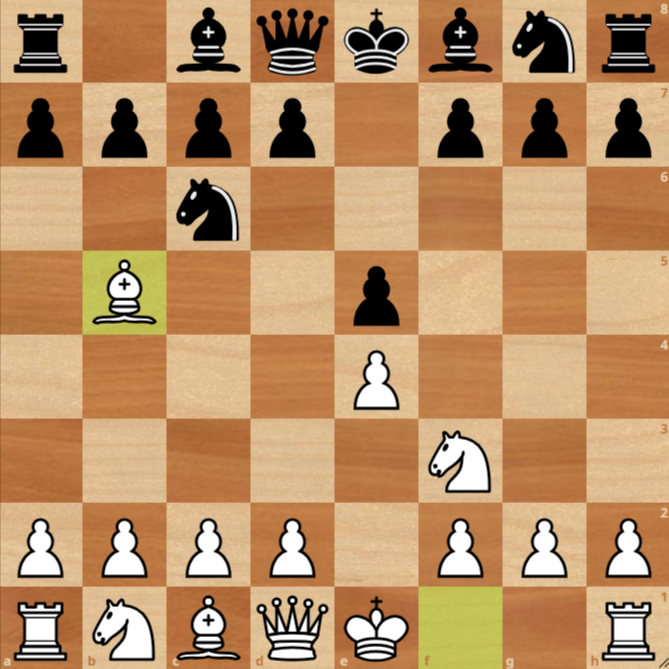
Unlike tactical openings that seek quick wins, the Ruy Lopez teaches essential positional concepts that improve your overall chess understanding.
Players who study this opening gain an average of 100 rating points within six months to one year (according to chess training data of Chess Gaja).
The main line continues with 3…a6 4.Ba4 Nf6 5.0-0. In this position, White maintains steady pressure on the e5-pawn while smoothly continuing piece development.
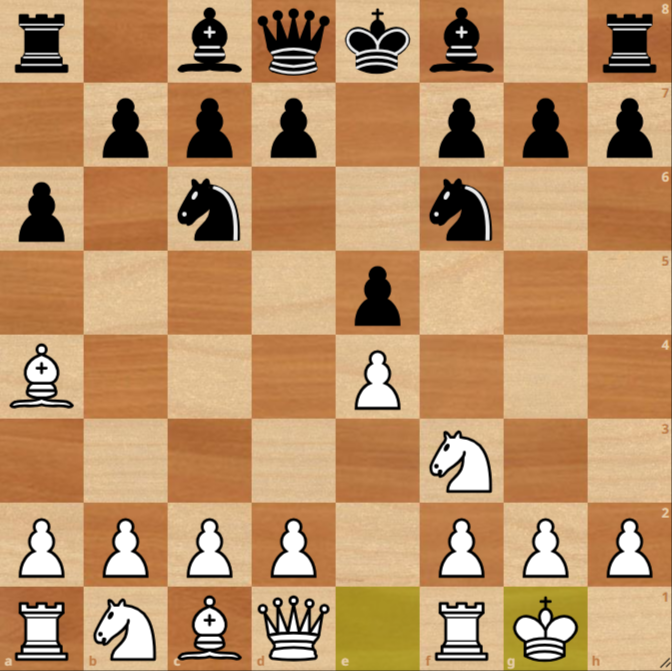
The Ruy Lopez has historically been championed by players of all levels, from club amateurs to World Champions. Its enduring popularity over more than a century proves just how strategically sound and deeply respected the opening remains for both sides.
Queen’s Gambit Dominates Central Control
The Queen’s Gambit starts with 1.d4 d5 2.c4 and offers superior central control compared to king’s pawn openings. 1… d5 is the most popular response to d4, which makes this preparation highly practical.
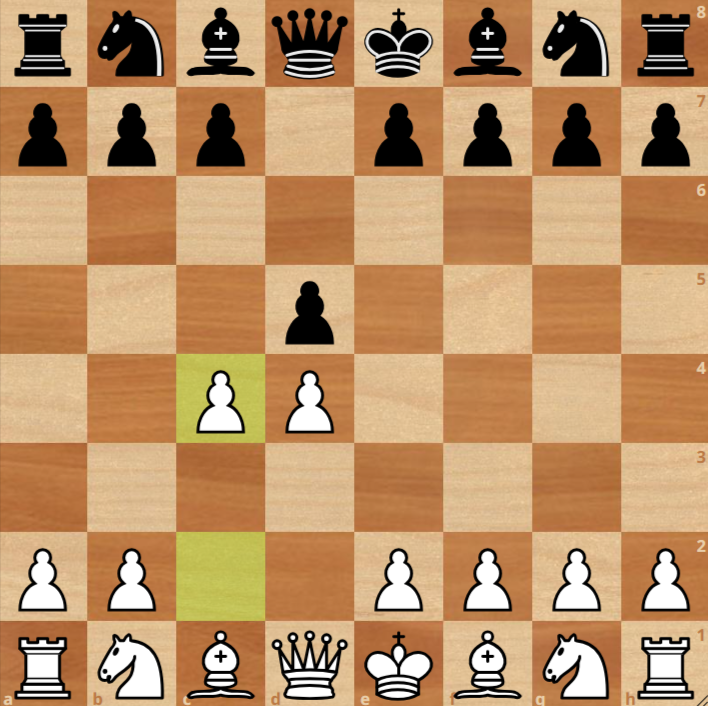
Playing 2.c4 is the most principled move for White and it leads to interesting possibilies for both sides and statistically White scores slightly better than Black.
Accept the gambit with 2…dxc4 leads to active piece play, while decline with 2…e6 creates solid positions for Black.
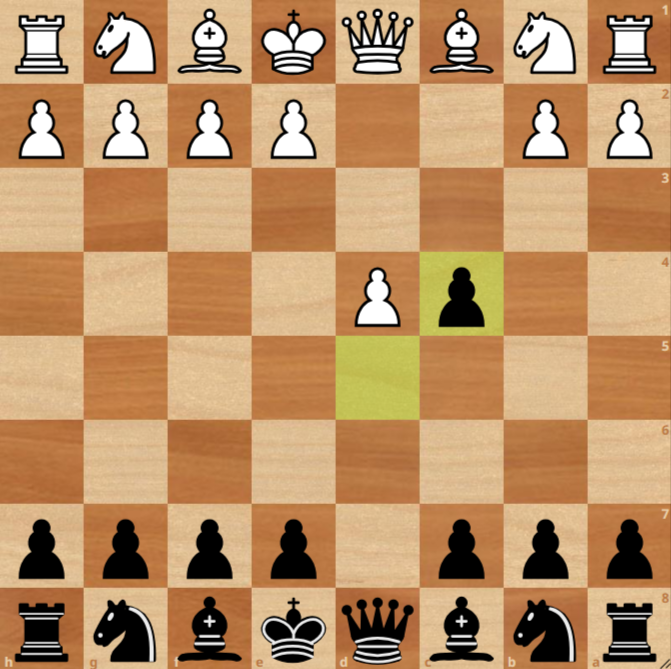
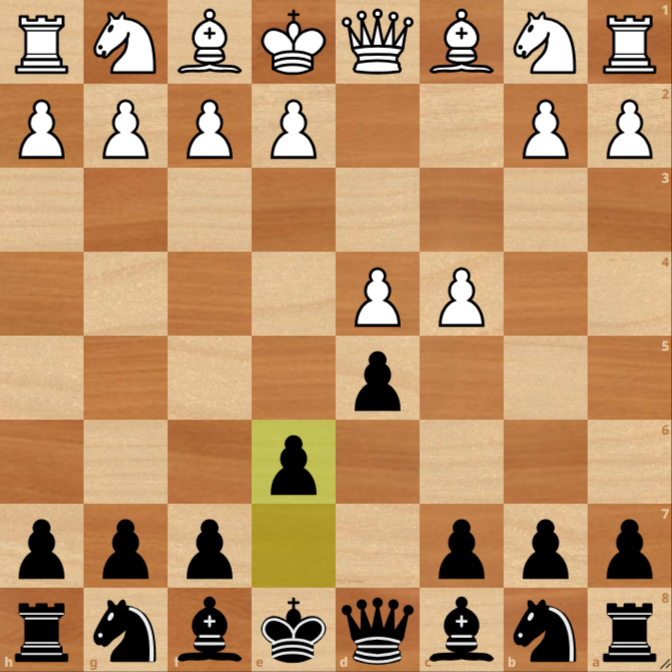
The Queen’s Gambit—both Accepted and Declined—has seen fantastic duels at all levels of chess, from amateurs to top professionals. I personally played the Queen’s Gambit Accepted for a major part of my chess career with the Black pieces, and it brings back very fond memories of some of my most memorable games.
English Opening Provides Flexible Control
The English Opening (1.c4) offers White maximum flexibility in the early game.
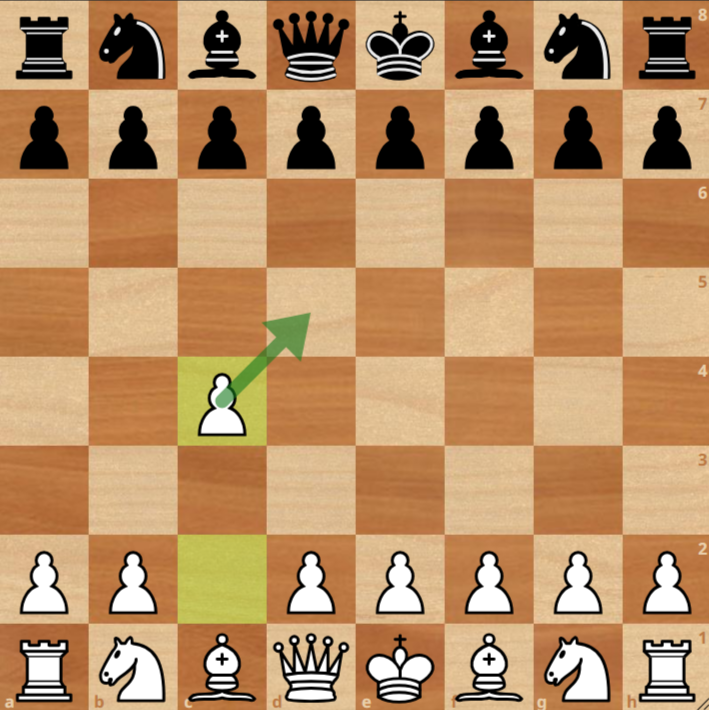
This system allows you to transpose into favorable Queen’s Gambit structures or maintain independent pawn formations based on Black’s response.
Professional players choose this opening when they want to avoid theoretical battles while maintaining slight pressure.
Personally, I only began exploring the English Opening seriously after an insightful recommendation from my mentor, former Women’s World Champion GM Susan Polgar.
Consequently, it became a perfect fit for my positional and endgame style.
Her suggestion completely transformed my approach. By adopting 1.c4, I maintained a spectacular 2566 FIDE performance rating. The system worked out brilliantly for my tournament style.
Black’s most common responses for 1.c4 include 1…e5, 1…Nf6, and 1…c5.
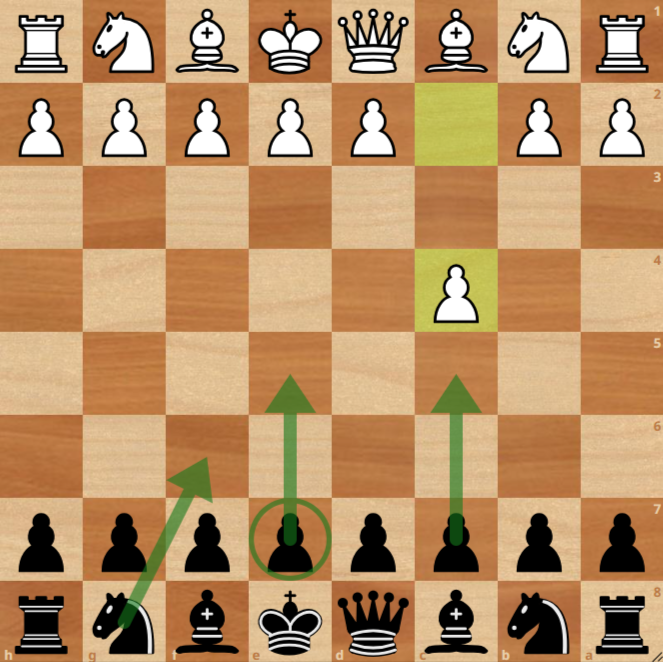
Each leads to different pawn structures, and White has lots of interesting possibilities and transpositions. The English Opening suits players who prefer strategic maneuvering over tactical complications.
These solid foundations prepare you to handle Black’s most popular defensive systems with confidence.
Essential Chess Openings and Defenses for Black
Sicilian Defense Creates Winning Chances
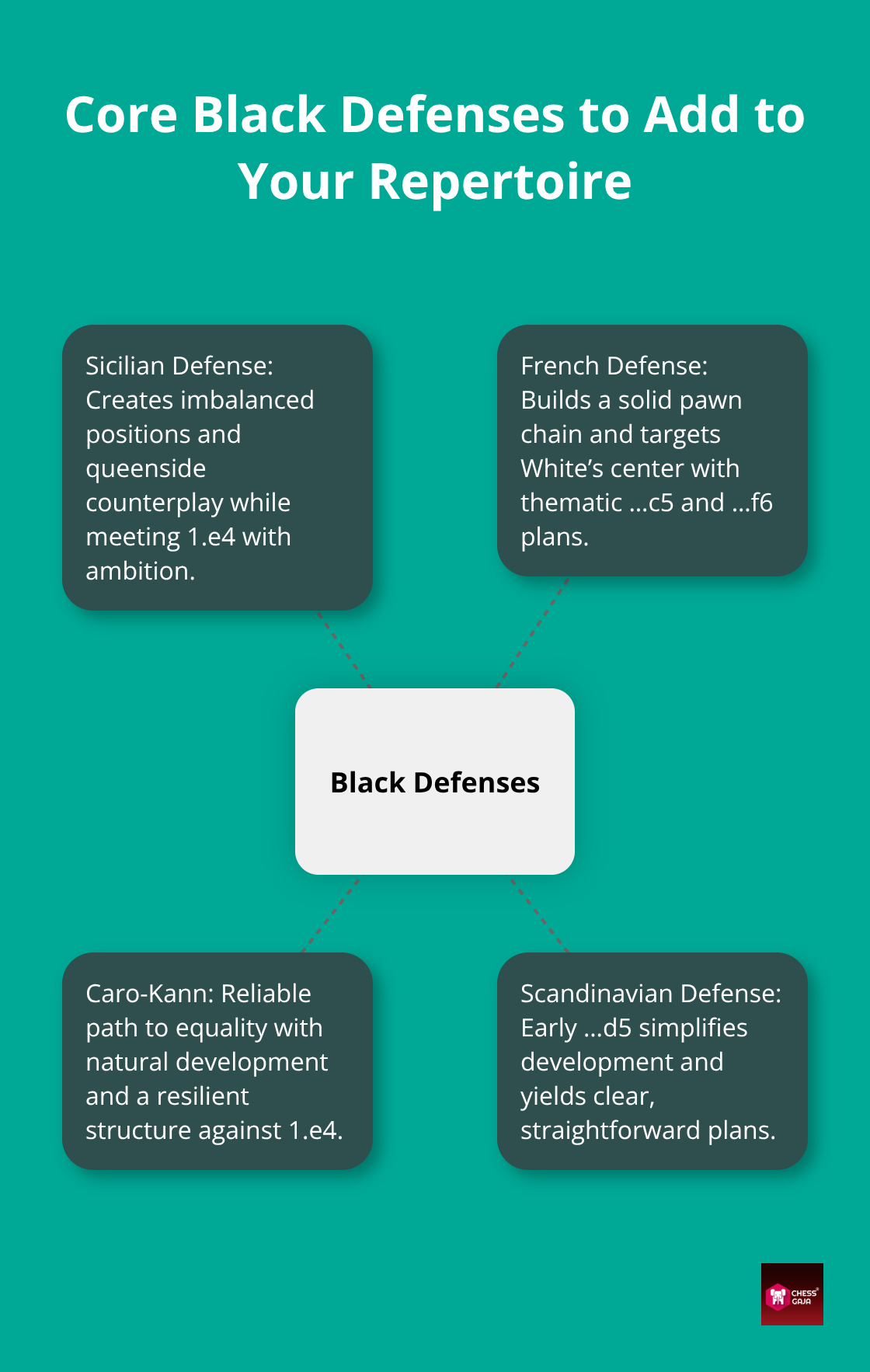
The Sicilian Defense with 1.e4 c5 gives Black strong fighting chances against 1.e4, making it one of the most aggressive chess openings and defenses in modern theory.
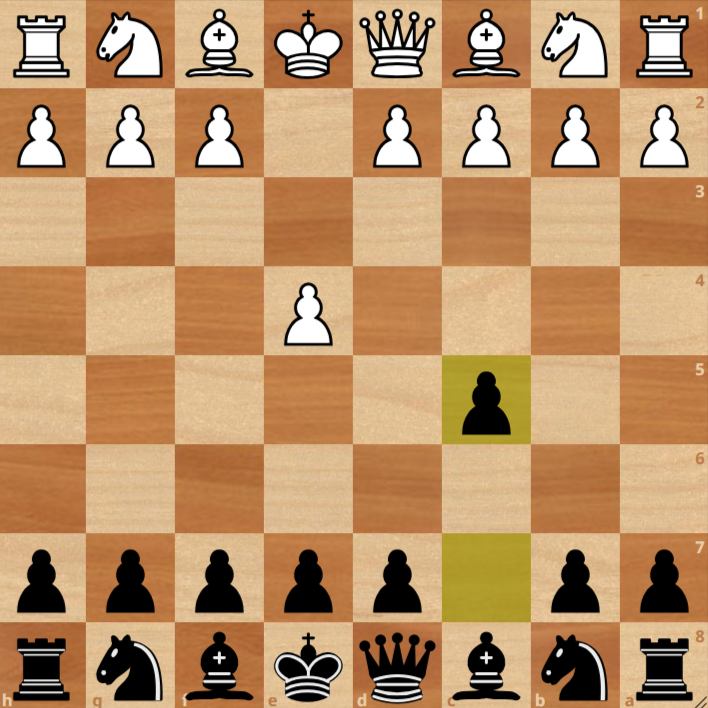
This asymmetrical pawn structure creates imbalanced positions where both sides fight for different advantages. Black gains counterplay on the queenside while White attacks the kingside.
Start with the Accelerated Dragon variation (1.e4 c5 2.Nf3 g6 3.d4 cxd4 4.Nxd4 Bg7) for active dynamic development without early weaknesses.
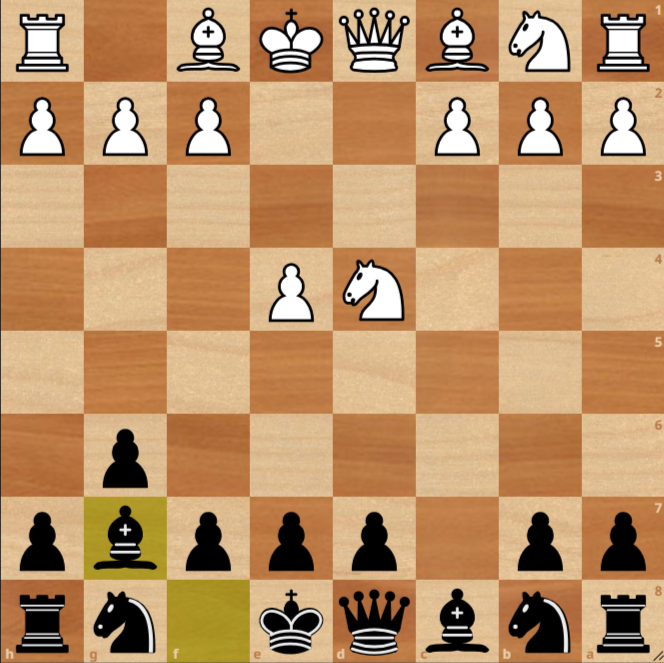
This setup allows quick castles and piece coordination while it avoids the sharp theoretical lines that require extensive memorization.
Your fianchettoed bishop controls the long diagonal and supports quick central breaks in the center with …d5 in some variations.
French Defense Builds Solid Foundations
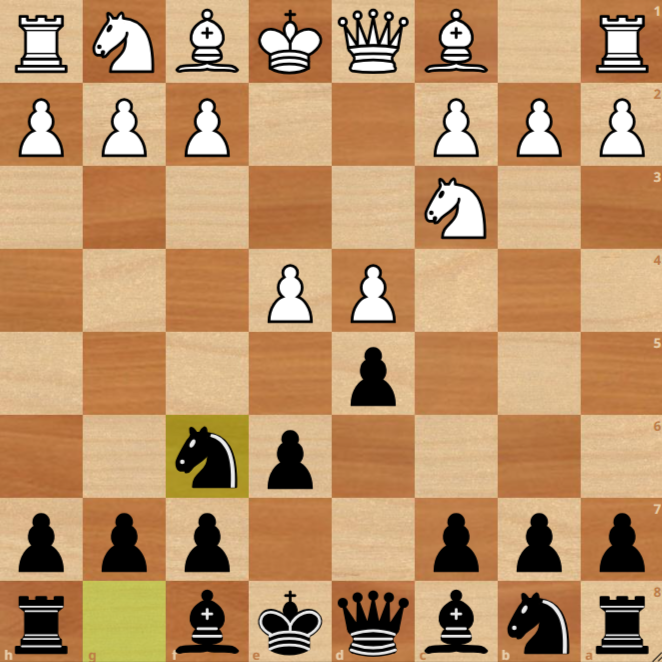
The French Defense (1.e4 e6 2.d4 d5) creates a rock-solid pawn chain that restricts White’s attack chances.
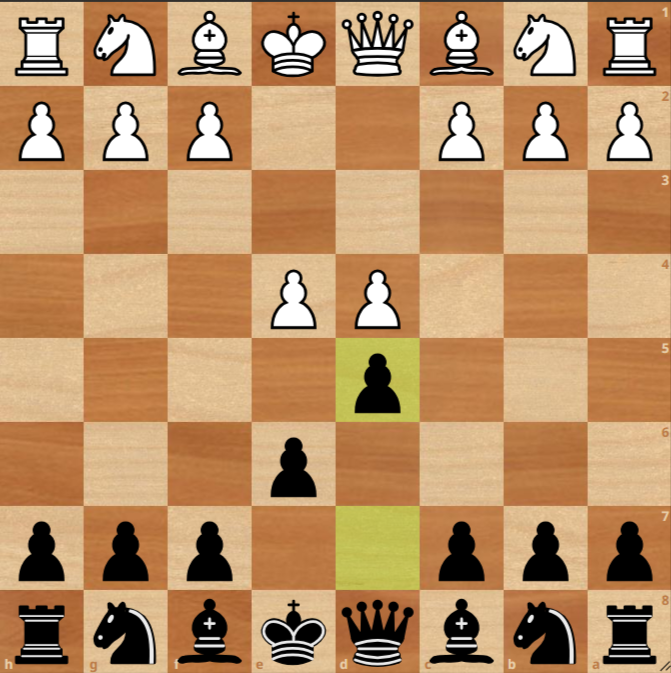
The French Defense provides excellent defensive resources, which makes it ideal for positional players who prefer strategic battles over tactical skirmishes.
The pawn structure provides clear plans: Black attacks White’s center with moves like c7-c5 and f7-f6.
For instance, you can play the Winawer Variation (3.Nc3 Bb4) if you enjoy sharp, unbalanced piece play. On the other hand, you might choose the Classical Variation (3.Nc3 Nf6) for safer, solid development structures.
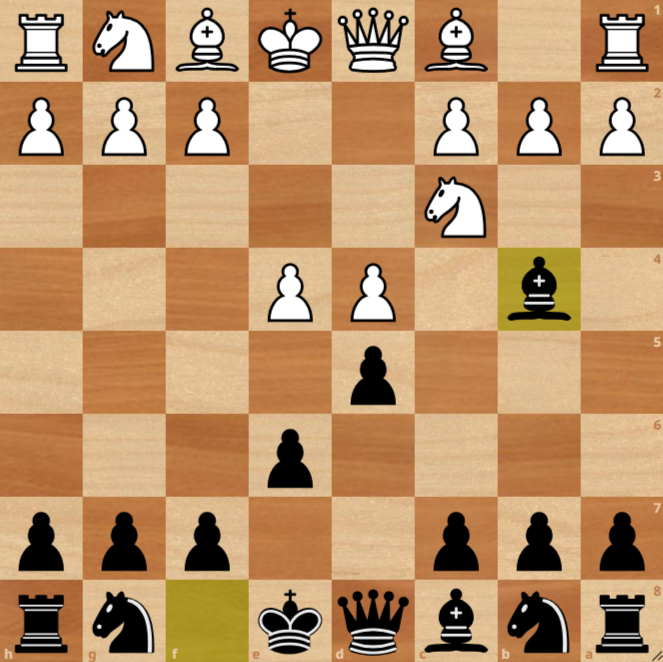
Ultimately, both systems give Black excellent defensive resources. They also maintain strong counterattacking potential on the queenside.
Caro-Kann Delivers Reliable Equality
The Caro-Kann Defense (1.e4 c6 2.d4 d5) offers Black one the most reliable path to equality against e4.
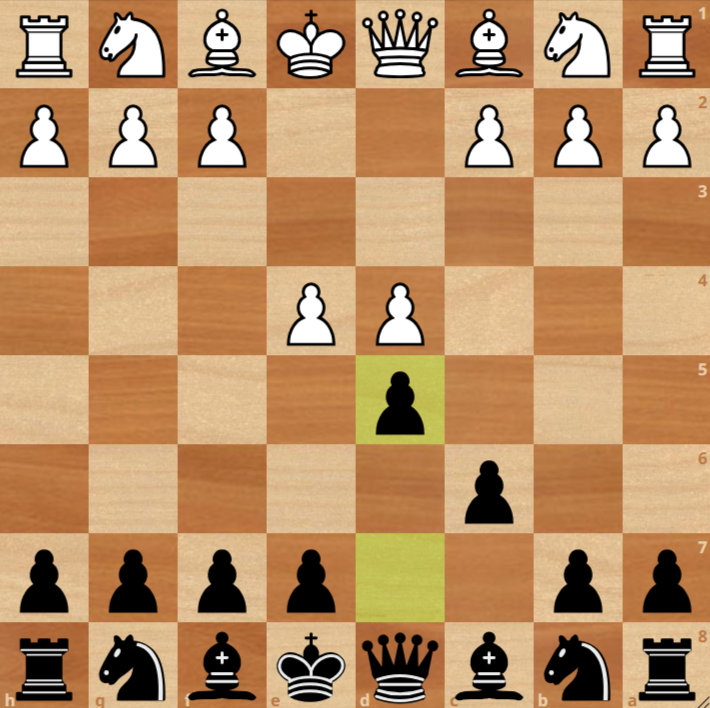
This defense allows natural development for all your pieces without creating structural weaknesses. Furthermore, professional players achieve high scoring safety with the Caro-Kann. This consistently demonstrates its defensive strength.
The main line continues 3.Nc3 dxe4 4.Nxe4 Bf5, where Black’s light-squared bishop finds an active square before the pawn chain blocks its development.
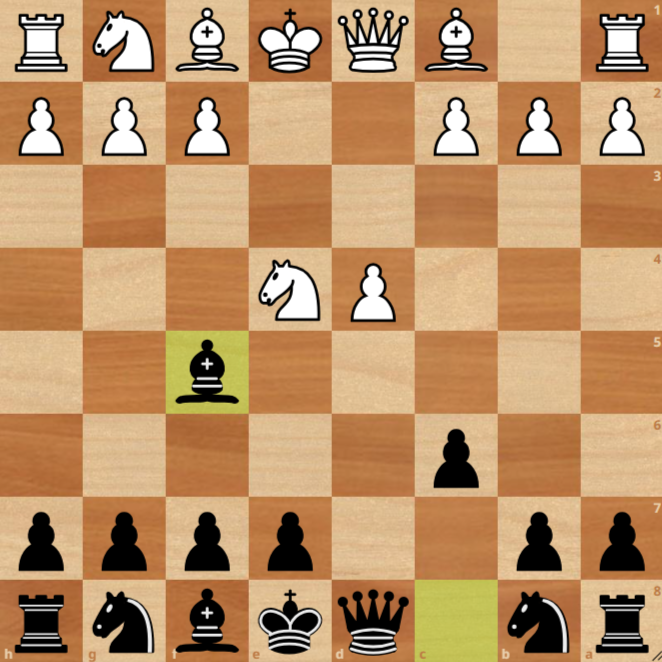
This approach prevents the cramped positions that plague other defenses and gives Black equal fight chances in the middlegame.
Scandinavian Defense Simplifies Development
The Scandinavian Defense which is also called Center-Counter Defense (1.e4 d5) immediately challenges White’s central pawn and leads to complex positions after 2.exd5 Qxd5 3.Nc3 Qa5.
Personally, I do not recommend the Scandinavian as a primary weapon. It functions best as an occasional surprise choice. While it can catch opponents off guard at amateur levels, it rarely works effectively once you cross an 1800 FIDE rating.
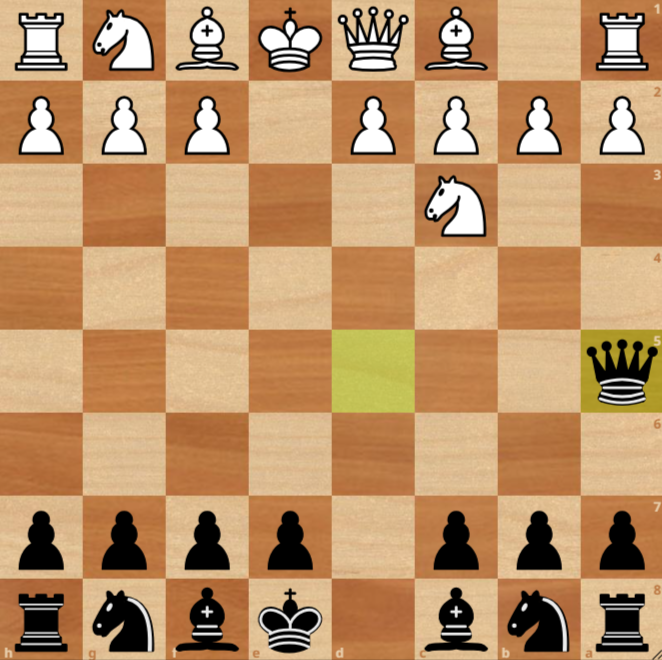
Black’s queen moves early but finds a safe square that maintains pressure on White’s position. This straightforward approach suits players who want clear development plans without complex theoretical preparation.
Black develops pieces naturally with Nf6, Bg4, and 0-0-0, while the queen on a5 prevents White from easy central expansion.
The simplified pawn structure reduces tactical complications and allows Black to focus on piece activity rather than pawn breaks.
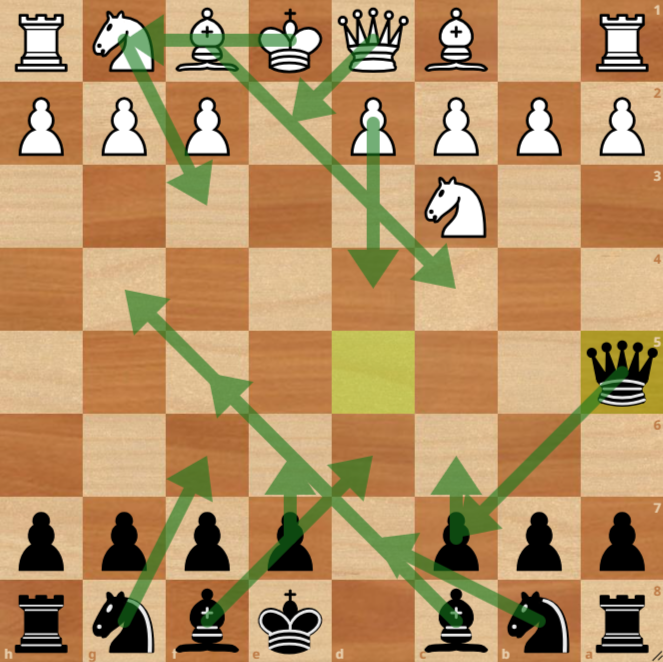
Black can use Scandinavian as a surprise weapon when the opponent least expects it out of the opening, even though it’s a dubious opening.
These systems prepare you to handle White’s most aggressive attacks, but success depends on avoiding common opening mistakes that can ruin even the strongest defensive setups.
Critical Blunders in Chess Openings and Defenses
The Tempo-Wasting Trap
Players who move the same piece twice in the opening destroy their development advantage and hand opponents free moves. When you play Nf3 followed by Ng5, you waste two tempos while your opponent develops naturally.
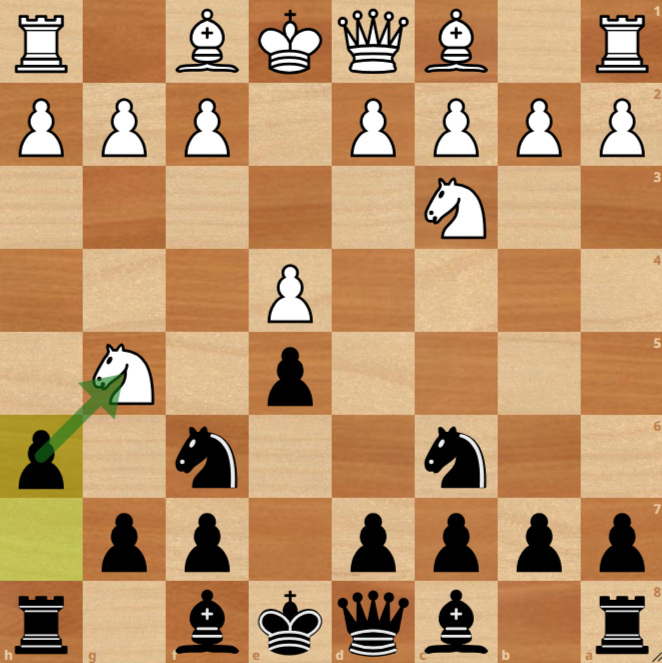
Chess databases show that players who move knights twice in the first eight moves face significant disadvantages compared to those who develop systematically.
This pattern appears most frequently when players chase immediate tactics instead of following development principles.
The knight on g5 looks aggressive but accomplishes nothing concrete. Instead, your opponent simply plays h6 to force a retreat. Consequently, Black gains valuable time for active moves like Bc5 or Nf6.
Professional players avoid these tempo losses because each wasted move in the opening translates to permanent disadvantage in piece coordination.
King Safety Cannot Wait
Players who delay castles beyond move 10 invite tactical disasters that end games quickly.
Analysis of a large database of games reveals that players who castle after move 12 face mate threats more often in their games compared to those who castle early.
Your king in the center blocks rook development and creates tactical vulnerabilities that skilled opponents exploit ruthlessly.
The f7 square becomes particularly weak when your king stays uncastled when you are playing as Black.
As a result, moves like Bc4 and Ng5 target this weakness directly. Black simply cannot defend adequately without prioritizing early king safety.
When studying fundamental chess openings and defenses, you must prioritize castling kingside by move 8 to 10 in most open games.
The only exception to the pawn move would be creating an escape square for the king from Backrank checks by playing …h6 somewhere in the middlegame.
Central Neglect Costs Games
Players who ignore the central squares e4, e5, d4, and d5 surrender the most important real estate on the board. Those who fail to contest central squares lose space permanently and struggle to coordinate pieces effectively.
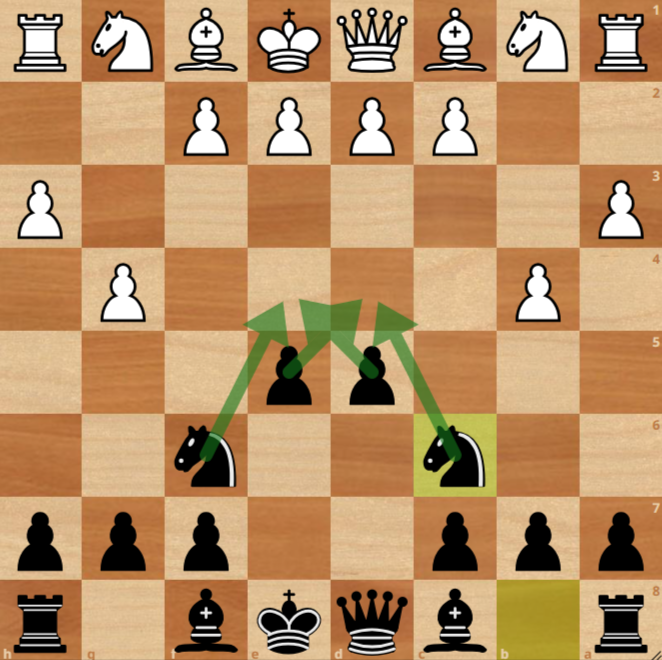
Statistical analysis shows that players who control two central squares achieve a much higher win rate compared to players who abandon central influence early.
Weak pawn moves like h3 and a3 in the opening waste time while your opponent claims central dominance with moves like d5 and e5.
These space advantages compound throughout the game because central control enables piece mobility and attack coordination.
Therefore, you must fight for the center immediately using both your pawns and minor pieces, rather than pursuing marginal gains on the flanks.
Final Thoughts
Select your opening and defense choices to start your chess journey. The Italian Game for White and Sicilian Defense against 1.e4 and Queens Gambit Accepted against 1.d4 as Black side provide excellent foundations that teach essential principles without overwhelming complexity.
Focus on learning these chess openings and defenses exclusively for 4 month cumulatively to build solid pattern recognition.
Play five games weekly with your selected openings on platforms like Chess.com or Lichess. Analyze each game afterward to identify mistakes and missed opportunities in the first ten moves. Study master games in your chosen systems to understand the strategic ideas behind each move (rather than memorizing variations).
Players who follow structured opening study gain an average of 100 rating points within six months. At Chess Gaja, our coaches provide personalized instruction to accelerate your improvement through focused preparation. Your next step is simple: select your openings today and commit to consistent practice.