


Last month, an absolute beginner student in Dubai fell into a Scholar’s Mate trap and lost in four moves. It was frustrating, but it taught him something valuable: mastering chess opening traps can completely flip a game in your favor from the very first moves.
At Chess Gaja, we’ve seen how players at absolute beginner and beginner level often miss tactical opportunities in the first 15 moves. The good news is that opening traps aren’t mysterious-they follow patterns you can learn and use.
As Grandmaster Priyadharshan Kannappan, FIDE Trainer and founder of Chess Gaja Academy, I have taught thousands of students that opening traps are not just about “tricks,” but about exploiting specific tactical vulnerabilities in an opponent’s development.
While many players rely on hope, I advocate for traps that arise naturally from sound, aggressive positions, ensuring you remain better even if the opponent finds the right defense.
In this article, I break down the most effective traps in modern play and show you how to weaponize these patterns to secure fast, decisive victories.
Master These Lethal Chess Opening Traps
The Italian Game’s Natural-Looking Trap
The Italian Game presents one of the easiest traps to spring on unprepared opponents, and it starts with a move that looks completely natural.
After 1.e4 e5 2.Nf3 Nc6 3.Bc4, White has developed smoothly and threatens f7, the weakest square on Black’s side.
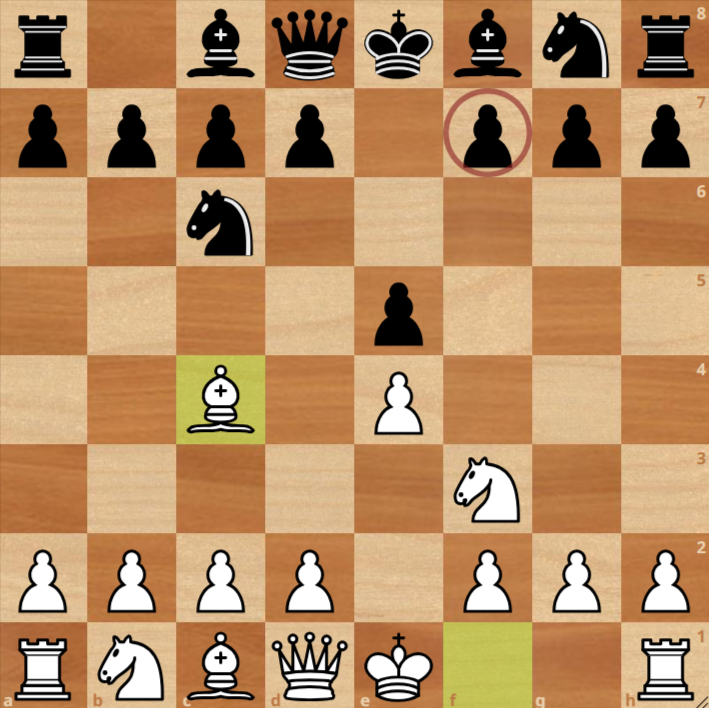
Many players at the 1500 rating respond with 3…Bc5, mirroring White’s setup, which is entirely reasonable.
However, if White continues with 4.c3 and Black plays 4…Nf6, White plays 5.d4. After the logical exchanges 5…exd4 6.cxd4 Bb4+, White plays 7.Bd2 (or 7.Nc3).
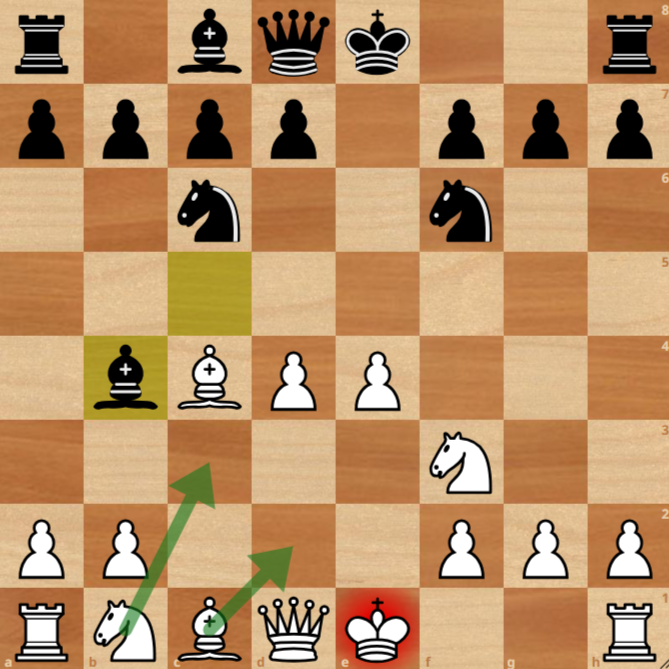
However, if Black prematurely retreats the bishop with 5…Bb6?, White can immediately seize space with 6.dxe5! attacking the black knight, and it must move. The trap emerges when Black plays 6…Nxe4?. White strikes with 7.Qd5!, creating a deadly double threat: immediate checkmate on f7 and an attack on the e4-knight.
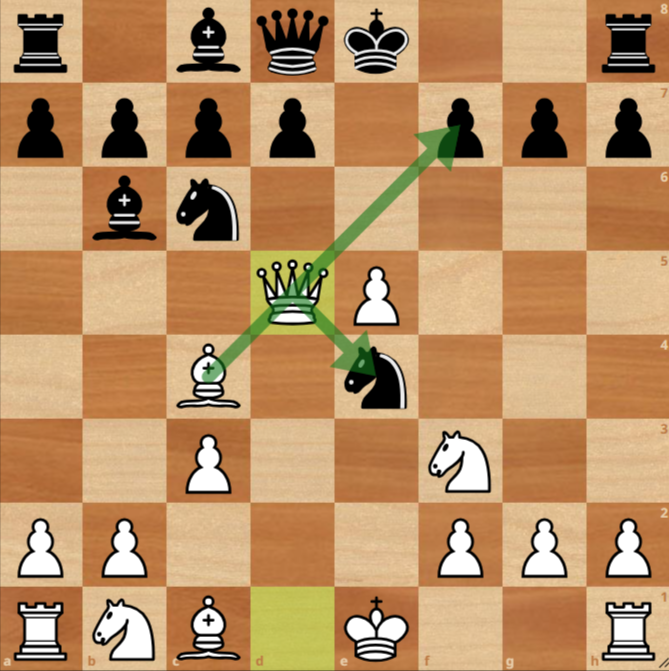
Even though intermediate players might try to scramble with 7…Bxf2+, White emerges with a decisive advantage. Players at the 1200-1500 level frequently fall into this by focusing on immediate material grab rather than overall piece coordination. If you want to avoid these tactical blind spots entirely, check out our insights on the Chess Gaja Blog for deeper strategic guidance.
The Dangerous Fork!
The Dangerous Fork Trap arises after 1.e4 e5 2.Nf3 Nc6 3.Bc4 Bc5 4.Nc3 Nf6 5.d3 d6 6.Bg5 h6 7.Bxf6 Qxf6 8.Nd5 Qd8 9.c3 Be6?
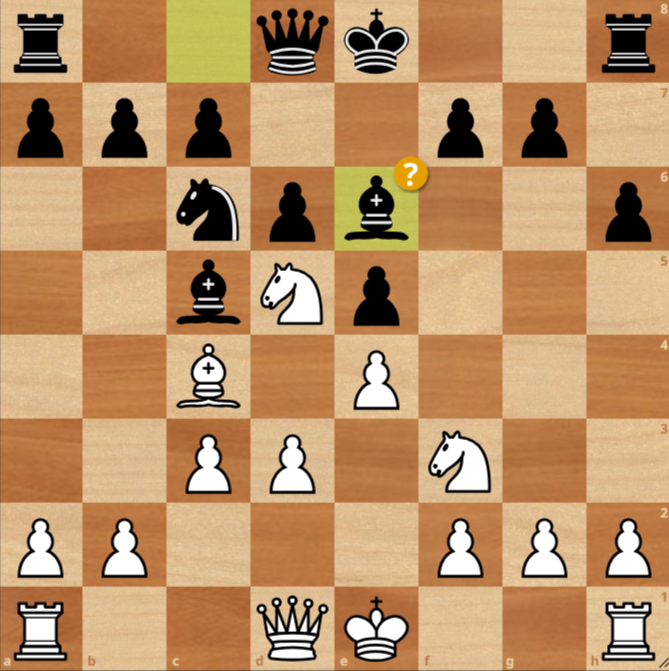
White can punish Black’s mistake by playing 10.d4 exd4 11.cxd4 Bb6??. This is a major blunder. White wins decisive material by first removing the key defender with 12.Nxb6 axb6 and then striking with 13.d5!. This creates a deadly fork between the bishop on e6 and the knight on c6.
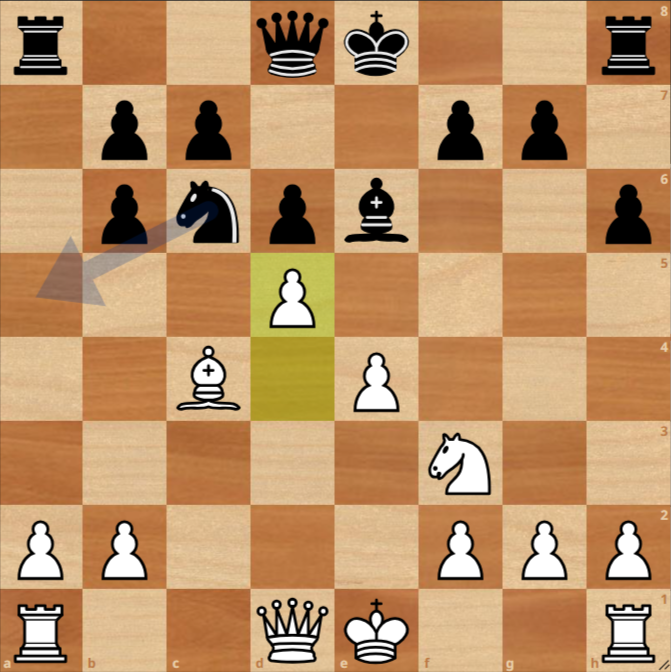
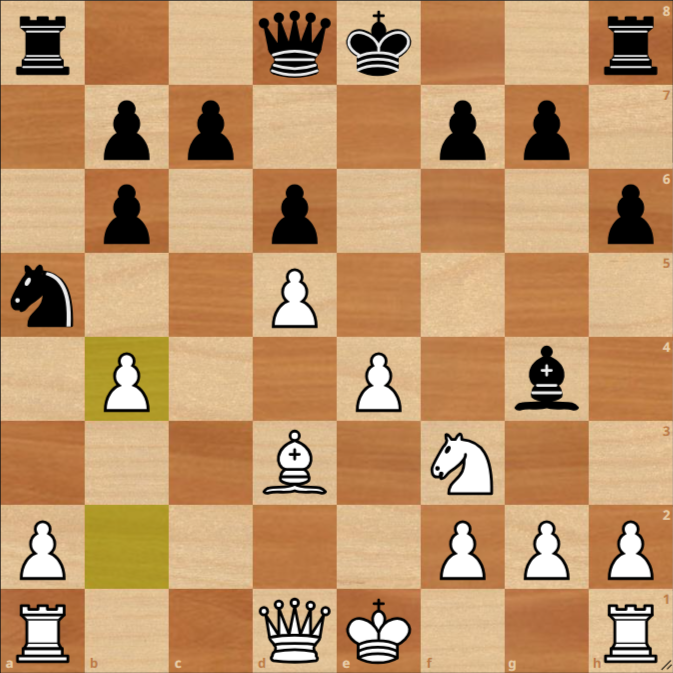
Black can try one last idea by playing 13…Na5 attacking the bishop on c4, but White can cleverly play 14.Bd3 Bg4 15.b4 and trap the knight on a5.
The Ponziani Trap
The Ponziani is a fantastic sideline for White, packed with lethal chess opening traps that intermediate players easily fall for! One such idea is 1.e4 e5 2.Nf3 Nc6 3.c3 (The Ponziani!) Nf6 4.d4 Nxe4 5.d5 Ne7 6.Nxe5 d6??
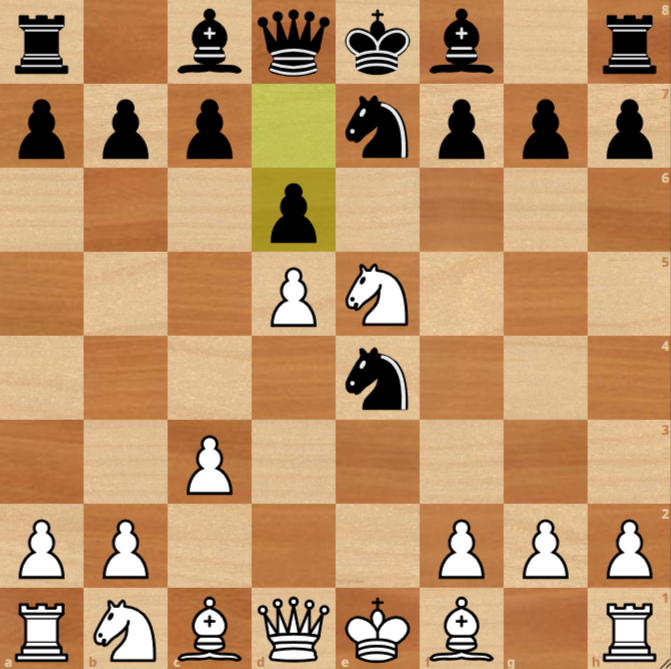
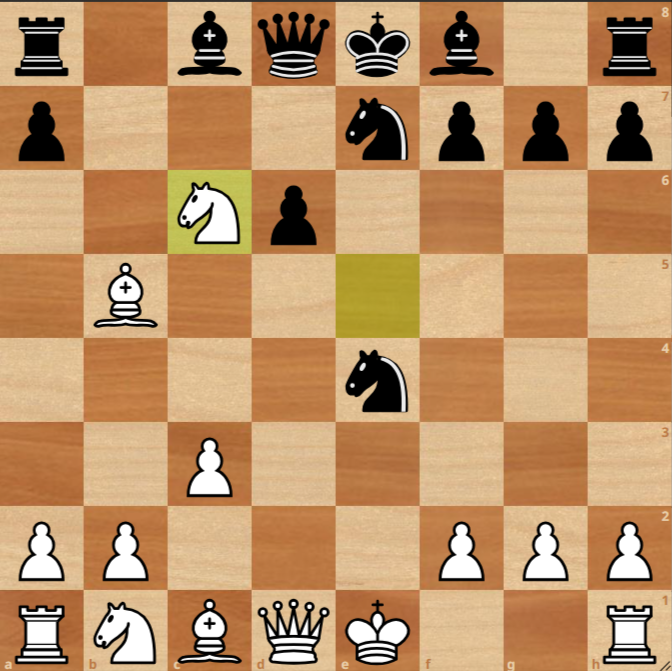
White refutes this natural-looking attacking move on the e5 knight by playing the lethal 7.Bb5+ c6 8.dxc6 bxc6 9.Nxc6, which wins huge material, and the Black king is in enormous danger.
What Makes These Traps Effective
What these traps share is a critical lesson: the most effective traps are built on moves your opponent actually wants to play.
They are not based on blunders or unrealistic mistakes. Your opponent develops pieces, checks your king, captures material, or pushes pawns aggressively-all standard moves.
The trap works because the resulting position punishes these natural moves with tactics your opponent did not calculate.
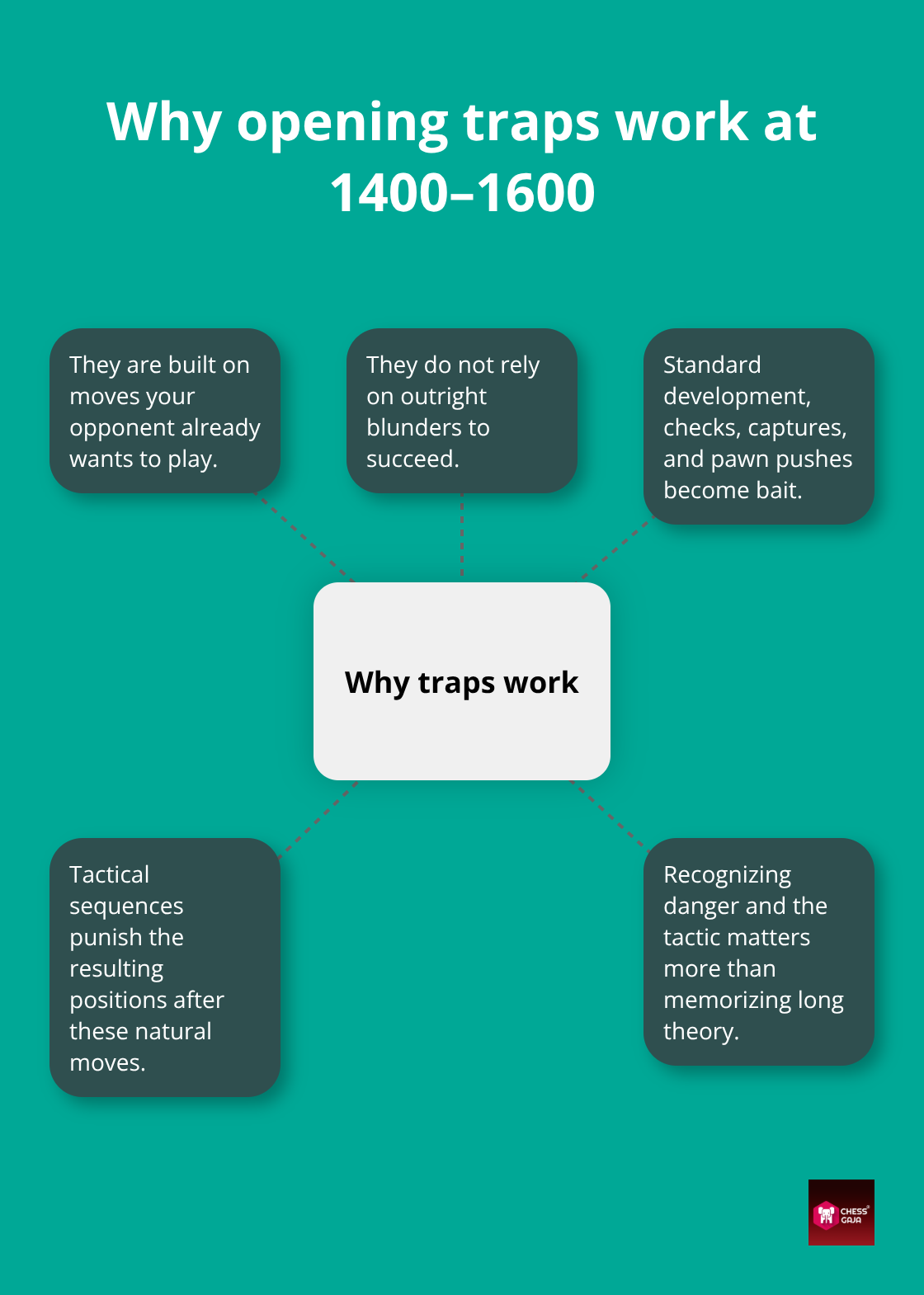
This is why studying traps at your level (Level under 1500 FIDE rating) matters more than memorizing deep theoretical lines.
You do not need to know 20 moves of theory; you need to recognize when your opponent’s natural moves lead them into danger, and you need to spot the tactical sequence that punishes them.
Now that you understand how these traps operate in specific openings, the next step is learning how to set your own traps and execute them with precision.
How to Set Chess Opening Traps Safely
Calculate Before You Commit
Calculation separates trap-setters from trap-victims. When you spot a natural move your opponent wants to play, you must verify that your tactical response wins material or delivers checkmate before you allow them to make it.
Most 1500-rated players spot a tactical trap immediately. However, they frequently fail to check for hidden defensive resources that can quickly turn the tables.
At the Italian Game level, after you push d4 and your opponent’s bishop lands on b6, you need to count exactly what happens after their most natural responses.
If Black plays Nxe4, does your follow-up actually win the knight, or does Black have a counter-check that saves the piece? Write down the variations on paper before the game-this takes two minutes and prevents you from playing a trap that only works if your opponent makes a second mistake.
Recognize Predictable Vulnerability Patterns
Vulnerability in your opponent appears in predictable moments.In the first 15 moves, intermediate players follow predictable habits. They either develop on standard squares, push for premature tactics, or completely ignore king safety to grab loose material. The Italian Game trap succeeds perfectly. After 1.e4 e5 2.Nf3 Nc6 3.Bc4, Black’s most common response is 4…Nf6, which looks like standard development. Your job is to know that 5.d4 creates a concrete problem Black cannot solve unless they know the right opening theory.
The Ponziani opening brings a natural surprise element to the board. On top of that, 6…d6? is a highly intuitive response that seems to attack White’s active knight. This exact psychological tension makes it an incredibly successful trap for White.
Test Traps in Training First
Test traps in training first. You do not need your opponent to blunder. You need them to play what they think is a good move, and then you punish it with a forced sequence. Before you play any trap in a real game, test it in three or four training games where you specifically play that opening line.
If you win the resulting position in all three games, the trap is reliable enough to use. If you lose once, study that loss carefully and understand why the trap failed. This is how you separate traps that work at 1500 rating from traps that only work in viral videos against 600-rated opponents.
The next chapter shows you how to flip your perspective: instead of setting traps, you’ll learn to spot them coming and defend against them with precision.
How to Spot and Stop Opening Traps Before They Hurt You
The difference between a player who falls for opening traps and one who avoids them is not superior calculation skill or memorized theory.
It is recognition of the moment when your opponent’s natural moves lead them into danger, and more importantly, the discipline to slow down and verify what they actually threaten before you respond.
At your rating, most opponents signal their trap intentions three to five moves before the trap closes.
A player setting the Dangerous Fork Trap in Italian plays 8.Nd5 attacking the Queen on f6 with clear, aggressive intent.
A player setting an Italian Game trap advances d4 and watches your bishop on c5 carefully, waiting for you to play the natural Bb6 defensive move that loses material. The trap sits on the board in plain sight.
What separates 1500-rated players who get caught from those who escape is whether they ask the right question at the critical moment: What does my opponent threaten and does my natural response actually work?
Stop and Verify Before You Capture
When your opponent plays 5.d5 Ne7 6.Nxe5, do not blindly respond with 6…d6? just because the knight looks loose. Stop and calculate. White’s lethal refutation 7.Bb5+! exploits the open a4-e8 diagonal while the Black king is stranded in the center.
Once you recognize that structural weakness, 6…d6 ceases to look like a natural attacking move—it’s revealed as a decisive blunder.
The critical moves in the first 15 moves of the game are where your opponent sets the bait. You must verify each capture, each check, and each aggressive push before you commit to it.
Analyze Real Games at Your Level, Not Viral Videos
The worst source of trap knowledge is viral Youtube videos showing Scholar’s Mate or other traps that work only against much weaker opponents.
These videos create a false sense of security because they show traps that never work at your level.
Instead, analyze the games of players rated 1400 to 1700 on Chess.com or Lichess and look for the traps that actually catch players at your strength.
When you lose a game to clever chess opening traps, do not move on to the next game immediately. Spend 15 minutes reviewing the critical turning point. Write down the variation.
Then play that same opening line three more times in training games and force yourself to play the defensive move you identified, even if it feels passive or wrong. This builds pattern recognition far faster than watching videos.
Recognize Trap Patterns Across Multiple Openings
You will start to see the warning signs: the opponent’s piece placement, the weak squares they create, the forcing sequence they set up. After you work through five or six opening traps relevant to your openings, you will notice that traps follow the same structural patterns.
A trap that works in the Italian Game uses similar tactical motifs to a trap in the Ruy Lopez. Once you understand the pattern, spotting new traps becomes automatic, and falling for them becomes rare.
Final Thoughts
Opening traps work because they exploit the gap between what looks natural and what actually works. The Italian Game trap, the Dangerous Fork variation, and the Ponziani Trap all succeed when your opponent plays moves that feel right but lead to tactical disaster.
Studying these specific chess openings traps teaches you something more valuable than memorized lines: it trains your brain to spot the moment when a position shifts from safe to dangerous.
The traps worth studying at your level are the ones that catch players rated below 1500, not the viral videos that only work against much weaker opponents.
Focus on the Italian Game, the Ponziani, and other popular lines and variations where your opponents naturally want to play. Learn three or four critical moves in each opening where traps hide, then prepare one solid defensive response for each moment (this targeted approach beats memorizing 20 moves of theory).
Your next step is to pick one opening you play regularly and study the two or three traps that appear in that line. Play three training games with that opening, forcing yourself to play the defensive move you identified. If you want structured guidance on opening strategy and trap avoidance, explore Chess Gaja to discover group classes and private sessions tailored to your rating.