


Master the most aggressive chess openings to completely transform your competitive game. Whether you want to dominate from move one or break out of passive play, understanding these three powerful attacking systems is essential.
At Chess Gaja, we have seen countless players unlock devastating attacks by mastering just three proven weapons. Specifically, we recommend the Italian Game Two Knights Defense, the Sicilian Najdorf, and the King’s Gambit. These openings work brilliantly because they seize the initiative immediately. Consequently, they force your opponents into making uncomfortable decisions.
As a Chess Grandmaster, FIDE Trainer and the founder of Chess Gaja Academy, I have personally taught thousands of students how to weaponize these lines. By learning these structures, you will easily create dominant, attacking positions in your own games.
1. The Italian Game: Two Knights Defense, Knight Attack
The Italian Game Two Knights Defense starts with 1.e4 e5 2.Nf3 Nc6 3.Bc4 Nf6 4.Ng5. This is one of the most practical aggressive chess openings because it delivers concrete attacking chances without requiring extensive theoretical memorization.
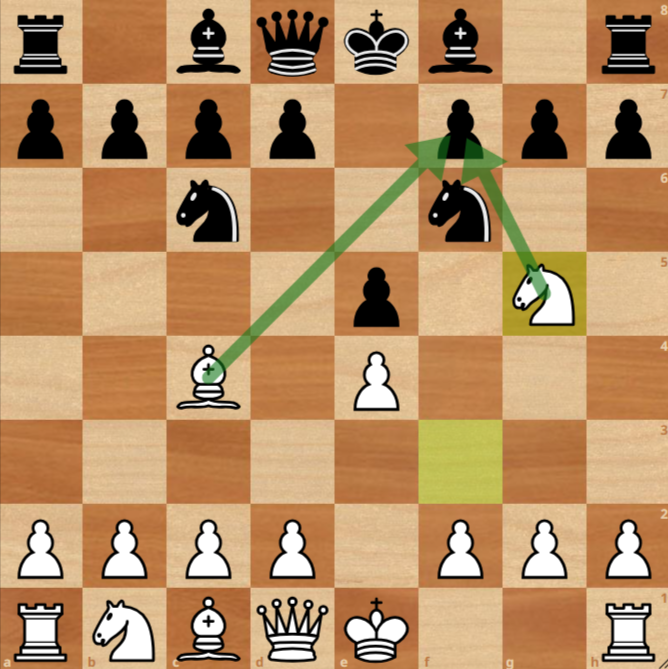
After 4.Ng5, White immediately pressures Black’s f7 pawn—the most vulnerable square in Black’s position. Black must defend immediately, forcing uncomfortable defensive decisions from move four onwards. This direct pressure separates players who understand attacking principles from those playing reactively.
The Fried Liver Attack: Direct Tactical Pressure
If Black plays 4…d5 5.exd5 Nxd5, White launches the famous Fried Liver Attack with 6.Nxf7. This tactical blow works perfectly for a few key reasons:
King Exposure: The knight sacrifice on f7 forces Black’s king directly into the center of the board.
Unstoppable Threats: After 6…Kxf7 7.Qf3+, Black’s king must step up to e6, leaving it completely unsafe.
Perfect Coordination: Meanwhile, White’s queen and bishop coordinate seamlessly to create immediate mating threats.s
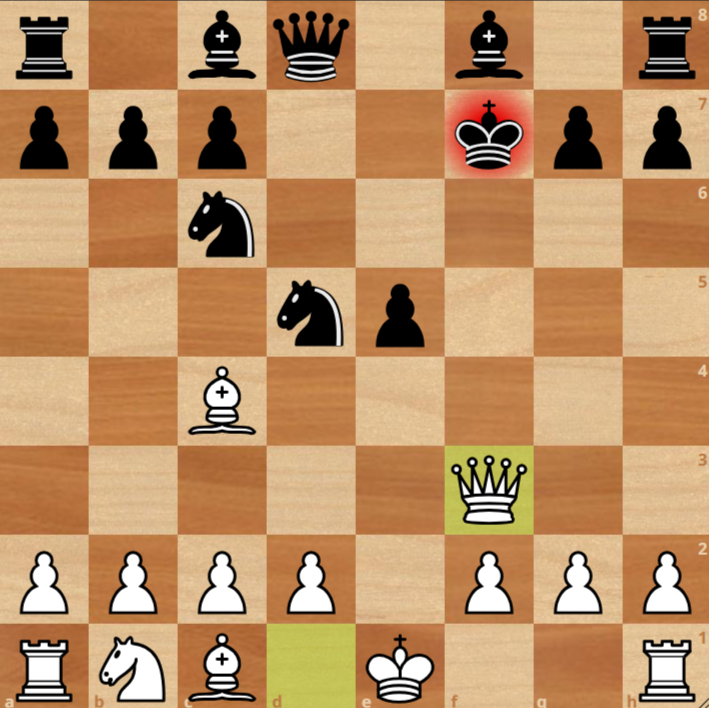
Ultimately, this opening rewards concrete calculation over pure memorization. This distinction is exactly what separates strong players from tournament beginners. Intermediate players (1500-2000 rating) gain an immediate edge here because they recognize these tactical patterns before their opponents can even react.
2. The Sicilian Najdorf: Dynamic Black’s Counter-Weapon
The Sicilian Najdorf (1.e4 c5 2.Nf3 d6 3.d4 cxd4 4.Nxd4 Nf6 5.Nc3 a6) isn’t a defensive opening. Instead, it is a highly dynamic weapon that Black uses to dictate the middlegame.
Specifically, the prophylactic move 5…a6 serves three critical strategic purposes. First, it prevents White’s pieces from jumping to the b5 square. Second, it prepares rapid queenside expansion with b5. Finally, it creates tactical resources that give Black genuine counter-attacking chances.
White can choose a quieter, positional approach with 6.Be2. Alternatively, they can opt for razor-sharp lines like the 6.Be3 or 6.Bg5 variations.
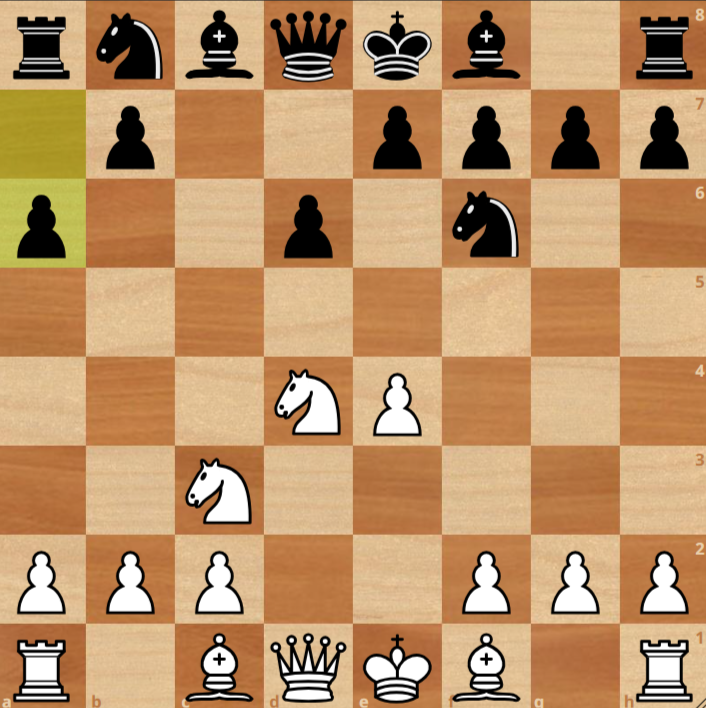
The English Attack Pawn Storm: g4-g5
After 6.Be3 e6 7.f3, followed by Qd2 and 8.g4, White launches the English Attack. This aggressive g5 advance forces Black’s f6-knight into an immediate crisis. Because it is under direct assault, the knight must retreat and abandon its central influence.
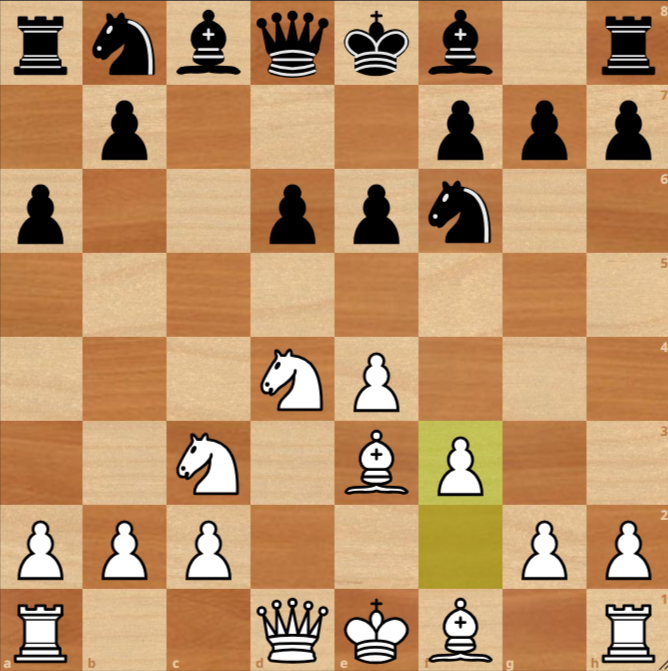
White’s strategy remains deeply methodical despite its sharp appearance. For instance, the f3-g4-g5 pawn chain systematically controls space while kicking Black’s active pieces backward. Meanwhile, White’s queen, bishop, and knights coordinate perfectly to prepare a queenside castle and a devastating kingside mating attack.
Consequently, intermediate players win games here with high frequency. They understand White’s attacking blueprint clearly, whereas unprepared opponents quickly crumble under the mounting tactical pressure.
3. The King’s Gambit: The Romantic Attacking Opening
The King’s Gambit (1.e4 e5 2.f4) is chess’s most romantic attacking system. By sacrificing a pawn on move two, White opens vital lines and seizes the initiative. This opening represents a direct declaration of aggressive intent.
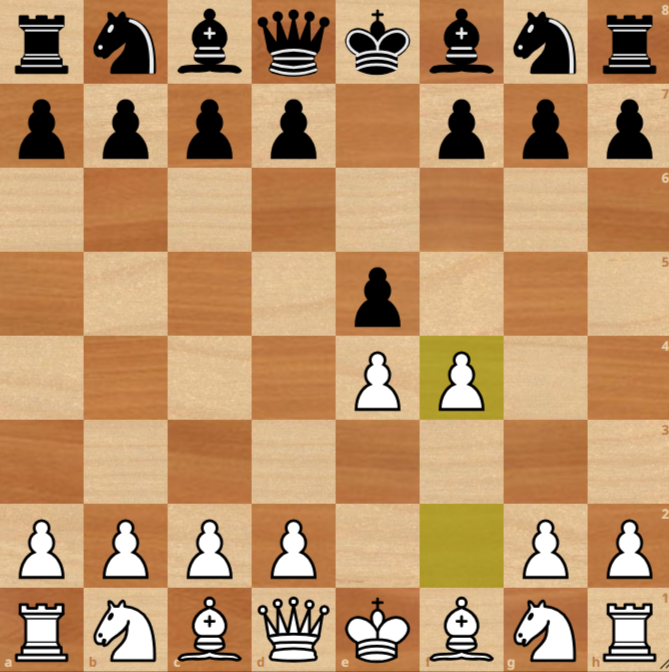
Legendary figures like Bobby Fischer used the King’s Gambit to dominate their rivals. Today, modern computer engines have found precise ways to neutralize these threats at the absolute highest levels of play. Therefore, it is less popular in elite grandmaster tournaments.
However, at the beginner and intermediate levels, this opening remains an incredibly lethal weapon. Black players rarely know how to handle the sudden tactical storm. As a result, White gains a massive practical advantage right from the start.
After 2…exf4: White’s Attacking Arsenal
When Black accepts with 2…exf4, White plays 3.Nf3 and instantly unleashes a fierce kingside assault. First, you should prioritize rapid piece development using standard setups like Bc4 or d4. Soon after, kingside pawn advances with h4-h5 will systematically expose Black’s king.
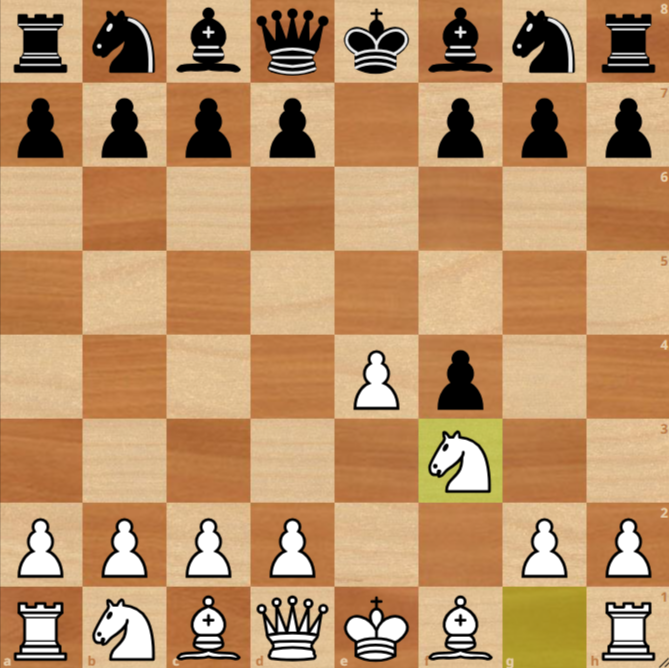
Meanwhile, White’s queen and rooks penetrate deeply along the newly opened files. Because of this relentless activity, Black cannot consolidate positions since White maintains constant tactical pressure.
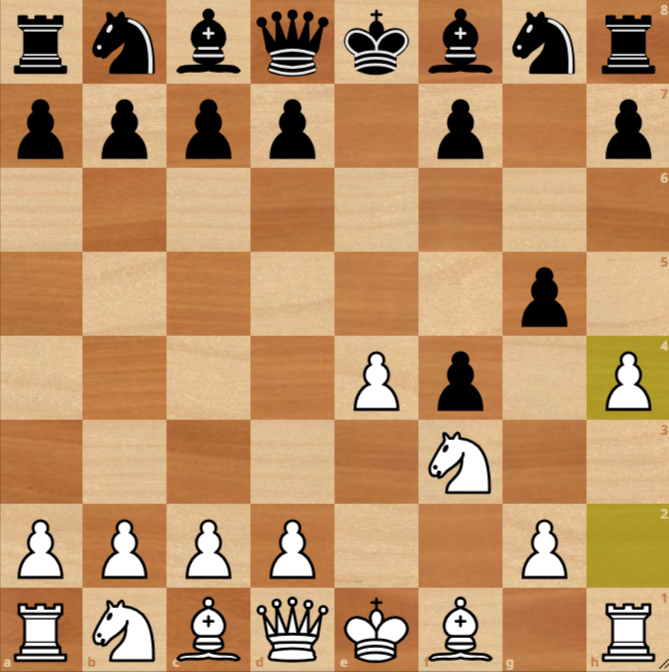
The game quickly becomes highly tactical. White willingly sacrifices material to keep the initiative. On the other hand, Black must defend perfectly just to survive. Intermediate players gain a massive edge here. This is because the King’s Gambit rewards concrete calculation over memorizing endless opening lines.
Why These Three Openings Win Games
These aggressive chess openings share three critical characteristics:
1. Concrete Calculation Over Theory: All three systems reward tactical accuracy and pattern recognition rather than memorizing long lines of theory. Consequently, you build advantages through concrete tactical calculation and deep positional understanding.
2. Force Opponent Mistakes: By seizing the initiative early, you successfully dictate the game’s character. Unprepared opponents face uncomfortable decisions where a single inaccuracy loses immediately.
3. Work at Every Level: Whether you are a beginner discovering attacking chess or an advanced tournament player, these choices deliver devastating results. This happens because their core strategic ideas remain completely constant.
How to Master These Aggressive Openings
Mastering aggressive chess openings requires focused strategic preparation:
Study Key Positions: Focus on positions around moves 10 to 20. This is where attacks reach peak intensity. Learn why White holds a deep advantage despite sacrificing pieces.
Practice Against Resistance: Play training games where your opponent actively defends. Do not just practice against passive play. This builds the exact tactical calculation skills you need.
Recognize Attack Patterns: Learn the critical structural breakthroughs for each opening. Focus on the f7 weakness in the Italian Game, the d5 outpost in the Najdorf, and cracking open the f-file in the King’s Gambit.
Balance Patience and Sharpness: Patience means waiting for the right moment to strike. Sharpness means calculating lines flawlessly when that moment arrives. Balancing both is what helps you win tournaments.
Transform Your Chess Starting Today
You do not need to memorize hundreds of variations to attack successfully. These three aggressive openings teach you core attacking principles. Best of all, these ideas transfer directly across different positions and time controls. Once you master these tactical patterns, you will execute devastating attacks against unprepared opponents.
At Chess Gaja, our elite coaches help players master these sharp systems through personal game analysis and structured training. We help you prepare these lines for tournaments and strengthen your tactical skills. Our personalized coaching gives you the exact feedback needed to convert your attacking ideas into real wins.
Ready to dominate your next game? Choose one opening that matches your style, master its main ideas, and watch your tournament results improve immediately.