


Tournament chess data shows clear patterns about opening choices at every level. The most played chess openings appear across millions of competitive games worldwide.
We at Chess Gaja analyzed extensive tournament databases to see which openings deliver the best results. Understanding these statistics helps players make smarter opening choices for their games.
As a Grandmaster, FIDE Trainer and founder of Chess Gaja Academy, I help players build strong opening repertoires. In this guide, I will show you the most played chess openings in tournament games. You will learn how to choose lines that naturally improve your results.
Which Are the Most Played Chess Openings that Win Games?
The Italian Game: A Top Most Played Chess Opening
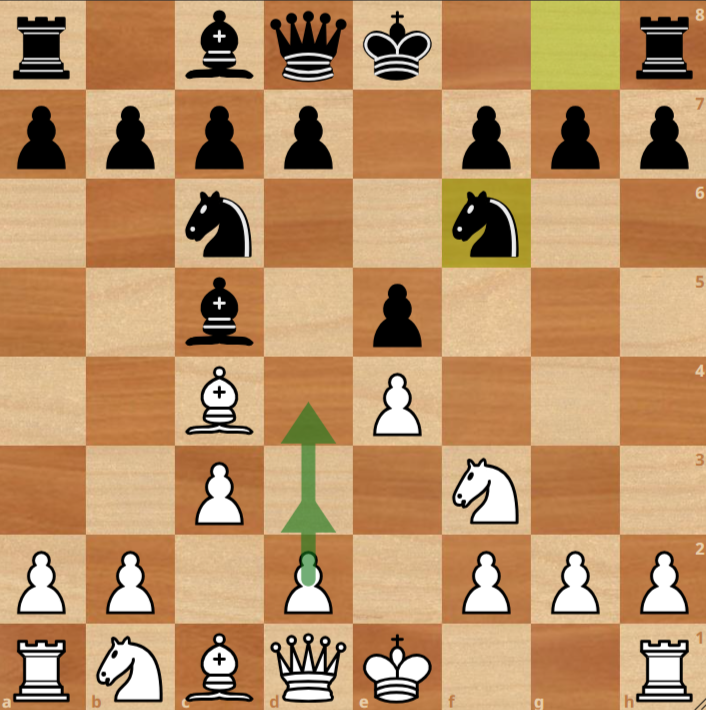
The Italian Game is the most popular opening choice on Lichess after the moves 1.e4 e5 2.Nf3 Nc6 3.Bc4.
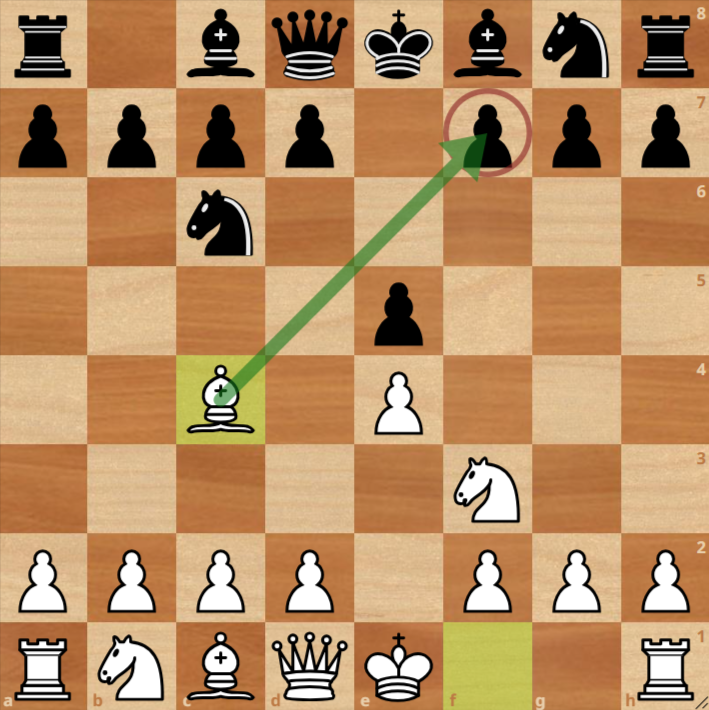
White scores an impressive 55% win rate with this opening across all rating levels. This performance is much higher than many other opening choices. The tactical options in these positions create immediate attacking chances. This is why aggressive players love this setup.
Why the Sicilian Defense is Among the Most Played Chess Openings
The Sicilian Defense dominates competitive chess. It is the second most played move on Lichess. Players choose it 18% of the time against 1.e4. The Dragon variation gives Black a a strong 54% win rate online. Meanwhile, the famous Najdorf variation gives Black a solid 53% success rate.
While online databases reflect these openings’ high practical success rates at amateur levels, the underlying structural integrity is why leading chess players mastered them at classical chess.
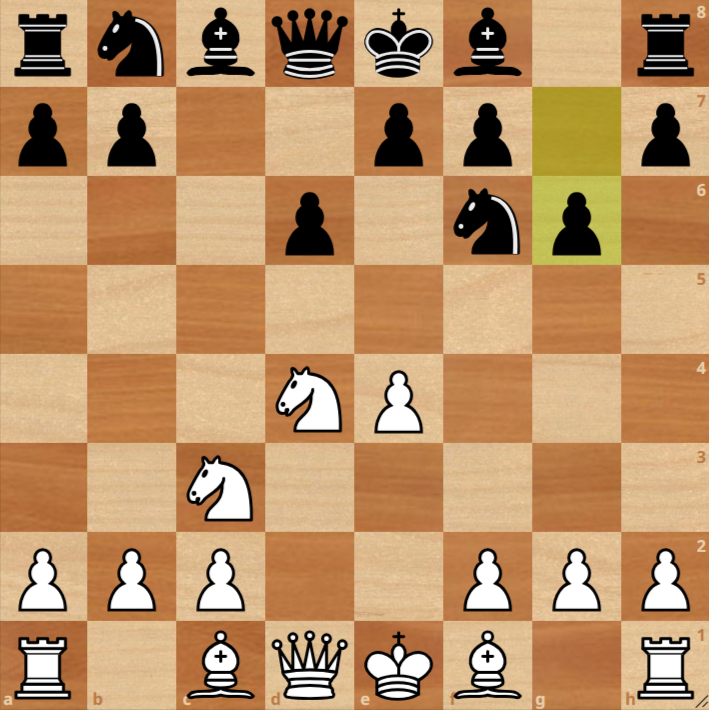
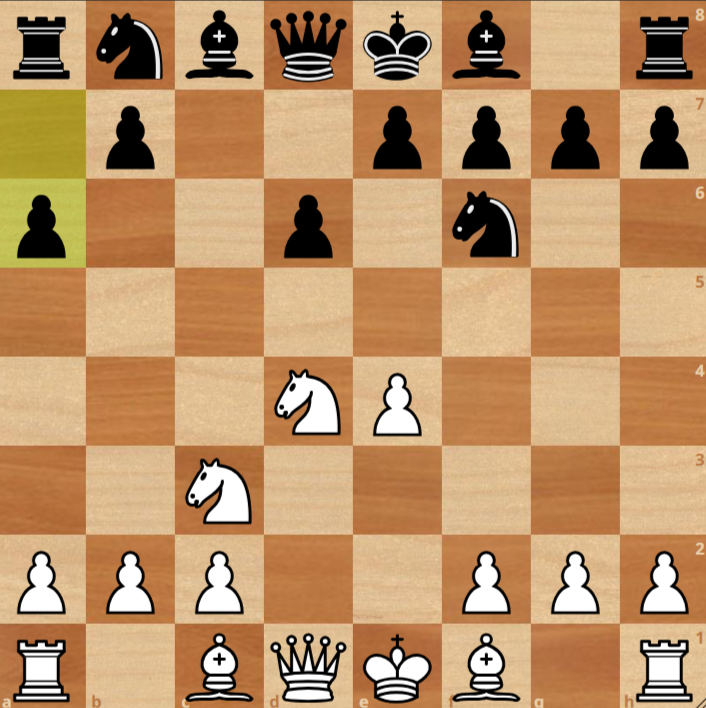
Top players like Magnus Carlsen, Fabiano Caruana, and Maxime Vachier-Lagrave use the Sicilian often. The opening is complex. This complexity allows underdog players to outplay stronger opponents through sharp tactics.
Queen’s Gambit Rules Grandmaster Games
Grandmasters choose the Queen’s Gambit as a top way to open games that start with 1.d4. The Queen’s Gambit arises after 1.d4 d5 2.c4, White attacks the Black d5 pawn. This can lead to the Queen’s Gambit Declined, Slav Defense, or Accepted.
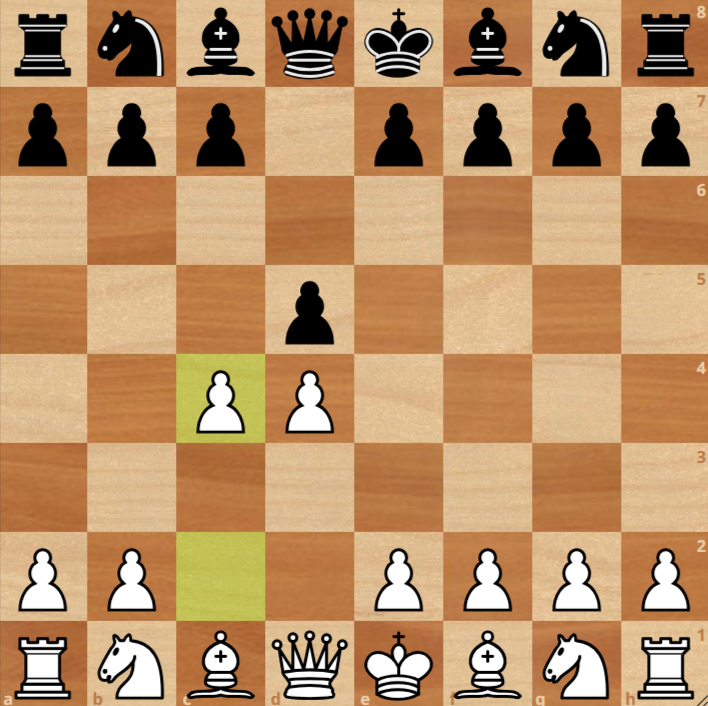
This strategic depth allows superior players to turn minor advantages into wins. It is often much more effective than relying on purely tactical openings.
These statistics reveal clear tournament patterns, but real success depends on more than just popularity numbers. The strategic principles behind these openings matter just as much as their win rates.
Why Masters Rely on the Most Played Chess Openings
Center Control Creates Winning Chances
The Italian Game puts immediate pressure on the f7 square. The Queen’s Gambit attacks the center directly with c4. Players who control the center within the first four moves create big advantages in tournament play.
The Sicilian Defense exchanges a side pawn for central influence. This gives Black active piece play and great practical chances.
Multiple Plans Keep Opponents Guessing
These openings offer many different paths. This flexibility easily confuses your opponents during their preparation. For example, the Queen’s Gambit branches into 12 major systems. This makes it impossible for your opponent to prepare for everything.
When players face an unexpected variation, they waste valuable clock time just trying to survive the opening.
The Sicilian Defense contains over 20 named variations, with systems like the Accelerated Dragon, Paulsen, and Scheveningen creating entirely different pawn structures. Tournament players who use flexible opening systems win more games against higher-rated opponents because unprepared adversaries make inferior moves early.
Proven Track Record Builds Confidence
The Italian Game allows White to choose between immediate tactics with d4 or positional play with d3, which adapts to the specific game situation.
These openings have withstood decades of analysis and remain viable at the highest level. World champions have relied on these systems throughout chess history, with Garry Kasparov favoring the Sicilian Defense and Anatoly Karpov mastering Queen’s Gambit structures.
Players gain psychological advantages when they employ openings with established success records (particularly in high-pressure tournament situations). The statistical evidence supports what grandmasters have known for generations about these time-tested systems.
Understanding why these openings dominate tournament play helps players make informed choices, but selecting the right opening depends heavily on individual style and preferences.
Choosing the Best Most Played Chess Openings for Your Style
Tactical Players Need Sharp Complications
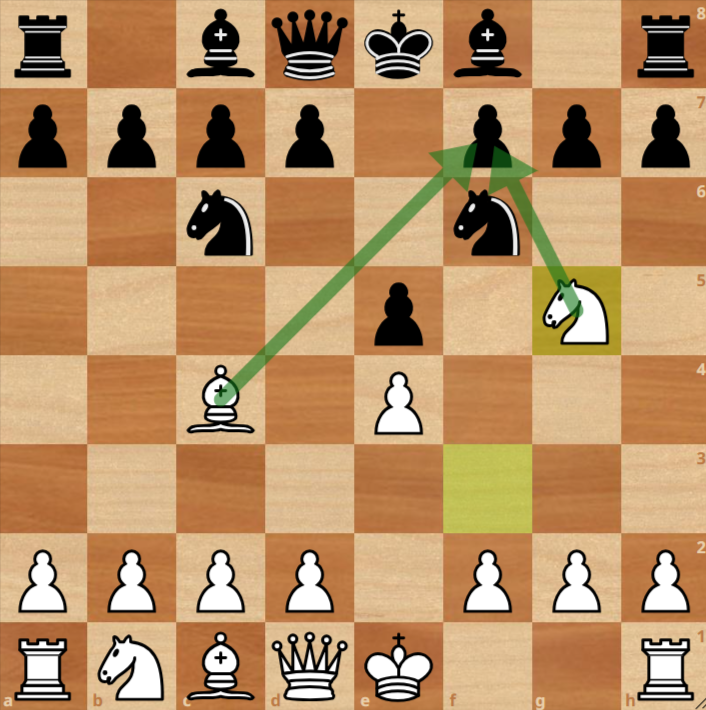
To begin with, aggressive players should prioritize openings that create immediate tactical opportunities. Avoid slow positional maneuvering. For instance, against the Two Knights Defense, White can choose the aggressive 4.Ng5, launching forcing sequences that reward deep concrete calculation over general principles.
Ultimately, this creates complex tactical positions that heavily reward sharp calculation skills.
The Italian Game produces forcing sequences after 4.Ng5, creating complex tactical positions that reward sharp calculation.
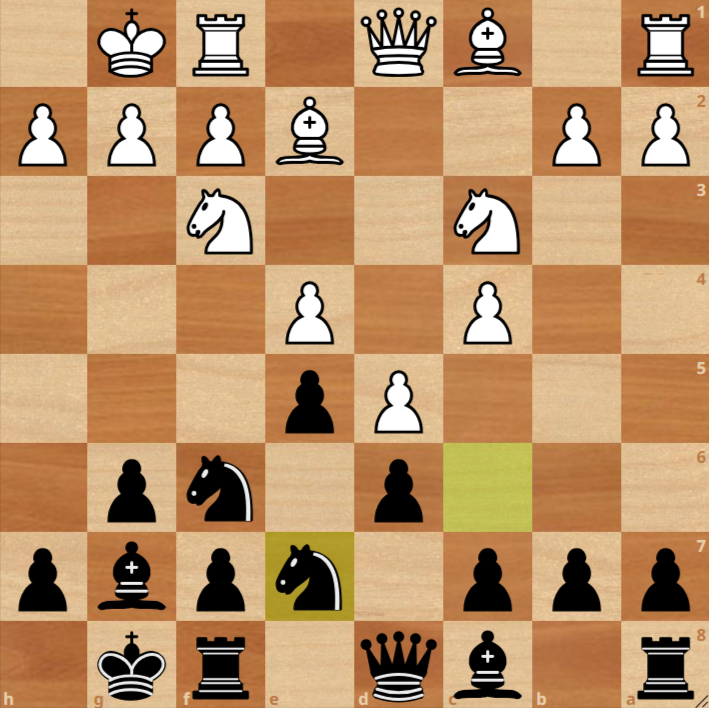
The King’s Indian Defence allows Black to launch kingside attacks against closed openings like 1.d4, which explains why attacking specialists like Hikaru Nakamura employed this system regularly.
Players who prefer tactical complications often find success with openings that generate immediate threats and forcing variations.
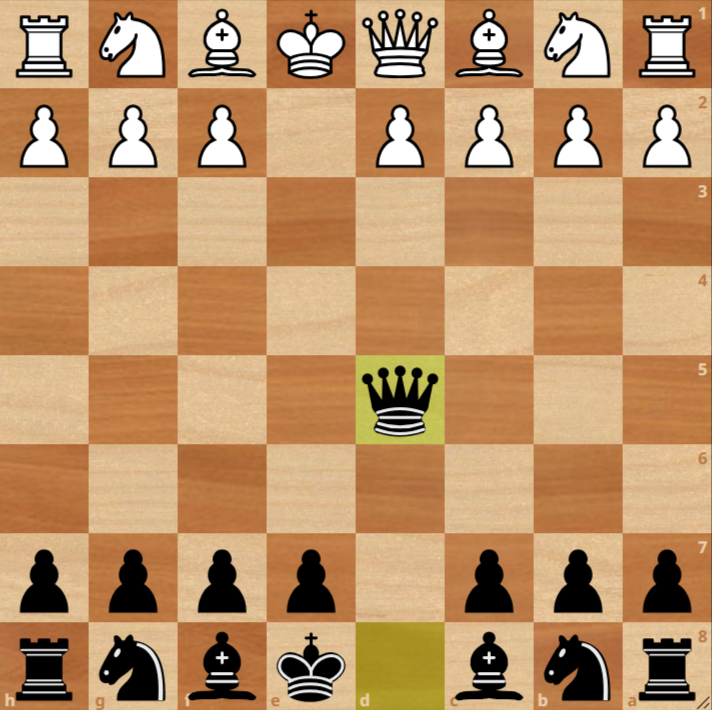
The Scandinavian Defense gives Black immediate piece activity after 1.e4 d5 2.exd5 Qxd5, though this comes with the risk of early queen exposure and typically yields practical results only at the amateur level for Black.
Strategic Players Benefit From Structural Foundations
Positional players achieve superior results with openings that emphasize long-term plans over immediate tactics. The French Defense creates pawn chains that guide piece placement for the next 20 moves, which suits players who prefer methodical improvement over sharp calculations.
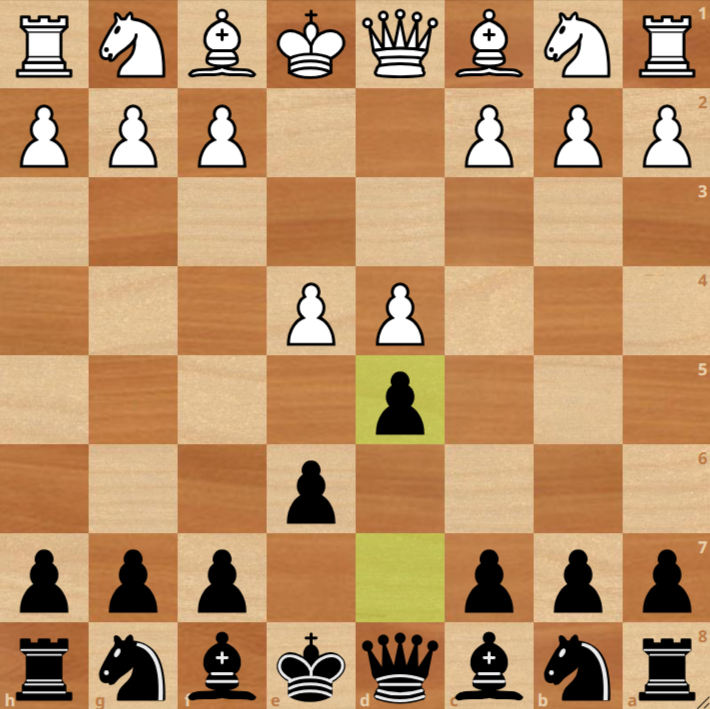
The Caro-Kann Defense produces relatively quiet positions that favor players who excel at strategic maneuvering rather than tactical complications.
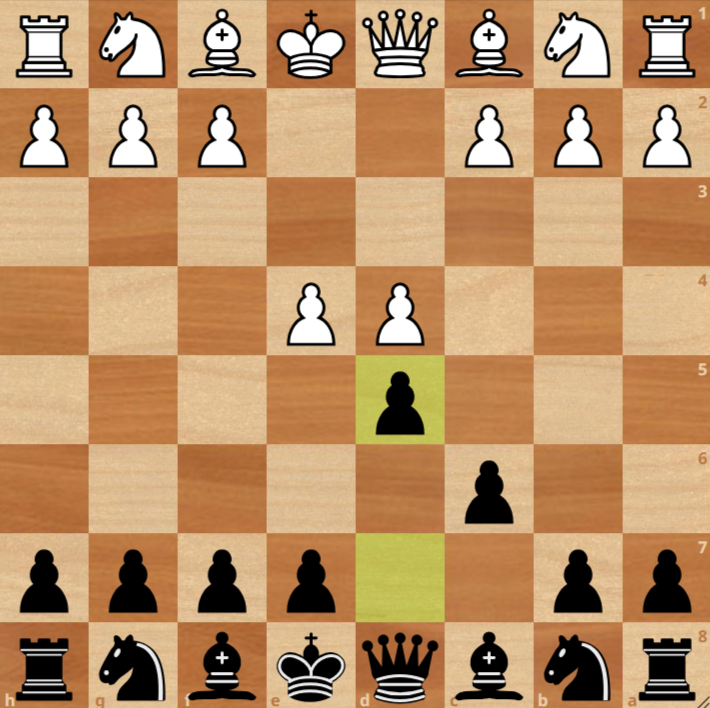
Players rated above 2000 often prefer structural openings because they excel at converting small advantages through technique and endgame knowledge.

The English Opening allows White to transpose into favorable Queen’s Gambit structures while avoiding Black’s sharpest defenses, which makes it perfect for players who seek positional control without memorizing extensive theory.
Rating Determines Opening Complexity
Players rated below 1800 should focus on simple development rules. Do not worry about deep theory. For example, the London System requires very little memorization.
Instead, it teaches core concepts like piece safety and good pawn structures. You will gain much more rating chess success by mastering one solid setup rather than skimming ten complex ones.
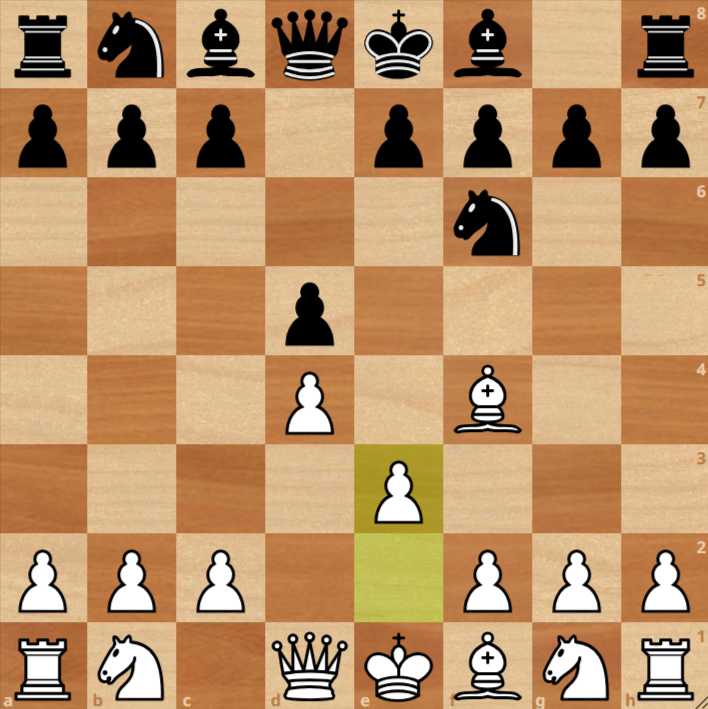
Players gain significant rating improvements when they master one solid opening system completely rather than study multiple complex variations superficially.
Advanced players above 2200 benefit from sharp openings like the Sicilian Najdorf because their calculation skills can handle the resulting complications.
As you evaluate your own repertoire, remember that the most played chess openings earn their reputation because they offer concrete strategic paths at the highest levels of competitive play.
Final Thoughts
The popular chess openings in tournament games share common characteristics that explain their enduring popularity. The Italian Game, Sicilian Defense, and Queen’s Gambit dominate competitive play because they combine sound strategic principles with practical chances to win.
These openings control the center, offer multiple plans, and prove effective across all levels.
Success with any opening depends more on understanding fundamental principles than memorization of complex variations.
Players who master center control, piece development, and king safety achieve better results regardless of their specific opening choice. The statistics prove that solid preparation beats theoretical knowledge when you face real opponents over the board.
We at Chess Gaja help players develop personalized opening repertoires through detailed analysis and expert coaching. Our instructors provide the guidance needed to transform opening knowledge into tournament success (with measurable rating improvements). Start improving your chess skills with professional instruction that delivers real results.