


At Chess Gaja Academy, I’ve noticed the biggest difference between a club player and a professional is not how many lines they know, but how deeply they understand the ideas behind them. I’m Grandmaster Priyadharshan Kannappan, and mastering chess openings means moving beyond memorization to gain full control over the resulting middlegame.
In this article, I’ll share key pro-level habits. From analyzing pawn structures to preparing for opponents, these habits make mastering chess openings a natural transition rather than a memory test.
Mastering Chess Openings: The Three Essential Rules
Your first 10 moves shape everything that comes after. Students waste months on 20-move opening lines, only to fall apart when opponents play something unexpected on move 7. The real power lies in three concrete principles that work in almost every opening:
1)Controlling the center squares (d4, d5, e4, e5)
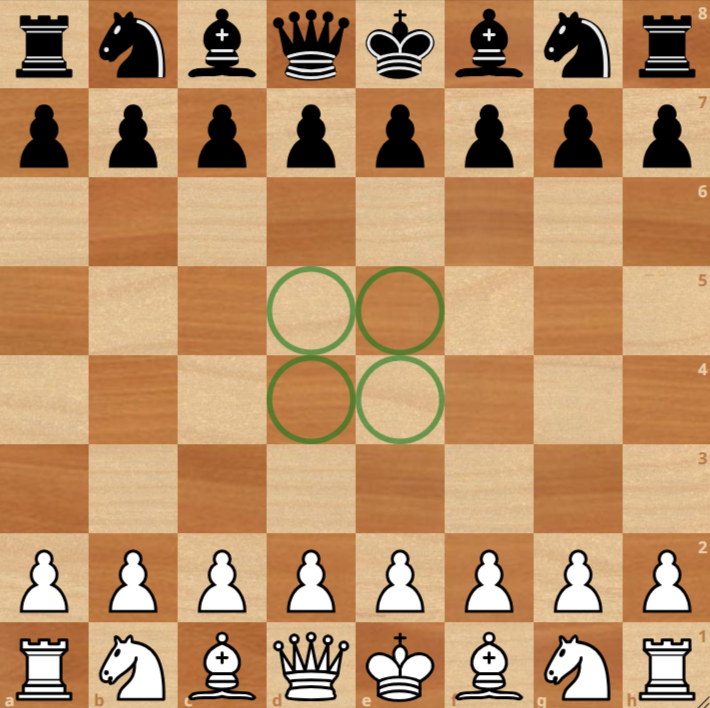
2)Developing your pieces to active squares before moving the same piece twice
3)Keeping your king tucked away safely before the real battle begins. These aren’t suggestions-they’re the foundation that separates players who win from players who hope.
Why Center Control Wins Games at Your Level
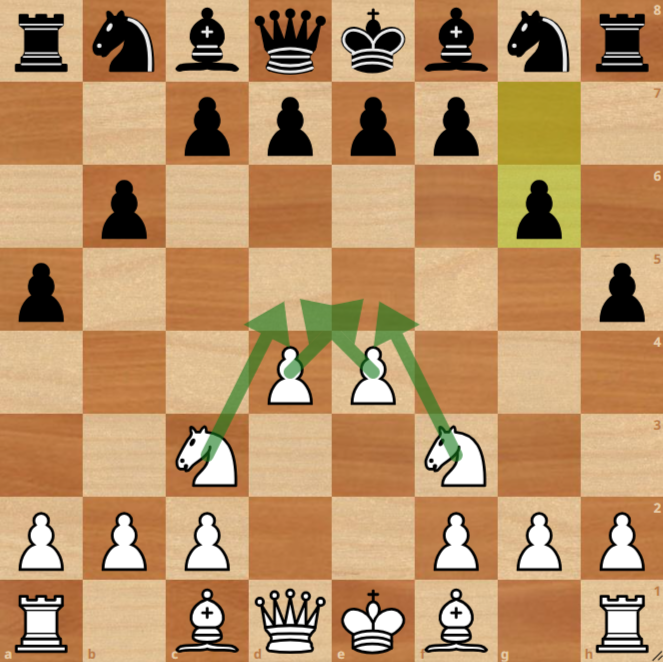
When you play 1.e4 or 1.d4 as White, you fight for the four central squares. Controlling them gives your pieces more mobility and restricts your opponent.
A player at 1500 rating develops cleanly with e4, Nf3, and Bc4. This controls far more of the board than an opponent who moves edge pawns aimlessly.
Case Study: The Italian Game
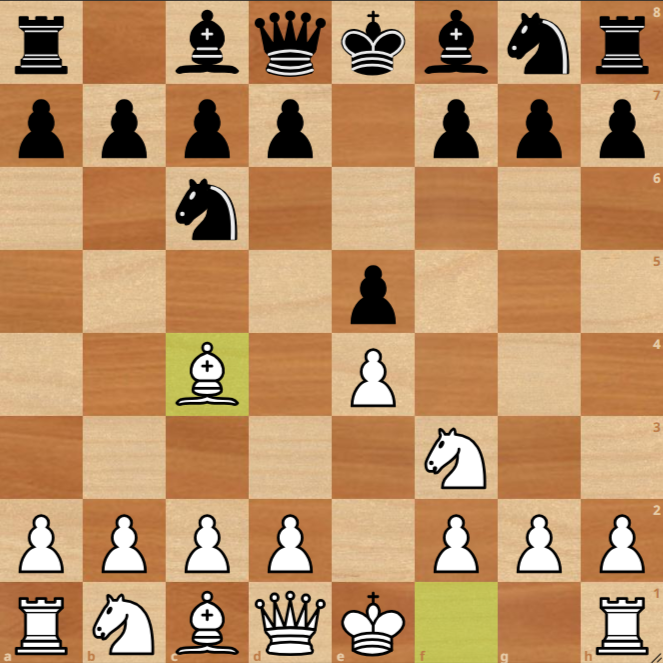
The Italian Game demonstrates this perfectly: after 1.e4 e5 2.Nf3 Nc6 3.Bc4, White has already claimed central influence with purpose. Black’s e5-pawn and White’s e4-pawn occupy the same critical space, and whoever develops pieces faster to support their center will dominate the position.
This isn’t theory-it’s a practical advantage you can measure in your own games.
Develop Each Piece Once, Not Multiple Times
Most intermediate students move their queen or knight three or four times early on. Meanwhile, their other pieces remain on their starting squares. This costs you time and tempo.
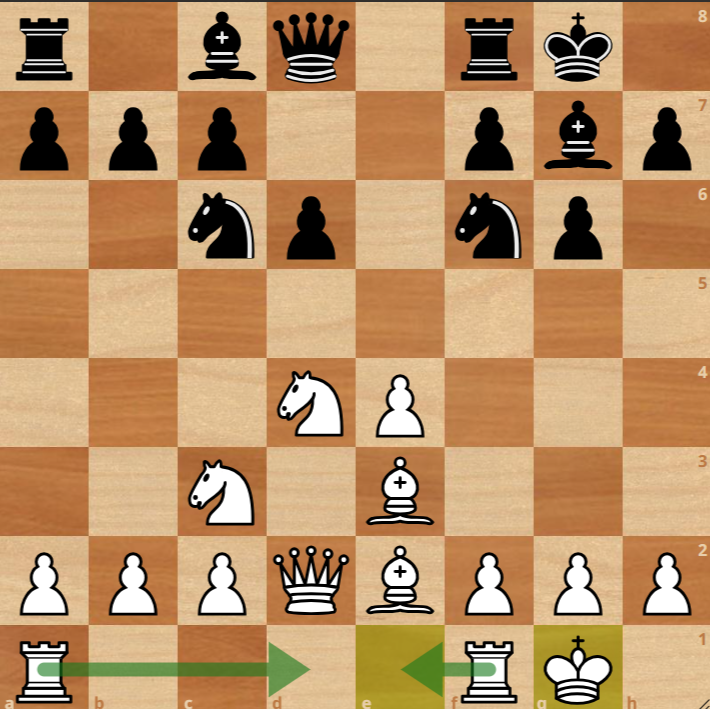
Your rook stays on a1 while your queen moves to b3, back to d1, and then to c2. Meanwhile, your opponent has developed four pieces and is already attacking.
When it comes to mastering chess openings, the rule is simple: develop each piece one time to a square where it does something useful.
A knight belongs on f3 or c3 for White because these squares control the center and support your pawn structure.
A bishop on c4 or e2 controls key squares and prepares your king to castle. First, develop your queen, both rooks, both bishops, and both knights. Make sure your king is safe. After that, you can move pieces multiple times as part of your strategy. Count your piece moves in your next five games. Most players at 1500 rating move individual pieces 6–8 times before their opponent has moved pieces 4–5 times. That’s a losing habit.
Castle Your King to Safety Before You Attack
Castling exists for one reason: to move your king away from the center where it’s exposed. Beginners sometimes skip castling or delay it because they want to attack. This is wrong. If your king is still in the center on move 8 or 9, your opponent can sacrifice material just to keep it there, and you’ll struggle to defend.
Castling kingside (provided your king and kingside rook haven’t moved yet and the path is clear) typically happens around moves 7-9 in the game for both colors. The Open Sicilian or the Italian Gambits show this clearly: if one player delays castling to hunt for pawns, the opponent can blow open the center with a timely pawn break or sacrifice, leaving the uncastled king utterly defenseless.
Mastering Chess Openings: What Happens Next
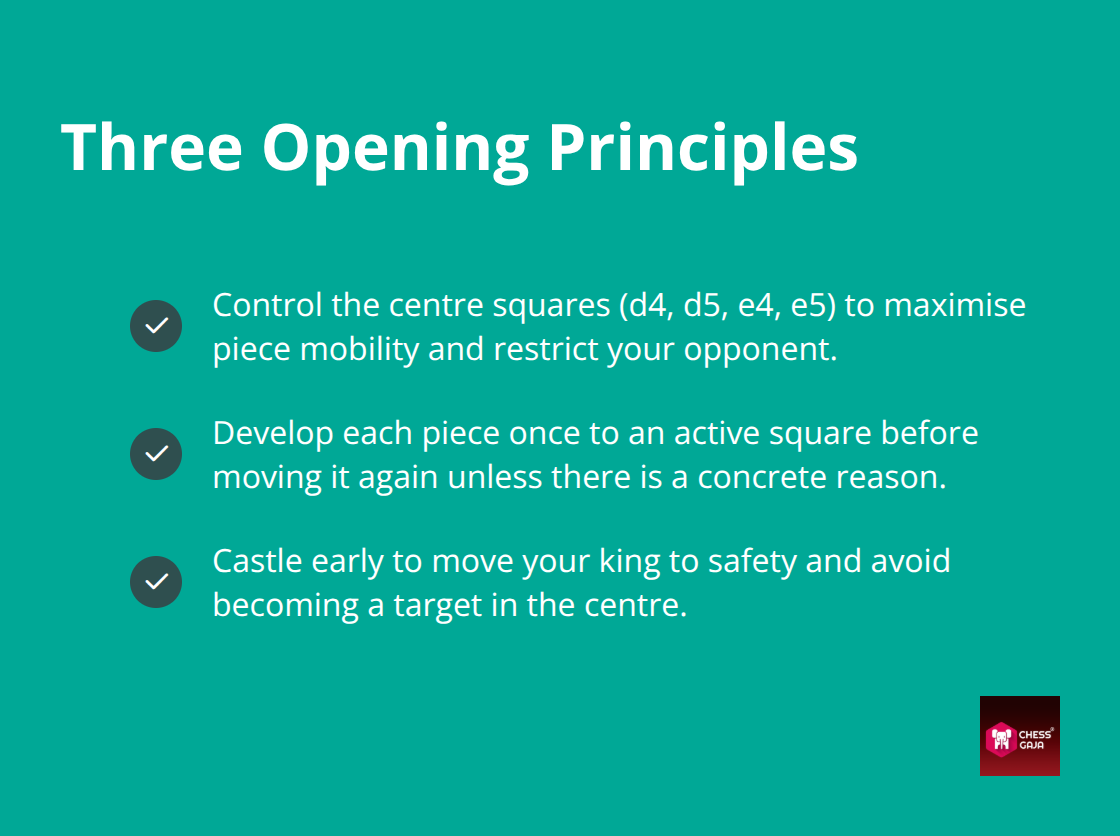
These three principles-center control, efficient piece development, and king safety-form the backbone of every strong opening. Once you apply them consistently, you’ll notice your positions feel more comfortable and your opponents struggle to create threats. The next step is to understand which specific openings fit your playing style and how to study them without wasting time on memorization.
Which Opening Should You Play Based on Your Style
The opening you choose matters less than understanding why you’re playing it. At 1500 rating, your playing style-whether you prefer solid positions, tactical complications, or flexible strategies-determines which openings will actually work for you. A defensive player who memorizes aggressive lines will struggle because the positions don’t match their instincts.
Students gain 100+ rating points simply by switching to openings that suit how they naturally think. If you attack recklessly, you need an opening that gives you real attacking chances, not one that requires patient maneuvering. If you prefer solid structures, sharp theoretical battles will frustrate you.
Choosing Your Specific Weapon
The Slav Defense works well for positional players. It rewards solid structures. After 1.d4 d5 2.c4 c6, Black has a pawn on d5 defended by another pawn on c6, creating a fortress-like setup.
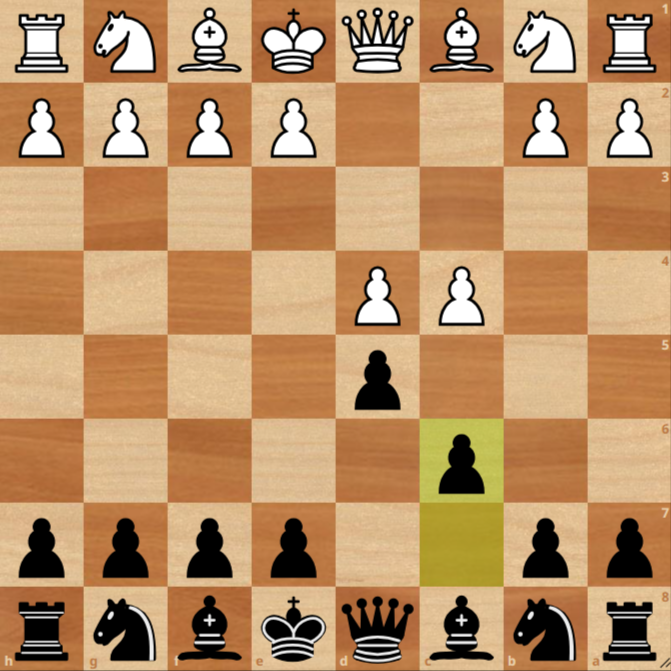
Your pieces develop naturally without awkward squares for your knights or bishops. Compare this to the Sicilian Defense, which Black plays after 1.e4 c5. The Sicilian creates an immediate imbalance. Black trades a central pawn for White’s bishop pawn to spark dynamic counterplay. Do you enjoy sharp tactics? If so, the Sicilian gives you real winning chances at your level.
The Italian Game occupies the middle ground. It is solid for defensive players. However, it still offers sharp tactics for aggressive players. After 1.e4 e5 2.Nf3 Nc6 3.Bc4, you control the center and develop purposefully, but the position can shift into tactics quickly if your opponent isn’t careful.
Positional and Flexible Systems for White
For White, the Queen’s Gambit (1.d4 d5 2.c4) appeals to positional players. It offers great flexibility. You can play for a small advantage through superior piece placement rather than forcing immediate tactics.
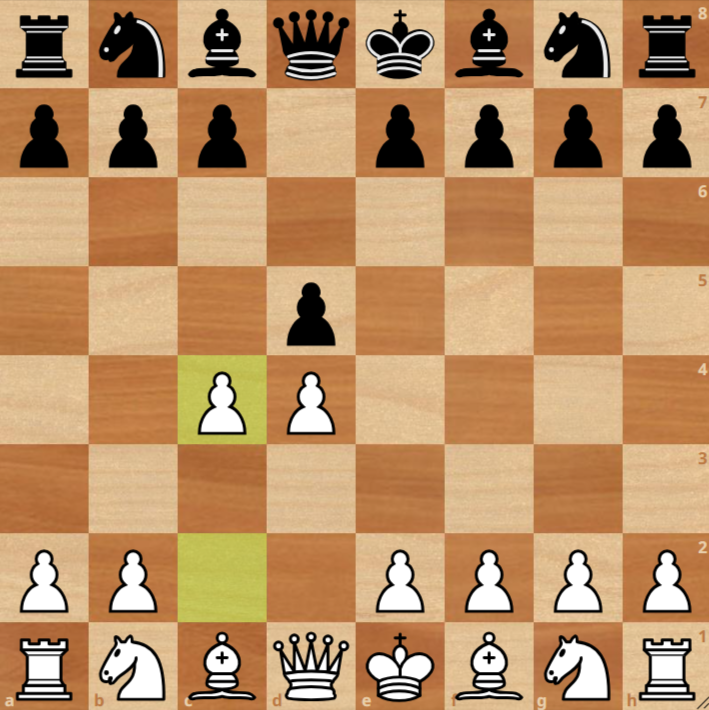
Black can accept the gambit and fight for equality, or decline it and transpose into other structures. The key is this: your opening should feel natural when you play it, not like you follow a script you don’t understand. If your opponent’s moves constantly surprise you or you feel uncomfortable in the resulting positions, you’ve chosen an opening that doesn’t match your style.
Mastering Chess Openings: Choose One System First
Don’t learn six openings at once. Choose one solid opening as White and one as Black, then play them 20–30 times before adding anything else. This sounds slow, but strong players actually build their repertoire this way.
When you’ve played the same opening repeatedly, you stop calculating the first 10 moves and instead think about your middlegame plans. Your brain frees up mental energy for strategy instead of memorization. Students who jump between openings every week memorize lines but never develop intuition. The students who improve fastest pick an opening, stick with it for two months, then expand only after they’ve played it successfully in real games.
For White at 1500 rating, the Italian Game or Queen’s Gambit are your best choices because both lead to positions where understanding beats memorization. For Black against 1.e4, solid responses like the Caro-Kann Defense or the French Defense create reliable positions where the pawn structure guides your piece placement. You don’t need to memorize 30 variations, just understand where your pieces belong.
Against 1.d4, the Slav Defense or the Queen’s Gambit Declined give you solid, reliable structures without requiring endless theoretical memorization. Once you’ve mastered these core openings, you can add a second weapon for variety, but not before.
How to Master Your Opening Repertoire Using Model Games
After you’ve chosen your opening, find 20-30 model games played by strong players in that exact opening and study them deeply. Don’t just watch the moves-pause after White’s 10th move and try to understand what White is trying to accomplish in the middlegame. What squares are important? Which pieces are the most active? Where will the real battle happen? This approach transforms opening study from memorization into pattern recognition.
Transitioning from Opening to Middlegame
When you play your next game and reach move 12 in your chosen opening, you’ll recognize the middlegame structure because you’ve seen it before.
You’ll know that your rooks belong on the d-file, or that your bishop should attack a particular square, because you studied how strong players handle the transition from opening to middlegame. This beats memorizing 20 moves every time.
The Memorization Trap vs. Active Study
The biggest mistake students make is treating opening study like vocabulary memorization. You sit with a chess board, write down move sequences, and repeat them until they stick in your head.
Then you play a game, your opponent deviates on move 6, and suddenly you’re lost because you never learned the ideas behind those moves.
Students who break through to 1700+ rating do something completely different. They focus on understanding what each move accomplishes, then they test that understanding in real games. For example, a student who spends 30 minutes understanding why the bishop belongs on c4 in the Italian Game will always perform better than a student who blindly memorizes 20 moves in 90 minutes. This active approach takes less time and produces permanent results.
To avoid this, use your model game study to ask specific, active questions before looking ahead: Why did White play e4 instead of d4? Why did Black develop the knight to f6 before playing d6? What squares matter most right now? What is White threatening, and how does Black defend? This active analysis forces your brain to connect moves to strategy instead of just memorizing sequences.
After you’ve analyzed those 12 moves, continue the game and compare your predictions to what actually happened. You’ll notice patterns emerge.
In the Italian Game, White almost always plays for control of the d5 square. In the French Defense, Black’s light-squared bishop struggles for activity. Because of this, Black strikes at White’s central pawn structure with a timely …c5 break. This allows Black to generate sharp counterplay on the queenside.
These patterns repeat across dozens of games, and once you recognize them, you don’t need to memorize variations anymore because you understand the direction the game naturally flows.
Transitioning to Live Practice
The next step is to turn this knowledge into actual practice. Real games against opponents at your level will show you whether your opening choices truly work for you.
Play online games with long time controls. Focus entirely on opening principles. Your brain needs time to absorb the patterns. When you play your next tournament game in this opening, you’ll recognize the position after move 15 because your mind has seen similar structures before. This recognition beats memorization every single time.
Test Your Understanding in Real Games
To continue mastering chess openings, test your understanding in real games against players at your level. Platforms like Chess.com or Lichess.org offer rated games against human players. Use them to play your chosen opening repeatedly. This practice shows if your preparation works. Most students skip the most critical step. They forget to review their games afterward.
Spend 10 minutes analyzing moves 1 to 15 after every loss. Identify exactly where your understanding broke down. Did your opponent play an unexpected move? If so, was it a mistake? Or does it represent a valid alternative to learn about? Did you recognize the position from your study, but make a poor middlegame move? That tells you your opening knowledge was fine, but your middlegame planning needs work.
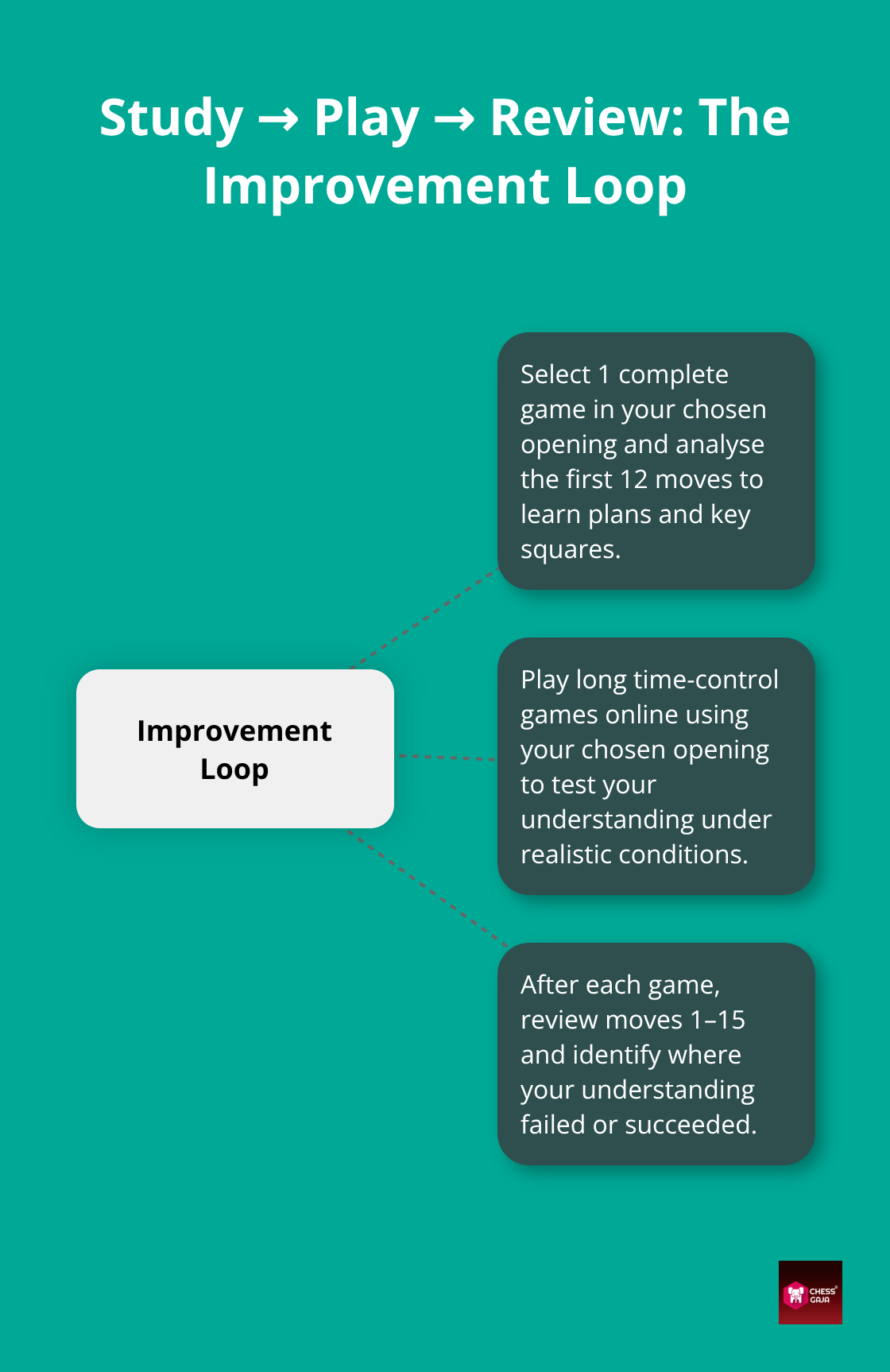
This feedback loop accelerates improvement dramatically. A student who plays 10 games and reviews each one learns more than a student who plays 30 games without analysis. The review process reveals whether your opening choices actually suit your playing style or whether you need to adjust.
Adjust Your Repertoire Based on Results
You might win the opening battle but still feel uncomfortable. If so, the opening does not match your instincts yet. Switch to a different system and try again. The goal isn’t to find the theoretically perfect setup. Instead, find an opening where you play naturally and confidently.
Play your chosen opening 20–30 times in rated games. Review the results to see exactly which ideas work at your level. Then you are ready to expand your repertoire. You can add a second opening or a new variation. The patterns you’ve learned from real games will protect you. These principles guide your decisions in positions you’ve never seen before.
Final Thoughts
Mastering the chess openings comes down to three concrete actions: understanding the principles behind your moves, choosing openings that match your playing style, and testing your knowledge in real games. The intermediate students struggling at our academy rarely lack talent. Instead, they lose because they memorize lines. They miss the underlying concepts.
Pick one opening as White and one as Black this week. Play them in 10 rated games online. Then, review each game to identify patterns. Do not add a second opening until you have played your first choice 20 times. This focused approach builds intuition much faster than jumping between systems. You will soon recognize familiar middlegame structures. When that happens, you can stop calculating and start playing with pure confidence.
We at Chess Gaja have guided hundreds of students through this exact process. The results speak for themselves. Students focusing on opening concepts typically gain 150–200 rating points in one year. Our FIDE-rated coaches provide personalized feedback on your choices. This game analysis helps you identify systems that truly suit your style. Explore our group classes and private coaching options designed specifically for players at your level.