


Last month, a 12-year-old student at our academy lost an advantageous position because he missed a simple pin. Mastering chess basic tactics is what separates struggling beginners from players who consistently win.
Chess basic tactics form the foundation of every strong player’s game. These fundamental patterns appear in nearly every match, from beginner games to grandmaster battles.
We at Chess Gaja have identified three essential tactical themes in chess that will transform your understanding and help you spot winning opportunities in every game.
As Grandmaster Priyadharshan Kannappan, FIDE Trainer and founder of Chess Gaja Academy, I have helped thousands of students use sharper tactics to transform inconsistent positions into clear wins.
In this article, I will share a step-by-step strategy to train your tactical vision and boost your game performance.
Understanding Chess Pins
A pin attacks an enemy piece that cannot move without exposing a more valuable piece behind it. This tactical weapon appears frequently in beginner games, making it one of the most important patterns at club level.
The Absolute Pin Advantage
Absolute pins target pieces that shield the king and create immediate threats. When your bishop on c4 pins the knight on f7 to the black king on g8, that knight becomes completely immobilized. The pinned piece transforms into a sitting target for additional attacks.
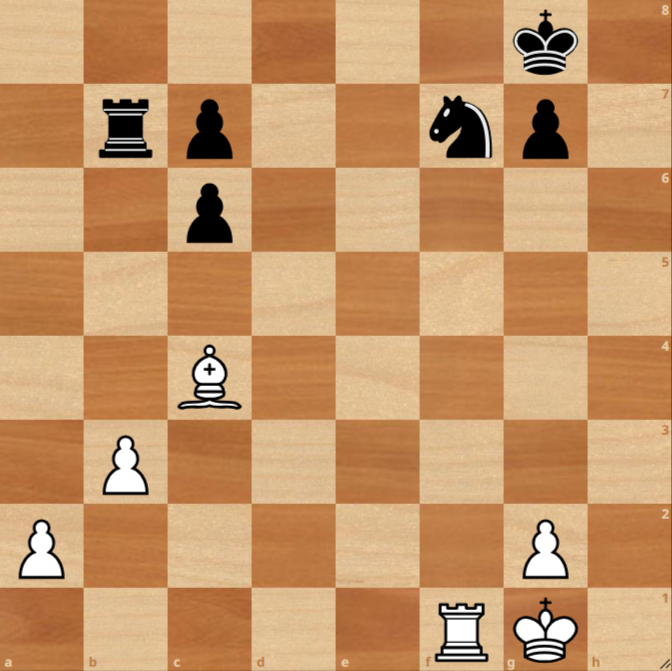
Absolute pins lead to material gain in most cases within the next few moves. Position your bishops on long diagonals early in the game to maximize pin opportunities. The f7 and f2 squares represent the weakest points in most positions (especially during castle preparation), making them prime pin targets.

Relative Pins Create Maximum Pressure
Relative pins attack pieces that protect valuable material behind them. Think of a white bishop on g5 pinning a black knight on f6 to the queen on d8.
The knight can technically move, but doing so leaves the valuable queen completely exposed to capture. The pinned piece can technically move but loses significant material when it does.
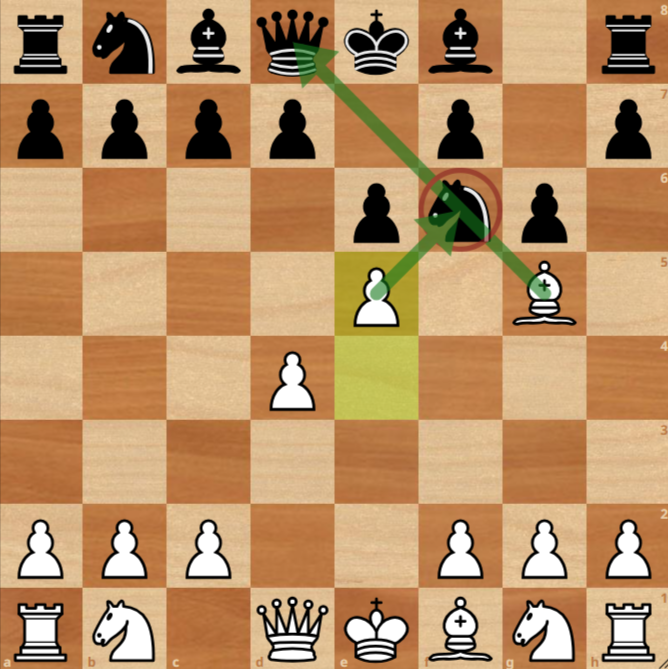
Professional players exploit relative pins by adding pressure with pawns or additional pieces. Attack the pinned piece with your least valuable pieces first. This forces difficult defensive choices and often wins material through accumulated pressure.
Recognition Patterns That Win Games
Players who recognize pin patterns consistently score higher than those who miss these opportunities. Look for pieces that line up on ranks, files, and diagonals with the enemy king or valuable pieces behind them.
Practice spotting potential pin setups during your opponent’s turn. The most common pin patterns involve bishops on long diagonals (targeting f7/f2) and rooks on central files where pieces cluster together.
Master these pin recognition skills, and you’ll discover how forks amplify your tactical arsenal even further.
Mastering the Fork Attack
A fork attacks two or more enemy pieces simultaneously with a single move, forcing your opponent into impossible defensive choices. This devastating tactical weapon wins material in most beginner games. Knight forks are the most prevalent due to their unique L-shaped movement.
Knight Forks Dominate the Board
Knights excel at forks because they jump over pieces and attack squares that other pieces cannot reach simultaneously.
The most powerful knight fork targets the enemy king and queen from squares like d5, e5, or f5 in the center. Position your knights on central squares early in the middlegame to maximize fork opportunities.
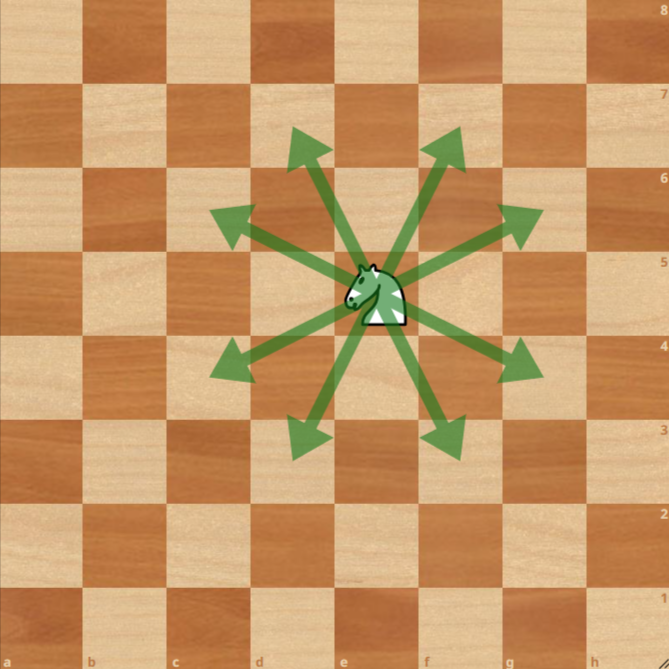
A knight on e5 can potentially fork pieces on c4,c6,d3,d7,f3,f7,g4,g6 squares (depending on piece placement). Advanced players place knights on outpost squares two moves before they execute the fork, creating setup patterns that beginners miss completely.
Pawn Forks Create Unexpected Wins
Pawn forks surprise opponents because pawns appear harmless until they advance into attack positions. A pawn on e4 moving to e5 forks a bishop on d6 and knight on f6, winning a full piece.
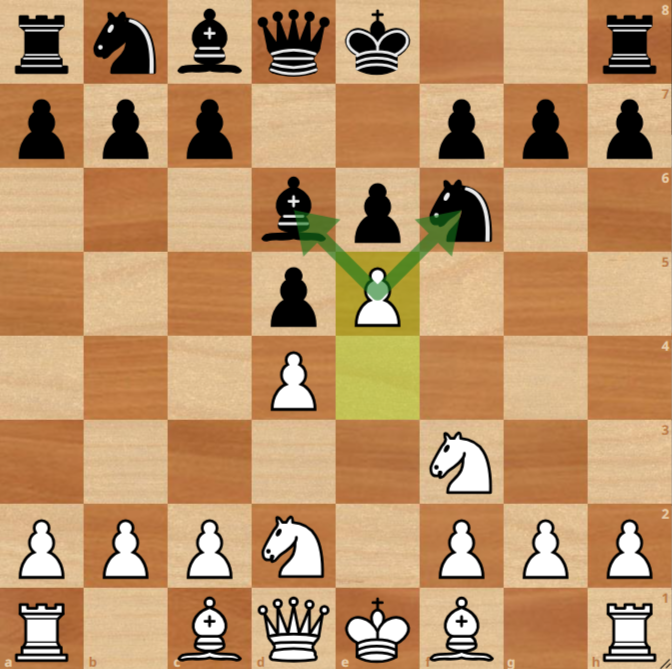
Queen and rook forks by pawns occur frequently in endgame positions where major pieces become overloaded defending multiple targets.
Practice advancing pawns with tempo to create fork threats that your opponent cannot prevent. The most effective pawn forks happen when you push pawns that simultaneously attack two pieces of equal or greater value.
Royal Fork Patterns Win Games
The royal fork attacks both the enemy king and queen with a single knight move, guaranteeing material gain. Knights positioned on squares like d5, e5, or f5 often threaten royal forks when the enemy king and queen align on vulnerable squares.
These patterns appear most frequently when the opponent’s king remains in the center too long.
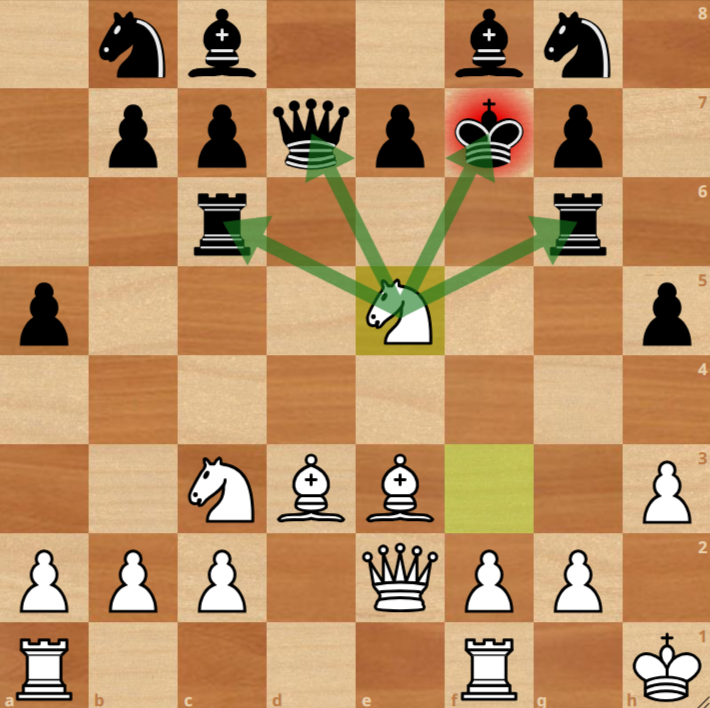
Study royal fork setups in your games and look for opportunities to maneuver your knight into position.
The threat of a royal fork often forces defensive moves that weaken your opponent’s position even when the fork doesn’t materialize.
The deadliest fork combinations involve multiple pieces working together to set up the decisive blow, which leads perfectly into understanding how discovered attacks multiply your tactical power.
How Do Discovery Attacks and Skewers Win Material?
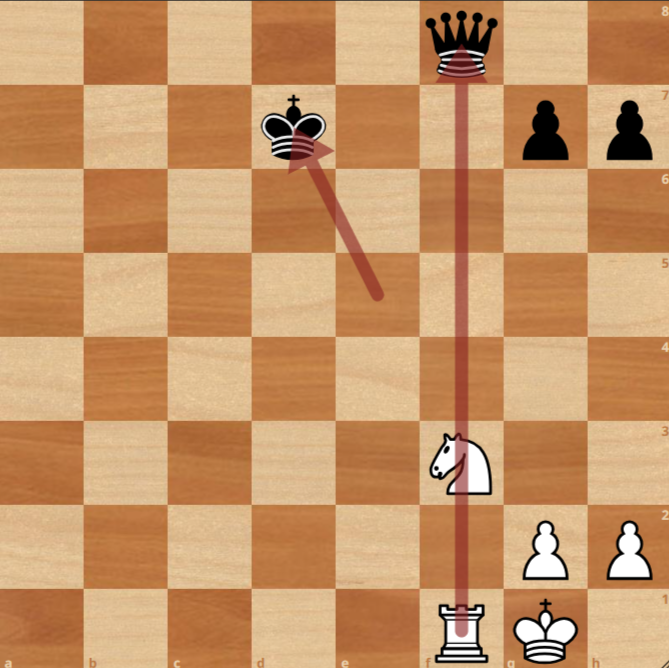
Discovery attacks unleash devastating power when one piece moves to reveal an attack from another piece behind it. This creates double threats that opponents cannot defend simultaneously.
The moving piece gains a crucial tempo. Meanwhile, the discovered piece delivers the primary blow to win material or force a quick checkmate.
These tactical patterns prove highly effective when executed correctly, making them more reliable than isolated tactical shots.
Discovery Patterns That Dominate Games
The most effective discovery setups involve bishops or rooks on long diagonals and files with knights or bishops that block their path initially.
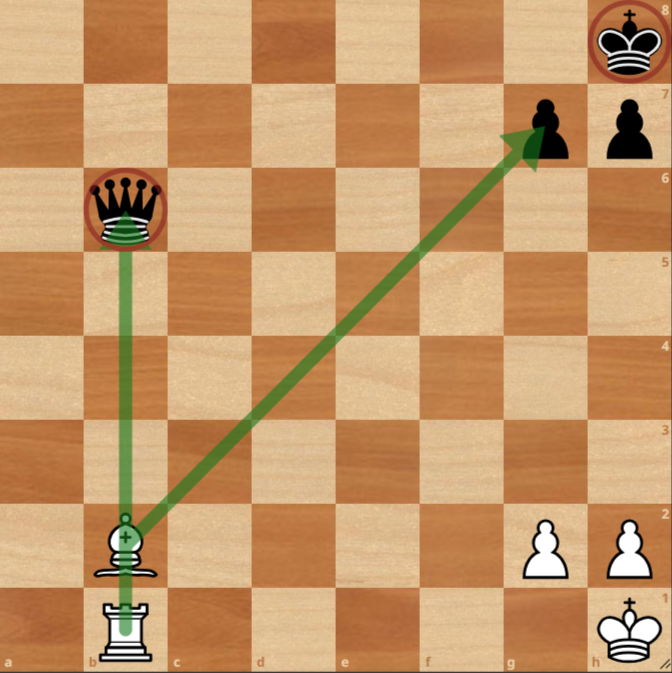
When the front piece moves with check or captures material, the discovered attack becomes unstoppable. Position your major pieces on open files and long diagonals early in the middlegame, then maneuver minor pieces in front of them to create discovery threats.
A rook on the b1 with a bishop on b2 creates multiple discovery possibilities when the bishop moves to attack the enemy queen.
Advanced players prepare discovery attacks two moves ahead and place pieces on squares where they can move with maximum effect when the discovery triggers.

Skewer Tactics Force Impossible Choices
Skewers attack a valuable piece that must move, which exposes a less valuable piece behind it to capture.
Unlike pins that immobilize pieces, skewers force movement and guarantee material gain when the front piece holds greater value than the back piece.
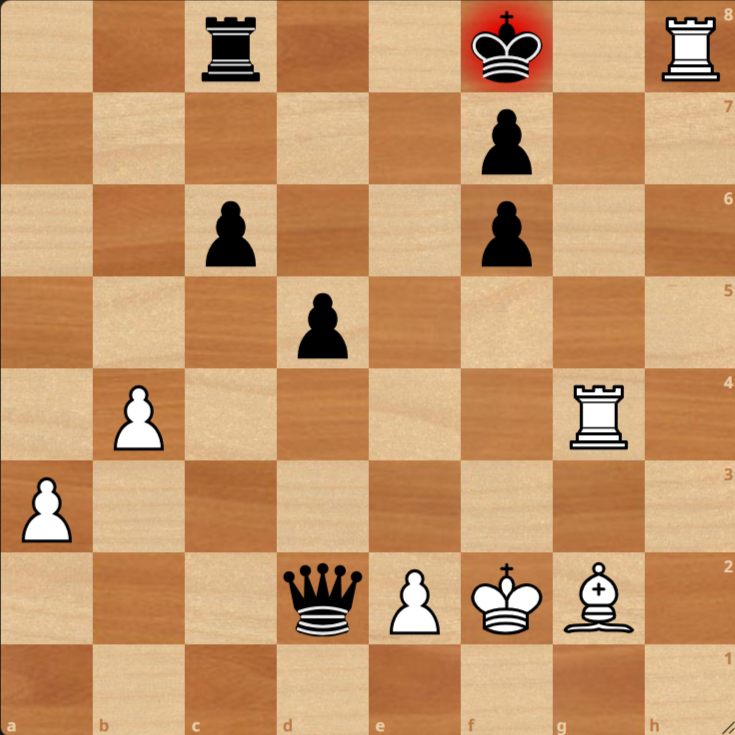
Rook skewers on the back rank win a queen that is forced to move, exposing a vulnerable rook or minor piece trapped behind it.
The most profitable skewer patterns target pieces with value differences of three points or more (such as queen-rook or rook-minor piece combinations).
Look for opportunities where your opponent’s pieces line up on the same rank, file, or diagonal with different values.
Final Thoughts
Chess tactics can transform your game when you practice them consistently and apply systematic pattern recognition.
Solve 15-20 tactical puzzles each day to build visual recognition speed. Focus on positions where pins, forks, discoveries, and skewers combine, as these patterns win the most material in real games.
Study your completed games with analysis tools to identify missed tactical opportunities.
Mark positions where you could have applied these fundamental patterns. This review process accelerates tactical development more effectively than random puzzle practice without context.
We at Chess Gaja provide expert coaching sessions and personalized game analysis to help students improve their tactical vision. Our coaches offer detailed feedback on tactical blind spots and create customized programs (targeting specific weaknesses in your play). Start implementing these tactical patterns in your next game with proper guidance from Chess Gaja.