


Having chess openings explained through core logic rather than memorization sets a winning foundation for every game you play.
We at Chess Gaja believe that chess openings explained properly focus on understanding core principles rather than memorizing endless variations. This approach builds lasting skills that improve your overall game performance.
As Grandmaster Priyadharshan Kannappan, FIDE Trainer and founder of Chess Gaja Academy, I have helped hundreds of students use well-structured opening preparation to turn uncertain starts into confident middlegames, and in this article I will share a step‑by‑step approach to understanding chess openings so they become a reliable foundation for your overall game performance.
What Opening Principles Win Games?
The three fundamental opening principles form the backbone of successful chess play at every level. Center control through e4, d4, e5, or d5 pawn moves gives your pieces maximum mobility and restricts your opponent’s options.
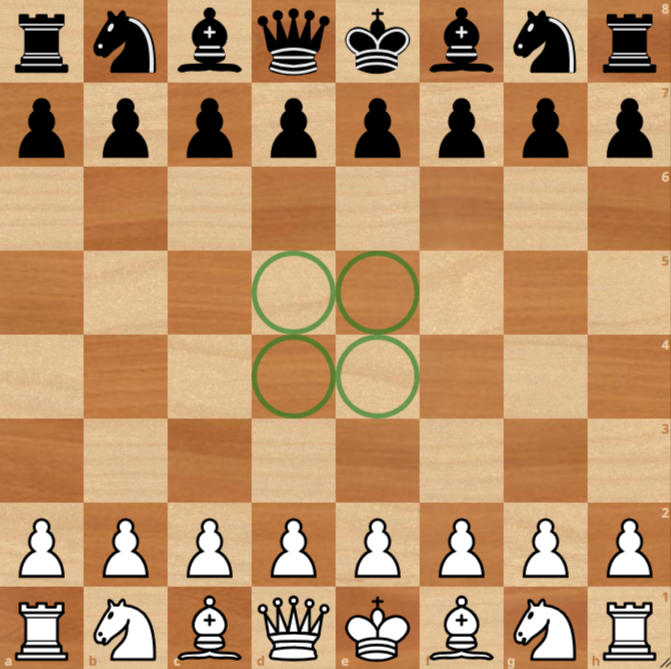
Controlling the center provides strategic advantages, though specific win rate statistics vary by playing level and time control. Place your pawns on central squares first, then support them with pieces like knights on f3 and c3.
Piece Development Order Matters
Knights develop before bishops because they have fewer squares to choose from and can immediately support central pawns.
The knight on f3 controls the key central squares e5 and d4, preventing early enemy pawn pushes while supporting your own center. Bishops need open diagonals to be effective, which only appear after pawn moves and knight development.
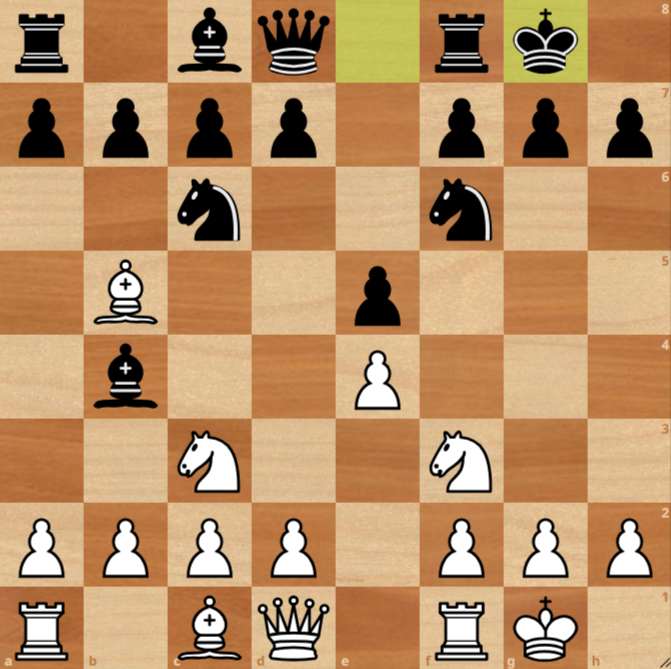
This sequence prevents your pieces from blocking each other and creates natural coordination.
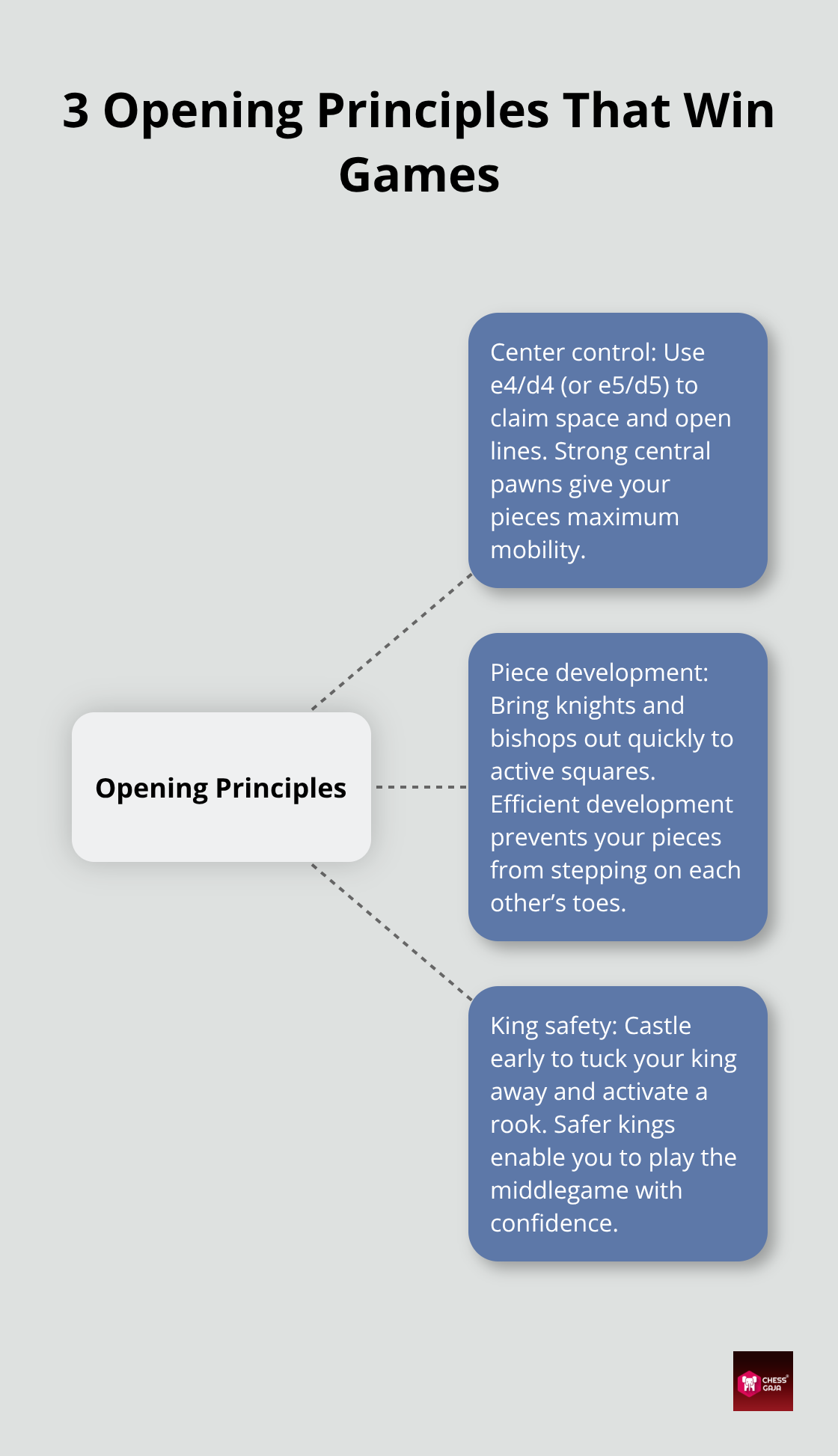
Grandmaster games show that players who develop knights first maintain better piece harmony through logical development patterns.
King Safety Through Early Castling
Castle within the first 8-10 moves to protect your king and activate your rook simultaneously. Early castling provides significant safety advantages, as analysis shows that castling is beneficial in many positions.
The king becomes vulnerable in the center once both players start their attacks. Short castling proves safer than long castling (It only requires clearing two pieces (Knight and Bishop) instead of three (Knight, Bishop, Queen)).
Kingside castling is generally safer because the king immediately lands on a well-protected square (g1 / g8) tucked behind a tight pawn shield.
In long castling, the king lands on c1 / c8, leaving the a-pawn undefended and often requiring a separate, slower prophylactic move like Kb1 / Kb8 to achieve true safety.
After you castle, your rook connects with your other rook and can quickly join the fight for central files.
Strategic Coordination Between Principles
These three principles work together to create a solid foundation for your position. Central control provides space for piece development, while early development prepares safe castling options.
Players who master this coordination gain significant advantages over opponents who focus on only one principle at a time. The next step involves understanding how specific openings apply these principles to achieve different strategic goals.
Chess Openings Explained: Which Systems Offer the Best Strategic Advantage?
Italian Game and Ruy Lopez Build Perfect Classical Foundations
The Italian Game with 1.e4 e5 2.Nf3 Nc6 3.Bc4 delivers rapid development and immediate kingside pressure. Your bishop targets the f7 square (Black’s weakest point) while it supports quick castling.
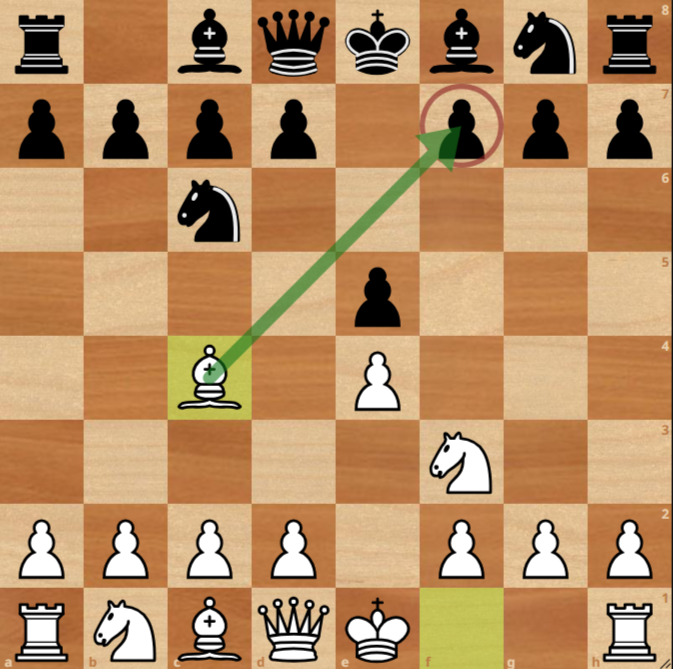
When looking at classical chess openings explained for intermediate players, the Italian Game stands out because this opening produces practical winning chances for White especially effective at the club and intermediate levels.
The Ruy Lopez follows 1.e4 e5 2.Nf3 Nc6 3.Bb5 and creates long-term positional pressure when it attacks the knight that defends the central e5 pawn.
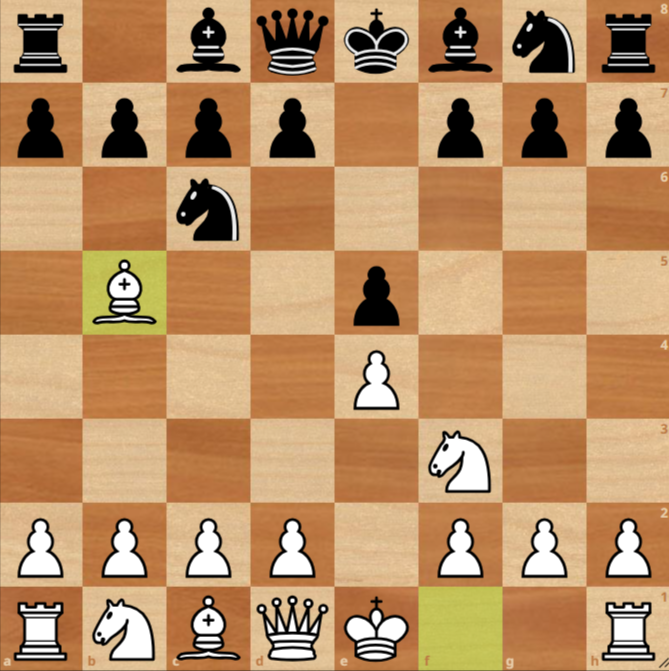
Magnus Carlsen uses the Ruy Lopez frequently because it offers rich middlegame positions with clear plans.
Both openings teach essential classical principles while they give you practical chances against players who neglect development.
Queen’s Gambit Dominates Through Central Space Control
The Queen’s Gambit starts with 1.d4 d5 2.c4 and sacrifices White’s c-pawn to undermine Black’s control of the center and central dominance.
The Queen’s Gambit is one of the most aggressive d4 chess openings explained in master-level theory, and this d4 opening strategy has historically resulted in white scoring significantly higher at the master level, which makes it one of the most successful first moves.
Your c4 pawn attacks d5 immediately and forces Black to make critical decisions about pawn structure early.
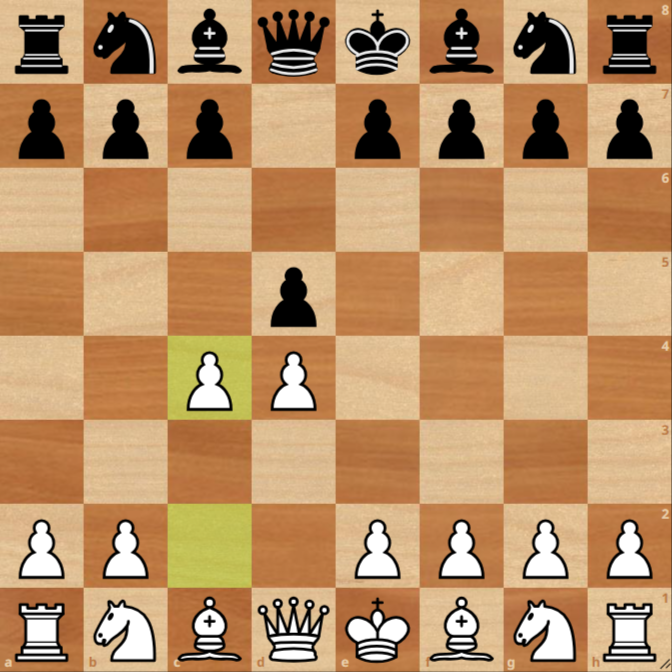
If Black accepts the gambit with 2…dxc4, White easily regains the pawn while gaining rapid piece development and central control.
The Queen’s Gambit is fundamentally a pseudo gambit that teaches you to fight for central squares with pawns first, then support them with pieces for maximum strategic impact.
Sicilian Defense Creates Counterattack Opportunities
The Sicilian Defense begins with 1.e4 c5 and gives Black the most complex and tactical games possible. The Sicilian defense creates asymmetry, as Blackfights for the central d4 square using a flank c5 pawn.
Black scores dynamics wins in Sicilian games compared to other defenses against 1.e4, according to master-level database statistics.
Your c5 pawn controls the vital d4 square while it avoids symmetrical pawn structures that often lead to draws.
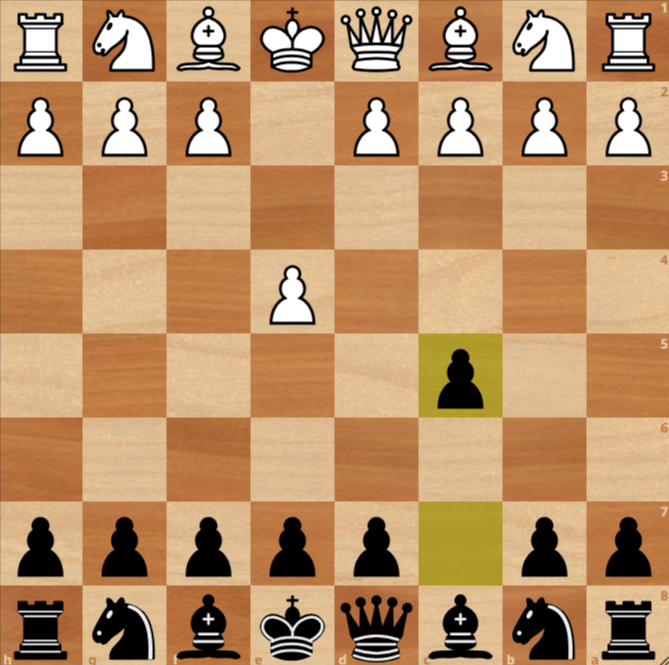
The Sicilian creates imbalanced positions where both sides have genuine chances through different strategic approaches.
Garry Kasparov built his career on Sicilian Defense mastery and used its tactical complexity to outplay opponents in sharp middlegame battles. These strategic advantages mean nothing if you fall into common traps that sabotage your position before the real game begins.
Common Mistakes to Avoid to Have Chess Openings Explained Correctly
Multiple Piece Moves Waste Critical Development Time
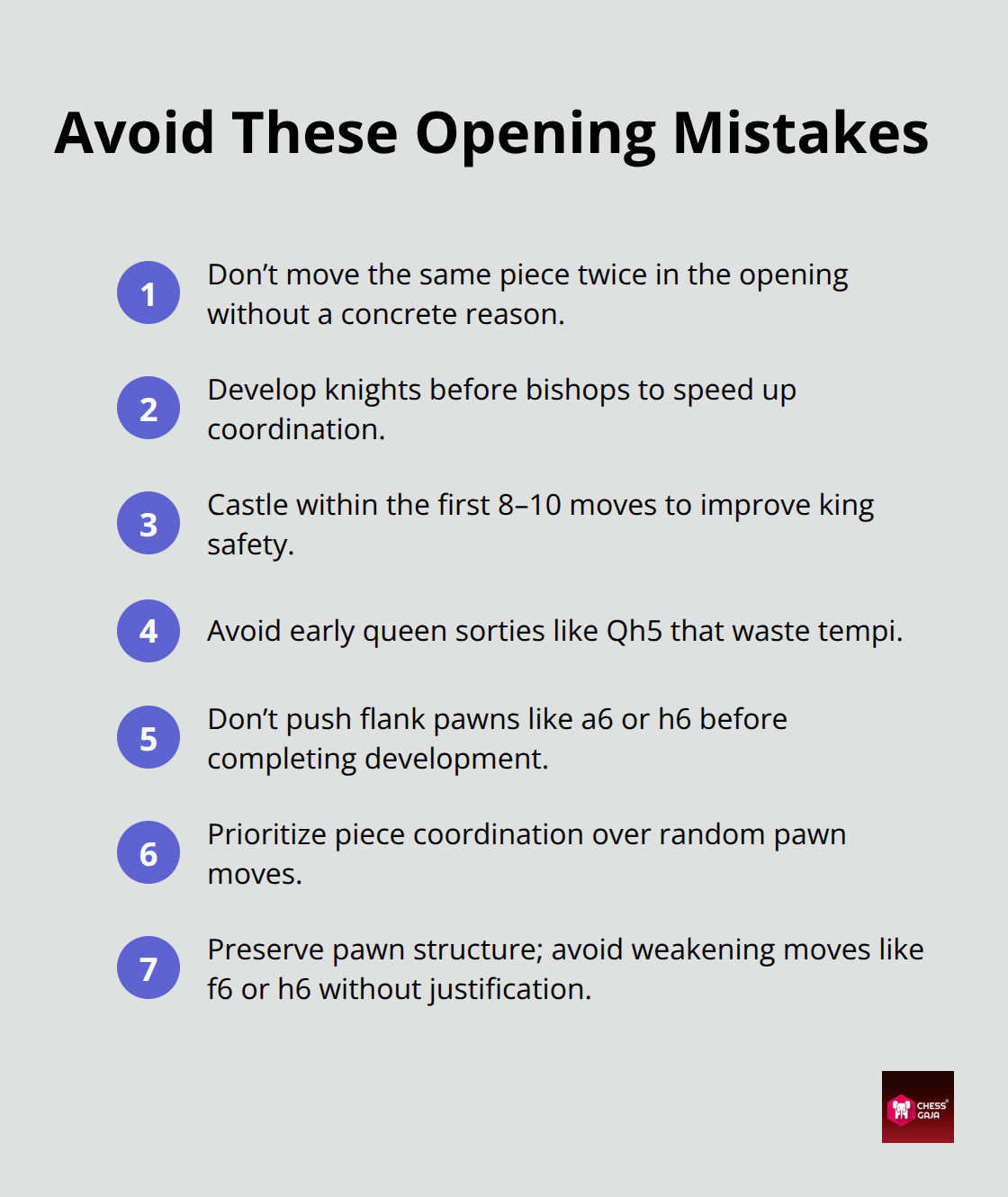
You give your opponent a massive development advantage when you move the same piece twice in the opening.
Openings set the tone for the middle game and influence piece development. Bringing your queen out too early (for example, a sortie to h5 on move two) forces you to waste valuable tempos.
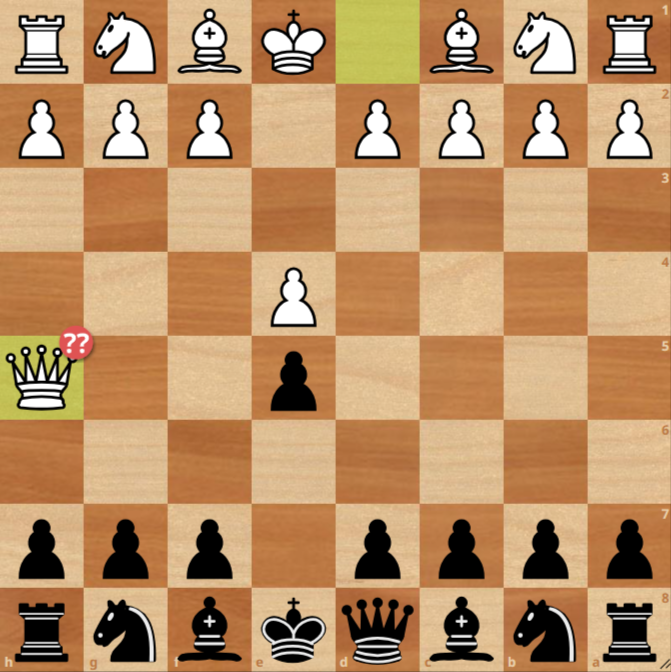
As your opponent develops their pieces naturally while attacking your queen, you are forced to move her multiple times just to find safety.
Similarly, jumping a knight to f3 only to immediately hop it to g5 or e5 without a concrete tactical justification just wastes critical development time.
Each unnecessary piece move gifts your opponent time to build coordination while you repair your position. Proper development focuses on controlling key squares and preparing for the middle game phase.
King Exposure Creates Tactical Vulnerabilities
You expose your king to devastating tactical shots when you delay castling past move ten.
The Scholar’s Mate works against beginners because they fail to recognize immediate threats to the vulnerable f7-square—the weakest point in Black’s camp, defended only by the king. Tactical vulnerabilities emerge when players fail to prioritize king safety in their opening play.
Pawn moves like h6 or a6 before you complete development weaken your position without meaningful benefits.
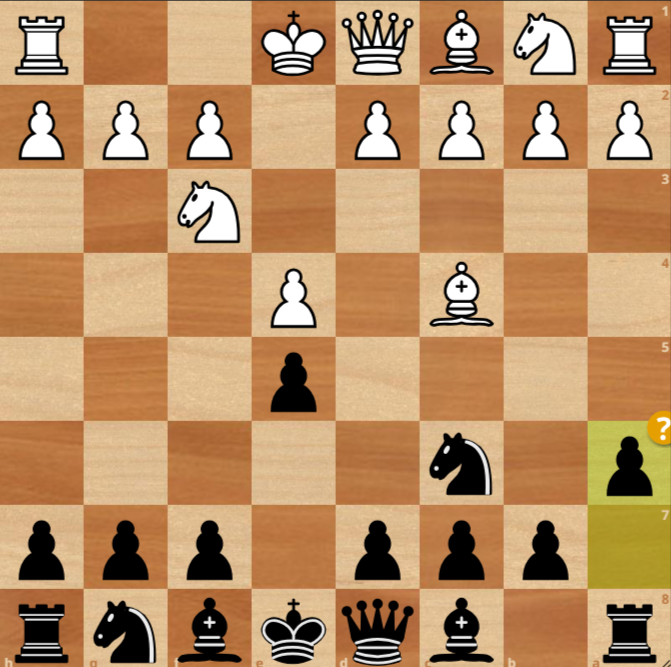
Your pieces need coordination to defend your king effectively, but scattered development leaves critical squares undefended.
Players who prioritize pawn moves over piece development suffer tactical defeats when they face prepared opponents.
Pawn Structure Weaknesses Become Permanent Handicaps
You create holes in your pawn chain through moves like f6 or h6 and give your opponent permanent outposts for their pieces.
These weaknesses appear frequently in lost games where players weaken their kingside structure unnecessarily.
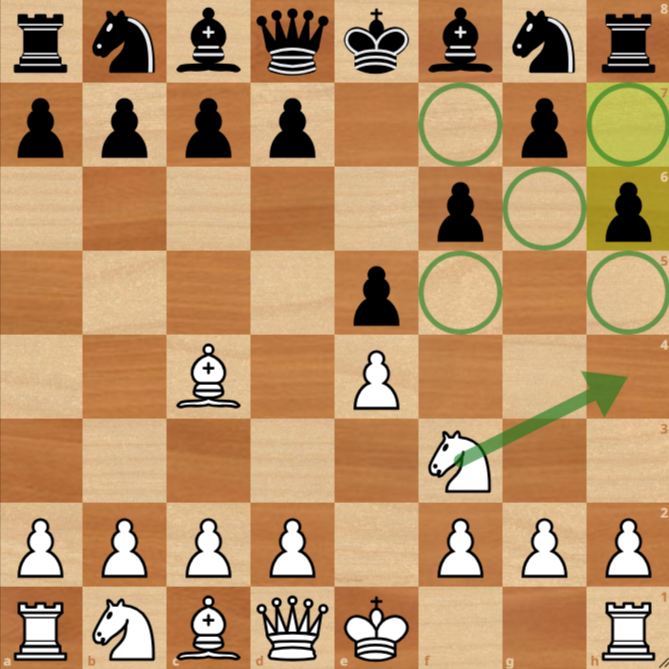
You completely neglect the center when you waste multiple tempos moving the same flank pawn (like a4-a5-a6), allowing your opponent to build a dominant, uncontested position in the center.
Advanced players exploit pawn weaknesses ruthlessly because they understand that temporary piece activity cannot compensate for permanent structural damage.
Final Thoughts
Chess openings explained through principles create stronger players than those who memorize variations without understanding.
The three core principles of center control, piece development, and king safety provide the foundation for every successful opening system.
Players who master these fundamentals adapt better to unexpected moves and maintain strategic advantages throughout their games.
Understanding the ideas behind each opening proves more valuable than memorization of twenty moves of theory.
The Italian Game teaches rapid development, the Queen’s Gambit demonstrates central control, and the Sicilian Defense shows counterattack possibilities.
These strategic concepts transfer to other openings and improve your overall chess understanding.
Regular analysis of your opening games builds long-term skills that memorization cannot provide (review your games to identify where you violated opening principles or missed tactical opportunities).
This practice develops pattern recognition and strategic thinking that serves you well in middle game and endgame positions.
We at Chess Gaja help players build this systematic approach to opening study through personalized coaching and detailed game analysis.