


Most chess players rely on the same popular openings, making their games predictable. Cool chess openings can completely shift the dynamic of your games by catching opponents unprepared.
At Chess Gaja, we’ve seen how unconventional chess strategies create immediate psychological advantages. These surprise systems force opponents into unfamiliar territory where preparation matters more than memorization.
I, Priyadharshan Kannappan, Chess Grandmaster and FIDE Trainer, have 2 decades of experience on chess openings as a topic, and I would be happy to share some of my insights on these topics.
Which Chess Openings Actually Surprise Opponents
Bird’s Opening Creates Immediate Tactical Chaos
Bird’s Opening with 1.f4 forces unique strategic and tactical complications that most club players handle poorly. By immediately staking a claim on the critical e5-square from move one, White prepares an asymmetric kingside expansion that can quickly catch an unprepared opponent off guard. Data from online chess databases reveals that while the Bird may not enjoy elite-level popularity, it yields a surprisingly high win rate at the club level precisely because it derails standard opening memory.
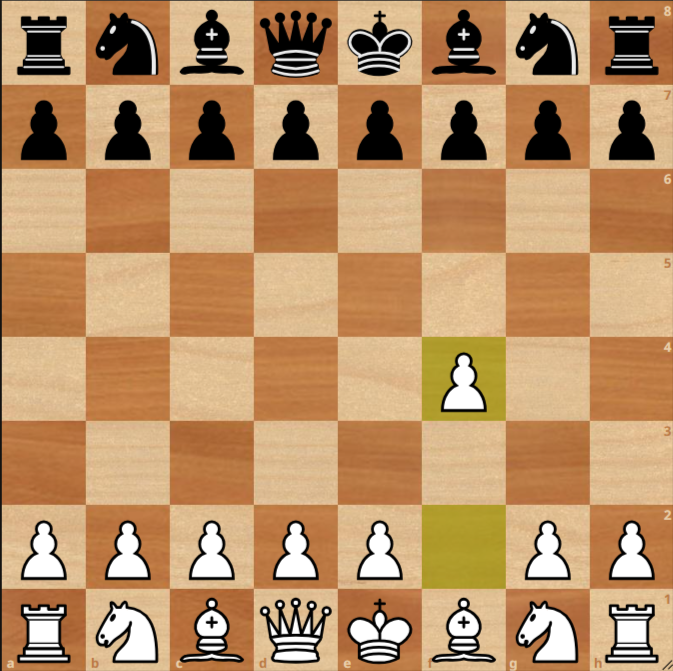
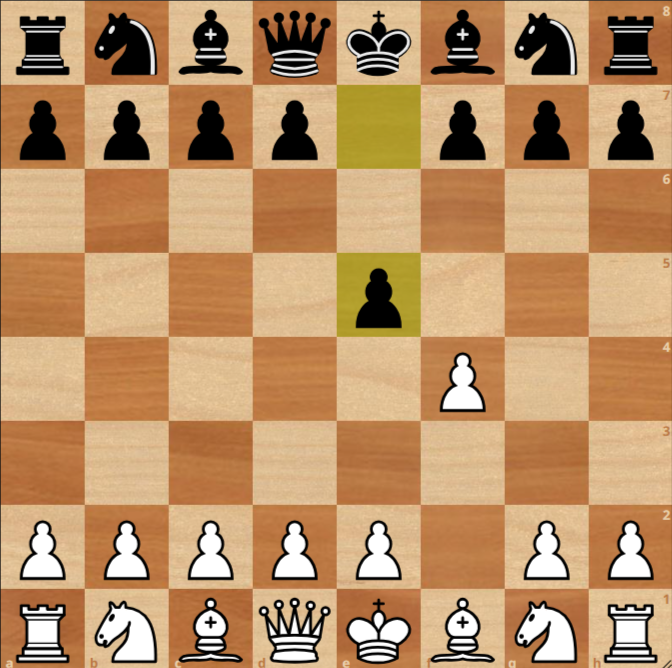
The real chaos begins if Black attempts to smash the opening immediately with the sharp From’s Gambit (1…e5), leading to razor-sharp tactical lines where a well-prepared White player holds the upper hand.
Alternatively, against standard setups like 1…d5, Black players frequently misplay the positional nuances—often drifting into passive, restricted setups by treating the position like a reversed Dutch Defense without respecting White’s extra tempo. By steering the game away from mainstream theory, you force your opponent to think on their own from the very first move.
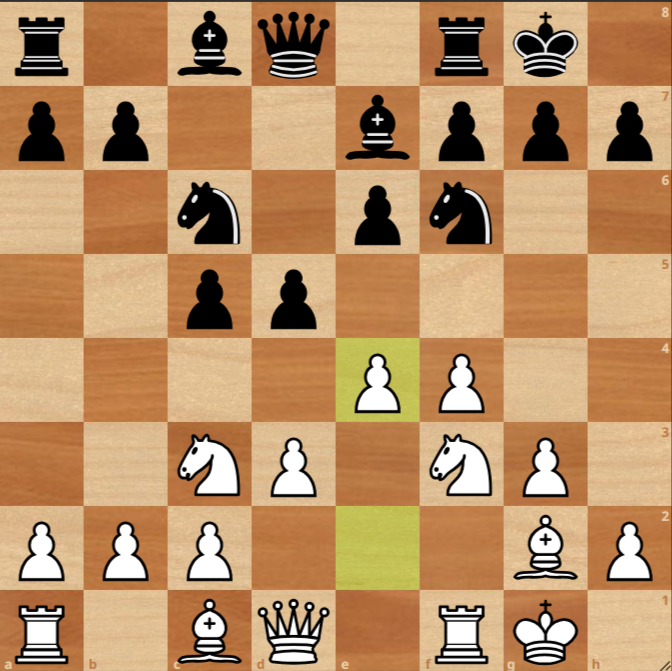
The English Opening’s Reversed Sicilian Trap
When White plays the English Opening with 1.c4, followed by a kingside fianchetto with g3, Bg2, and Nc3, it creates a highly flexible flank system. This setup completely disrupts club players who are rigidly prepared for traditional Queen’s Gambit or King’s Pawn openings.
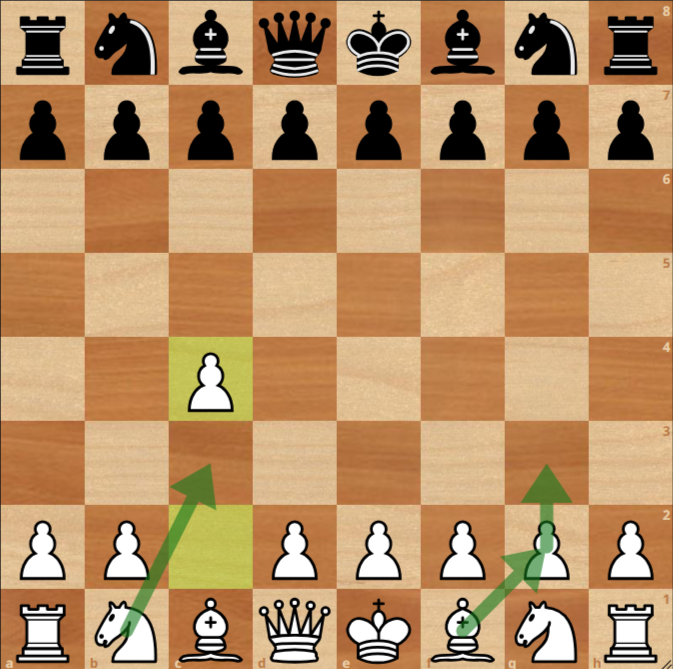
If Black responds with 1…e5, White enters a Reversed Sicilian structure, playing the highly dynamic Black side of a Sicilian Defense but with a crucial extra tempo. Alternatively, if Black tries to force standard Queen’s Gambit style setups with an early d5, White’s hypermodern pressure subtly reframes the central battlefield.
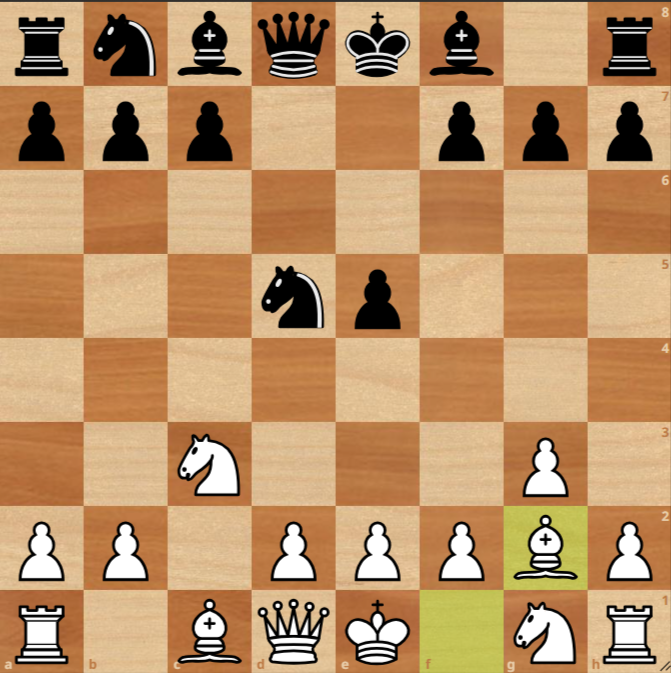
This strategic layout allows White to exert immense positional control over the long h1-a8 diagonal while maintaining an incredibly solid central foundation. Intermediate tournament players frequently struggle against this system because it denies them a clear, direct target in the center. Instead, they are forced to defend against slow-burning flank pressure combined with a sudden central breakthrough—a dual threat that regularly leaves club-level players stranded in deep positional water.
Nimzowitsch-Larsen Attack 1.b3: The Ultimate Hypermodern Surprise
If you want to completely bypass your opponent’s deep book preparation from move one, switching to the Nimzowitsch-Larsen Attack with 1.b3 is an incredibly effective weapon. Unlike traditional openings that rush to occupy the center with pawns, 1.b3 is a hypermodern masterpiece. White allows Black to build a seemingly impressive pawn center, only to immediately dismantle it from the flanks.
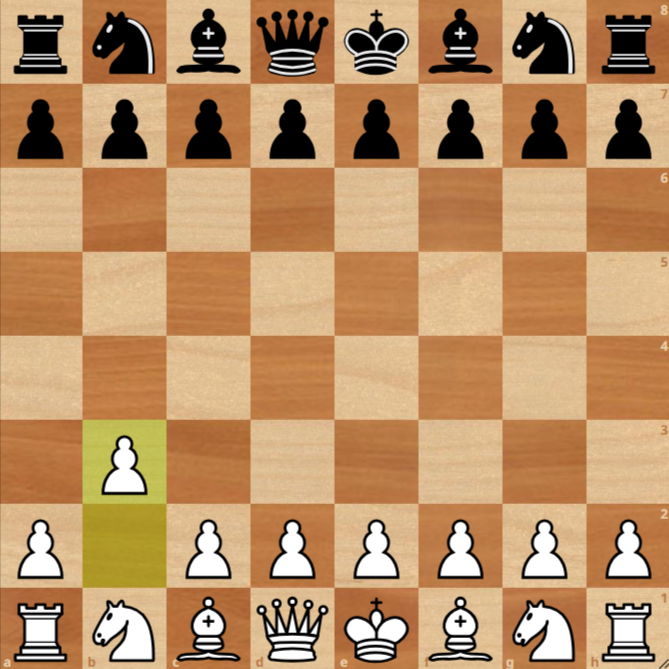
This approach is highly disruptive at the club level because it shifts the battlefield from rote memorization to pure strategic understanding, forcing your opponent to think on their own from the very first move.
The true tactical venom of the Larsen lies in the devastating power of the light-squared bishop when fianchettoed on b2. When Black plays standard central responses like 1…e5, White’s bishop immediately eyes the vulnerable e5-pawn and exerts indirect, long-term pressure across the critical h1-a8 diagonal. If an unprepared defender tries to reinforce their center carelessly, they frequently stumble into sharp, tactical motifs involving a sudden f4 strike or an early knights-and-bishops pileup on the e5-square.
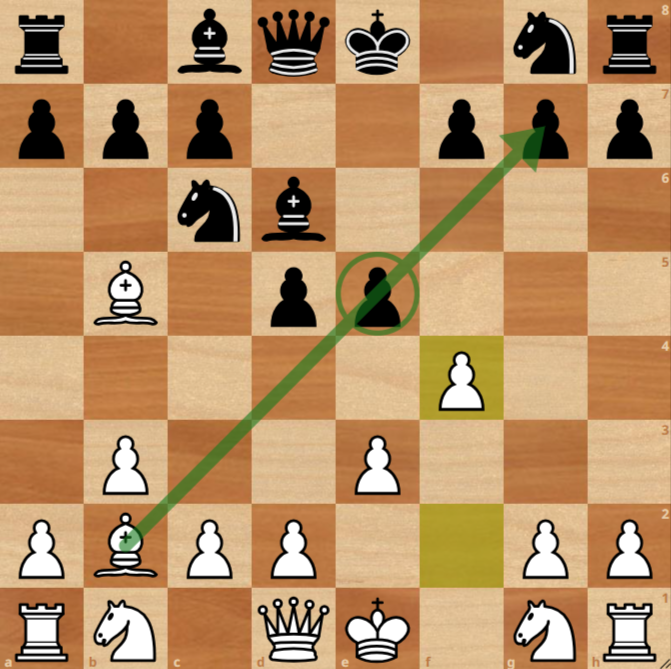
Adopting this flexible system yields strong practical results for intermediate tournament players because it offers a highly consistent setup while saddling Black with unfamiliar structural challenges. The psychological advantage of seeing your opponent visibly slow down on move one to calculate basic setups cannot be overstated.
These unconventional choices work best when you understand their deeper strategic foundations rather than rely on pure surprise value. Each novelty and surprise you introduce should serve a concrete purpose beyond mere shock value.
Which Lesser-Known Black Responses Actually Work Against 1.e4
When facing the ubiquitous 1.e4, most club players automatically brace themselves for a grueling theoretical battle in the Open Sicilian or the Ruy Lopez. By deploying an unconventional, hypermodern, or semi-open defense, you instantly strip White of their home-cooked engine preparation.
Here are four high-leverage lines for Black that generate immediate psychological pressure and force White to think on their own from move two.
1.Scandinavian Defense: The Modern 2…Nf6 Direct Challenge
The Scandinavian Defense with 1.e4 d5 2.exd5 Nf6 creates immediate central tension without exposing the black queen prematurely (unlike the traditional 2…Qxd5 main lines). This system yields incredible practical results at the club level because it completely disrupts White’s standard developmental autopilot.
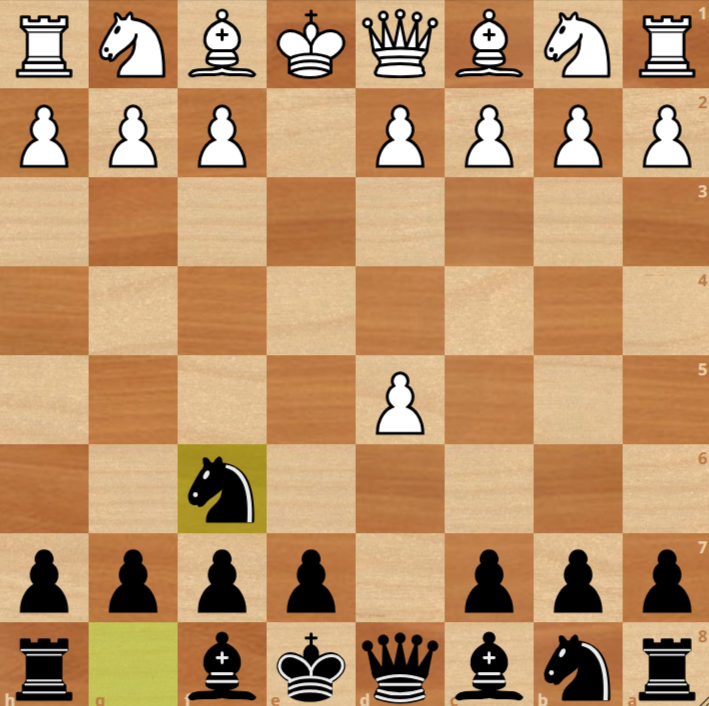
The real strategic trap for White lies in greedily attempting to hold onto the extra gambit pawn with 3.c4. Against this stubborn central clamp, Black unleashes a rapid piece assault with 3…c6!.
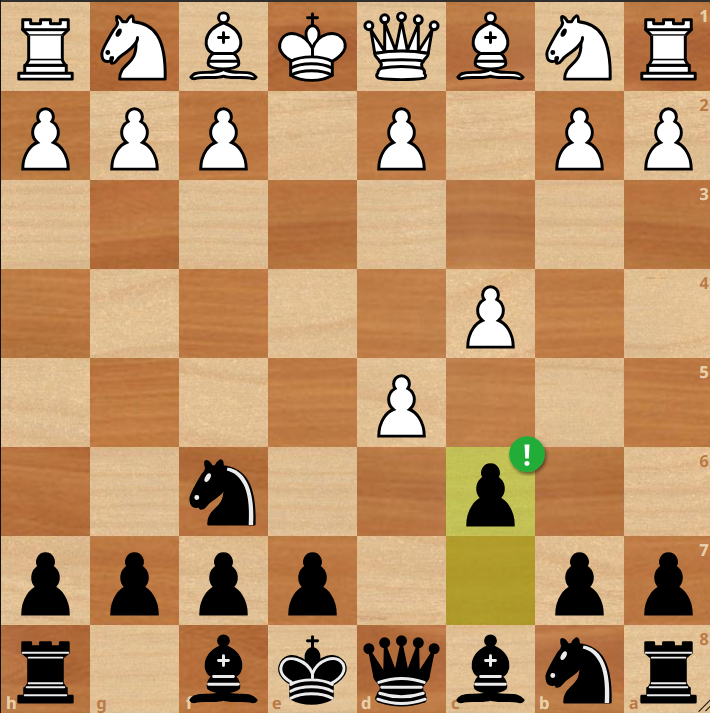
Black gains blazing tactical activity and rapid development across open files, while White is left saddled with a clumsy, overextended pawn structure that they rarely navigate correctly under tournament time pressure.
2.Alekhine Defense: The Ultimate Psychological Provocation
Forcing your opponent’s central pawns forward might look counterintuitive to a beginner, but the Alekhine Defense (1.e4 Nf6) is a hypermodern masterpiece. By intentionally inviting White to chase the knight with 2.e5 Nd5 3.d4 d6, Black baiting White into creating an overextended, rigid pawn center.
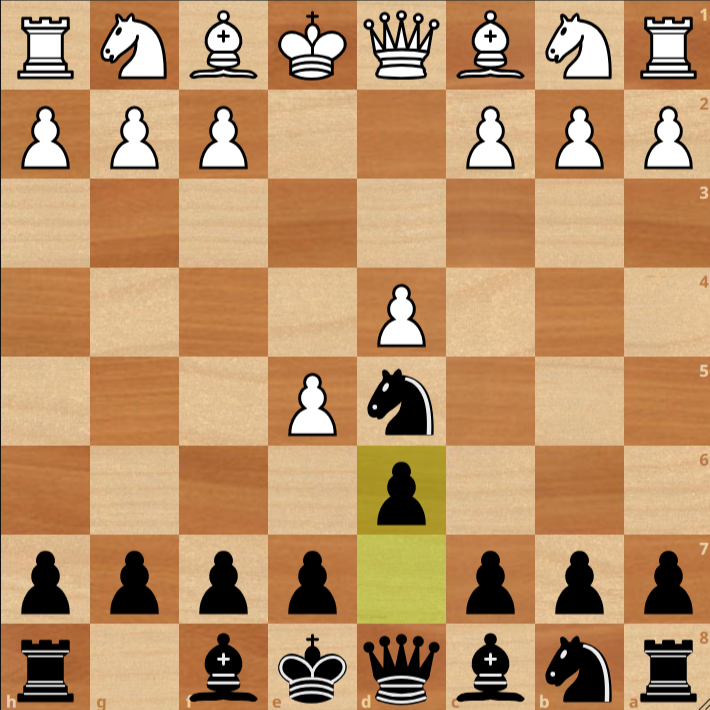
The surprise value here is immensely high. Most 1.e4 players want to launch swift kingside attacks, but against the Alekhine, they are suddenly forced to defend an over-stretched center that Black will systematically chip away at with …d6 and …g6. When White’s central space advantage collapses, Black’s minor pieces flood the board, turning White’s supposed space advantage into a massive positional liability.
3. The Pirc & Modern Defenses: Asymmetric Flank Counterattacks
If you want to completely deny White any early tactical targets, combining the Pirc (1.e4 d6 2.d4 Nf6 3.Nc3 g6) or the Modern Defense (1…g6) is a devastating weapon. Instead of fighting for the center with pawns, Black focuses on a quick kingside fianchetto with …Bg7 and solid flank control.
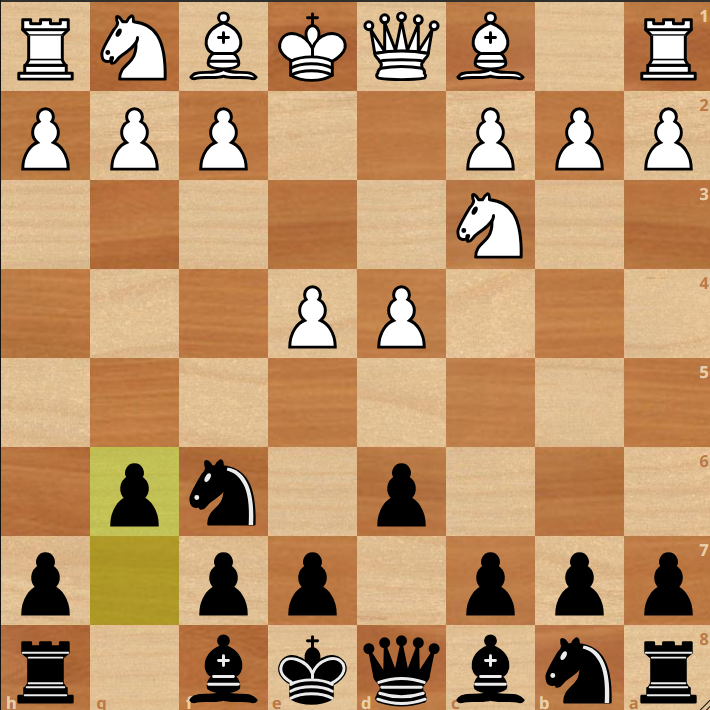
This setup acts as a psychological mirror. Aggressive White players often misinterpret Black’s patient layout as passivity and launch premature, overly aggressive kingside pawn storms. This is exactly what a prepared Black player wants. By absorbing the initial pressure, Black strikes back dynamically with timely central breakthroughs like …e5 or …c5, using the long-diagonal power of the dark-squared bishop to rip White’s position apart from the flanks.
4. Owen’s Defense: The Sleeper Fianchetto System
If you want to completely paralyze White’s standard opening memory on move one, Owen’s Defense (1.e4 b6) is the ultimate hidden gem. Instead of fighting for the classical center with pawns, Black immediately prepares a queenside fianchetto with …Bb7, turning the light-squared bishop into a long-range sniper rifle aiming directly down the a8-h1 diagonal.
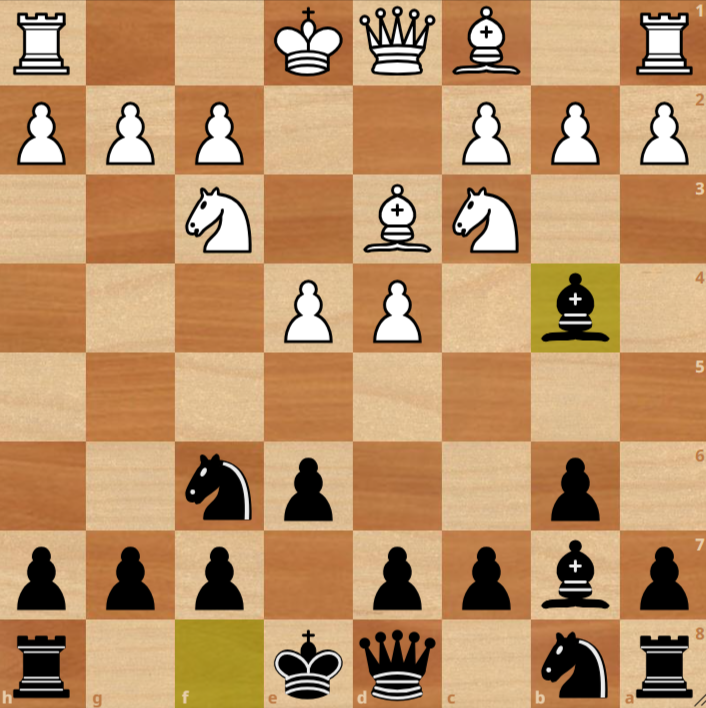
The psychological trap here is immense. When club players see 1…b6, they almost always rush to occupy the absolute center with 2.d4, thinking they are punishing Black’s passivity. This is exactly what a prepared Owen’s player wants. By baiting White into putting pawns on e4 and d4, Black systematically targets the overextended e4-pawn with …Bb7, …Nf6, and timely central strikes like …f5 or …e6 combined with …Bb4. White is suddenly forced to defend a rigid central structure against sharp, asymmetric pressure, dragging them out of their comfort zone and into deep, unfamiliar strategic waters by move five.
How Do Surprise Chess Openings Create Mental Pressure
Opponents Face Time Pressure in Unknown Territory
Surprise openings force opponents to calculate unfamiliar positions without any preparation. Players consistently spend more time on moves when they face unexpected openings compared to standard theory. This time disadvantage builds throughout the game and pushes opponents into time trouble where mistakes become inevitable. The psychological stress of unknown positions while the clock ticks creates effects that extend far beyond the opening phase.
Prepared Lines Become Worthless Immediately
Players who rely heavily on opening preparation struggle when their studied lines become useless after move three. Surprise openings are very much an essential part of one’s opening preparation, as playing chess is like being in a one-on-one combat. This creates frustration and uncertainty that affects decision-making quality throughout the entire game. Opponents often overcompensate with overly aggressive or passive play when their preparation becomes worthless.
System Mastery Builds Unshakeable Confidence
Players who master surprise systems gain significant confidence advantages because they control the game’s direction from move one. Statistical analysis shows that players with prepared surprise systems score better than their normal rating would predict. The Bird’s Opening, Reversed English, Scandinavian, Owen’s Defense, Pirc and Modern variations work exceptionally well because the same player understands the positions while opponents struggle with unfamiliar structures (particularly in the 1000-1500 rating range).
Final Thoughts
Cool chess openings work best when they serve deep strategic purposes beyond mere shock value. The Bird’s Opening, Nimzowitsch-Larsen Attack, and unconventional defenses like the Alekhine and Owen’s system succeed because they create genuine, structurally sound tactical opportunities while forcing opponents into completely unfamiliar territory. These systems produce measurable advantages through psychological pressure and superior tournament time management.
At the end of the day, solid preparation remains far more important than gimmicky, unsound traps. Players who master the modern Scandinavian or the Pirc Defense understand the resulting middlegame plans deeply, giving them an edge that lasts throughout the entire game. Statistical evidence shows prepared players score significantly better with targeted surprise systems compared to random, risky novelties.
We at Chess Gaja help students develop these personalized opening systems through rigorous training and detailed game analysis. Our coaches focus on teaching the core strategic foundations behind surprise openings rather than superficial tricks. Through our premier online chess academy, students learn to perfectly balance surprise value with sound chess principles.