

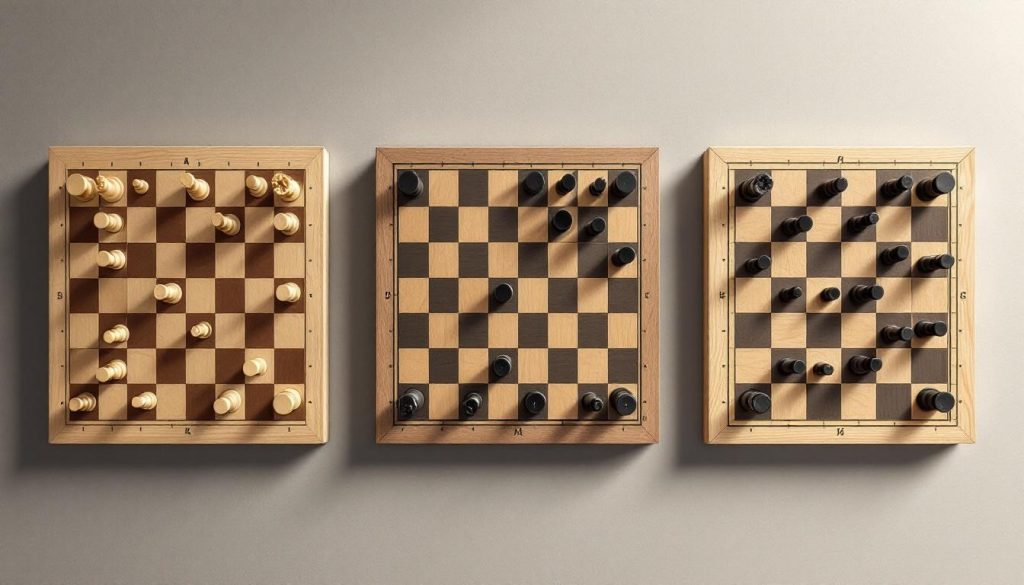
Last month, a 12-year-old student in Dubai asked us a question that lies at the heart of mastering classic chess openings: why do top players keep using the same timeless chess strategies from centuries ago? The answer is simple: classic chess openings work because they’re built on timeless principles. Whether you’re looking for the best chess openings for beginners or seeking to refine your repertoire, these three strategies form the foundation of opening mastery.
At Chess Gaja, we’ve noticed that beginners often jump between random openings instead of mastering the foundations. Three openings stand out as essential knowledge for every serious player—the Italian Game, the Sicilian Defense, and the Ruy Lopez—along with sharp classical alternatives like the King’s Gambit for aggressive players.
At Chess Gaja Academy, I teach my students that you don’t need to reinvent the wheel to reach the top; you just need to master the classics. I’m Grandmaster Priyadharshan Kannappan, Current “engine novelties” often grab modern headlines. However, timeless systems like the Ruy Lopez and the Queen’s Gambit have shaped every World Champion’s career. In this guide, I will walk you through the essential classic setups. Understanding this deep-rooted logic will keep your game relevant against any opponent.
Italian Game: The Timeless Classic
How the Italian Game Develops for White
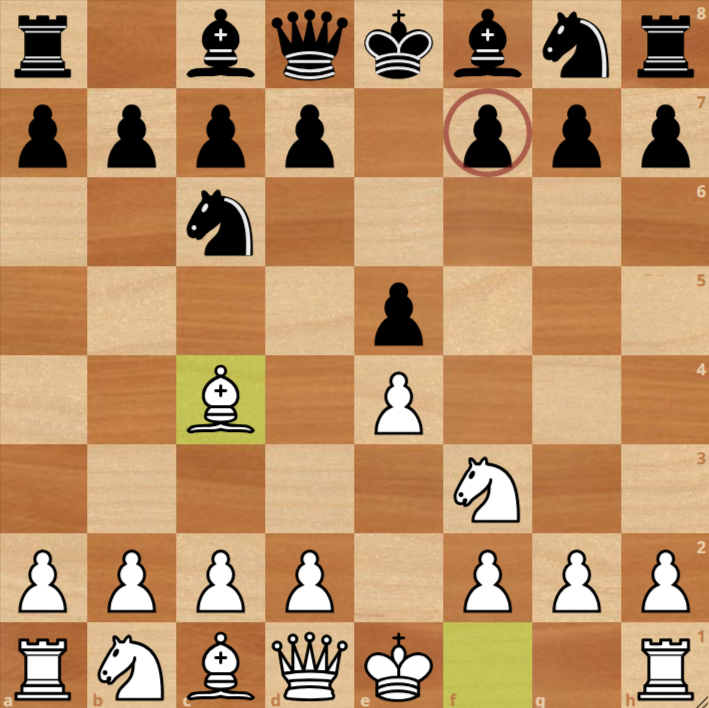
The Italian Game starts 1.e4 e5 2.Nf3 Nc6 3.Bc4, and it teaches you how chess actually works.
Players rated around 1500 make rapid progress once they understand this opening properly, because the Italian Game forces you to think about piece coordination and attacking chances rather than memorizing 20 moves of theory.
The bishop on c4 immediately threatens f7, the weakest square near Black’s king, and this creates real pressure from move three. White controls the center with the e4 pawn while developing pieces toward Black’s kingside, which is the core principle behind every strong opening.
The Italian Game doesn’t hide behind complexity-it shows you that chess is about controlling key squares, developing quickly, and creating threats your opponent must answer. This is exactly why players have used it since the 16th century and why it remains one of the most effective weapons at club level.
Why Classical Mastery Beats Trend-Chasing
Many club players make the mistake of thinking they need to play the most fashionable opening, but mastering one classical opening helps you improve faster than jumping between trendy variations.
The logic behind this thinking is that trending opening keeps changing, but classical opening are evergreen in style and can be good to be played against players of all levels, and not just specifically in certain rating levels.
The Italian Game teaches you patterns that transfer to dozens of other openings, so your preparation time actually compounds instead of scattering across unrelated positions.
Common Tactical Dangers
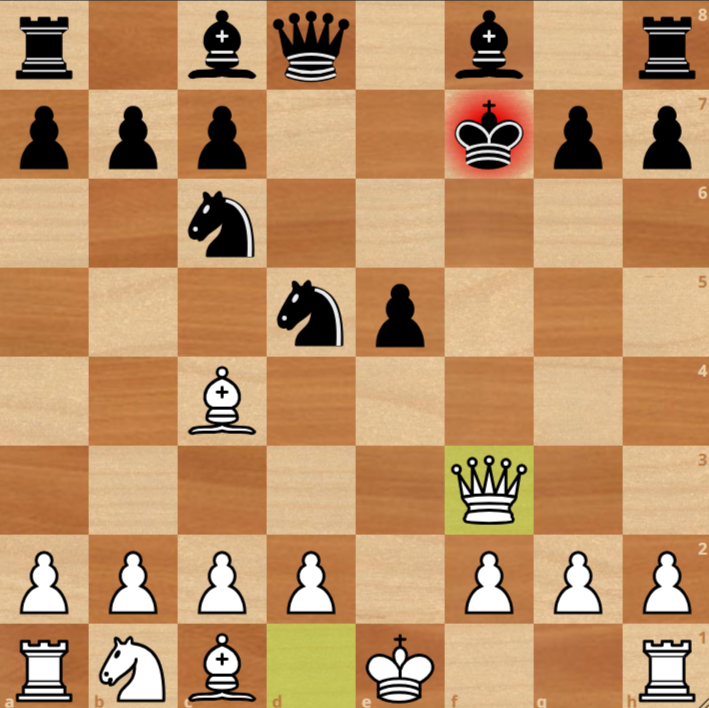
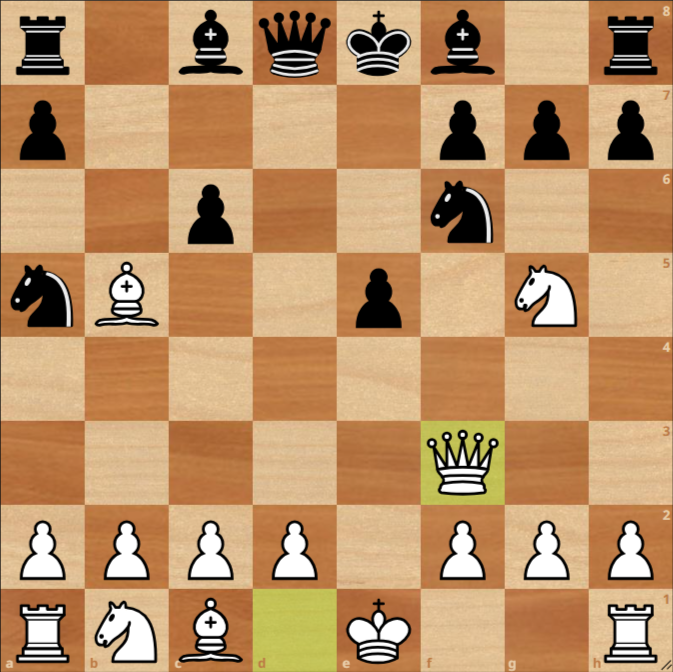
The main tactical danger for beginners in the Italian Game is mishandling the sharp variations after 3…Nf6 4.Ng5 d5 5.exd5. If Black blunders with 5…Nxd5, White can launch the true Fried Liver Attack with 6.Nxf7! Kxf7 7.Qf3+, exposing the Black king.
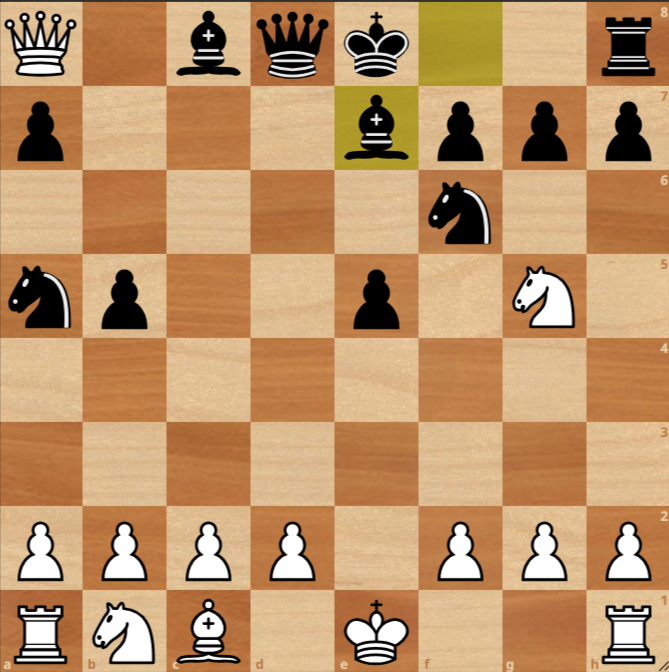
To avoid this, Black should play the main line 5…Na5 6.Bb5+ c6 7.dxc6 bxc6.
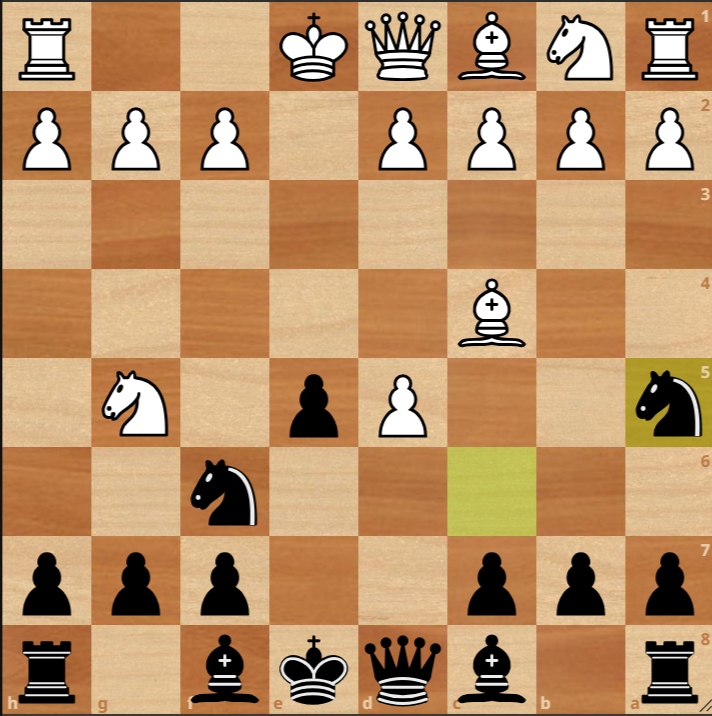
If White tries the popular 8.Qf3 variation, Black can play 8…Rb8 or 8…cxb5!? or 8…Be7, maintaining excellent piece activity and dynamic counterplay for the sacrificed pawn.
In quieter lines like the Giuoco Pianissimo (4.d3), the danger isn’t an immediate tactical blunder, but rather drifting into a passive mindset. After standard development like 4…Be7 5.O-O O-O 6.Nc3 d6 7.h3, the position is completely equal.
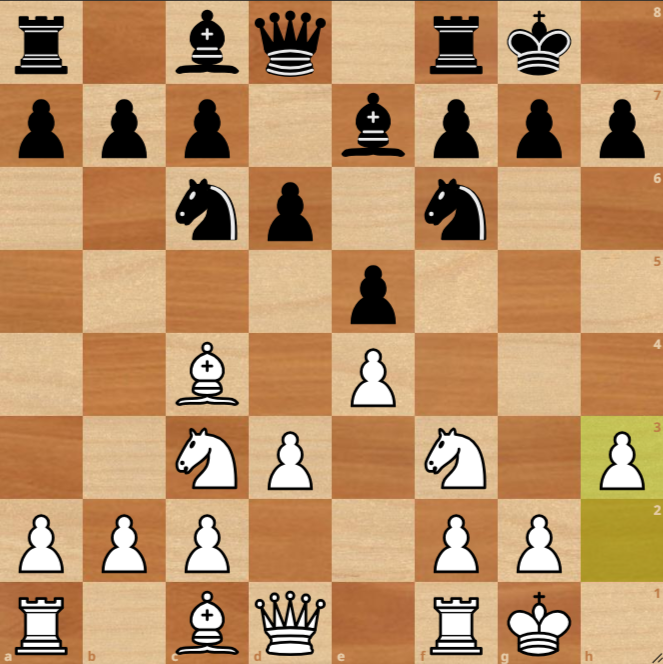
For an attacking player, the “mistake” here is playing too aimlessly; White must still formulate a concrete plan, such as preparing a central d3-d4 push or executing the classic maneuver of routing the queen’s knight via e2 to g3 to create future kingside chances.
Aggressive Play Wins More Games for 1500 rated players
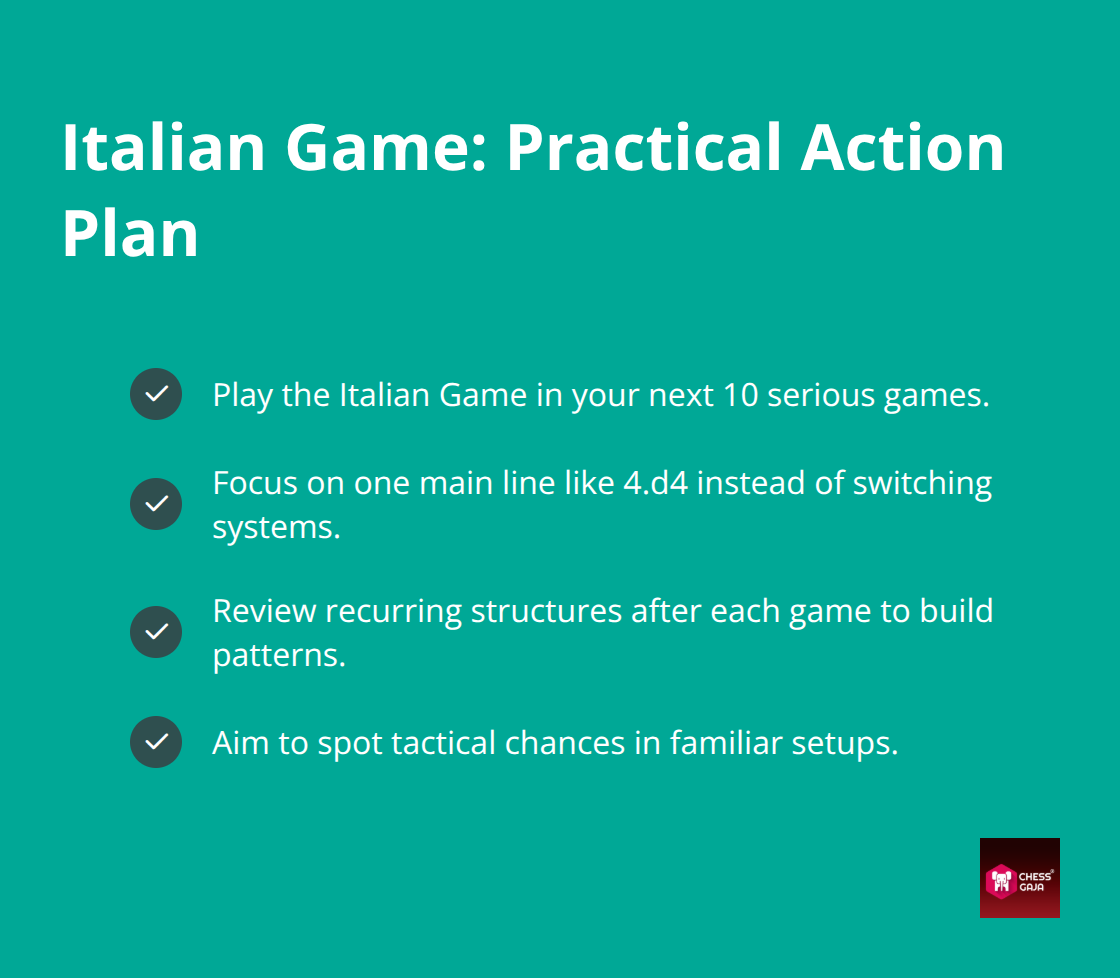
The Italian Game’s real strength appears when you get lot of practice in one system, and that could be 4.d4 or 4.d3 or 4.Ng5 as white against 3…Nf6 move by Black.
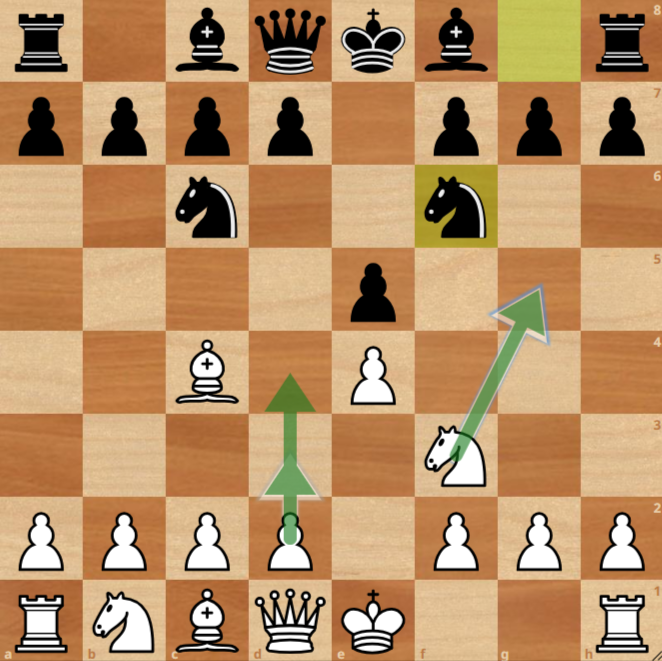
Your pattern recognition will improve dramatically once you see the same structures repeatedly, and you’ll start spotting tactical opportunities that weren’t obvious during your first games with the opening.
This foundation in the Italian Game prepares you perfectly for the next opening we’ll examine-the Sicilian Defense, which Black players use to fight back against 1.e4 with completely different strategic ideas.
Sicilian Defense: The Most Popular Response to 1.e4
Why Black Fights Back With the Sicilian
The Sicilian Defense starts 1.e4 c5, and it’s the most popular response to 1.e4 at every competitive level because it fights for the initiative instead of accepting a passive position.
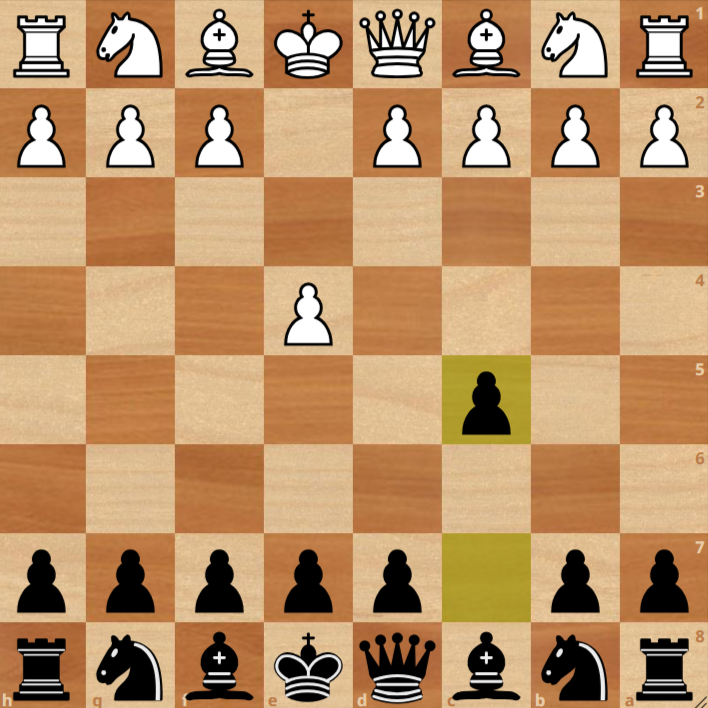
Unlike the Italian Game where Black mirrors White’s setup, the Sicilian immediately challenges White’s center. This sharp counterattack controls the vital d4-square from the flank.
Database statistics show that the Sicilian appears quite often between strong players. This high frequency reflects a hard tournament truth. Black players have learned that passive defensive setups lose games.
Fighting back from move one creates dynamic winning chances. This strategic complexity forces White to make tough decisions early. When you face this opening as White, you are up against a prepared opponent. They expect to create immediate threats of their own.
When you face the Sicilian as a White player, you’re not dealing with a minor opening choice-you’re facing an opponent who has studied concrete positions and expects to create threats of their own.
Three Main Approaches to Combat the Sicilian
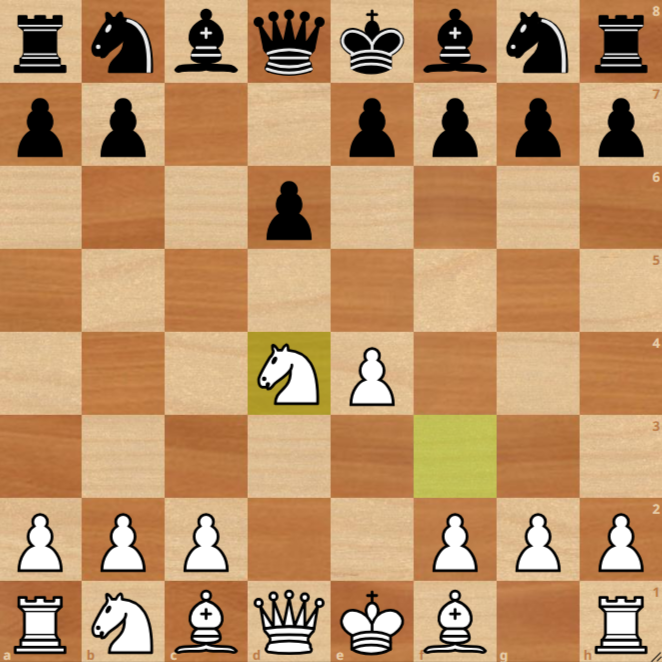
The main variations split into three distinct approaches that change your entire strategy. The Open Sicilian after 2.Nf3 d6 3.d4 cxd4 4.Nxd4 leads to sharp positions where both sides have realistic attacking chances, and this is where most club-level battles happen because neither player can simply wait for a mistake.
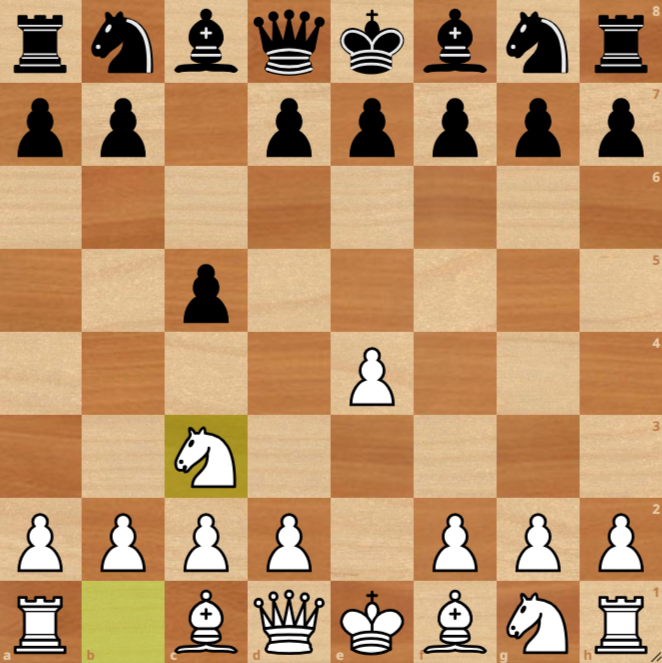
The Closed Sicilian with 2.Nc3 avoids the theoretical minefield and instead builds a kingside attack through f4, e5, and kingside pawn advances, which suits players who want to dictate the game’s character rather than memorize variations.
The Anti-Sicilian approach like 2.c3 (Alapin) change the fundamental structure entirely, and these lines appeal to players who want to avoid the sharpest theoretical positions while still maintaining winning chances.
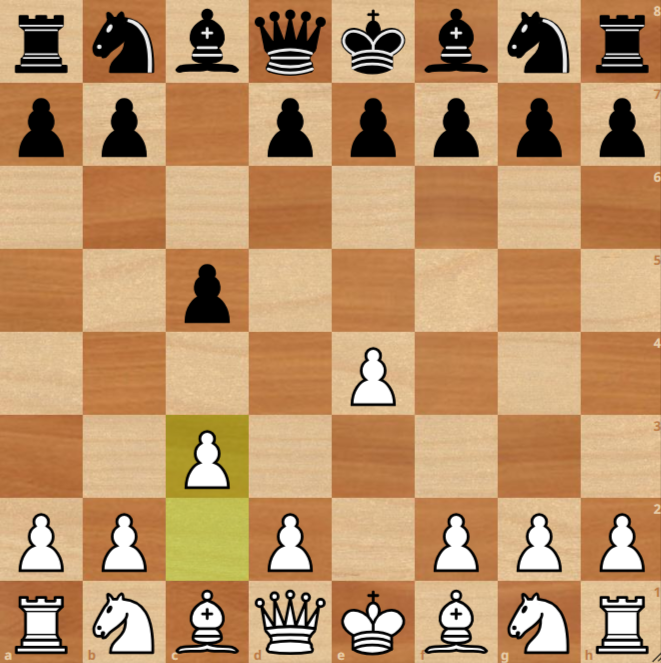
Your choice between these approaches should depend on whether you want tactical complexity or strategic maneuvering, not on what’s fashionable this month.
The Najdorf Variation Demands Concrete Preparation
The Najdorf Sicilian after 5…a6 is the most common choice at the intermediate level. Because it combines flexibility with a solid structure, you will face it repeatedly.
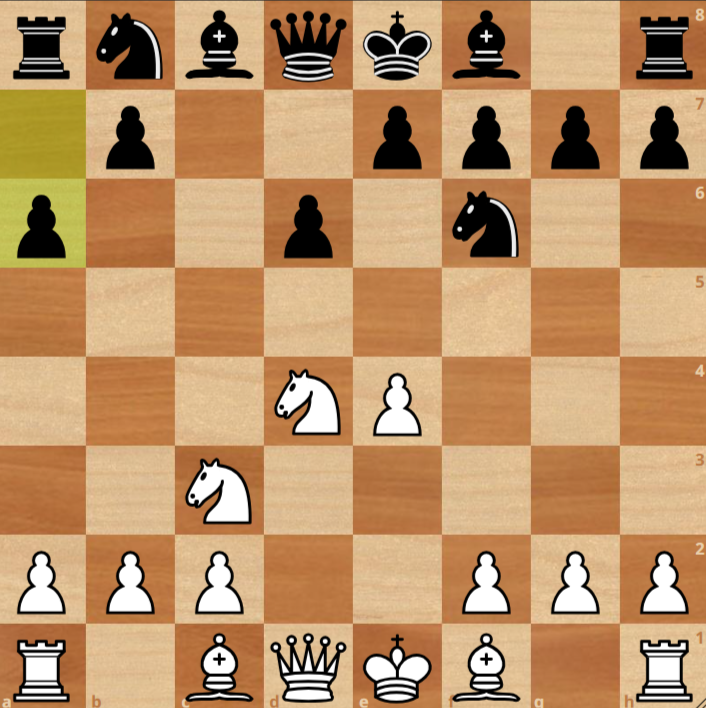
White’s critical tries involve the razor-sharp 6.Bg5. This move attacks the f6 knight and forces Black into immediate tactical decisions. Alternatively, against quieter setups like 6.Be3 or 6.Be2, Black frequently utilizes 6…Nbd7 to prepare queenside counterplay.
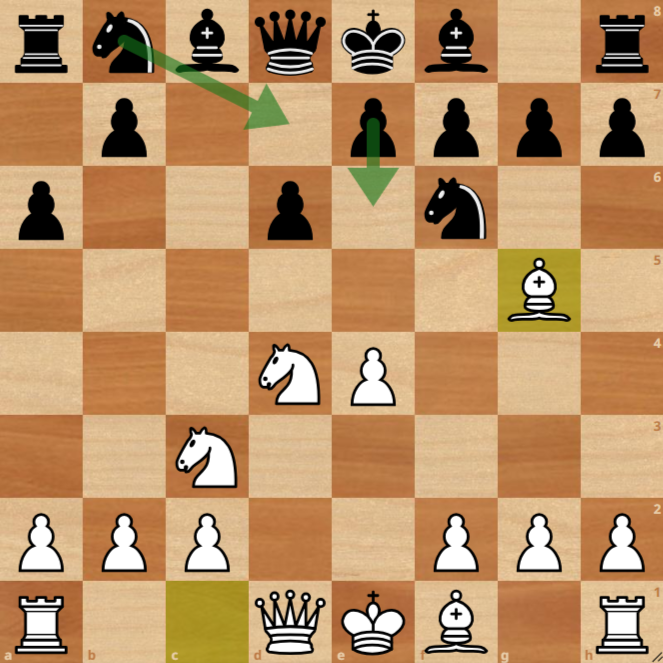
As a White player, you must pick one concrete line against the Najdorf. Switching between the 10+ playable options on move 6 is a mistake. The Najdorf’s depth severely punishes players who do not understand the resulting middlegame plans.
Practice one main line in 15 serious games before considering alternatives, and you’ll develop the pattern recognition needed to spot when Black’s standard plans fail or when your attacking chances materialize.
Playing Against Black’s Counterattack
The real danger appears in the middlegame. Black will expand on the queenside while White pursues kingside attacks. Many club players lose these positions because they fail to balance mutual threats.
After the standard moves 1.e4 c5 2.Nf3 d6 3.d4 cxd4 4.Nxd4 Nf6 5.Nc3 a6, Black plays 6…b5 to gain space. This active plan activates the light-squared bishop to b7 and exerts heavy pressure down the semi-open c-file.
White cannot blindly ignore this active queenside counterplay. Do not play for vague attacking ideas here. Instead, count material and calculate concrete variations. The Sicilian severely punishes slow positional play.
If Black advances on the queenside while your kingside attack stalls, you will lose the race. Black’s queenside expansion often moves much faster than a passive player expects. This is why strong players in the Sicilian often sacrifice material to eliminate Black’s counterplay immediately rather than allowing Black to coordinate both defense and attack.
Moving Forward to the Ruy Lopez
The Sicilian teaches you that chess is not about following a single plan-it’s about recognizing when your opponent’s threats demand immediate action. Once you master the balance between your own attack and your opponent’s counterplay, you’re ready to explore the Ruy Lopez, an opening that shaped how modern players think about long-term strategic advantage.
Ruy Lopez: The Opening That Shaped Modern Chess
The Ruy Lopez starts 1.e4 e5 2.Nf3 Nc6 3.Bb5, and it shaped how modern chess players think about long-term advantage.
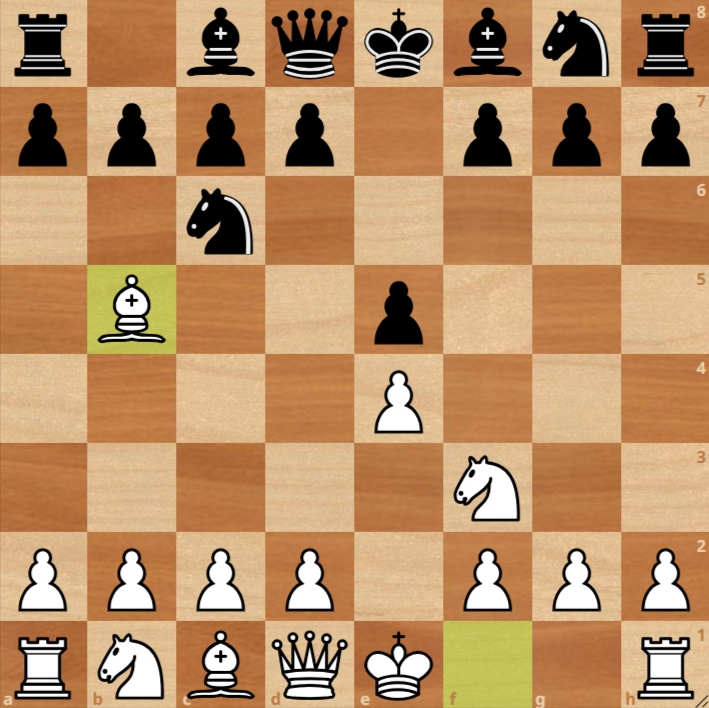
Fischer, Kasparov, and Carlsen all relied on the Ruy Lopez throughout their professional careers. This legendary system teaches you that controlling space matters more than early tactical fireworks.
It has remained a premier choice against 1.e4 e5 for over 400 years. This incredible longevity reflects a core chess reality. The resulting structures reward patient strategic mastery rather than memorized traps.
The Ruy Lopez demands a deep understanding of pawn structures and precise piece placement. Club players often treat it as a dry memorization exercise. Conversely, masters view it as a complete framework for understanding chess. Your rating will jump once you grasp how White improves his position incrementally.
The Berlin Defense Changed Everything
The Berlin Defense with 3…Nf6 became Black’s most reliable weapon after Kramnik adopted it against Kasparov in 2000, and this shift fundamentally altered how players prepare the Ruy Lopez. Modern databases prove that the Berlin dominates elite master chess. It appears frequently in Ruy Lopez games among players rated 2400 and above. This high frequency forces White to make a critical choice. You must either accept the complex Berlin endgame pawn structure or pivot to quieter sidelines like 4.d3.
If you accept the Berlin Wall mainline with 4.0-0 Nxe4 5.d4 Nd6 6.Bxc6 dxc6 7.dxe5 Nf5 8.Qxd8+ Kxd8, you enter the famous Berlin Endgame. Here, Black surrenders castling rights and accepts a damaged queen-side pawn structure, but gains the long-term advantage of the bishop pair.
Understanding how to navigate these profound endgame nuances will teach you more about pure chess strategy than memorizing dozens of sharper sidelines.
Playing Berlin as Black was one of my favorite things when I was an active chess player. My love for Berlin led me to write the book “The Modernized Berlin Wall Defense” for Thinkers Publishing.

From the White side perspective, the practical tip is to play the Berlin Main line as White in 15 serious games before considering alternatives, because understanding how to handle the endgames position in these complex pawn and piece structures teaches you more about chess than studying 10 different sidelines.
Many club players abandon the mainline Berlin after one or two losses, but this reflects impatience rather than the opening’s weakness. The Berlin requires a very strong understanding of pawn and piece coordination and concrete knowledge of endgame principles, so your improvement comes from playing it repeatedly rather than switching to flashier variations.
The Main Line Separates Club Players from Stronger Opponents
The classical main line continues with 9.h3. This key move prevents Bg4 and prepares a central d4 push. White gains a central initiative that develops slowly across 15-20 moves rather than explosively.
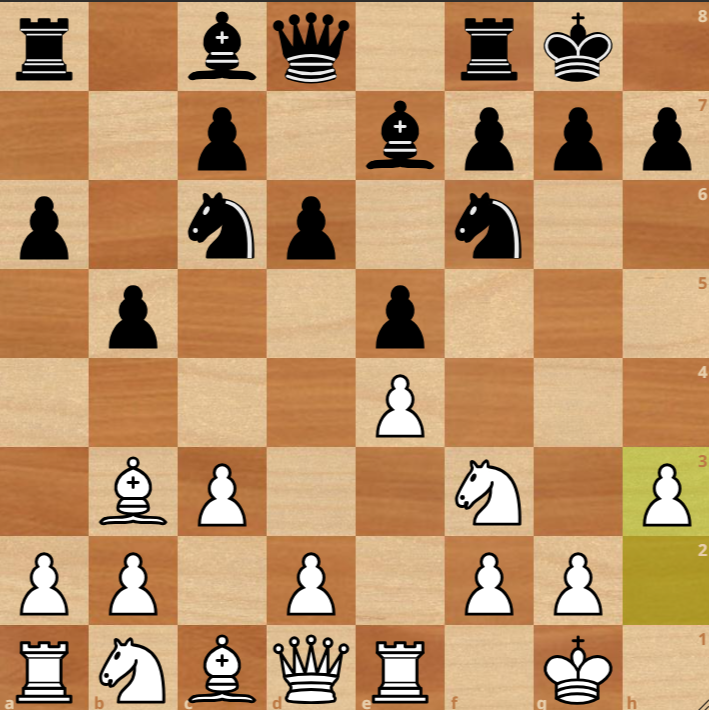
Club players rated around 1500-1700 often get confused here. They tend to play too aggressively, allowing Black’s counterplay to materialize. Conversely, playing too passively drifts into dry, drawn positions.
Your concrete, actionable plan after 9.h3 is simple. Establish a strong central presence with d4. Then, execute the classic Spanish piece maneuver: Nbd2–f1–g3. Once your center is secure, you can expand on the kingside or target weaknesses on Black’s queenside. This slow squeeze gradually suffocates your opponent’s position.
Practice this plan in at least 15 serious games, noting when Black creates counterplay on the center and queenside and how to balance your kingside attack against Black’s activity. The critical moment usually arrives around move 20-25 when you must decide whether to push for a win or consolidate your advantage, and this decision separates players who improve from those who plateau.
The King’s Gambit: A Classical Alternative for Aggressive Players
If you prefer sharp positions from move two, the King’s Gambit with 1.e4 e5 2.f4 lets White sacrifice the f‑pawn to drag Black’s e‑pawn from the center and open the f‑file for fast kingside development. It suits players who enjoy taking practical risks in return for rapid piece activity, open lines toward the king, and direct attacking chances instead of slow maneuvering. In typical main lines, White castles quickly, plays d4 to claim space, and brings pieces toward f7, aiming to attack before Black finishes development.
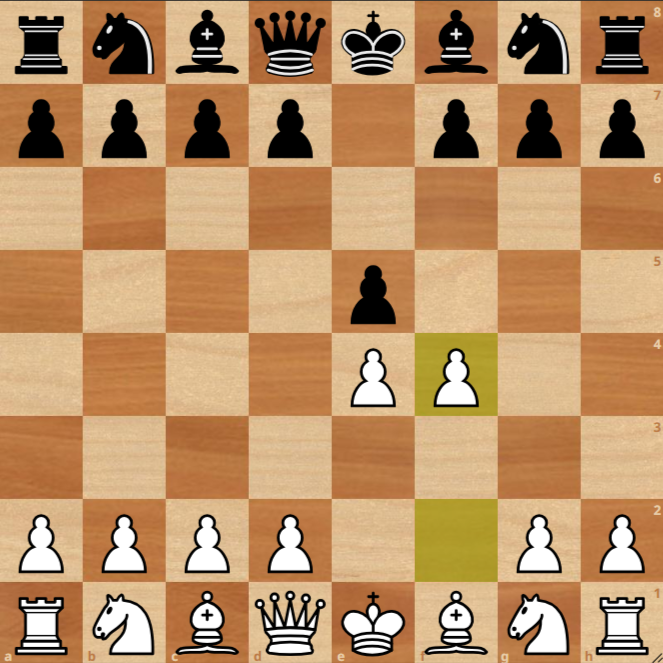
Many club players only test the King’s Gambit in blitz and skip studying model games, so they reach chaotic positions they cannot navigate confidently. A better training plan is to pick one main setup in the King’s Gambit Accepted (for example, 1.e4 e5 2.f4 exf4 3.Nf3) and play at least 15 serious games with it, then analyze your losses with a coach or engine to pinpoint where your attacking ideas or defensive technique failed. This focused, game‑based approach develops a real feel for dynamic compensation and initiative instead of shallow memorization of long computer lines.
Final Thoughts
The Italian Game, Sicilian Defense, and Ruy Lopez have shaped chess for centuries because they teach you how to think rather than what to memorize. These classic chess openings work at every rating level because they rest on principles that never change: controlling key squares, developing efficiently, and creating threats your opponent must answer.
A 1500-rated player in Dubai plays the same opening structures as Magnus Carlsen, which means your improvement comes from understanding these positions deeply rather than chasing trendy variations that disappear after one tournament season.
Choosing the right opening depends entirely on your playing style, not on what’s fashionable. Your choice of opening depends entirely on your personal playing style rather than short-lived tournament trends. Tactical players who love sharp counterattacks will thrive in the complex lines of the Sicilian Defense. Alternatively, the Ruy Lopez rewards patient strategists who enjoy applying long-term positional pressure. For a balanced approach that reinforces fundamental chess principles, stick to the Italian Game to rapidly improve your overall understanding.
Pick one opening from this article and commit to playing it in your next 15 serious games. Analyze your games carefully, identify where your understanding breaks down, and focus on that specific area. Our FIDE-rated coaches provide personalized game analysis and opening guidance tailored to your playing style, helping you build the understanding that separates club players from stronger opponents.